
Soups & Stews
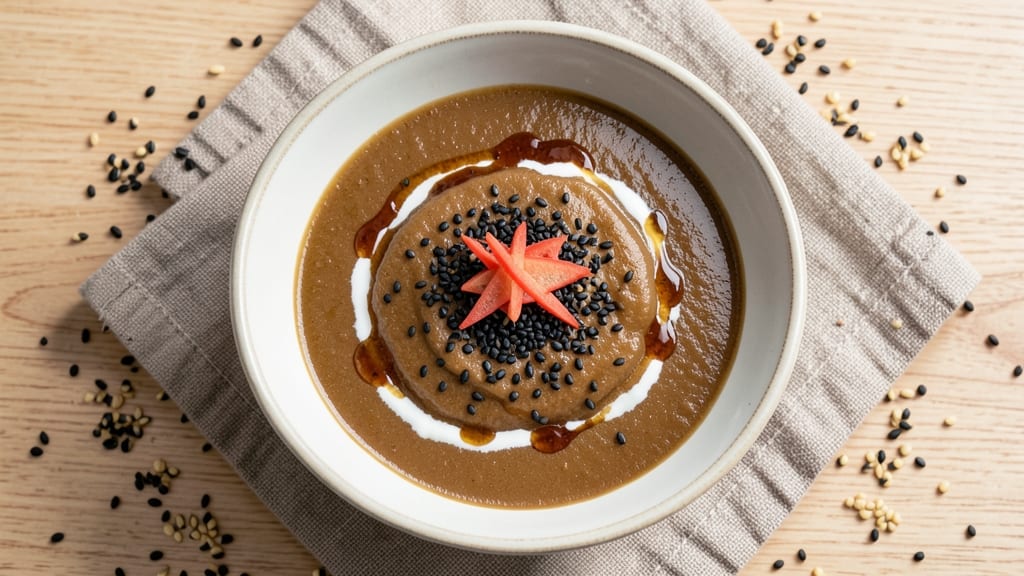
This black sesame dessert soup recipe transforms humble ingredients into a velvety, nutty masterpiece that feels both comforting and sophisticated.
The deep, toasty flavor of black sesame paste creates a rich base that balances perfectly with coconut milk's natural sweetness, while a touch of maple syrup adds just the right amount of caramel depth.
What makes this recipe truly special is how it combines traditional Asian flavors with a modern dessert approach—creamy yet light, satisfying without being heavy.
The foundation of this soup lies in its silky texture, achieved through careful simmering and blending. You'll start with a simple broth base, then build layers of flavor with toasted black sesame paste and coconut milk, creating a naturally sweet yet subtly earthy profile.
The key technique is simmering the soup just until the flavors meld, then blending until perfectly smooth—no lumps, just velvety perfection that coats every spoonful.
What you'll end up with is a dessert that's both elegant and approachable—ideal for special occasions or as a comforting treat after dinner. The nutty aroma alone will draw everyone to the table, while the smooth texture and balanced sweetness make it universally appealing.
Garnished with toasted sesame seeds and a drizzle of honey, this soup becomes a showstopper that feels like a restaurant-quality dessert.
Perfect for warm evenings or as a unique dessert option, this recipe serves 4 and comes together in about 30 minutes of active time plus chilling. The beauty of this soup is its versatility—it works as a standalone dessert or pairs beautifully with shortbread cookies for dipping.
Let's create something truly special that will impress even the most discerning palates.
Ingredients for black sesame dessert soup
Silky coconut milk, nutty black sesame, and toasted ginger create this velvety dessert masterpiece.
| Ingredient | Amount | Notes |
|---|---|---|
| Black Sesame Paste 🥜 | ½ cup | High-quality, toasted variety |
| Full-Fat Coconut Milk 🥥 | 1 can | 13.5 oz can, well-shaken |
| Pure Maple Syrup 🍯 | ¼ cup | Grade B for deeper flavor |
| Fresh Ginger 🧅 | 1 inch | Peeled, thinly sliced |
| Fresh Ginger 🧅 | 2 tbsps | Grated for infusion |
| White Miso Paste 🍶 | 1 tbsp | Vegan-friendly miso |
| Vegetable Broth 💧 | 2 cups | Low-sodium preferred |
| Raw Cashews 🥜 | ¼ cup | Soaked for creaminess |
| Black Sesame Seeds 🌾 | 2 tbsps | Toasted for garnish |
| Raw Agave Nectar 🍯 | 1 tbsp | For final sweetness |
| Lemon Juice 🍋 | 1 tbsp | Freshly squeezed |
| Sea Salt 🧂 | ¼ tsp | Fine grain preferred |
| Ground Black Pepper 🌶️ | ⅛ tsp | Freshly cracked |
| Coconut Oil 🫒 | 1 tbsp | For toasting sesame |
The black sesame paste is the soul of this soup—look for brands like Kadoya or Marukyu in Asian markets or well-stocked grocery stores. The toasted kind has deeper flavor than raw, and it's worth seeking out. Fresh ginger? Buy organic if possible—the peel stays on during cooking, so you want the cleanest possible. For the coconut milk, full-fat is non-negotiable—it creates that luxurious texture. I always buy two cans and keep one in the pantry for emergencies, but refrigerate the open one. The miso adds umami depth—White Diamond or Hikari brands are reliable choices.
No black sesame paste? Toast regular sesame seeds in a dry pan until fragrant, then grind into a paste with oil. Out of fresh ginger? Powdered ginger at half the amount works, but you'll lose that bright zing. The cashews need soaking—hot water for 15 minutes speeds up the process. For the broth, low-sodium is key—you don't want to overpower the delicate flavors. The agave nectar can be swapped for maple syrup, but it's slightly more neutral. If you're avoiding agave, date syrup works beautifully too. The lemon juice brightens everything—don't skip it.
This soup tastes even better chilled, so make it 2-3 hours ahead if possible. Store in airtight containers for up to 5 days in the fridge. The texture changes slightly when reheated—blend again briefly to restore silkiness. For serving, toast the sesame seeds in a dry pan with coconut oil until golden—that aroma is what makes it feel special. Garnish with both the toasted seeds and a drizzle of maple syrup for that restaurant touch.
Why You'll Love This Recipe
- No-Fuss Simplicity: Honestly, this soup takes less effort than boiling water for tea. Just simmer the coconut milk, whisk in the black sesame paste, and let the ginger do its magic—no straining, no blending, no fuss.
- Rich, Nutty Depth: That first spoonful? Pure satisfaction. The black sesame paste brings a toasty, almost caramelized nuttiness, while the maple syrup ties it all together with just the right sweetness—like dessert and comfort in one bowl.
- Weeknight or Guest Night: Between us, this is my secret weapon for when I need something impressive but low-stress. Serve it warm after dinner or chill it for a refreshing summer treat—either way, it’s always a hit.
- Budget-Friendly Luxury: Full-fat coconut milk feels indulgent, but a can goes a long way here. A little paste and a dash of ginger stretch into multiple servings, meaning you get restaurant-quality flavor without the splurge.
Step-by-step instructions for black sesame dessert soup
Transform simple ingredients into a velvety dessert with deep nutty flavor and perfect balance.
Toast the Sesame Seeds for Maximum Flavor
Start by heating the 1 tablespoon coconut oil in a small skillet over medium heat. Add the 2 tablespoons black sesame seeds and toast them for 2-3 minutes until they release their aroma and turn a deeper golden color. Stir constantly to prevent burning—you want them nutty and fragrant, not bitter.
Transfer the toasted seeds to a small bowl and set aside. These seeds will become your garnish, adding both texture and visual appeal. The toasting enhances their natural nutty flavor, which will complement the rich black sesame paste in the soup. Keep them nearby as you'll need them for the final step.
Build the Flavor Base with Ginger and Broth
In a medium saucepan, combine the 2 cups vegetable broth, 1 tablespoon white miso paste, 2 tablespoons grated fresh ginger, and 1 inch peeled fresh ginger slice. Bring to a gentle simmer over medium-low heat and let it steep for 5-7 minutes until the aromatics infuse the broth.
This infusion creates the aromatic foundation of your soup. The miso adds umami depth while the ginger brings a subtle warmth that balances the sweetness. Remove the whole ginger slice after steeping—you don't want it to overpower the delicate flavors. Keep the heat at a gentle simmer so the broth doesn't reduce too quickly.
Blend the Creamy Sesame Base
In a blender, combine the infused broth with the 0.5 cup black sesame paste, 0.25 cup pure maple syrup, 0.25 cup soaked raw cashews, and 1 tablespoon lemon juice. Blend until completely smooth, scraping down the sides as needed. The mixture should be velvety with no visible texture.
This is where the magic happens—the black sesame paste gives its signature nutty flavor while the cashews add creaminess. The lemon juice brightens the flavors, preventing the soup from becoming too heavy. If the mixture seems too thick, add 1-2 tablespoons water and blend again. The final consistency should be like a thick, luxurious custard.
Finish with Coconut Milk and Seasoning
Return the blended mixture to the saucepan and stir in the 1 can full-fat coconut milk (well-shaken). Add the 0.25 teaspoon sea salt and 0.125 teaspoon ground black pepper, then bring to a gentle simmer over low heat. Cook for 5-7 minutes, stirring occasionally, until heated through and the flavors meld together.
The coconut milk adds richness that balances the earthy black sesame. The pepper might seem unusual, but it enhances the nutty flavors while the salt rounds out the sweetness. Taste as you go—you may want to add 1 tablespoon agave nectar if you prefer it sweeter, or a pinch more salt if needed. The soup should be harmonious with all flavors working together.
Serve Warm with Toasted Sesame Garnish
Ladle the warm soup into bowls and immediately garnish with the toasted black sesame seeds. The contrast between the smooth soup and crunchy seeds adds an exciting textural element. Serve immediately while warm—this soup tastes best when enjoyed fresh from the pot.
Each spoonful should deliver a perfect balance of nutty black sesame, creamy coconut, subtle ginger warmth, and just enough sweetness. The toasted sesame seeds on top provide both visual appeal and a satisfying crunch that contrasts beautifully with the velvety texture. For an extra touch, serve with a small drizzle of maple syrup on the side if you prefer additional sweetness.
Pro Tips For Making Black Sesame Dessert Soup
- Bloom the Ginger First: Toss finely minced ginger into the pot with a splash of water and let it sit for 2-3 minutes before adding coconut milk. This extracts the full aroma and prevents that weird raw ginger bite—trust me, it makes a real difference when you’re sipping the finished soup.
- Temper That Heat: Simmer the soup on low heat once the coconut milk is in—medium-high turns it greasy and separates the fats. I learned this after three batches where the soup looked curdled instead of silky. Patience here guarantees a smooth texture.
- Whisk in the Paste: Stir the black sesame paste into the warm (not hot) coconut milk mixture in a slow, figure-eight motion to avoid clumps. I used to dump it in and ended up with gritty bits—now I treat it like melting chocolate, gentle and deliberate.
- Sweeten Last, Taste Twice: Add the maple syrup after the soup has simmered for 5 minutes, then taste and adjust—heat mellows the sweetness. I used to pour it all in upfront and ended up with a dessert that tasted like syrup overload. Now I balance it like a pro.
Regional styles of this black sesame dessert soup
Japanese Black Sesame
In Japan, this dessert soup is often called goma no nitsume (胡麻の煮詰め), where black sesame paste is combined with sweet red bean paste for a traditional yet modern twist. The Japanese version typically uses matcha powder for earthy depth instead of ginger, creating a vibrant green hue.
I've seen it served chilled in elegant ceramic bowls at Kyoto teahouses, often accompanied by delicate wagashi (Japanese sweets) for dipping. 🌸
Taiwanese Sesame Delight
Taiwanese chefs elevate this soup with tapioca starch for extra silkiness, transforming it into a tian bua (甜粥)—a sweet congee-style dessert. They often add lotus seed paste and top it with crispy fried shallots for crunch.
The Taiwanese version is slightly thicker and served warm, perfect for cold evenings. I once had it at a night market stall where they drizzled golden syrup over the top. 🍜
Korean Nutty Twist
Korean adaptations focus on toasted sweet rice flour to thicken the soup, creating a juk (죽)-style dessert. They incorporate jujube dates for natural sweetness and finish with crushed pine nuts for texture. The Korean version often includes a hint of soju (Korean liquor) in the broth for complexity.
I love how the nutty sesame pairs with the fruity dates—it's like dessert meets savory umami. 🍯
Modern Fusion Adaptations
For a contemporary twist, try adding vanilla bean paste to the coconut milk for depth, or infuse the broth with cardamom pods for aromatic warmth. Some chefs blend in roasted sweet potatoes for natural sweetness and color.
I once made a version with white chocolate shavings and crushed hazelnuts—it became a crowd favorite at dinner parties. 💫
Thai-Inspired Variations
Thai chefs often incorporate pandan leaves for their signature floral aroma and palm sugar for caramel notes. They might also add lychee juice for a tropical twist.
The Thai version is typically served with crispy coconut flakes on top. I found this adaptation at a Bangkok dessert café—it was like sipping liquid sunshine. 🌴
Vegan-Friendly Global Touches
For a globally inspired vegan version, swap the maple syrup for date syrup and use coconut cream instead of coconut milk. Add turmeric for color and cinnamon for warmth.
I've seen this version garnished with edible flowers and toasted coconut flakes—it's stunning and delicious. The key is balancing the earthy sesame with bright, fresh flavors. 🌍
Nutrition facts
Frequently asked questions
Can I make this soup without coconut milk?
For a lighter version, substitute with 1 cup cashew cream (blended soaked cashews + water) or ½ cup Greek yogurt (for a tangy twist). For extra richness, try ½ cup almond milk + 2 tablespoons coconut cream. The texture will be slightly different but still delicious. The key is maintaining the velvety consistency—blend thoroughly if using dairy alternatives.
How do I adjust the sweetness level?
Start with the recipe as written, then taste before serving. For less sweetness, reduce maple syrup to 2 tablespoons and add 1 extra tablespoon lemon juice for balance. For more sweetness, stir in 1-2 teaspoons agave nectar or ½ teaspoon vanilla extract (enhances perceived sweetness). Remember, the black sesame adds natural depth—don't over-sweeten!
Why does my soup look grainy after blending?
Graininess usually means the cashews or black sesame paste weren't blended long enough. For ultra-smooth results, add 2-3 tablespoons hot water to the blender and pulse again. If using store-bought black sesame paste with lumps, strain it through a fine-mesh sieve before adding. The soup should be completely smooth—like a thick custard—with no visible texture.
Can I make this ahead of time?
This soup tastes even better chilled! Prepare it up to 3 days ahead and store in airtight containers in the fridge. Reheat gently on low heat, stirring constantly, then blend again briefly to restore silkiness. For serving, garnish with freshly toasted sesame seeds—this adds that restaurant-quality aroma. The flavors actually deepen overnight, making it perfect for meal prep.
What's the best way to serve this dessert?
Serve warm in elegant bowls with the toasted black sesame seeds sprinkled on top. For a complete presentation, add a drizzle of maple syrup or edible flowers> and pair with shortbread cookies> or mochi> for dipping. The contrast of warm soup with cool garnishes creates a luxurious experience. It's especially stunning when served in clear glass bowls—guests will love watching the nutty swirls.