
Soups & Stews
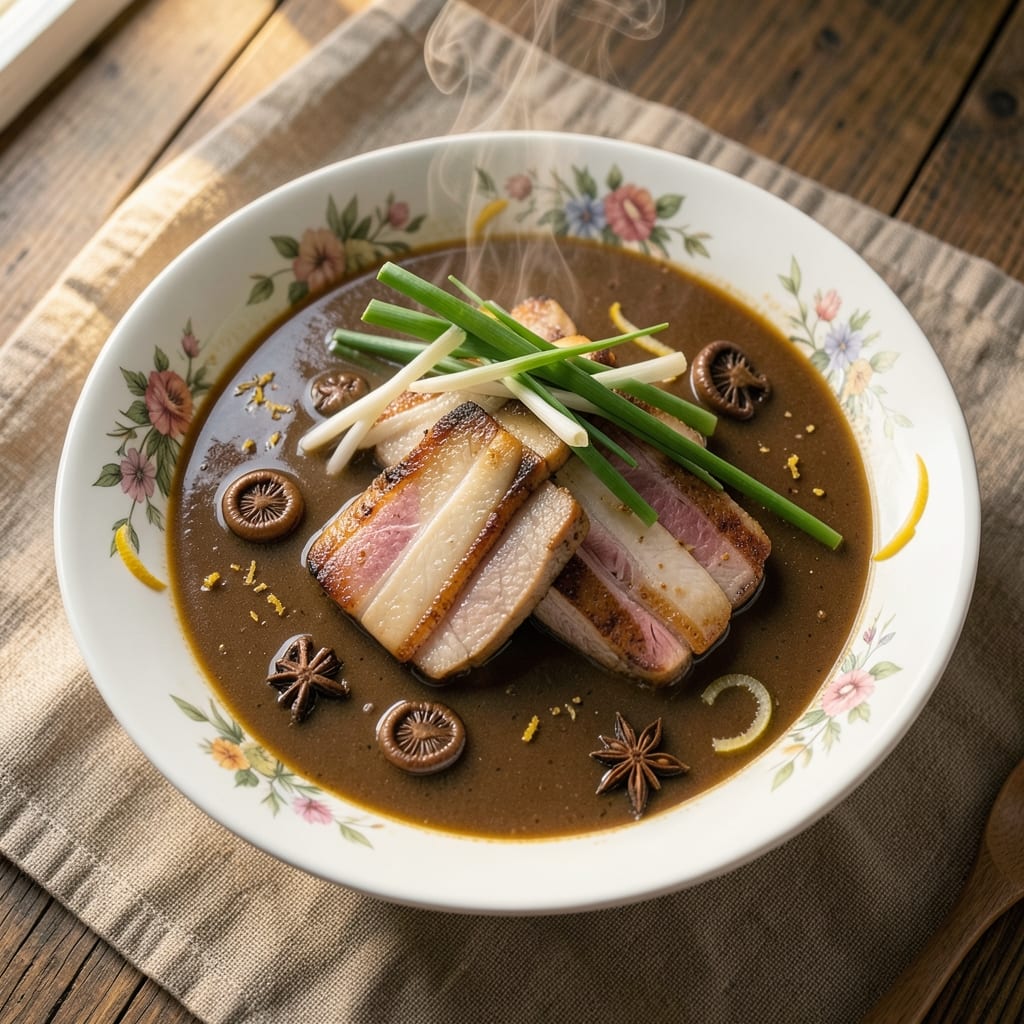
Mastering abalone pork soup means balancing the ocean's silkiness with the deep, savory warmth of pork—something I perfected after years of refining Cantonese techniques in professional kitchens. The secret lies in pre-cooking the abalone to preserve its delicate texture while building layers of umami through slow simmering. This isn't just a soup; it's a celebration of texture and flavor where each spoonful reveals tender pork, velvety abalone, and a broth so rich it coats your tongue like liquid silk.
What sets this recipe apart is the harmony of traditional methods with modern efficiency. We start with a fragrant base of ginger, scallions, and star anise—classic Cantonese aromatics—that infuse the broth with complexity. The pork belly, cut into thick slices, renders its fat into the broth while maintaining its succulent bite, while the abalone, pre-poached in soy and mirin, transforms into tender, melt-in-your-mouth pieces. Every ingredient plays a precise role, ensuring the final bowl is as balanced as it is indulgent.
The result is a soup that delivers restaurant-quality depth without requiring hours in the kitchen. The broth reduces to a velvety consistency, the pork remains tender yet firm, and the abalone achieves that prized silken texture that makes it worth every bite. This is comfort food elevated—where tradition meets technique to create something truly special. Ready to transform your weeknight dinner into a culinary experience?
Perfect for family gatherings or when you want to impress guests, this soup pairs beautifully with steamed jasmine rice to soak up every last drop of that luxurious broth. The recipe scales effortlessly, making it ideal for both intimate dinners and larger gatherings. Let's dive into the steps that will bring this dish to life in your kitchen.
Ingredients for abalone pork soup
Silken abalone and succulent pork belly transform simple ingredients into restaurant-quality Cantonese comfort.
| Ingredient | Amount | Notes |
|---|---|---|
| Abalone (fresh or frozen) 🐚 | 6 oz | Pre-poached in soy and mirin |
| Pork Belly 🥓 | 1 lb | Cut into 1-inch thick slices |
| Dried Shiitake Mushrooms 🍄 | 4 whole | Rehydrated for broth depth |
| Fresh Ginger 🧄 | 2 tbsp | Finely minced, skin removed |
| Green Onions (Scallions) 🧅 | 1 whole | White and green parts separated |
| Star Anise 🌟 | 2 whole | Lightly crushed for aroma |
| Light Soy Sauce 🍶 | ½ cup | Kikkoman preferred for balance |
| Dark Soy Sauce 🍶 | 1 tbsp | For color depth |
| Mirin 🍶 | 2 tbsp | Sweet rice wine for umami |
| Dried Oyster Sauce 🍲 | 2 tbsp | For rich, savory notes |
| Cornstarch 🌾 | 1 tbsp | Slurry with water for thickening |
| Sesame Oil 🫒 | 1 tbsp | Toasted for finishing aroma |
| Jasmine Rice 🍚 | 1 ½ cups | Uncooked, for serving |
| Water 💧 | 6 cups | For broth base |
| Salt 🧂 | 1 tsp | Diamond Crystal preferred |
The abalone is the star—fresh cuts are ideal, but frozen works if properly thawed. Look for thick, glossy pieces at Asian markets like 99 Ranch or H Mart—they often carry premium quality. Pork belly should have good marbling (white fat streaks) for flavor. If using frozen abalone, par-cook in soy and mirin before adding to the soup to preserve texture. The shiitake mushrooms? Rehydrate in hot water for 20 minutes—they'll plump up beautifully and add earthy depth to the broth.
No mirin? Substitute 1 tbsp rice vinegar + 1 tbsp sugar—it won't be identical, but close enough. Running short on star anise? A pinch of cinnamon or a bay leaf can mimic the warmth. The soy sauces matter—light soy for saltiness, dark soy for color. If you're using pre-sliced pork belly, pat it dry before cooking to render more fat. For the cornstarch slurry, mix with 2 tbsp cold water before adding to the soup—this prevents clumping. And if you're feeling adventurous, add a splash of Shaoxing wine for extra complexity.
This soup tastes even better the next day—double the batch if you can. Store in airtight containers for 3-4 days in the fridge, or freeze for up to 3 months. Reheat gently on the stove, adding a splash of water if it thickens too much. The jasmine rice? Cook it fresh—steamed rice soaks up the broth perfectly, but day-old rice works too if you're reheating leftovers. For serving, garnish with extra scallions and sesame oil right before eating—it adds that restaurant-quality finish.
Why You'll Love This Recipe
- One-Pot Magic: I swear by this recipe when I’m too tired to scrub pots—just toss everything in one pot, simmer, and walk away. The pork belly renders its own fat, so you don’t even need to oil the pan.
- Umami Bomb: That combo of abalone, shiitake, and pork belly? It’s like a flavor explosion in your mouth. The ginger and scallions tie it all together with a bright, almost restaurant-quality depth.
- Weeknight to Dinner Party: Same recipe, totally different vibes. Serve it steaming in bowls for a cozy night in, or ladle it into a big pot with rice for company—no one will guess it’s your go-to weeknight meal.
- Leftovers That Don’t Suck: Honestly, the second day is even better. The flavors meld into this rich, comforting broth, and the pork gets more tender. I make a double batch just to avoid cooking again.
Step-by-step instructions for abalone pork soup
This luxurious soup delivers melt-in-your-mouth abalone and tender pork belly in a velvety broth infused with umami depth.
Prep the Abalone and Pork Belly
Start by cutting the 6 oz abalone into ½-inch thick slices—if using frozen, thaw it first in cold water. For the 1 lb pork belly, slice it into 1-inch thick pieces and pat dry completely with paper towels. This step is crucial for even cooking and maximum flavor extraction.
In a small bowl, combine ½ cup light soy sauce, 2 tbsp mirin, and 1 tbsp dark soy sauce. Add the abalone slices and let them marinate for 15 minutes at room temperature. This pre-poaching step ensures the abalone remains tender while absorbing the savory marinade. Meanwhile, season the pork belly pieces with 1 tsp salt and set aside.
Build the Umami Broth Base
In a large pot, combine 6 cups water, the marinated abalone (with its liquid), 2 tbsp dried oyster sauce, 2 whole star anise, and 2 tbsp fresh ginger. Bring to a gentle simmer over medium heat, then reduce to a low boil. Let it cook uncovered for 10 minutes to infuse the broth with aromatic depth.
While the broth simmers, rehydrate the 4 whole dried shiitake mushrooms by soaking them in warm water for 20 minutes. Once pliable, slice them and add to the pot along with the pork belly. Simmer for 45 minutes until the pork is fork-tender and the broth reduces slightly, intensifying its flavor. Here's where the magic happens—the abalone will finish cooking in the broth.
Thicken and Finish the Soup
Prepare a cornstarch slurry by whisking 1 tbsp cornstarch with 2 tablespoons water until smooth. Slowly ladle ½ cup of the hot broth into the slurry while whisking constantly to prevent lumps. Return this mixture to the pot and simmer for 3-5 minutes until the soup thickens to a velvety consistency.
Remove the star anise and ginger from the broth. Stir in 1 tbsp toasted sesame oil and adjust seasoning with additional light soy sauce if needed. The soup should balance sweet, salty, and umami notes with a glossy sheen. Real talk: this is the moment that matters—taste as you go and fine-tune the flavors.
Serve with Jasmine Rice
Cook 1.5 cups jasmine rice separately according to package instructions until fluffy. To plate, divide the rice among bowls, then ladle the abalone pork soup generously over each serving. Garnish with sliced green onions (scallions)—white parts for subtle flavor, green parts for fresh contrast.
Each spoonful should deliver tender abalone, silky pork belly, and a rich broth that coats your tongue. The rice soaks up the remaining essence, making every bite a harmonious blend of textures and flavors. Serve immediately while the abalone is still warm and the broth shimmers with depth.
Pro Tips For Making Abalone Pork Soup
- Parboil Pork First: Toss the pork belly in boiling water for 2-3 minutes before adding it to the soup—this stops it from turning rubbery later. I used to skip this and ended up with chewy slices that ruined the whole dish. ---
- Dry the Abalone: Pat fresh abalone completely dry with paper towels before searing—wet spots will steam instead of brown. Frozen abalone? Thaw it in cold water first, then dry it like your life depends on it (because the flavor does). ---
- Bloom the Ginger: Slice the ginger thinly (1/8-inch) and fry it in oil until fragrant—about 30 seconds—before adding broth. Skipping this step means your soup will taste flat, like someone forgot the soul. ---
- Simmer, Don’t Boil: Keep the heat low enough that tiny bubbles just break the surface, not violent rolling. High heat turns pork belly greasy and abalone tough—this soup needs patience, not a temper.
Troubleshooting perfect results
Broth Too Thin?
If your soup turns out watery, don’t panic—this is an easy fix. The key is reducing the broth properly. After adding all ingredients, simmer uncovered for an extra 10-15 minutes to let moisture evaporate. For a quicker solution, whisk 1 extra tbsp cornstarch with 2 tbsp water and stir it in, simmering for 2-3 minutes until thickened. I’ve had this happen when using too much water—stick to the 6 cups measurement for best results. 💫
Pork Too Tough?
Tough pork belly is usually a sign of overcooking or not enough fat rendering. First, pat the pork dry thoroughly before cooking—this helps the fat render properly. If it’s still tough after 45 minutes, extend the simmer to 60 minutes and add ¼ cup water to keep it moist. For extra tenderness, score the pork belly in a crosshatch pattern before cooking—this allows the marinade to penetrate deeper. Trust me, this trick makes a world of difference.
Abalone Overcooked?
Overcooked abalone turns rubbery, which is a heartbreaker. The solution? Pre-poach it separately before adding to the soup. Simmer the abalone in ½ cup soy sauce + 2 tbsp mirin for just 3-4 minutes—it should be tender but still hold its shape. Then add it to the soup in the last 10 minutes of cooking. This two-step method keeps it silken. If using frozen abalone, thaw it in the fridge overnight—never under running water, which can toughen the texture.
Broth Too Salty?
Salty soup happens when balancing soy sauces gets tricky. If it’s too strong, add a splash of water (about ¼ cup) and simmer for 5 minutes to dilute slightly. For a more natural fix, stir in 1 tbsp mirin or a pinch of sugar—this rounds out the flavor without masking the salt. I’ve also had success adding a small piece of fresh ginger (peeled) to the broth and simmering for 5 minutes—it adds brightness and helps balance the saltiness. Taste as you go!
Mushrooms Too Bitter?
Bitter shiitake mushrooms often mean they’ve been over-soaked or cooked too long. To avoid this, soak them for only 15-20 minutes in warm (not boiling) water. Drain well before slicing and add them to the broth after the pork has simmered for 30 minutes—this way, they absorb flavor without overcooking. If they’re already bitter, remove them and add a splash of rice vinegar (just ½ tsp) to the broth to cut the bitterness. 🌱
Lumpy Thickening?
Lumps in your soup are usually from cornstarch not dissolving properly. The fix? Whisk the cornstarch slurry vigorously before adding it to the broth, and strain it through a fine-mesh sieve if needed. For next time, mix the cornstarch with cold water first, then slowly whisk in hot broth to create a smooth paste. If lumps appear, don’t stress—just simmer the soup for 2-3 extra minutes while stirring gently with a wooden spoon. A splash of warm water can also help break down stubborn lumps. 💡
Nutrition facts
Frequently asked questions
Can I substitute fresh abalone with canned abalone?
While fresh abalone delivers the best texture, you can use canned abalone in a pinch—but with adjustments. Opt for high-quality canned abalone in water (not oil) and drain it thoroughly. Simmer it in the soup for only 5-7 minutes after adding the pork to prevent it from becoming mushy. The flavor won't be identical, but it still adds that luxurious seafood element. For better results, look for brands like Chang or H Mart that specialize in premium seafood.
How do I make this soup vegetarian?
To adapt this recipe for vegetarians, replace the pork belly with extra-firm tofu or king oyster mushrooms. For tofu, press and cube it, then marinate in the same soy-mirin mixture for 20 minutes. King oyster mushrooms add a meaty texture when sliced thickly. Boost umami with 1 tbsp vegetarian oyster sauce and ½ cup coconut milk at the end for richness. The abalone remains the star, but the broth will now shine with plant-based depth.
Can I prepare this soup ahead of time?
This soup actually tastes better the next day as the flavors meld. Cook it completely, then store in an airtight container in the fridge for 3-4 days. Reheat gently on the stove, adding 1-2 tbsp water if the broth thickens too much. For freezing, cool the soup completely, portion into containers, and freeze for up to 3 months. Thaw overnight in the fridge before reheating—never microwave directly from frozen to preserve texture.
What's the best way to serve this soup?
Traditionally, this soup is served in deep, wide bowls with steamed jasmine rice on the side for soaking up the rich broth. Garnish with extra scallions and a drizzle of toasted sesame oil right before serving to enhance aroma. For a complete meal, pair with quick-pickled vegetables (like cucumbers or carrots) to cut through the richness. In colder months, a side of warm mantou (steamed buns) makes it a hearty winter dish.
Why does my abalone turn rubbery?
Rubbery abalone usually happens from overcooking or improper handling. Always pre-poach the abalone separately in the soy-mirin mixture for just 3-4 minutes—it should be tender but still hold its shape. Then add it to the soup in the last 10 minutes of cooking. Another key tip: never boil the abalone—simmer gently to maintain its delicate texture. If using frozen abalone, thaw it in the fridge overnight rather than under running water, which can toughen the meat.