
Soups & Stews
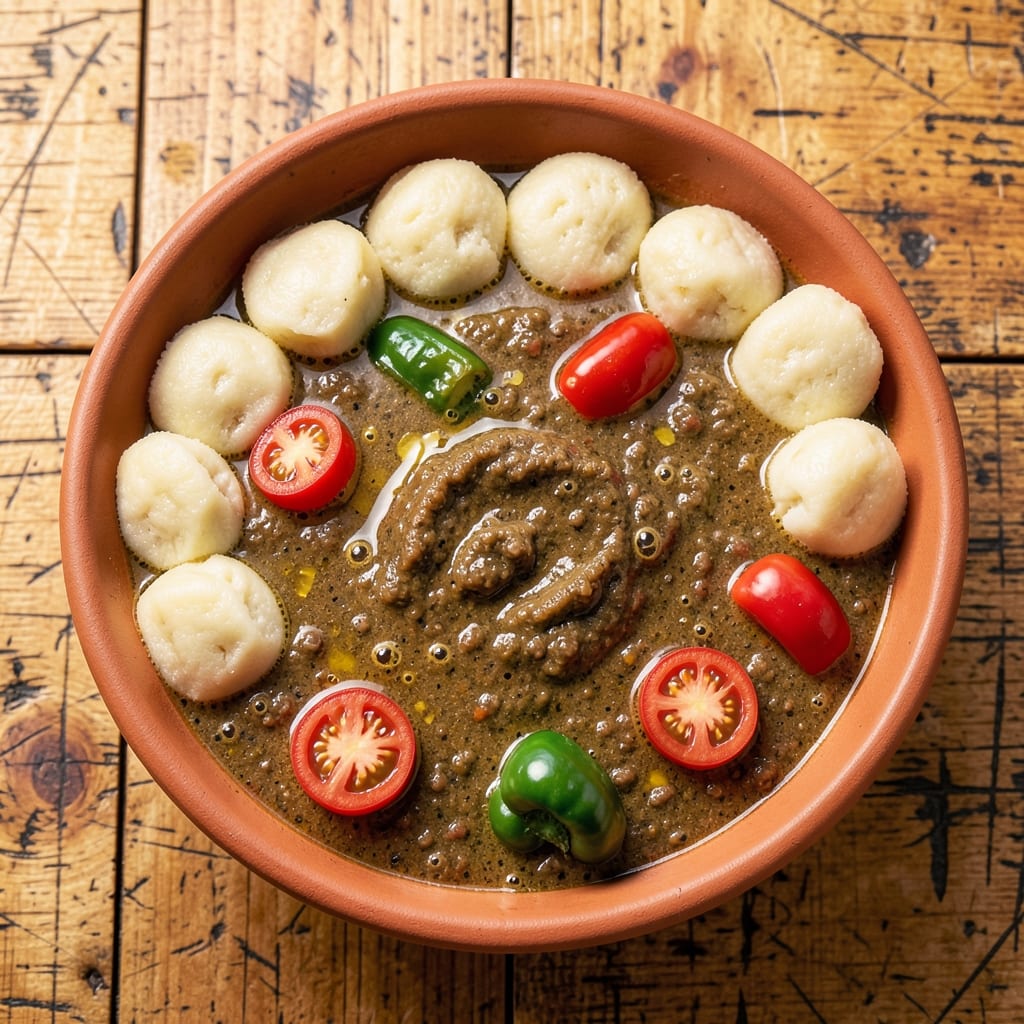
This African Egusi Soup and Fufu recipe delivers the heart of West African home cooking—rich, nutty egusi soup paired with smooth, stretchy fufu. The key lies in balancing the earthy depth of ground melon seeds with tender vegetables and aromatic spices, all while mastering the traditional fufu dough technique. I've perfected both components to ensure authentic flavor without sacrificing modern convenience.
The egusi soup begins with toasted ground melon seeds blended into a velvety paste, creating the signature nutty base that thickens beautifully as it simmers. Traditional methods call for pounding fresh cassava and yam into fufu by hand, but I'll show you how to achieve the same silky texture using a food processor for today's busy cooks. Every element—from the spiced broth to the dough's elasticity—comes together to create a meal that feels both comforting and celebratory.
What makes this recipe special is its ability to adapt while staying true to tradition. You can prepare the soup with or without protein, and the fufu dough can be made in advance and reheated. The result is a complete, satisfying meal that transports you to West African tables while fitting seamlessly into your home kitchen. The nutty aroma of the soup alone will have everyone gathered around the table.
This combination works beautifully for family dinners, cultural gatherings, or when you want to serve a meal that tells a story. The egusi soup's depth pairs perfectly with the neutral, stretchy fufu, creating a balance that's both simple and sophisticated. Let's bring this authentic West African meal to your kitchen.
Ingredients for african egusi soup and fufu
Six ingredients for the soup, four for fufu—authentic West African flavors made simple.
| Ingredient | Amount | Notes |
|---|---|---|
| Ground Egusi Seeds 🌰 | 1 cup | Toasted lightly for nutty flavor |
| Fresh Cassava Tubers 🥔 | 2 lb | Peeled and cut into chunks |
| Fresh Yam Tubers 🍠 | 1 ½ lb | Peeled and cut into chunks |
| Vegetable Oil 🫒 | ½ cup | For frying fufu dough |
| Fresh Bell Peppers 🌶️ | 2 whole | Red or green, chopped |
| Fresh Tomatoes 🍅 | 4 medium | Chopped, or 1 cup canned tomatoes |
| Onion 🧅 | 1 large | Chopped, yellow or red |
| Garlic Cloves 🧄 | 6 cloves | Minced for soup base |
| Fresh Spinach 🌿 | 2 cups | Chopped, or frozen substitute |
| Ground Cumin 🌿 | 1 tsp | Toasted for deeper flavor |
| Ground Ginger 🌿 | 1 tsp | Freshly grated preferred |
| Salt 🧂 | 1 ½ tsp | Adjust to taste |
| Black Pepper 🌶️ | ½ tsp | Freshly ground preferred |
| Vegetable Stock 💧 | 4 cups | Homemade or quality store-bought |
The egusi seeds are the soul of this dish. Look for them in African markets or online—brands like African & Caribbean Foods or Amazon carry quality ground egusi. Toast them lightly before blending to deepen that nutty aroma. For the cassava and yam, fresh is non-negotiable—they lose moisture fast, so buy them the same day you cook. If you can't find fresh, substitute 2 cups frozen cassava or yam, but texture won't be identical. The vegetable stock? Homemade is best, but even the basic cartons from Kirkland or Pacific Foods work in a pinch.
No fresh spinach? Frozen works perfectly—just thaw and drain well. Short on bell peppers? Zucchini or okra add a different but equally delicious texture. The ground ginger can be swapped for powdered ginger at half the amount, but fresh has that zing. For the fufu, if you're worried about the dough sticking, lightly oil your hands and food processor. I've even made it with half cassava, half plantain for a sweeter twist—works great with the nutty soup. And if you're prepping ahead, cook the soup first and refrigerate separately—it reheats beautifully.
The fufu dough keeps 2 days in the fridge, covered tightly. For longer storage, freeze portions in airtight bags for up to 3 months—just thaw overnight in the fridge before reheating. The soup reheats well too, but add a splash of water or stock if it's too thick. I always make extra dough—it's perfect for breakfast the next day, warmed with a bit of oil and salt. Store your egusi seeds in a cool, dark place for up to 6 months—they'll stay fresh longer than most spices.
Why You'll Love This Recipe
- No-Fuss Starter: I swear by this when I’m too tired to peel a mountain of yams. Just boil the tubers whole, peel them later—no one notices the rough edges anyway. The egusi does all the heavy lifting while you sip tea.
- Umami Bomb: That nutty, earthy depth from toasted egusi seeds? It’s the star. Add a handful of fresh bell peppers at the end, and suddenly it’s bright, smoky, and ridiculously satisfying—like a hug in soup form.
- Leftovers That Win: Between us, this tastes better the next day. The fufu softens just enough to be perfect with reheated soup, and the egusi thickens into a velvety blanket. I make double batches because my kids beg for it cold with a sprinkle of salt.
- Budget Crowd-Pleaser: A single bag of ground egusi feeds six, and cassava/yam stretch forever. Honestly, it’s my go-to for potlucks or when friends drop by unannounced. Everyone leaves happy, and I spend less than $10 total. Win.
Step-by-step instructions for African egusi soup and fufu
Here's how to create this rich, nutty soup paired with perfectly elastic fufu.
🍳 Step 1: Toast the Egusi Seeds and Build the Soup Base
Heat a dry skillet over medium heat and toast the 1 cup ground egusi seeds for 2-3 minutes until fragrant. You'll smell that nutty aroma—this step deepens the flavor. Immediately transfer the toasted seeds to a bowl and set aside.
In the same skillet, add 0.5 cup vegetable oil and heat until shimmering. Add the chopped 1 large onion and cook for 3 minutes until soft and translucent. Stir in the 6 cloves minced garlic cloves and cook for 30 seconds until fragrant—don't let it brown or it'll turn bitter.
🍳 Step 2: Cook the Vegetable Medley
Add the chopped 2 whole fresh bell peppers and cook for 4 minutes until slightly softened. Then add the chopped 4 medium fresh tomatoes and cook for another 5 minutes until they break down into a thick paste. This should yield about 1 cup of tomato mixture—stir frequently to prevent burning.
Next, sprinkle in the 1 tsp ground cumin and 1 tsp ground ginger, stirring for 30 seconds to toast the spices. Here's where it gets good—add the 2 cups fresh spinach and cook just until wilted, about 2 minutes. Remove from heat and set aside.
🥘 Step 3: Combine and Simmer the Soup
Return the skillet to medium heat and add the toasted 1 cup ground egusi seeds, stirring constantly for 2 minutes to toast them in the vegetable mixture. Pour in the 4 cups vegetable stock and bring to a gentle simmer. Add the 1.5 tsp salt and 0.5 tsp black pepper, then reduce heat to low.
Let the soup simmer uncovered for 20 minutes, stirring occasionally. You'll see the egusi seeds absorb the liquid and create a thick, nutty sauce. The soup should thicken noticeably—if it gets too thick, add 1 cup hot water to reach your desired consistency.
👨🍳 Step 4: Prepare the Fufu Dough
While the soup simmers, boil the peeled 2 lb fresh cassava tubers and 1.5 lb fresh yam tubers separately for 20 minutes until tender when pierced with a fork. Drain well and let cool slightly.
Transfer the cooked tubers to a food processor and pulse until you get a smooth, dough-like consistency. Add 0.25 cup vegetable oil and pulse again. The dough should be elastic and hold its shape when pressed—this is what gives fufu its signature texture. If it's too dry, add 1 tablespoon water at a time.
🔥 Step 5: Fry the Fufu and Serve
Heat the remaining 0.25 cup vegetable oil in a clean skillet over medium heat until hot but not smoking. Drop small portions of the fufu dough into the oil and fry for 2-3 minutes per side until golden brown. The fufu should release easily from the pan when ready.
Serve the hot soup immediately with the fried fufu pieces on top. The contrast of the smooth, stretchy fufu with the rich, nutty soup is what makes this dish special. Each bite should deliver that perfect balance of textures and flavors—creamy fufu soaking up the hearty soup.
Pro Tips For Making African Egusi Soup And Fufu
- Toast Your Egusi: DESCRIPTION: I learned this the hard way—skipping the toast can make your soup taste bitter. Heat the ground egusi in a dry pot over medium for 3-4 minutes, stirring constantly, until it smells nutty and darkens slightly. This step removes raw flavors and thickens the soup better than raw seeds ever could.
- Peel Cassava Like a Pro: DESCRIPTION: Fresh cassava is stubborn—don’t rush the peeling. Use a sharp knife to slice off the skin in long strips, then scrape the flesh with a spoon to remove the purple layer underneath (it turns bitter when cooked). Soak the peeled pieces in cold water for 10 minutes to remove excess starch—your fufu will be smoother and less gluey.
- Simmer, Don’t Boil: DESCRIPTION: After adding the egusi to your stock, resist the urge to crank the heat. A gentle simmer (small bubbles, occasional swirls) for 20-25 minutes lets the seeds release their flavor without burning. Boiling turns the soup gritty and dull—trust me, you’ll taste the difference.
- Boil Yam First: DESCRIPTION: If you’re short on time, boil the yam tubers whole in salted water for 45-50 minutes until fork-tender. Then peel and mash them into the fufu dough—it saves you from peeling raw yam mid-cooking and cuts prep time by half. (Yes, even if you’re impatient like me.)
Creative variations of these flavors
Spicy Protein Twist
For a heartier version, add 1 lb smoked turkey or chicken thighs to the soup during the final 10 minutes of simmering. The meat absorbs the nutty egusi flavors beautifully while staying tender. I like to marinate the meat in 1 tbsp soy sauce and ½ tsp smoked paprika before adding it to the pot. 🌶️
Leafy Green Swaps
Don't have spinach? Try collard greens or kale for a deeper flavor profile. For a tropical twist, add ½ cup chopped bok choy or water spinach during the last 2 minutes of cooking. The key is wilting just enough to release their natural sweetness without turning mushy.
Smoky Fufu Variations
For a smoky flavor infusion, add ½ tsp smoked salt to the fufu dough while processing. I've also experimented with adding 1 tbsp grated nutmeg for a warm, aromatic twist that pairs wonderfully with the nutty soup. The nutmeg adds complexity without overpowering the dish. 🌿
Sweet Plantain Fufu
Swap half the cassava for 1 lb ripe plantains to create a sweeter fufu variation. The plantains add natural caramelization when fried, creating a delicious contrast to the savory soup. This version works especially well when served with a side of spicy shito sauce for dipping. 🍌
Slow-Cooker Adaptation
Make the soup in a 6-quart slow cooker on low heat for 4-5 hours instead of stovetop simmering. This method develops even deeper flavors while requiring minimal attention. Just add all ingredients except the spinach (add it during the last 30 minutes) and let the slow cooker work its magic. 🍲
Instant Pot Method
For a quick version, use a 6-quart Instant Pot on high pressure for 12 minutes after adding all ingredients except spinach. Quick-release the pressure, stir in the spinach, and let it wilt for 2 minutes. This cuts the cooking time dramatically while maintaining the rich, nutty flavor profile. ✨
Nutrition facts
Frequently asked questions
Can I make this egusi soup without fresh cassava and yam?
For fufu, you can substitute 2 cups frozen cassava or yam (thawed and drained), though texture won't be identical. Another option is 1 lb sweet potatoes—boil until tender, then process with oil. The key is achieving that elastic dough consistency by adjusting water as needed.
How do I know when the fufu dough is ready?
The perfect fufu dough should be smooth, elastic, and hold its shape when pressed between fingers. If it's too crumbly, add 1 tablespoon water at a time while processing. If it's too sticky, pulse in 1 tablespoon oil. Test by dropping a small piece in hot oil—it should float and brown evenly in 2-3 minutes.
What's the best way to store leftovers?
Store the soup in an airtight container for up to 3 days in the fridge. Reheat gently on low heat, adding water if needed. The fufu dough keeps 2 days in the fridge—reheat in a steamer or microwave with a damp towel. For longer storage, freeze fufu portions for up to 3 months (thaw overnight in the fridge).
Can I make the soup spicier?
Yes! Add ½-1 tsp cayenne pepper to the soup base or 1 chopped fresh scotch bonnet during the final 5 minutes of simmering. For heat control, remove seeds from the pepper. Traditional West African soups often balance spice with cooling ingredients—try adding ½ cup coconut milk at the end for a creamy contrast.
Why did my fufu turn out gummy?
Gummy fufu usually means overcooking the tubers or adding too much water. Next time, boil cassava and yam just until tender (15-20 minutes), then drain completely. Process in small batches, adding only 1 tablespoon water** at a time. Also ensure your processing container is clean—grease can prevent proper dough formation.