
Soups & Stews
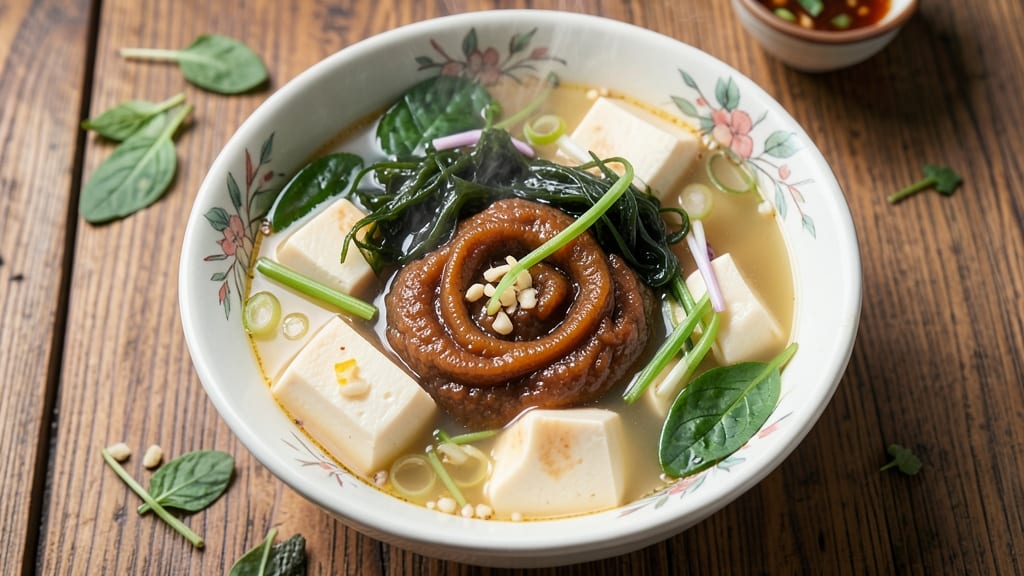
This Asian miso soup recipe delivers the perfect balance of umami depth and comforting simplicity—silky broth infused with fermented miso paste, tender tofu, and delicate greens. The secret lies in dissolving the miso gently to preserve its complex flavors while building a rich, aromatic base.
I’ve refined this recipe over years to ensure every spoonful is both restaurant-quality and effortlessly homemade, whether you use traditional dashi or a vegetarian alternative.
The beauty of miso soup is its adaptability—this version highlights classic ingredients like silken tofu, wakame seaweed, and green onions, but you can easily customize it with mushrooms, corn, or even a soft-boiled egg.
The broth starts with a simple stock base, then transforms through the magic of miso paste, which adds layers of savory sweetness without overpowering the other flavors. For a vegetarian option, simply swap dashi for a hearty vegetable broth.
What makes this recipe truly special is the texture: a velvety broth that clings to every ingredient, creating a harmonious blend of silky tofu, chewy seaweed, and fresh greens.
The miso dissolves completely, infusing the broth with its signature umami richness while keeping the soup light enough to enjoy in any season. Each sip is a reminder of why this dish has been a staple in Asian households for centuries.
Ready in just 20 minutes, this miso soup is perfect for a quick lunch, a light dinner, or even a comforting side dish. The best part? It reheats beautifully, making it ideal for meal prep.
Whether you’re following tradition or experimenting with modern twists, this recipe delivers the soul-soothing warmth of a perfectly balanced bowl of miso soup.
Ingredients for asian miso soup
Silky broth, fermented umami, and delicate greens—this is your miso soup essentials list.
| Ingredient | Amount | Notes |
|---|---|---|
| White Miso Paste 🧂 | 2 tbsp | Fermented, high-quality preferred |
| Vegetable Dashi Stock 💧 | 4 cups | Homemade or quality store-bought |
| Silken Tofu 🍲 | 1 block | Firm, drained, cubed |
| Dried Wakame Seaweed 🍃 | 1 oz | Rehydrated in water first |
| Green Onions 🧅 | 3 whole | Thinly sliced, white and green parts |
| Fresh Spinach 🌿 | 1 cup | Packed, roughly chopped |
| Sesame Oil 🫒 | 1 tsp | Toasted, for finishing |
| Toasted Sesame Seeds 🌰 | 1 tsp | For garnish |
| Rice Vinegar 🍶 | 1 tbsp | White or seasoned |
| Diamond Crystal Kosher Salt 🧂 | ½ tsp | Adjust to taste |
| Fresh Ginger 🧅 | 1 inch | Thinly sliced, peeled |
| Garlic Cloves 🧄 | 2 cloves | Minced, for dashi |
The miso paste is the soul of this soup—look for white miso at Asian markets or the international aisle of Whole Foods or Trader Joe's. Fermented for months, the deeper the color, the richer the flavor. If you can't find white, red miso works too but expect a bolder, saltier taste. For the dashi, homemade kombu and bonito-free version elevates everything, but Pacific Foods or Hain brands are solid shortcuts. The tofu? Silken blocks from Nasoya or House Foods stay firm when cubed—avoid the pre-cubed kind, it gets mushy.
No silken tofu? Extra-firm tofu pressed for 15 minutes holds up surprisingly well. Wakame seaweed not available? Dried kombu strips steeped in hot water make a decent substitute (just reduce the amount by half). Fresh ginger and garlic are non-negotiable for the dashi—pre-minced jars work in a pinch, but fresh tastes like heaven. The spinach can be swapped for baby bok choy or napa cabbage if you're feeling adventurous. And if you're using red miso, cut the amount to 1.5 tbsp—it's stronger stuff.
Miso paste keeps in the fridge for up to 6 months once opened, but the dashi stock should be used within 5 days for peak flavor. Store the tofu in its water in the fridge—it'll last 5-7 days. For meal prep, assemble the soup without the spinach (add it fresh when serving) and reheat gently. The broth gets even more flavorful after 24 hours—perfect for leftovers. Garnish with sesame seeds right before serving, or they'll get soggy.
Why You'll Love This Recipe
- Five-Ingredient Magic: I swear by this—just miso, dashi, tofu, wakame, and green onions. That’s it. The umami from the white miso paste explodes when it hits the warm broth, and the wakame soaks up just enough to turn it tender without fuss.
- Silken Tofu Trick: Here’s what sold me—the way that silken tofu melts into the soup, adding this silky, almost custardy texture. No chopping, no draining, just cube and drop. (Yes, even on a Tuesday night when I’m exhausted.)
- Meal Prep MVP: This is my go-to for lunches—make a big batch on Sunday, and it stays fresh for days. The dashi keeps it vibrant, and the wakame actually improves overnight. Pack it cold or reheat; either way, it’s a win.
- Budget Warmth: A single tub of miso and a bag of dried wakame stretch across multiple bowls. Honestly, I’ve made this for under $1.50 per serving, and it still feels like a restaurant-worthy bowl. That crisp green onion garnish? The only splurge I allow myself.
Step-by-step instructions for Asian miso soup with silken tofu and greens
This umami-rich miso soup comes together in minutes but delivers restaurant-quality depth every time.
Rehydrate the Wakame and Prepare the Dashi Base
Place the 1 oz dried wakame seaweed in a small bowl and cover with ½ cup hot water from the kettle. Let it soak for 5 minutes until softened and expanded—you'll see it triple in size. Meanwhile, in a medium saucepan, combine the 4 cups vegetable dashi stock, 2 cloves minced garlic, and 1 inch thinly sliced fresh ginger. Bring to a gentle simmer over medium heat until small bubbles form around the edges.
Simmer the dashi for 3 minutes to infuse the garlic and ginger flavors without letting them turn bitter. The broth should smell aromatic and slightly sweet—this is where the soup's foundation builds. Keep the heat at a bare simmer; you want gentle heat to preserve the delicate flavors of the stock.
Dissolve the Miso Paste for Maximum Umami
Reduce the heat to low and remove the pan from the heat for 1 minute to let the broth cool slightly. This cooling step is critical—adding miso to boiling broth destroys its delicate enzymes and creates a bitter, unbalanced flavor. Using a ladle, gently stir in the 2 tbsp white miso paste, dissolving it completely into the broth.
Return the pan to low heat and let the soup warm through for 2 minutes, stirring occasionally. You'll notice the broth develop a rich, golden hue and deep umami aroma. The miso should be fully incorporated with no visible paste—this ensures smooth texture and balanced flavor. If you see any undissolved bits, whisk vigorously for another 30 seconds to break them down.
Add Tofu and Wakame for Silky Texture
Drain the rehydrated wakame and add it to the soup along with the 1 block silken tofu, cut into ½-inch cubes. Return the soup to a gentle simmer and cook for 3 minutes, being careful not to let it boil vigorously. The tofu should begin to warm through but remain intact—silken tofu cooks quickly and can turn rubbery if overcooked.
Taste the broth at this stage and adjust seasoning with the 0.5 tsp diamond crystal kosher salt if needed. The soup should have a deep, savory flavor with just a hint of saltiness. The wakame will add a subtle oceanic sweetness that balances the umami perfectly. Keep the soup at a gentle simmer—you're just warming the ingredients, not cooking them.
Finish with Greens and Bright Flavors
Add the 1 cup roughly chopped fresh spinach and 3 whole thinly sliced green onions (white and green parts separated). Cook for 1 minute until the spinach wilts completely. Remove the pan from heat immediately—overcooking the greens will make them bitter. The spinach should be vibrant green with just a hint of tenderness, while the white parts of the green onions will soften slightly but retain their crunch.
Stir in the 1 tbsp rice vinegar and 1 tsp sesame oil, then divide the soup among 4 bowls. The vinegar adds a bright acidity that cuts through the richness, while the sesame oil carries the aromatic notes to the surface. Each bowl should have a perfect balance of silky tofu, tender greens, and delicate seaweed strands.
Garnish and Serve Immediately
Drizzle each serving with a few drops of sesame oil and sprinkle generously with 1 tsp toasted sesame seeds. The seeds add a nutty crunch that contrasts beautifully with the silky broth. Serve immediately while the soup is steaming hot—this miso soup is best enjoyed fresh from the pot when all the flavors are at their peak.
Every spoonful should deliver layers of umami from the miso, subtle sweetness from the wakame, freshness from the spinach, and brightness from the vinegar. The tofu remains tender and creamy, while the green onions add a satisfying crunch. This is comfort food at its finest—simple ingredients transformed into something truly special through proper technique.
Pro Tips For Making Asian Miso Soup
- Dissolve Miso Last: I learned this the hard way—adding miso paste to boiling stock kills its delicate flavor. Instead, stir in the paste when the liquid is just off the boil (around 180°F/82°C), then simmer for 2-3 minutes. This keeps the umami deep and the soup smooth, not bitter.
- Rehydrate Wakame Properly: Dried wakame soaks up water like a sponge—if you skip this, it’ll turn to mush. Place it in cold water for 5-7 minutes before adding to the pot. Then drain and rinse just before using; excess moisture dilutes the broth.
- Cube Tofu, Not Slice: Silken tofu falls apart when sliced thin. Cut it into ½-inch cubes so they hold shape in the hot broth. If you’re lazy, freeze the tofu for 20 minutes first—it’ll firm up and stay intact.
- Balance Heat First: Miso soup can swing from bland to overpowering fast. Taste the broth before adding miso—if it’s too mild, use a pinch of salt or a splash of soy sauce. If it’s too strong, thin it with a little extra dashi. Adjusting early saves you from overcorrecting later.
Health benefits of asian miso soup
Probiotic Powerhouse
Fermented miso paste is a natural probiotic, teeming with beneficial bacteria that support gut health and digestion. Just 2 tablespoons of miso contains live cultures that help maintain a healthy gut microbiome—similar to yogurt but with a deeper umami profile.
Regular consumption may reduce bloating and improve nutrient absorption, making this soup a gut-friendly choice. 💪
Rich in Umami
The miso paste delivers a concentrated dose of glutamates, the compounds responsible for that irresistible savory depth. These amino acids trigger flavor receptors in your mouth, creating a satisfying taste experience without needing extra salt.
Studies show umami-rich foods like miso can enhance overall meal satisfaction while keeping sodium levels balanced.
Plant-Based Protein
Silken tofu provides a complete plant-based protein source, with all nine essential amino acids your body needs. A 1-block serving delivers about 10 grams of protein, perfect for vegetarian diets.
The combination of tofu and miso creates a protein-packed meal that keeps you full while being light enough for any time of day.
Mineral Boost
This soup is packed with essential minerals: miso contains significant amounts of magnesium (supports muscle function) and copper (aids iron absorption), while wakame seaweed adds iodine (critical for thyroid health) and calcium (bone strength). The spinach contributes iron and vitamin K, making each bowl a nutritional powerhouse.
Low-Calorie Comfort
At just 120-150 calories per serving, this soup delivers maximum flavor with minimal calories. The broth's gentle warmth provides comfort without heaviness, making it ideal for weight-conscious eaters or light meals. The fiber from spinach and wakame adds volume while supporting digestion—perfect for a satisfying yet balanced meal.
Antioxidant Benefits
Both miso and wakame contain powerful antioxidants like polyphenols and vitamin C, which help combat oxidative stress in your body. Regular consumption has been linked to reduced inflammation and improved cellular health.
The ginger in the dashi adds gingerol, a compound with anti-inflammatory properties that enhances the soup's health benefits. ✨
Nutrition facts
Frequently asked questions
Can I substitute miso paste with another umami ingredient?
While nothing replaces miso's depth, you can use 1 tbsp soy sauce or 1 tsp fish sauce (for non-vegetarian versions) plus ½ tsp white miso to mimic umami. For a vegetarian alternative, try 1 tbsp nutritional yeast mixed with ½ tsp salt—it won't be identical but adds savory notes. The key is balancing saltiness with acidity (like rice vinegar) to avoid flat flavor.
Why does my miso soup turn bitter or separate?
Bitter flavor usually means the miso was added to boiling broth—always dissolve it in warm (180°F) broth, never hotter. Separation happens if the broth cools too quickly after adding miso. Keep heat at low and stir constantly for 2 minutes to fully integrate the paste. For extra insurance, whisk miso with 2 tbsp broth first before adding to the pot.
How do I make this soup spicier or more flavorful?
For heat, add ½ tsp chili crisp or ¼ tsp red pepper flakes at the end. Boost umami by increasing miso to 2.5 tbsp or adding 1 tsp dried shiitake powder to the dashi. For depth, sauté 1 tsp garlic in sesame oil before adding broth, or stir in 1 tsp mirin when dissolving miso. Fresh herbs like cilantro or Thai basil also brighten the flavor profile.
Can I make this soup ahead of time?
Yes! Prepare the broth and miso base up to 2 days ahead, then store in the fridge. Reheat gently on low heat, adding ingredients (tofu, greens) fresh when serving. For best texture, hold off on adding spinach until reheating—it wilts too quickly when stored. The miso flavor actually improves overnight, developing deeper complexity. Just add a splash of water if the broth thickens too much.
What's the difference between white and red miso?
White miso is fermented for 3-6 months, resulting in a mild, sweet flavor with light color—perfect for delicate soups. Red miso ferments 1-2 years, creating a bold, salty, almost caramelized taste. For this recipe, use 1.5 tbsp red miso if substituting, but reduce salt in the broth. Red miso works better for heartier dishes or when you want a deeper, saltier punch.