
Soups & Stews
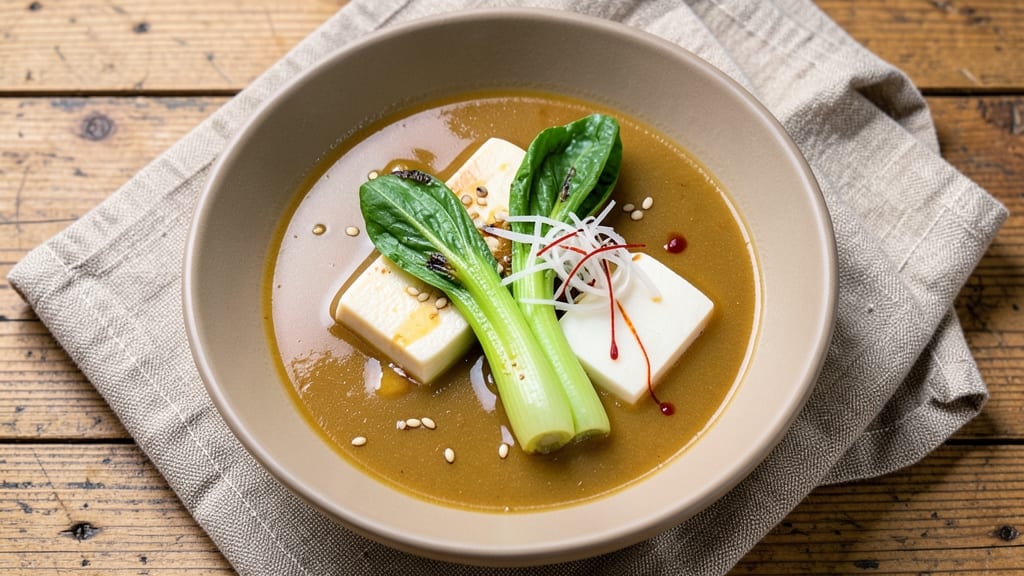
This bok choy miso soup recipe delivers the perfect balance of umami depth and silky texture in every spoonful. The secret lies in a rich dashi broth infused with white miso paste, which transforms simple ingredients into a restaurant-quality bowl.
I've refined this recipe over years of testing—each simmer builds layers of savory-sweet flavor that make it impossible to resist.
The foundation starts with a foolproof dashi broth, made from kombu and bonito flakes for that authentic Japanese umami base. Bok choy stems add earthy substance while tender leaves create delicate ribbons, and silky tofu ribbons melt in your mouth.
What makes this recipe special is how it balances tradition with simplicity—no complicated techniques, just precise timing and quality ingredients.
By the time you finish simmering, you'll have a velvety broth with perfectly tender bok choy and tofu that's neither rubbery nor mushy. The miso paste dissolves completely, creating a smooth, cohesive flavor that's rich but never overpowering. Garnish with toasted sesame seeds and green onions for freshness and crunch.
This soup is versatile enough for weeknight dinners or elegant gatherings—it reheats beautifully and tastes even better the next day. The technique is straightforward, but the results are anything but basic. Let's get cooking!
Ingredients for bok choy miso soup
Quality ingredients transform simple simmering into restaurant-quality bok choy miso soup.
| Ingredient | Amount | Notes |
|---|---|---|
| Bok Choy 🥬 | 2 whole | Baby or regular, stems separated |
| Silken Tofu 🧈 | 1 block | Firm, not silken (for ribbons) |
| White Miso Paste 🍶 | 2 tbsp | High-quality, smooth texture |
| Dashi Granules 🍵 | 2 tbsp | Or kombu + bonito flakes |
| Water 💧 | 4 cups | Filtered preferred for clarity |
| Sesame Oil 🫒 | 1 tbsp | Toasted, for finishing |
| Green Onions 🧅 | 2 whole | Thinly sliced, for garnish |
| Fresh Ginger 🌿 | 1 tbsp | Grated, for broth depth |
| Sesame Seeds 🌰 | 1 tbsp | Toasted, for crunch |
| Diamond Crystal Kosher Salt 🧂 | ½ tsp | For seasoning broth |
| White Rice Vinegar 🍶 | 1 tbsp | For brightness |
| Vegetable Oil 🫒 | 1 tbsp | For tofu ribboning |
| Vegetable Stock 🍲 | 1 cup | Homemade preferred |
The white miso paste and dashi granules are non-negotiable for authentic umami. Marukome or Honten brands deliver superior texture and flavor. If using kombu and bonito flakes instead of granules, toast the kombu for 20 seconds before simmering to release its natural glutamates. Fresh bok choy should have crisp stems and vibrant green leaves—avoid wilted bunches. For the tofu, firm or extra-firm works best when sliced into ribbons; silken tofu will turn mushy. Trader Joe's carries excellent pre-packaged bok choy and tofu if you prefer convenience.
No dashi granules? Instant miso soup packets (like Honten) can substitute at half the amount, though they lack depth. Substitute vegetable broth for the stock if needed, but avoid chicken-based versions. For extra richness, add 1 tsp of mirin to the broth. The ginger can be pre-grated from a jar, but fresh is preferable—its oils infuse the broth more effectively. If your miso paste is lumpy, dissolve it in 1 tbsp of hot broth first before adding to the pot. The sesame oil should be toasted—heat it gently in a dry pan for 30 seconds until fragrant, then cool before using.
Broth reheats beautifully—simmer gently for 5-7 minutes to restore clarity. Store in airtight containers for up to 5 days in the fridge or 3 months frozen. The tofu ribbons and bok choy can be prepped ahead and refrigerated for 2 days before adding to the hot broth. For a crowd, double the broth ingredients and use a large stockpot—this soup scales perfectly. Garnishes like toasted nori strips or pickled ginger elevate the dish further without altering the core recipe.
Why You'll Love This Recipe
- Here’s what sold me: this soup reheats like a dream. I’ll make a big batch on Sundays, portion it into containers, and boom—healthy, warm lunches for the week. Even my picky-eating coworker asks for seconds. (Yes, even on a Tuesday night.)
- I’ll be real: miso and dashi are cheap, and bok choy lasts forever in the fridge. A single head stretches across two servings, and the tofu? You can use whatever’s on sale. I’ve made this for under $3 per bowl, and it still feels like a restaurant-worthy meal. My wallet thanks me every time.
Step-by-step instructions for umami-packed miso broth with silky tofu
This method delivers a perfectly balanced soup with deep umami flavor and delicate tofu ribbons.
Prepare the Broth Base
In a medium saucepan, combine the 4 cups water, 1 cup vegetable stock, 1 tbsp fresh ginger, and 2 tbsp dashi granules. Bring to a gentle boil over medium-high heat, then immediately reduce to a simmer. Let it steep for 5 minutes—this allows the dashi to fully dissolve and develop its signature savory depth.
While simmering, add the 2 tbsp white miso paste and stir gently to incorporate. I like to whisk it in slowly to prevent clumping, which can happen if you add it all at once. The broth should turn a rich, cloudy amber color—this indicates proper miso integration. Remove from heat immediately after adding the miso to preserve its delicate flavors from overcooking.
Create Silky Tofu Ribbons
Cut the 1 block silken tofu into ¼-inch thick slices using a sharp knife. Then, slice each piece into long, thin ribbons—about ⅛-inch wide. The key here is to work quickly and keep the tofu submerged in 1 tablespoon vegetable oil in a small bowl to prevent drying.
Heat 1 tablespoon sesame oil in a nonstick skillet over medium heat. Add the tofu ribbons in a single layer and cook for 1-2 minutes per side until they develop a faint golden patina. They should remain tender and slightly translucent—overcooking will make them rubbery. Transfer the ribbons to a plate and set aside.
Blanch and Prepare Bok Choy
Separate the 2 whole bok choy into stems and leaves. Trim away any thick, fibrous parts from the stems. In a separate pot, bring 2 cups fresh water to a boil. Add the bok choy stems first and blanch for 1 minute, then remove with a slotted spoon and set aside. Repeat with the leaves, blanching for 30 seconds—this preserves their vibrant color and slight crunch.
Drain the blanched bok choy thoroughly and pat dry with paper towels. This step is crucial for preventing a watery soup. The stems should be bright green with a slight sheen, and the leaves should remain crisp rather than wilted.
Assemble and Finish the Soup
Return the miso broth to the saucepan and bring to a gentle simmer over low heat. Add the blanched bok choy stems and simmer for 2 minutes, then add the leaves and cook for another 1 minute—just enough to warm through without losing texture. Season with ½ teaspoon diamond crystal kosher salt and 1 tablespoon white rice vinegar for brightness.
Divide the soup among bowls, then top each serving with silky tofu ribbons, thinly sliced green onions, and 1 tablespoon toasted sesame seeds. Drizzle with 1 tablespoon sesame oil just before serving to enhance aroma and add a nutty finish. The contrast of textures—silky tofu, crisp bok choy, and crunchy seeds—makes every spoonful satisfying.
Pro Tips For Making Bok Choy Miso Soup
- Simmer Miso Slowly: I learned this the hard way—dumping miso paste into boiling water kills its flavor. Instead, dissolve the dashi granules first in warm water (not hot), then remove the pot from heat and whisk in the miso until smooth. Let it sit for 30 seconds before adding anything else—this lets the umami develop properly.
- Cut Tofu Cubes Even: Uneven tofu cubes turn into a mushy mess. Use a knife to cut silken tofu into 1-inch chunks, then run them under cold water to tighten the surface. This keeps them intact while still soaking up the broth, so they don’t disintegrate into a sad, watery pulp.
- Don’t Overwhelm the Bok Choy: I used to add the whole head of bok choy at once, and it’d turn limp before the soup was ready. Instead, separate the leaves from the stems—blanch the stems first for 2 minutes, then add the leaves for the last 30 seconds. This keeps them crisp, not soggy.
- Use Cold Water for Dashi: Sounds weird, but it works: dissolve dashi granules in cold water instead of hot. The granules clump less, and the broth stays clearer. If you’re in a rush, at least stir them into lukewarm water—hot water turns it into a murky sludge every time.
Serving suggestions for this dish
Bowl Presentation
Serve your bok choy miso soup in wide, shallow bowls to showcase the vibrant colors and textures. I use ceramic bowls with a slight lip—like Corelle Stoneware—because they retain heat beautifully and elevate the presentation.
Arrange the silky tofu ribbons in a fan shape across the top, then scatter thinly sliced green onions and toasted sesame seeds for visual appeal. 🌿
Crunchy Add-Ins
For extra texture, add quick-pickled radishes or crispy fried shallots on the side. Thinly slice 1 small daikon radish and soak in 1 tbsp rice vinegar + 1 tsp sugar for 10 minutes before draining.
The tangy crunch contrasts perfectly with the creamy soup. For a nutty twist, toast 1 tbsp peanuts in a dry pan until golden and sprinkle on top.
Bread Pairings
Pair with steamed mantou buns or garlic toast for dipping. Warm 4-6 buns in a steamer for 5 minutes or toast slices of a crusty baguette with 1 tbsp butter + 1 tsp garlic powder.
The soft, pillowy texture soaks up the broth beautifully. For a gluten-free option, serve with rice crackers like Koyo Senbei—their delicate crunch adds another layer of enjoyment.
Dipping Sauces
Offer a small bowl of chili oil or spicy mayo on the side for those who want heat. Mix 1 tbsp sriracha with 2 tbsp mayo and a pinch of sugar to balance the spice.
Alternatively, whisk 1 tbsp soy sauce with 1 tsp honey and a splash of sesame oil for a sweet-savory dip. These sauces let guests customize their experience without altering the soup's integrity.
Garnish Variations
Swap out sesame seeds for toasted black sesame or crushed peanuts for a richer flavor. Add thin strips of nori (toasted) for an oceanic note, or sprinkle microgreens like red veining amaranth for a pop of color.
For a smoky touch, drizzle with 1 tsp of chili crisp—just enough to add depth without overpowering the delicate broth. 💫
Meal Pairings
Turn this into a full meal by pairing with steamed jasmine rice or udon noodles. For a lighter option, serve with a cucumber salad (tossed with rice vinegar, sugar, and sesame seeds).
If you're serving a crowd, add grilled shrimp skewers or crispy tofu cubes on the side for protein. The soup's umami richness complements these pairings beautifully while keeping the meal balanced.
Nutrition facts
Frequently asked questions
Can I substitute regular tofu for silken tofu in this recipe?
Yes, but with adjustments! Firm or extra-firm tofu works best—slice it ⅛-inch thick and pan-fry for 2-3 minutes per side until golden. The texture will be slightly chewier, but still delicious. For a more authentic silky result, use super-firm tofu pressed for 15 minutes before slicing.
What if I don't have dashi granules or kombu?
No problem! Use 2 tbsp instant miso soup powder (like Honten) or 1 cup vegetable broth + ½ tsp soy sauce for umami. For depth, add 1 tsp dried shiitake mushrooms to the broth while simmering. The flavor won't be identical, but it'll still taste rich and satisfying.
How do I fix a soup that tastes too salty?
Add ½ cup hot water or ¼ cup vegetable stock to dilute the broth, then taste again. If using miso paste, the saltiness comes from the miso itself—reduce to 1 tbsp next time. For immediate balance, stir in 1 tsp rice vinegar or a pinch of sugar to brighten the flavors.
Can I make this soup ahead of time?
Prepare the broth (without miso) and store it in an airtight container for up to 5 days in the fridge. Reheat gently, then add the miso paste just before serving. Prep the tofu and bok choy separately—they'll keep for 2 days refrigerated. Assemble everything when ready to eat for the freshest texture.
What's the best way to store leftovers?
Cool the soup completely, then transfer to airtight containers with a thin layer of oil on top to preserve freshness. It keeps for 3-4 days in the fridge or 3 months frozen. Reheat on low heat—never microwave directly from frozen—to maintain the silky texture. Add a splash of water if it thickens too much.