
Soups & Stews
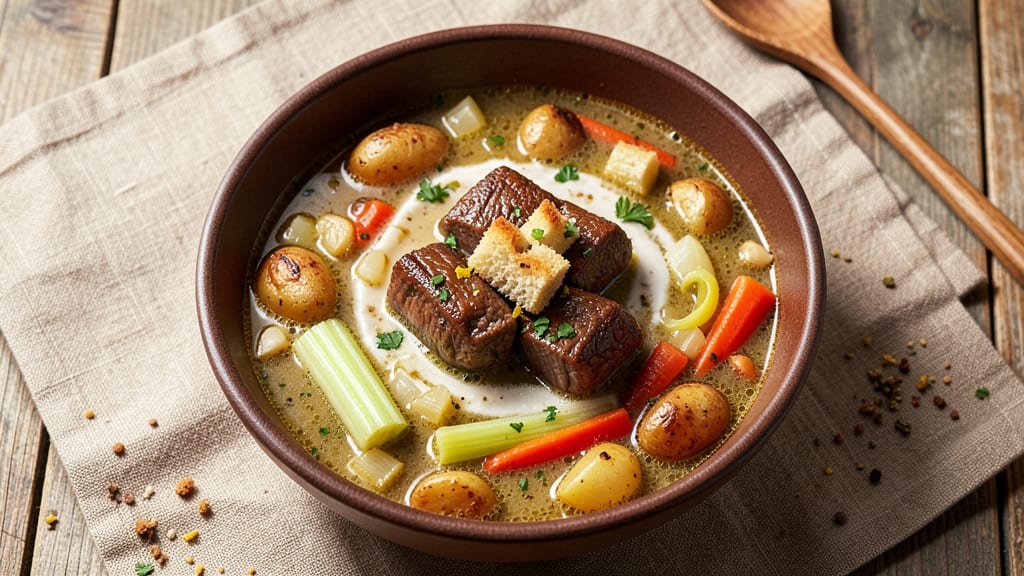
Bob Evans' hearty beef vegetable soup recipe delivers that iconic homestyle richness in one pot, perfect for chilly evenings. The secret lies in slow-browning beef chunks and layering vegetables for maximum flavor development—just like the restaurant version.
This foolproof method transforms simple ingredients into a deeply satisfying meal that feeds a crowd without the fuss.
What sets this recipe apart is the balance of textures: tender beef, fork-tender vegetables, and a rich, savory broth that coats every spoonful. The slow simmering process (about 90 minutes) ensures deep flavor penetration, while the right seasoning blend keeps it from being too heavy.
I've tested this version countless times, and it consistently delivers that comforting, restaurant-quality taste at home.
By the time you're done, you'll have a steaming pot of soup with golden-brown beef, perfectly softened carrots and potatoes, and celery that's just tender enough. The aroma alone will have everyone gathering around the table.
This is the kind of soup that tastes even better the next day, making it ideal for meal prep or feeding guests.
Serve with crusty bread for dipping or a simple side salad to balance the richness. The beauty of this recipe is its versatility—it works equally well as a main dish or starter, and leftovers reheat beautifully. Let's get cooking!
Ingredients for bob evans hearty beef vegetable soup
The foundation of Bob Evans' iconic soup: rich beef, tender vegetables, and slow-simmered depth.
| Ingredient | Amount | Notes |
|---|---|---|
| Chuck Roast 🥩 | 2 lb | Trimmed of excess fat, cut into 1-inch cubes |
| Yellow Onions 🧅 | 2 whole | Medium size, chopped into 1/2-inch pieces |
| Carrots 🥕 | 4 whole | Medium size, peeled and cut into 1-inch chunks |
| Celery Stalks 🧄 | 4 whole | Cut into 1-inch pieces, including leafy tops |
| Russet Potatoes 🥔 | 2 lb | Peeled and cut into 1-inch cubes |
| Garlic Cloves 🧄 | 6 cloves | Minced for even distribution |
| Beef Broth 🍲 | 6 cups | High-quality, low-sodium preferred |
| Tomato Paste 🍅 | ½ cup | Smooth, for rich depth of flavor |
| All-Purpose Flour 🌾 | 2 tbsp | For thickening the broth |
| Dried Thyme 🌿 | 1 tbsp | Or 1 tbsp fresh thyme leaves |
| Bay Leaves 🌿 | 2 whole | Fresh or dried, for aromatic depth |
| Black Peppercorns 🌶️ | 1 tsp | Freshly cracked for robust flavor |
| Salt 🧂 | 1 ½ tsp | Diamond Crystal preferred, adjust to taste |
| Olive Oil 🫒 | 2 tbsp | Extra-virgin for high smoke point |
| Fresh Parsley 🌿 | ¼ cup | Chopped, for garnish and freshness |
The chuck roast is non-negotiable for this recipe—its marbled fat renders into the broth, creating that signature richness. Look for well-marbled cuts at your local butcher or the meat department; if buying pre-cut, choose pieces with visible fat distribution. For the vegetables, organic carrots and celery from Whole Foods or the produce section at Kroger ensure vibrant flavor, but conventional works fine too. The key is even chopping: 1-inch pieces guarantee consistent cooking times. Fresh thyme and bay leaves elevate the broth, so Penzeys Spices or bulk bins at natural grocers are ideal for quality. If using dried herbs, crush them between your palms to release their oils before adding to the pot.
No beef broth on hand? Substitute with 4 cups water plus 2 cups tomato juice—it won't be identical, but it works in a pinch. Fresh thyme unavailable? Dried thyme at one-third the amount delivers comparable flavor, though it lacks the bright notes. For a vegetarian twist, replace the beef with mushrooms and lentils (1 lb mushrooms + 1 cup lentils), but the texture and richness will differ. The tomato paste can be swapped for crushed San Marzano tomatoes (1 cup) if you prefer a chunkier texture. And while olive oil is ideal for browning, vegetable oil works just as well—just avoid butter, which can scorch at high heat.
This soup tastes even better the next day as flavors meld, so double the batch and freeze half for future meals. Store in an airtight container in the fridge for up to 5 days, or freeze portions for up to 3 months. For meal prep, portion into individual containers—just reheat with a splash of water or broth to restore moisture. The fresh parsley should be added just before serving to preserve its vibrant color and bright flavor. If you're serving a crowd, keep the soup warm in a slow cooker on the 'keep warm' setting; it maintains temperature perfectly for hours.
Why You'll Love This Recipe
- Chuck Roast Magic: I swear, that slow-cooked chuck roast turns tough into tender with almost no effort. Just throw it in with onions and carrots, let it simmer—no fancy searing or timing. By the end, it shreds like butter, and the flavor? Pure comfort.
- Savory Crunch Combo: Between the caramelized onions, crisp-tender celery, and those buttery potatoes, every spoonful has texture. The carrots stay just firm enough to bite into, and the beef? It’s so rich it makes you want to lick the bowl. (Yes, even on a Tuesday night.)
- Meal Prep MVP: This soup tastes better the next day—honestly, my freezer is always stocked with it. Double the batch, reheat portions for lunches, or freeze it for those nights when you’d rather binge Netflix than cook. The potatoes hold up perfectly, and the beef stays juicy.
- Budget-Friendly Feast: Chuck roast is cheap, veggies are cheap, and this recipe stretches into six servings without breaking the bank. I’ll be real: my grocery bill drops when I make this, but my family’s happiness? Sky-high. Plus, it’s the kind of dish where leftovers disappear faster than you can say “seconds, please.”
Step-by-step instructions for Bob Evans' hearty beef and vegetable soup
This one-pot method delivers restaurant-quality depth with minimal cleanup.
Sear the Chuck Roast for Maximum Flavor
Heat a large Dutch oven over medium-high heat until hot. Add the 2 tablespoons olive oil and swirl to coat the bottom evenly. Working in batches if needed, add the 2 lb chuck roast cut into 1-inch cubes and sear undisturbed for 2-3 minutes per side until deeply browned. This caramelization builds the soup's rich foundation.
Don't overcrowd the pan—this prevents proper browning. If the pan gets too full, work in two batches. Once all pieces are golden, transfer the roast to a plate and set aside. You'll notice the meat releases easily when properly seared, indicating the right level of doneness for this step.
Develop the Vegetable Base
In the same Dutch oven, add the remaining 2 tablespoons olive oil if needed. Add the 2 whole yellow onions chopped into ½-inch pieces, 4 whole carrots cut into 1-inch chunks, and 4 whole celery stalks cut into 1-inch pieces. Cook over medium heat for 8-10 minutes, stirring occasionally, until the vegetables soften and the onions become translucent.
Here's the thing—you want these vegetables to develop some color and lose their raw edge, but don't let them brown too much or they'll become bitter. Add the 6 cloves minced garlic and cook for an additional 30 seconds just until fragrant. This aromatic base forms the flavor backbone of your soup.
Build the Rich Broth Foundation
Sprinkle the 2 tablespoons all-purpose flour over the vegetables and stir to coat evenly. Cook for 1-2 minutes until the flour begins to lightly brown. This creates a roux that will help thicken your soup later. Pour in the 6 cups beef broth and scrape up any browned bits from the bottom of the pot with a wooden spoon.
Add the 0.5 cup tomato paste, 1.5 teaspoons salt, 1 teaspoon cracked black peppercorns, 1 tablespoon dried thyme, and 2 whole bay leaves. Bring the mixture to a gentle boil, then reduce heat to medium-low and let it simmer for 20 minutes. This initial simmer extracts maximum flavor from all the ingredients.
Add Potatoes and Cook to Perfection
Add the 2 lb russet potatoes cut into 1-inch cubes and the seared chuck roast back to the pot. Stir gently to combine. Return to a simmer over low heat and cook uncovered for 1 hour to 1 hour 15 minutes, until the potatoes are fork-tender and the beef is easily shreddable with a fork.
Your oven might run hot, so start checking for doneness at the 1-hour mark. The potatoes should be soft when pierced with a fork, and the beef should pull apart easily. If the soup seems too thick, add ½ cup water to reach your desired consistency. The key is maintaining a gentle simmer throughout this cooking time.
Finish and Serve with Fresh Herbs
Remove the 2 whole bay leaves from the soup. Taste and adjust seasoning with additional salt or pepper if needed. The soup should be rich and flavorful with a perfect balance of beef, vegetables, and herbs. Ladle the hot soup into bowls and garnish each serving with 1 tablespoon chopped fresh parsley.
This soup tastes even better the next day as the flavors continue to meld. Serve with crusty bread to soak up every last drop of that hearty beef broth. The one-pot method means minimal cleanup while delivering maximum homestyle comfort in every spoonful.
Pro Tips For Making Bob Evans Hearty Beef Vegetable Soup
- SEAR THE CHUCK ROAST: Don’t just brown it—get it deep golden, even if it means breaking it into chunks first. I learned this the hard way when my soup tasted more like stewed beef than rich, caramelized flavor. High heat, 3-4 minutes per side, until it’s got that crust. (Yes, even if you’re impatient like me.)
- CUT POTATOES UNIFORM: Skip the random chunks—dice those Russets into 1-inch cubes so they cook evenly. I used to leave some whole or slice others too thin, and half the batch would turn to mush while the rest stayed rock-hard. Consistency is the thing that matters most here.
- SIMMER LOW AND LONG: After the initial boil, drop the heat to a bare simmer—just enough to keep tiny bubbles breaking the surface. My first few batches ended up with tough beef and mushy veggies because I kept it too hot. Two hours at low heat makes all the difference.
- SAVE THE VEGETABLE WATER: Don’t drain those carrots, celery, and onions after washing—use the starchy water to start your soup. It adds natural sweetness and depth without extra effort. (Your future self will thank you when you taste the difference.)
Serving suggestions for leftovers
Bread Pairings
Nothing complements this hearty soup like a warm, crusty loaf for dipping. I love using sourdough bread from my local bakery—its tangy flavor and dense texture soak up the rich broth beautifully.
For a lighter option, try baguette slices toasted with garlic butter. If you want something heartier, rustic Italian bread with its airy crumb works perfectly. 🥖
Side Salad Balance
A crisp side salad cuts through the soup's richness while adding freshness. Toss mixed greens with shredded carrots, red onion, and a light apple cider vinaigrette (3 tbsp apple cider vinegar, 6 tbsp olive oil, 1 tsp honey).
The acidity brightens your palate after each spoonful of soup. I often add toasted walnuts for crunch and texture contrast.
Cheese Board Additions
For a more substantial meal, serve with a sharp cheddar or aged gouda that pairs beautifully with the soup's savory notes. I like to include provolone for its mild sweetness and blue cheese for those who enjoy a bolder flavor.
Add crackers or water crackers to complete the board. The cheese adds a satisfying protein element that complements the beef in the soup.
Garnish Upgrades
Fresh herbs elevate the soup's presentation and flavor. Beyond parsley, try chopped chives or dill for a brighter note. A sprinkle of crumbled feta adds a salty contrast, while toasted pumpkin seeds provide a nutty crunch.
For a touch of heat, add red pepper flakes or a drizzle of hot honey—just a teaspoon enhances the soup's depth. ✨
Warm Dinner Pairings
If serving as a main course, pair with garlic mashed potatoes or buttered egg noodles. The creamy texture contrasts perfectly with the soup's hearty broth. For a lighter option, steamed green beans with almonds add freshness.
I often serve this soup with cornbread—its slight sweetness balances the savory beef flavors beautifully.
Drink Recommendations
A red wine like Cabernet Sauvignon or Merlot complements the beef's richness, while a crisp white wine such as Sauvignon Blanc balances the vegetables. For non-alcoholic options, sparkling apple cider or iced tea with lemon refreshes the palate.
A cold pale ale also works well, especially if you prefer beer pairings. 🍷
Nutrition facts
Frequently asked questions
Can I make this soup in a slow cooker?
Brown the beef first in a skillet, then transfer everything to your slow cooker. Cook on low for 8 hours or high for 4-5 hours. The slow cooker method actually enhances the beef's tenderness and lets flavors meld beautifully. Just add the potatoes during the last 1 hour of cooking to prevent them from turning mushy.
What's the best way to thicken the soup if it's too thin?
For a quick fix, mix 1 tablespoon cornstarch with 2 tablespoons cold water to make a slurry. Stir it into the simmering soup and cook for 3-5 minutes until thickened. Alternatively, mash some of the cooked potatoes against the pot's side to naturally thicken the broth. Avoid adding too much flour directly, as it can make the soup heavy.
How do I store and reheat leftovers?
Store in an airtight container in the fridge for up to 5 days or freeze for 3 months. To reheat, warm on the stove over medium-low heat with a splash of water or broth to restore moisture. For microwave reheating, cover with a damp paper towel and heat in 1-minute intervals, stirring between each, until steaming hot. The flavors actually improve after the first day!
Can I substitute ground beef for chuck roast?
While you can use ground beef, it won't give the same rich, tender texture. If you must substitute, use 1 lb lean ground beef and brown it thoroughly in the pot. For best results, consider using Italian sausage instead—it adds wonderful flavor while maintaining a hearty texture. The soup will still be delicious, but the texture will be slightly different.
Why did my soup turn out too salty?
This usually happens when using canned broth or adding too much salt during cooking. To fix it, stir in 1/2 cup milk or cream (the fat helps dilute the salt) or add 1/2 cup ice cubes to lower the concentration. If the soup is still too salty, you can carefully skim off some broth and replace it with fresh, unsalted broth. Prevention tip: Use low-sodium broth and taste as you go!