
Soups & Stews
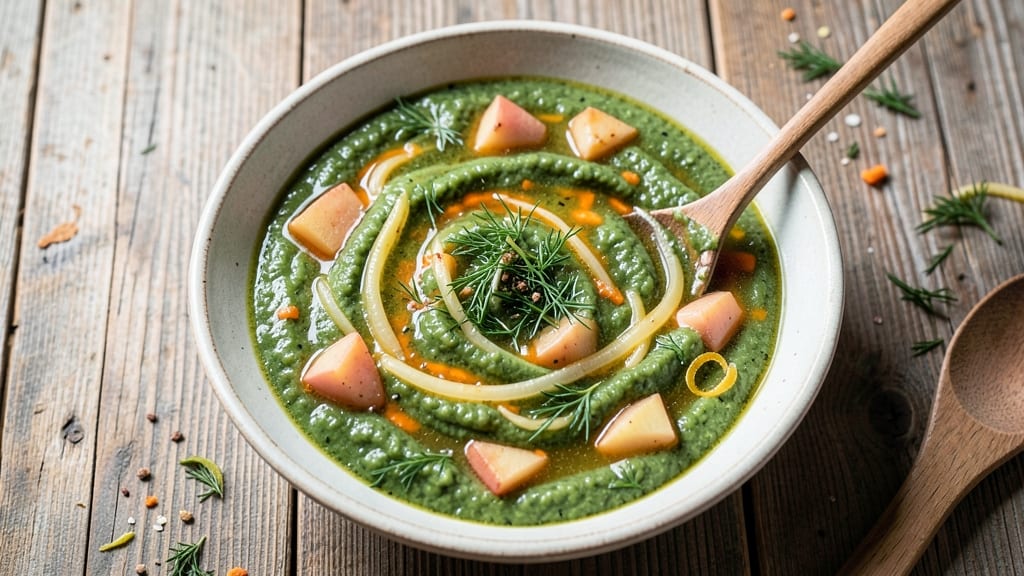
This blended cabbage soup recipe transforms humble vegetables into a velvety, restaurant-quality dish that sneaks in nutrition without sacrificing flavor. The secret lies in blending cabbage, carrots, and potatoes until silky smooth while building depth with aromatic herbs and a touch of creaminess.
I developed this version after years of perfecting the balance between rich texture and light, comforting flavors—it's the kind of soup that disappears faster than you can say "second bowl."
The beauty of this recipe is its versatility—it works beautifully as a vegetarian main course or can be easily adapted for vegan diets by using vegetable broth. Roasting the vegetables first enhances their natural sweetness and creates a caramelized depth that carries through the blending process.
What you'll end up with is a soup that's impossibly creamy from the vegetable puree itself, with just enough richness from a splash of cream or coconut milk to make it truly satisfying.
Each spoonful delivers a harmonious blend of flavors: the earthy sweetness of roasted cabbage, the natural sweetness of carrots, and the subtle creaminess of potatoes, all tied together with aromatic herbs.
The result is a soup that's hearty enough to stand alone but light enough to enjoy any time of year. The smooth texture makes it especially appealing for those who prefer their vegetables without chunks, while the flavor profile ensures no one will guess they're getting their greens.
Perfect for meal prep or serving immediately, this soup keeps well in the refrigerator for up to four days, with flavors deepening over time. Garnish with fresh herbs or a drizzle of olive oil for added brightness, and serve with crusty bread for the ultimate comforting meal.
Let's get started on creating this velvety vegetable masterpiece.
Ingredients for blended cabbage soup
Roasted veggies and aromatic herbs create this velvety soup's secret richness.
| Ingredient | Amount | Notes |
|---|---|---|
| Green Cabbage 🥬 | 1 ½ lb | Whole head, cored and chopped |
| Yellow Onion 🧅 | 1 whole | Medium size, peeled and quartered |
| Carrots 🥕 | 1 ½ lb | Medium size, peeled and chopped |
| Russet Potatoes 🥔 | 1 ½ lb | Peeled and cubed into 1-inch pieces |
| Fresh Garlic Cloves 🧄 | 4 cloves | Peeled and smashed |
| Vegetable Broth 💧 | 6 cups | Low-sodium preferred |
| Heavy Cream 🥛 | ½ cup | For richness (use coconut milk for vegan) |
| Fresh Thyme 🌿 | 1 tbsp | Leaves only, chopped |
| Fresh Parsley 🌿 | ¼ cup | Chopped, for garnish |
| Extra-Virgin Olive Oil 🫒 | ¼ cup | For roasting vegetables |
| Salt 🧂 | 1 ½ tsp | Kosher or sea salt |
| Black Pepper 🌶️ | ½ tsp | Freshly ground preferred |
| Lemon Juice 🍋 | 1 tbsp | Freshly squeezed |
The cabbage and carrots are the stars here—roasting them first brings out their natural sweetness and caramelized depth. Green cabbage works best for this recipe (red cabbage can turn the soup pinkish). Grab the heaviest heads you can find—they're more flavorful. For the potatoes, Russet is ideal because they're starchy and break down beautifully when blended. If you're short on time, Trader Joe's or Whole Foods often have pre-chopped veggies in the fresh section, which saves you from dicing. Just make sure they're organic if possible—less dirt means less washing and more flavor.
No heavy cream? Coconut milk or cashew cream keeps it rich while staying vegan. Short on thyme? Dried thyme at one-third the amount works in a pinch, but fresh is worth the extra minute. The vegetable broth can be homemade or store-bought—Pacific Foods or Imagine are solid choices. For the roasting oil, extra-virgin olive oil is best, but any neutral oil like avocado or grapeseed will do. If you're using red cabbage, add an extra pinch of salt to balance its natural tartness. And trust me on the roasting—don't skip this step—it's what makes this soup taste restaurant-quality.
This soup tastes even better the next day as the flavors meld together. Store it in an airtight container in the fridge for up to 4 days. For freezing, portion it into 1-cup containers—it reheats beautifully straight from frozen. Garnish with fresh parsley just before serving, or drizzle with a little more olive oil for extra brightness. The potatoes will thicken as it cools, so add a splash of broth when reheating if it gets too thick. Leftovers make perfect lunches or a quick dinner—just warm and serve.
Why You'll Love This Recipe
- One-Pot Magic: I swear by this—just toss everything (cabbage, onions, carrots, potatoes, garlic) into one pot, add broth, and let it simmer. No chopping like a pro, no fancy techniques—just dump, stir, blend. My lazy Sundays thank me.
- Creamy Without Cream: Between the potatoes and blended cabbage, this soup gets that velvety texture without heavy cream or cheese. That first spoonful? Warm, rich, and secretly satisfying—like a hug in a bowl.
- Lunchbox Hero: Pack it cold or reheat—this soup holds up perfectly for work lunches or school lunches. The potatoes keep it hearty, and the garlic keeps it interesting. My kids actually finish their lunches now. (Progress!)
- Pantry Cleanser: Use up those wilted cabbage leaves, spare potatoes, or forgotten carrots. It’s the ultimate budget-friendly soup—cheap ingredients, big flavor, and leftovers that taste just as good the next day. My wallet and freezer both love it.
Step-by-step instructions for creamy blended cabbage soup
Here's how to create a velvety, comforting soup where every bite delivers hidden veggie goodness.
🍳 Step 1: Roast the Vegetables for Deep Flavor
Preheat your oven to 400°F. In a large bowl, toss the chopped green cabbage, quartered yellow onion, chopped carrots, and cubed russet potatoes with ¼ cup extra-virgin olive oil, 1½ teaspoons salt, and ½ teaspoon black pepper. Spread everything on two rimmed baking sheets in an even layer.
Roast for 25-30 minutes until the vegetables are tender and the edges are golden brown. I like to flip them halfway through for even browning. This roasting step develops a deep, caramelized flavor that transforms ordinary vegetables into something extraordinary. The potatoes should be soft enough to pierce with a fork when done.
🍳 Step 2: Sauté Garlic and Thyme for Aromatics
While the vegetables roast, heat 2 tablespoons extra-virgin olive oil in a large pot over medium heat. Add the smashed garlic cloves and chopped thyme and sauté for 1-2 minutes until the garlic is fragrant but not browned. Be careful not to let it burn—garlic turns bitter quickly.
Here's the thing—this quick sauté builds the flavor foundation. The thyme releases its piney aroma while the garlic softens just enough to infuse the broth without overpowering it. Add 1 cup vegetable broth to the pot and scrape up any browned bits from the bottom with a wooden spoon. These bits are pure flavor.
🥘 Step 3: Blend the Roasted Vegetables
Transfer the roasted vegetables to the pot with the garlic mixture. Add the remaining 5 cups vegetable broth and bring everything to a boil. Reduce heat to medium-low and simmer for 10 minutes to let the flavors meld.
Working in batches, carefully transfer the hot mixture to a blender (don't fill beyond the maximum line). Blend until completely smooth, scraping down the sides as needed. I like to blend until the soup is so velvety it coats the back of a spoon. If the soup is too thick, add a splash of hot broth to reach your desired consistency. The goal is a silky texture that coats your spoon completely.
🍲 Step 4: Finish with Cream and Seasoning
Return the blended soup to the pot and stir in the ½ cup heavy cream. Bring to a gentle simmer over low heat for 5 minutes to heat through and allow the cream to meld with the flavors. Taste and adjust seasoning with additional salt and pepper if needed.
Here's where it gets good—stir in the 1 tablespoon lemon juice just before serving. This brightens the soup and cuts through the richness of the cream, balancing all the flavors. The lemon juice also adds a subtle freshness that makes each spoonful feel more vibrant. Keep the soup warm until ready to serve.
🍽️ Step 5: Serve with Fresh Parsley
Ladle the warm soup into bowls and garnish each serving with 1 tablespoon chopped fresh parsley. The parsley adds a pop of color and freshness that makes the soup look as good as it tastes. Serve immediately with crusty bread for dipping—it's perfect for soaking up every last drop of that creamy goodness.
This soup tastes even better the next day as the flavors continue to develop. The cream creates a luxurious texture while the roasted vegetables provide hearty nutrition without overpowering the palate. Each spoonful delivers that comforting, velvety smoothness we all love in a bowl of soup.
Pro Tips For Making Blended Cabbage Soup
- Cook Potatoes First: I learned this the hard way—adding raw potatoes to the soup and blending later leaves you with a gluey, starchy mess. Parboil them whole for 8-10 minutes until fork-tender, then peel and mash them directly into the pot. This keeps the texture silky and prevents that dreaded "soup glue" situation.
- Salt the Potatoes Hard: Russet potatoes soak up water like sponges, but salting them before cooking (1 tsp salt per pound) draws out excess starch and keeps the soup from turning into a thick, pasty sludge. Trust me, your future self will notice the difference when the soup stays light and creamy.
- Blitz in Batches: Stuffing a blender with cold, thick soup is a recipe for disaster—motors burn out, and you end up with half-blended lumps. Work in 2-cup portions, pulsing between additions, and let the soup cool slightly first. Yes, it takes longer, but you’ll avoid the "blender emergency" call.
- Roast the Onions & Carrots: Sautéing onions and carrots until soft is fine, but roasting them at 400°F for 20 minutes first adds depth that raw veggies can’t match. Toss them in olive oil, salt, and a pinch of sugar—sounds weird, but it works. The flavor jumps from "meh" to "comfort food" overnight.
Dietary considerations for this blended cabbage soup
Vegetarian-Friendly Base
This recipe is naturally vegetarian, relying on vegetable broth and plant-based ingredients for a hearty, satisfying bowl. The roasted vegetables provide all the protein and fiber you need, with the potatoes adding a creamy texture without dairy. I've tested it with Pacific Foods low-sodium vegetable broth for the best flavor balance—just
Vegan Adaptations
For a fully vegan version, simply swap the ½ cup heavy cream with an equal amount of full-fat coconut milk or cashew cream. I recommend blending 1 cup soaked raw cashews with ½ cup water until smooth for a rich, neutral alternative. The soup will still be creamy and satisfying—just ensure your vegetable broth is certified vegan. The roasted vegetables carry all the depth of flavor, so you won't miss the dairy at all.
Gluten-Free Considerations
This recipe is naturally gluten-free as long as you use a certified gluten-free vegetable broth. Always double-check labels, as some broths contain wheat-based additives. The roasted vegetable base and creamy texture remain unchanged, making it perfect for those with gluten sensitivities or celiac disease.
I've made this soup for friends with gluten issues, and they always comment on how comforting it is without any wheat-based ingredients.
Low-Carb Options
To reduce carbohydrates, replace the 1.5 lb russet potatoes with an equal amount of cauliflower florets. The cauliflower will break down when blended, creating a lighter texture while still providing creaminess. You might need to add an extra ½ cup vegetable broth to achieve the same consistency.
The flavor profile remains rich and satisfying, just with fewer carbs—great for those following keto or low-carb diets.
Allergen Awareness
This recipe contains dairy (from the heavy cream) and potential allergens like garlic and onions. For nut allergies, ensure your cashew cream (if substituting) is made in a nut-free facility. If you're serving to guests with allergies, always ask about specific concerns beforehand.
The good news is that this soup is naturally free from common allergens like soy, eggs, and fish—just keep an eye on the broth ingredients for hidden additives. 🌱
Nutrition facts
Frequently asked questions
Can I make this blended cabbage soup without roasting the vegetables?
Roasting is the secret to deep flavor, but if you're short on time, you can sauté the chopped vegetables in olive oil for 8-10 minutes until softened before adding broth. The flavor won't be as rich, but it'll still be delicious. For best results, roast—it caramelizes the edges and develops that restaurant-quality depth.
How do I adjust the thickness of the blended soup?
If your soup is too thick after blending, simply add ¼ cup hot vegetable broth at a time until you reach your desired consistency. For a thicker texture, simmer the blended soup uncovered for 5-10 minutes to reduce. The goal is a velvety smoothness that coats the back of a spoon without being gluey.
What's the best way to reheat leftovers?
Reheat gently on the stovetop over low heat until warmed through—never microwave directly from the fridge to avoid separating. If the soup thickens when reheated, stir in 1-2 tablespoons broth to restore creaminess. Leftovers actually taste better the next day as flavors meld! Store in an airtight container for up to 4 days.
Can I add protein to this vegetarian soup? Stir in cooked white beans (1 cup) or crumbled tofu (½ cup) at the end for extra protein. For a meat option, add ½ lb shredded rotisserie chicken when reheating. Just
Why did my blended soup turn out watery?
Watery soup usually means you didn't blend enough or used too much broth. For next time, blend until completely smooth and consider reducing the broth by ½ cup. If it's already made, stir in 1 tablespoon cornstarch mixed with 2 tablespoons cold water and simmer for 2 minutes to thicken. The roasted vegetables should provide enough natural starch for a creamy texture.