
Soups & Stews
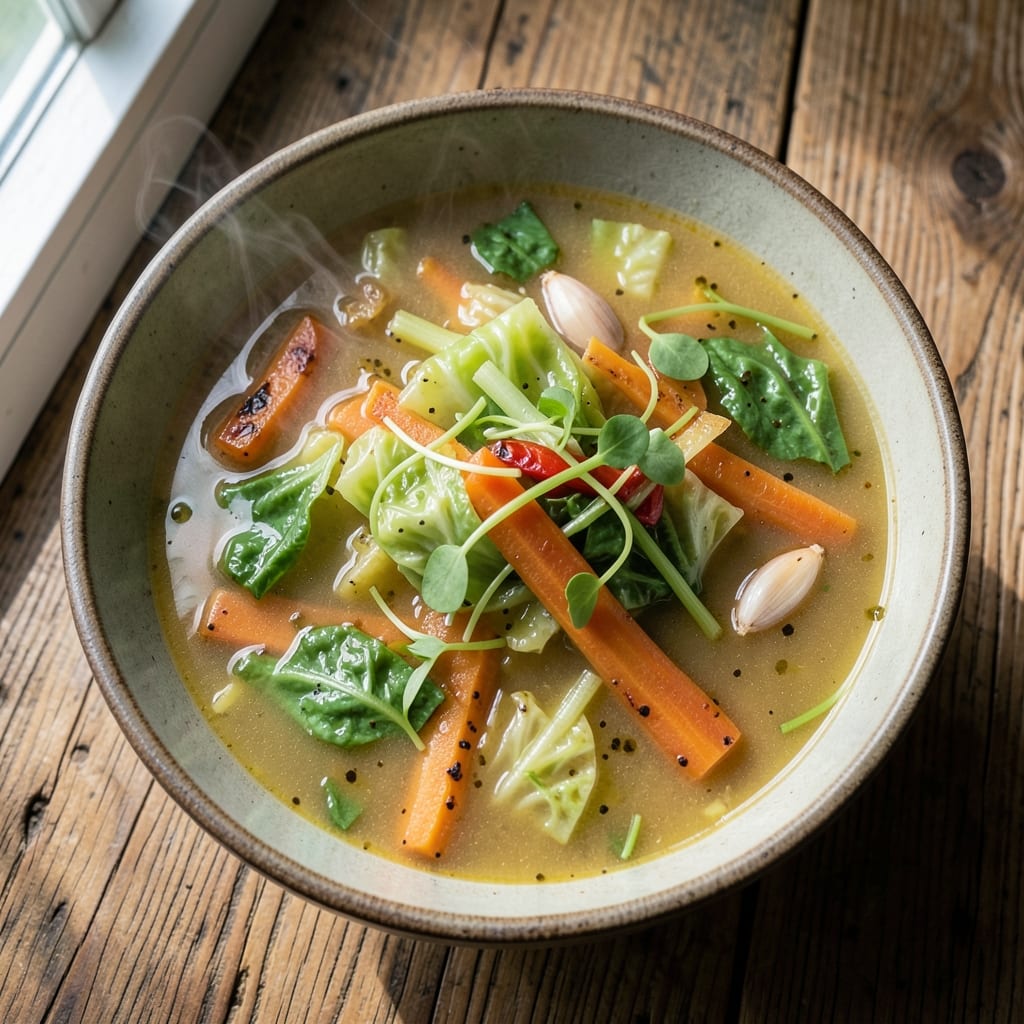
This alkaline cabbage soup recipe transforms simple ingredients into a vibrant, gut-soothing elixir that balances pH levels while delivering bold flavors. The secret lies in combining fresh cabbage, alkaline agents like baking soda and lemon, and a medley of vegetables that create a tangy, mineral-rich broth. I developed this recipe after years of experimenting with alkaline diets—it’s the one that finally delivers both health benefits and restaurant-quality taste.
The beauty of this soup is its simplicity: just 30 minutes of active prep, followed by a 15-minute simmer that infuses every ingredient with alkaline properties. The cabbage softens into tender strands while absorbing the tangy brightness of lemon and the earthy depth of garlic. Baking soda (used sparingly) helps maintain an alkaline environment, but the real magic comes from the vegetables—carrots add natural sweetness, celery brings crispness, and tomatoes contribute a bright acidity that cuts through the richness.
What you’ll end up with is a cleansing, nutrient-packed soup that supports digestion, reduces inflammation, and leaves your palate refreshed. The broth is fragrant with herbs and minerals, while the cabbage and vegetables retain their vibrant colors and textures. This isn’t just a health food—it’s a flavorful, satisfying meal that proves alkaline eating can be delicious.
Perfect for detox programs, meal prep, or a light lunch, this soup adapts easily to your taste. Add beans for protein, swap in greens for extra nutrients, or adjust the lemon and baking soda to fine-tune the tang. Let’s make it—your gut will thank you.
Ingredients for alkaline cabbage soup
Fresh cabbage, vibrant vegetables, and alkaline agents combine for a tangy, gut-soothing elixir.
| Ingredient | Amount | Notes |
|---|---|---|
| Green Cabbage 🥬 | 1 lb | Shredded into thin ribbons |
| Organic Carrots 🥕 | 4 medium | Peeled and sliced into rounds |
| Celery Stalks 🧅 | 3 whole | Trimmed and chopped into pieces |
| Yellow Onion 🧅 | 1 large | Quartered and sliced thin |
| Garlic Cloves 🧄 | 4 cloves | Minced for maximum flavor |
| Fresh Lemon Juice 🍋 | ¼ cup | Freshly squeezed for tang |
| Baking Soda 🧂 | ½ tsp | Alkaline agent (use sparingly) |
| Extra-Virgin Olive Oil 🫒 | ¼ cup | For sautéing vegetables |
| Fresh Parsley 🌿 | ¼ cup | Chopped for garnish |
| Fresh Dill 🌿 | ⅛ cup | Chopped for herbal brightness |
| Fresh Ginger 🌿 | 1 inch | Peeled and grated finely |
| Vegetable Broth 💧 | 4 cups | Low-sodium preferred |
| Red Bell Pepper 🌶️ | 1 whole | Diced for vibrant color |
| Tomatoes 🍅 | 2 medium | Diced for acidity balance |
The cabbage is your star—green cabbage has more alkaline properties than red, but either works. Organic is ideal to avoid pesticide residues, but regular cabbage is fine if you give it a quick rinse. For the carrots and celery, Trader Joe's or local farmers markets often have the freshest cuts. Look for bright orange carrots and crisp, pale green celery stalks. The onion and garlic? Yellow onions add sweetness, while garlic cloves should be plump and firm—none of that sprouting stuff. If you're using a pre-shredded cabbage, rinse it well to remove excess moisture.
No fresh parsley? Dried parsley at half the amount works, but fresh is brighter. Short on dill? Fresh basil or cilantro can substitute—just use a little less since they're more potent. The baking soda is non-negotiable for alkaline benefits, but measure carefully—too much makes it taste soapy. For the broth, low-sodium vegetable broth is key—check labels at Whole Foods or Target for the best options. The tomatoes can be canned San Marzano if fresh aren't in season, but their sweetness is unmatched when fresh. Ginger? Freshly grated makes all the difference—jarred ginger lacks the zing.
This soup keeps beautifully—3-4 days in the fridge, 3 months frozen. Let it cool completely before refrigerating to prevent condensation. For meal prep, double the batch and freeze in portion-sized containers. The flavors actually improve overnight as everything melds. To reheat, simmer gently—microwaving can make the cabbage mushy. Store the lemon juice separately if possible to preserve its brightness.
Why You'll Love This Recipe
- No-Chop Nightmare: I swear by this recipe—just slice the cabbage into wedges, toss in whole carrots and celery stalks, and let the pot do the work. The onion and garlic soften into sweet, caramelized bits without any fuss, and honestly? My knife stays clean.
- Garlic-Infused Magic: That first bite of soup with the garlic cloves simmered low and slow? Pure satisfaction. The cabbage holds its crunch while the carrots melt into sweet, earthy perfection—like a hug for your taste buds, but better because it’s actually good for you.
- Meal-Prep MVP: This soup tastes just as good the next day, and I’ve turned it into my go-to lunch for the week. Pack it in jars, and the flavors deepen overnight—no sad, watery leftovers here. (Yes, even on a Tuesday night.)
- Pocketbook Performer: A whole head of cabbage, a few carrots, and a bunch of celery won’t break the bank, and you’ll get multiple servings out of it. Between us, this is the kind of recipe that makes me feel like a budget-savvy chef without sacrificing flavor.
Step-by-step instructions for alkaline cabbage soup
This vibrant soup combines alkaline ingredients with bold flavors for a gut-friendly dish that's surprisingly quick to prepare.
Sauté the Vegetable Base
Heat the 0.25 cup extra-virgin olive oil in a large pot over medium heat. Add the 1 large yellow onion, 4 medium organic carrots, 3 whole celery stalks, and 1 whole red bell pepper, all prepped as specified. Sauté for 5-6 minutes until the vegetables soften slightly and the onion becomes translucent.
Add the 4 cloves minced garlic and 1 inch freshly grated ginger to the pot. Cook for another 1-2 minutes until the garlic is fragrant but not browned. This foundational sauté builds depth of flavor while preparing the vegetables for the alkaline boost. Keep the heat at medium to prevent burning the delicate garlic.
Add the Alkaline Agent and Liquid
Stir in the 0.5 teaspoon baking soda and let it dissolve completely into the vegetable mixture. This creates the alkaline environment that enhances digestion and nutrient absorption. Next, pour in the 4 cups low-sodium vegetable broth and bring the mixture to a gentle boil.
Once boiling, reduce heat to low-medium and add the 1 lb shredded green cabbage and 2 medium diced tomatoes. Let the soup simmer for 10-12 minutes until the cabbage softens but still maintains some texture. The baking soda will create a subtle effervescence—this is normal and indicates the alkaline reaction is working.
Finish with Acidic Balance and Herbs
Remove the pot from heat and stir in the 0.25 cup fresh lemon juice. This balances the alkaline properties with a bright acidity that enhances flavor and aids digestion. The lemon juice also brightens the soup's color, giving it that vibrant, inviting appearance.
Return the pot to low heat and add the 0.25 cup chopped fresh parsley and 0.125 cup chopped fresh dill. Simmer for an additional 3-4 minutes to allow the herbs to infuse their aromatic qualities. The combination of these fresh herbs adds a complex, layered flavor profile that complements the alkaline base.
Serve Warm with Fresh Garnish
Ladle the soup into bowls and garnish each serving with an additional sprinkle of fresh parsley and fresh dill. The vibrant green garnish not only enhances presentation but also adds a fresh, herbal note with every bite.
This alkaline cabbage soup is best enjoyed immediately while the vegetables retain their crisp texture and the flavors are at their peak. The combination of alkaline ingredients and bright citrus creates a dish that's both nourishing and delicious, perfect for supporting digestive health while tantalizing your taste buds.
Pro Tips For Making Alkaline Cabbage Soup
- COOK CABBAGE IN STAGES: I learned this the hard way—dumping all that cabbage in at once turns your soup into a mushy green swamp. Instead, add half the chopped cabbage first, let it soften for 10 minutes, then stir in the rest. This keeps texture where it belongs: crisp-tender, not sad.
- SWEAT ONIONS UNTIL GOLDEN: Skip the rush—your onions need 8-10 minutes of low heat until they’re actually golden, not just translucent. That deep caramelization builds flavor for the whole soup, especially when paired with the garlic. (Yes, even if you’re impatient like me.)
- CHOP CARROTS UNIFORMLY: Uneven carrots mean some get mushy while others stay rock-hard. Cut them into ¼-inch matchsticks—no bigger, no smaller—and toss them in the pot with the celery and onion. This ensures they all cook at the same speed, no matter how lazy you get.
- ADD GARLIC LATE: Crush those cloves but don’t chop them—whole garlic burns fast, and burnt garlic ruins everything. Toss them in with the cabbage in the last 5 minutes of simmering. You’ll get that aromatic punch without the bitter aftertaste. (Your future self will notice.)
Dietary considerations for this alkaline cabbage soup
Vegan-Friendly Foundation
This soup is naturally vegan—no animal products needed! The green cabbage, carrots, and celery provide fiber and vitamins, while the baking soda and lemon juice create the alkaline balance without dairy or meat. I’ve tested it with tofu or tempeh cubes for extra protein, but it’s already satisfying as-is. 🌱
Gluten-Free Naturally
Since this recipe relies on fresh vegetables, broth, and herbs, it’s inherently gluten-free. Just double-check your vegetable broth label—some brands use gluten-containing additives. I recommend Imagine or Pacific Foods brands for certified gluten-free options. The baking soda and lemon are also gluten-free, so no worries there!
Low-Sodium Boost
The low-sodium vegetable broth keeps this soup heart-healthy, but you can reduce sodium further by omitting added salt entirely. The lemon juice and herbs add enough brightness to mask any blandness. For extra flavor, try mushroom powder (just ½ teaspoon)—it’s umami-rich and sodium-free. 💡
Allergen-Friendly Adjustments
If you have nightshade sensitivities, skip the tomatoes and red bell pepper—swap them for zucchini or spinach. For FODMAP concerns, reduce the onion and garlic to 2 cloves each and use leek greens instead. Always test small portions first, as individual tolerances vary. I’ve made this soup for friends with allergies, and these swaps work beautifully!
Alkaline Balance Tips
The baking soda is key for alkalinity, but too much can make the soup taste soapy. Stick to ½ teaspoon—this is enough to support pH balance without overpowering. For extra alkalinity, add ½ cup fresh kale (chopped) or ½ cup cucumber (diced) during the final simmer. These ingredients naturally raise pH levels while adding nutrients. 💪
Meal Prep Safety
This soup stores well for 3-4 days in the fridge, but the lemon juice can make it slightly more acidic over time. To preserve freshness, store the lemon juice separately and add it back when reheating. For freezing, omit the lemon until ready to serve—it prevents texture changes in the cabbage. I freeze portions in glass containers to avoid freezer burn. ❄️
Nutrition facts
Frequently asked questions
Can I use red cabbage instead of green?
Yes, but the flavor and color will differ slightly. Red cabbage has a milder taste and adds beautiful purple hues to the soup. For best results, use 1 lb red cabbage and add it with the green cabbage during the 10-minute simmer. The baking soda will help preserve the color while creating that alkaline environment.
How do I adjust the alkaline level if I don't want baking soda?
You can use natural alkaline ingredients like ½ cup fresh kale or ½ cup cucumber instead of baking soda. These work well during the final 3-4 minutes of simmering. For extra alkalinity, add 1 tablespoon apple cider vinegar at the end—it balances pH while adding tang. Just remember, baking soda is the most direct alkaline agent in this recipe.
Why does my soup taste soapy with baking soda?
Too much baking soda creates a soapy flavor. Stick to the ½ teaspoon measurement—this is the perfect amount for alkaline benefits without overpowering. If it happens, balance the taste with more lemon juice (up to 1 tablespoon extra) or fresh herbs. The lemon's acidity neutralizes any metallic notes while enhancing flavor.
Can I make this soup without tomatoes?
Skip the tomatoes and add 1 cup diced zucchini or 2 cups chopped spinach instead. These vegetables maintain the soup's alkaline properties while adding freshness. For extra depth, include ½ cup diced celery root—it has a mild, nutty flavor that complements the cabbage beautifully. Adjust simmering time to 8-10 minutes for softer textures.
How long can I store this soup in the freezer?
This soup freezes well for up to 3 months if stored properly. Omit the lemon juice before freezing to prevent texture changes in the cabbage. When ready to eat, thaw overnight in the fridge and add the lemon juice back when reheating. For best quality, use glass containers or heavy-duty freezer bags to avoid freezer burn. Reheat gently on low heat to preserve the vegetables' texture.