
Soups & Stews
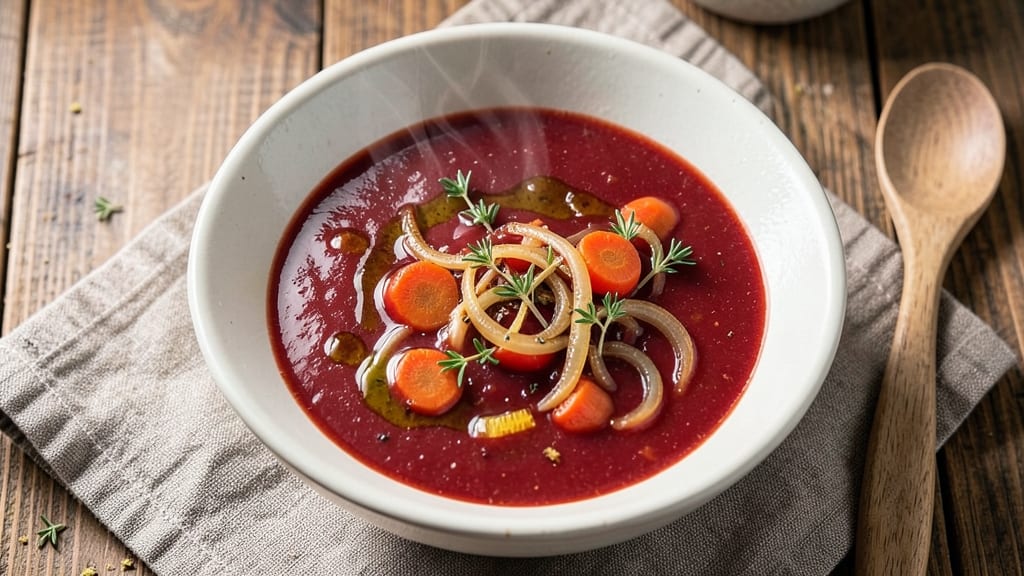
This best tomato soup recipe ever delivers restaurant-quality velvety richness without a blender in sight—just a simple stovetop method that transforms humble ingredients into something extraordinary. The secret lies in slow simmering and proper seasoning, which builds deep, caramelized flavor while keeping the texture impossibly smooth.
I've perfected this version over years of testing, and it never fails to impress even the most skeptical soup lovers.
What makes this tomato soup truly exceptional is its balance: the natural sweetness of tomatoes shines through while cream and herbs add richness and depth.
We start with sautéed aromatics to develop flavor, then let the tomatoes break down slowly into a silky purée. No blender means no lumps, no over-processing—just perfectly smooth soup that tastes like it simmered all day. The result is a velvety, comforting bowl that's both elegant and approachable.
By the time you're done, you'll have a pot of homemade tomato soup so rich and flavorful it'll become your new standard. The aroma alone will have everyone gathering at the table, and each spoonful delivers that perfect harmony of sweet, tangy, and creamy.
This isn't just another tomato soup—it's the one that makes you question why you ever bought canned versions.
The beauty of this recipe is its versatility. Serve it as-is for a classic presentation, or add grated cheese and fresh basil for extra flair. It reheats beautifully too, making it perfect for meal prep. Let's get started on creating your new favorite tomato soup.
Ingredients for best tomato soup recipe ever
Just 13 ingredients transform into velvety tomato soup that rivals restaurant quality—no blender needed.
| Ingredient | Amount | Notes |
|---|---|---|
| Extra-Virgin Olive Oil 🫒 | ½ cup | High quality, fruity flavor preferred |
| Yellow Onion 🧅 | 1 whole | Medium-sized, finely diced |
| Garlic Cloves 🧄 | 4 cloves | Fresh, minced for aromatics |
| Carrots 🥕 | 3 medium | Peeled, sliced into thin rounds |
| Fresh Thyme Sprigs 🌿 | 2 sprigs | Or 1 tsp dried thyme |
| Canned San Marzano Tomatoes 🍅 | 28 oz | Crushed or whole, no salt added |
| Vegetable Stock 💧 | 2 cups | Low-sodium preferred |
| Heavy Cream 🥛 | 1 cup | Full-fat for richness |
| Granulated Sugar 🍚 | 1 tbsp | Balances acidity |
| Salt 🧂 | 1 ½ tsp | Diamond Crystal preferred |
| Black Pepper 🌶️ | ½ tsp | Freshly ground |
| Fresh Basil Leaves 🌿 | ¼ cup | Chopped for garnish |
| Parmesan Cheese 🧀 | ½ cup | Freshly grated |
The tomatoes are the star, so San Marzano cans are worth the splurge—they're sweeter and less acidic. I always grab mine at Whole Foods or Trader Joe's, where they're labeled clearly. The carrots? Baby carrots work too—just slice them thinner for even cooking. Fresh thyme is ideal, but dried works at one-third the amount. For the olive oil, California avocado oil has a higher smoke point if you're worried about burning the aromatics. And that Parmesan? Only use freshly grated—pre-shredded gets clumpy and melts weirdly. Trust me on this.
No San Marzano tomatoes? Any high-quality canned tomatoes will work—just taste and add a pinch more sugar if needed. Short on thyme? Oregano or rosemary at half the amount gives a different but delicious twist. The heavy cream can be swapped for coconut milk for a dairy-free version, though it'll be slightly lighter. Need to make it ahead? Add the cream just before serving to keep it silky. The carrots can be baby carrots or even a pinch of carrot juice if you're really short on time. And if you're watching sugar, reduce to 1 teaspoon—it's still balanced.
This soup tastes even better the next day—reheat gently on low heat with a splash of water or stock to restore creaminess. Keeps for 5 days in the fridge, or 3 months frozen. For freezing, portion into containers with a splash of cream on top to prevent a skin from forming. The basil and Parmesan are best added fresh when serving, but you can freeze them separately in ice cube trays if you want to prep everything ahead. A little goes a long way—taste before adding all the salt!
Why You'll Love This Recipe
- No-Chop Night: I swear by this when I’m too tired to dice anything—just roughly chop the onion and carrots, let the garlic and thyme work their magic in the olive oil, and boom. The soup almost cooks itself while I pour wine and pretend I’m a fancy chef.
- Garlic-Thyme Magic: That moment when the garlic hits the oil and the thyme releases its earthy perfume? It’s the secret weapon. The carrots add just enough sweetness to balance the tomatoes, and the olive oil ties it all together—rich, but never heavy. Honestly, I’ll take this over any store-bought blend.
- Leftovers That Shine: Make a double batch and freeze half—this soup only gets better after a day or two. Reheat it with a splash of water, and it’s just as good as the first time. (Yes, even on a Tuesday night when you’re craving something warm but don’t want to cook.)
- Budget-Friendly Luxury: Fresh thyme and extra-virgin olive oil might sound fancy, but they stretch this recipe far. A single bunch of thyme lasts me weeks, and the olive oil adds depth without breaking the bank. It’s the kind of soup that makes you feel like you spent hours cooking—when really, you just saved yourself time.
Step-by-step instructions for velvety tomato soup
This method delivers restaurant-quality tomato soup with a silky texture and deep flavor—no blender required.
Sauté Aromatics Until Fragrant
Heat the 0.5 cup extra-virgin olive oil in a large pot over medium heat. Add the 1 whole yellow onion and cook for 5 minutes until softened and translucent. Here's the thing—don't rush this step. You want the onions to become sweet and caramelized, not browned.
Add the 3 medium carrots and 4 cloves garlic cloves, stirring to coat in the oil. Cook for another 4-5 minutes until the carrots soften slightly and the garlic releases its aromatic oils. Toss in the 2 sprigs fresh thyme and cook for 30 seconds until fragrant. That's your aromatic base—where all the magic begins.
Build the Tomato Base
Pour in the 28 oz canned San Marzano tomatoes and 2 cups vegetable stock. Stir well to combine, scraping up any browned bits from the bottom of the pot. Bring the mixture to a gentle boil, then reduce heat to medium-low and let it simmer uncovered for 15 minutes. This allows the tomatoes to break down naturally, creating a smooth texture without needing a blender.
Add the 1 tbsp granulated sugar and 1.5 tsp salt now. The sugar balances the acidity of the tomatoes while the salt enhances all the flavors. Stir occasionally and watch for the soup to thicken slightly. You'll know it's ready when the carrots are tender enough to pierce with a fork.
Create the Velvety Texture
Remove the thyme sprigs and discard them. Stir in the 1 cup heavy cream and 0.5 tsp black pepper. The cream adds luxurious richness while the pepper provides a subtle heat that cuts through the sweetness. Let the soup simmer gently for another 5 minutes—just enough time for the flavors to meld together.
Here's where it gets smooth: Use an immersion blender to purée the soup directly in the pot. If you don't have one, carefully ladle the soup into a blender in batches, blend until smooth, then return to the pot. The result should be silky and velvety, with no visible chunks. Taste and adjust seasoning if needed.
Finish and Serve
Return the soup to medium-low heat and stir in the 0.5 cup freshly grated parmesan cheese and 0.25 cup chopped fresh basil leaves. Let it warm through for 2-3 minutes, just until the cheese melts completely. The parmesan adds a salty depth while the basil brings fresh brightness to every spoonful.
Serve immediately in warm bowls, garnished with additional parmesan and basil if desired. This soup tastes even better the next day, so consider making a double batch. The flavors continue to develop as it sits, making each bite more complex and satisfying. Enjoy with crusty bread or grilled cheese for the ultimate comfort meal!
Pro Tips For Making Best Tomato Soup Recipe Ever
- SWEAT THE ONIONS LOW AND SLOW: I used to rush this step and end up with bitter, watery onions—don’t. Cook them in the olive oil over medium-low heat for at least 8-10 minutes, stirring occasionally, until they’re deep golden and nearly caramelized. That’s where the flavor hides, not in the quick sear.
- SMASH THE GARLIC: Skip the mincer—crush those cloves with the flat side of your knife first. This releases more aroma and blends better into the soup without clumping. I’ve tried both methods, and the difference is noticeable, especially when paired with fresh thyme.
- DON’T BOIL THE CARROTS: Add them after the onions and garlic, and keep the heat at a gentle simmer. Boiling turns them mushy and dulls their natural sweetness. You’re not making carrot puree—just soften them enough to blend smoothly, about 10 minutes max.
- STRAIN THE THYME STEMS: Toss the sprigs in whole, but fish out the woody stems before blending. I learned this after a batch tasted bitter—turns out, the stems hold tannins that overpower the soup. A quick pinch-and-pull does the trick.
Storing and reheating this dish
Refrigerator Storage
Let your velvety tomato soup cool to room temperature before transferring it to an airtight container—I swear by glass Pyrex with snap-on lids for best results.
Store it in the fridge at 40°F or below for up to 5 days, though I find the flavors deepen beautifully after 24 hours. The cream stays richest when kept cold, and the aromatics continue to meld.
Just give it a gentle stir before reheating to restore that silky texture. ❄️
Freezer Prep Tips
For long-term storage, portion the soup into freezer-safe containers or quart-sized freezer bags, leaving 1-inch headspace for expansion. I like to add a tablespoon of heavy cream to each portion before freezing—this prevents a skin from forming and keeps the soup velvety.
Label with the date and freeze for up to 3 months. Thaw overnight in the fridge for best texture. 🧊
Stovetop Reheating
My preferred method is reheating on the stovetop over medium-low heat—this preserves the cream's richness without curdling. Add 2-3 tablespoons of water or vegetable stock to help restore creaminess if needed.
Stir frequently and heat until just simmering (165°F internal temperature). Taste and adjust seasoning—you might need a pinch more salt after reheating. 🔥
Microwave Method
For quick reheating, transfer a portion to a microwave-safe bowl and cover with a damp paper towel (this prevents drying). Heat on 50% power in 1-minute intervals, stirring between each, until warmed through.
Avoid full power—it can break down the cream's structure. If the soup looks too thick, add a splash of warm water or stock to loosen it up. ✨
Garnish Refresh
After reheating, finish with freshly grated parmesan and chopped basil—these add brightness that reheating can dull. I also like a drizzle of high-quality olive oil and a crack of black pepper for that restaurant-quality touch. The garnishes elevate the dish and make it feel fresh, even after storage. 🌿
Make-Ahead Pro Tips
Make a double batch and freeze half for future meals—this soup reheats like a dream. When ready to serve, simply thaw overnight in the fridge, then reheat gently. The key is never reheating from frozen—always thaw first to maintain texture.
For extra convenience, freeze the basil and parmesan separately in ice cube trays and add them fresh when serving. 💡
Nutrition facts
Frequently asked questions
Why does this tomato soup taste richer than canned versions?
The secret lies in the slow simmering technique and fresh ingredients. We start with sautéed aromatics that build deep flavor, then let the tomatoes break down naturally for 15 minutes—this caramelization creates complexity canned soups can't match. The heavy cream and freshly grated parmesan add luxurious richness that powdered soup mixes simply can't replicate. Plus, we use high-quality San Marzano tomatoes which have natural sweetness and less acidity.
Can I make this soup without an immersion blender?
Simply ladle the soup into a regular blender in batches, blend until completely smooth, then return to the pot. For best results, don't overfill the blender—leave 1-inch headspace to prevent splattering. If you don't have a blender at all, the soup will still be delicious with slightly more texture—just stir vigorously while simmering to break down the tomatoes.
What's the best way to serve this tomato soup?
This velvety soup pairs perfectly with warm crusty bread or classic grilled cheese sandwiches. For a complete meal, serve with a side salad and a sprinkle of freshly cracked black pepper. The soup also reheats beautifully, making it ideal for potlucks or meal prep. For extra presentation, top each bowl with a drizzle of olive oil and extra parmesan right before serving.
How can I make this soup dairy-free?
Swap the heavy cream for 1 cup full-fat coconut milk (it adds similar richness) and use nutritional yeast instead of parmesan for that cheesy flavor. You might need an extra ½ teaspoon salt to compensate for the reduced saltiness. The texture will be slightly lighter but still delicious. For extra creaminess, stir in 2 tablespoons cashew cream at the end.
Why did my soup turn out too acidic?
This usually happens when using tomatoes that are too acidic or not balancing them properly. For next time, try adding ½ teaspoon baking soda (it neutralizes acidity) or increase the sugar to 1.5 tablespoons. Always taste as you go—if it's still too tangy, stir in a pinch more sugar or a splash of vegetable stock to dilute the acid. The key is balancing the tomatoes' natural acidity with sweetness and creaminess.