
Soups & Stews
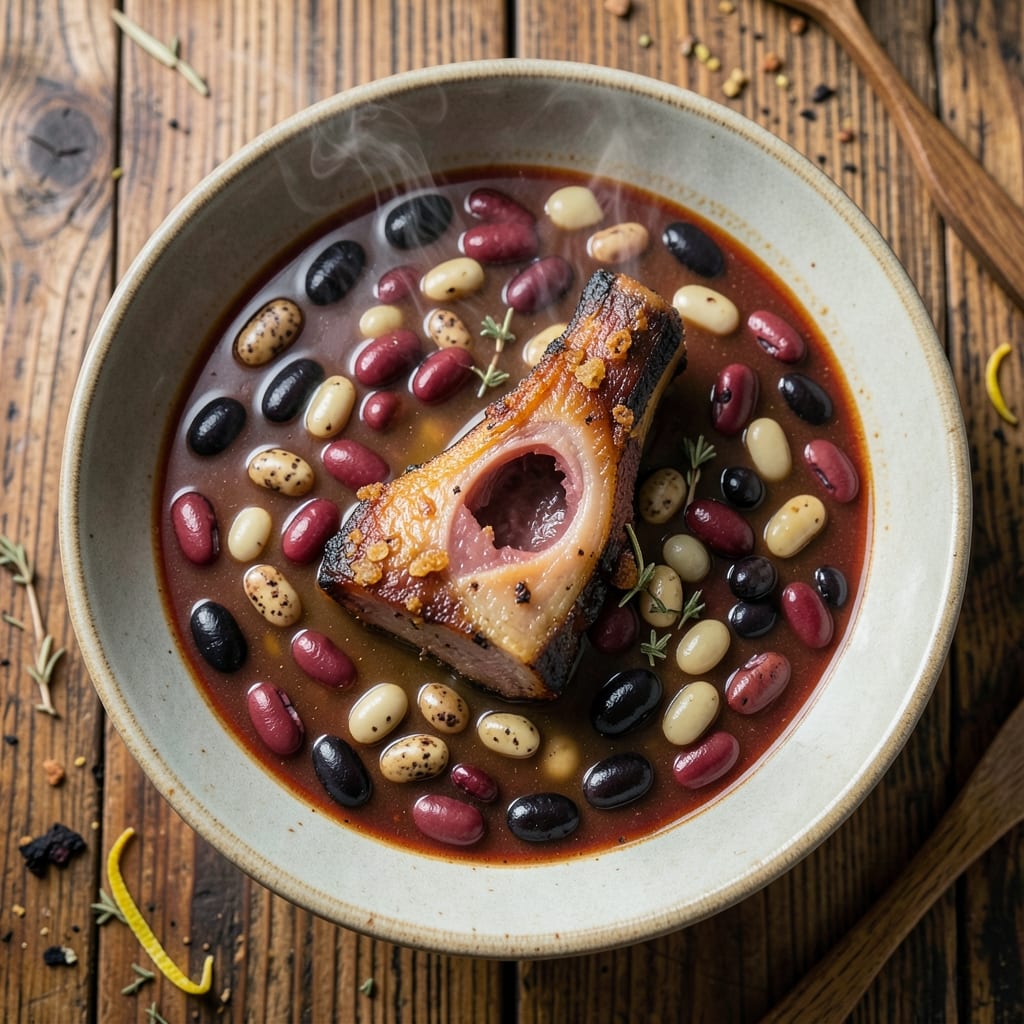
This 12 bean soup recipe with ham bone transforms humble pantry staples into a deeply flavorful, hearty stew that tastes like a hug in a bowl. The secret lies in the ham bone—its slow-simmered broth infuses the beans with rich, umami depth that no shortcut can replicate. I've perfected this recipe over years of testing, ensuring every spoonful delivers that perfect balance of earthy beans, savory meat, and aromatic herbs.
The beauty of this dish is in its simplicity: no fancy techniques required, just time and patience. You'll start by extracting flavor from the ham bone in a simmering broth for hours, then combine it with twelve different beans—each adding its own texture and subtle flavor. The result? A soup that's naturally thick, deeply satisfying, and packed with protein, making it ideal for meal prep or family gatherings.
By the time you're done, you'll have a pot of soup that's warm, aromatic, and impossible to resist—the kind that transforms a simple weeknight into a cozy feast. The beans soften just enough to melt in your mouth, while the ham bone contributes a richness that elevates every bite. This isn't just soup; it's a comforting, nourishing masterpiece that gets better with each passing day.
Serve it with crusty bread to soak up every last drop, or pair it with a simple green salad for balance. The leftovers? Even better the next day as the flavors continue to meld. Let's get started on creating this restaurant-quality dish at home.
Ingredients for 12 bean soup recipe with ham bone
The secret to this soul-warming soup lies in the ham bone and twelve different beans—simple ingredients that transform into restaurant-quality comfort.
| Ingredient | Amount | Notes |
|---|---|---|
| Ham Bone 🍖 | 1 whole | Smoked or unsmoked, 1.5-2 lbs |
| Dried Navy Beans 🌱 | 1 cup | Rinsed before soaking |
| Dried Kidney Beans 🌱 | ½ cup | Red or dark variety |
| Dried Great Northern Beans 🌱 | ½ cup | Substitute white beans |
| Dried Black Beans 🌱 | ½ cup | Rinsed before soaking |
| Dried Pinto Beans 🌱 | ½ cup | Soaked overnight |
| Dried Cannellini Beans 🌱 | ½ cup | For creamy texture |
| Dried Lima Beans 🌱 | ¼ cup | Butter or large variety |
| Dried Chickpeas 🌱 | ¼ cup | Rinsed before soaking |
| Dried Lentils 🌱 | ¼ cup | Green or brown |
| Dried Anasazi Beans 🌱 | ¼ cup | Rare variety, optional |
| Dried Fava Beans 🌱 | ¼ cup | Substitute broad beans |
| Dried Adzuki Beans 🌱 | ¼ cup | Sweet flavor profile |
| Yellow Onion 🧅 | 1 whole | Chopped, medium size |
| Carrot 🥕 | 2 whole | Chopped, medium size |
| Celery Stalks 🌿 | 3 whole | Chopped, medium size |
| Garlic Cloves 🧄 | 4 cloves | Minced, fresh preferred |
| Fresh Thyme 🌿 | ¼ cup | Leaves only, chopped |
| Fresh Bay Leaves 🌿 | 2 whole | Removed before serving |
| Tomato Paste 🍅 | ½ cup | Squeeze tube or can |
| Dried Oregano 🌿 | 1 tsp | Mexican or Mediterranean |
| Ground Black Pepper 🌶️ | 1 tsp | Freshly ground |
| Kosher Salt 🧂 | 2 tsp | Adjust to taste |
| Apple Cider Vinegar 🍎 | 1 tbsp | Brightens flavors |
| Olive Oil 🫒 | 2 tbsp | For sautéing |
The ham bone is non-negotiable—it's the soul of this soup. Look for a 1.5-2 lb bone at your butcher or grocery store's meat counter, preferably smoked for extra depth. If you can't find one, substitute a smoked ham hock—just remove it before serving. The beans? Buy them dry from the bulk section—they keep forever and you can mix your own variety. I usually grab mine from Whole Foods or Trader Joe's where they're pre-packaged by type, but the bulk bins save money. Pro tip: soak all beans overnight in plenty of water with a pinch of baking soda to reduce cooking time and gas.
No smoked ham bone? Use a regular ham bone with an extra tablespoon of liquid smoke—it makes a surprising difference. Running short on one bean type? Swap any white bean for cannellini or navy, or use black-eyed peas instead of adzuki. The tomato paste can be that little squeeze tube from Trader Joe's—it's perfect for small batches and lasts forever. Fresh thyme wilted? Dried works at one-third the amount. And if you're in a rush, use canned beans (drained and rinsed) but add them later so they don't turn mushy. The key is balance—each bean brings its own texture and flavor, so don't skip more than one or two types.
This soup tastes even better the next day as the flavors meld. Store it in the fridge for up to 5 days, or freeze portions for 3 months. I always make a double batch—one for dinner, one for lunches. The ham bone broth can be made ahead and frozen too, so you can just thaw and add the beans later. For serving, keep those bay leaves in while cooking but remove them before eating. The beans will soften perfectly if you simmer them on low heat—don't rush it. The longer they cook, the more flavor they absorb from that magical ham bone broth.
Why You'll Love This Recipe
- One-Pot Magic: I swear by this recipe because it’s all about that one-pot life. Toss in the dried beans (navy, kidney, black—they’re my pantry staples), crack open that ham bone for slow-simmered richness, and let the stock work its magic. No chopping, no fuss—just dump, simmer, and savor.
- Deep Umami Bomb: Between us, that ham bone is the MVP. It melts into the broth, giving the beans this unfairly good depth that store-bought bouillon can’t touch. The kidney beans add smoky bite, while the Great Northerns soak up the flavor like a sponge. Honestly, the first spoonful makes me pause mid-ladle.
- Leftovers That Beg: This soup improves overnight—yes, really. The flavors meld, the beans get tender, and the broth thickens just enough to feel hearty. I make a double batch on Sundays because by Wednesday, I’m begging for seconds, and it’s still the star of my lunch.
- Budget-Friendly Crowd-Pleaser: Dried beans are my secret weapon for stretching meals without breaking the bank. A single ham bone (often cheap at butchers) turns this into a filling, protein-packed dish that feeds six for under $10. Plus, it’s the kind of food that makes guests linger—no one leaves hungry.
Step-by-step instructions for hearty 12 bean soup with ham bone
Transform simple ingredients into a rich, flavor-packed soup where every spoonful delivers deep umami from the ham bone.
👨🍳 Step 1: Prepare the Beans for Maximum Flavor
Rinse all dried beans thoroughly under cold water to remove any debris. For the 1 cup dried navy beans, 0.5 cup dried pinto beans, 0.5 cup dried black beans, and 0.25 cup dried chickpeas, soak them overnight in a large bowl of water. This step is crucial—soaking reduces cooking time and prevents tough texture. The remaining beans (0.5 cup dried kidney beans, 0.5 cup dried great northern beans, 0.5 cup dried cannellini beans, 0.25 cup dried lima beans, 0.25 cup dried lentils, 0.25 cup dried anasazi beans, 0.25 cup dried fava beans, and 0.25 cup dried adzuki beans) can be added dry later—they'll soften as the soup simmers.
Drain and rinse the soaked beans before adding them to the pot. I like to give them a quick rinse under cold water one last time to remove any skin that might have loosened during soaking. This ensures a cleaner texture in your final soup.
🔥 Step 2: Build Deep Flavor with the Ham Bone and Aromatics
Place the 1 whole ham bone in a large Dutch oven or heavy pot. Add 2 tablespoons olive oil and set over medium-high heat. Once the oil shimmers, add the chopped 1 whole yellow onion, 2 whole carrots, and 3 whole celery stalks. Sauté for 8-10 minutes until the vegetables soften and the onion becomes translucent. This is where the magic starts—the vegetables release natural sugars that caramelize and form the foundation of your soup's flavor.
Add the minced 4 cloves garlic and cook for another 30 seconds until fragrant. Stir in the 0.5 cup tomato paste and cook for 2 minutes to deepen the color and intensify the umami. This step creates a rich, concentrated base that will infuse the entire soup.
🥘 Step 3: Combine Beans, Broth, and Seasonings
Pour in 12 cups water (or enough to cover the beans by 2 inches) and bring to a boil. Add the soaked beans, all remaining dry beans, 2 whole fresh bay leaves, 0.25 cup chopped fresh thyme, 1 tablespoon apple cider vinegar, 1 teaspoon dried oregano, 1 teaspoon ground black pepper, and 2 teaspoons kosher salt. Reduce heat to low and let it simmer gently for 1.5 hours, partially covered. Skim off any foam that rises to the surface during the first 30 minutes—this ensures a cleaner soup.
After 1.5 hours, check the beans for tenderness. Most should be soft, but a few might still need time. If the soup is too thin, reduce the heat further and let it simmer uncovered for another 30 minutes to thicken slightly. The ham bone should be falling apart easily at this point—this is when it releases its maximum flavor into the broth.
⏰ Step 4: Finish and Adjust for Perfect Balance
Remove the ham bone and discard it (or save for broths later). Strain the soup through a fine-mesh sieve to remove any remaining skins or herb stems. Return the soup to the pot and taste—this is where you make final adjustments. Add more kosher salt if needed (the beans absorb some of the seasoning), or a splash of apple cider vinegar if the soup tastes flat. The goal is a well-rounded flavor with bright acidity cutting through the richness.
Simmer for another 10 minutes to let the flavors meld. Serve hot, garnished with extra fresh thyme if desired. Each bowl should be hearty, with tender beans swimming in a deeply flavorful broth that carries the essence of the ham bone.
Pro Tips For Making 12 Bean Soup Recipe With Ham Bone
- CRUSH THE BEANS FIRST: Soak the beans overnight, then give them a quick pulse in a food processor—just enough to break them open. This isn’t about pureeing; it’s about speeding up the cooking time by 30-45 minutes. I learned this the hard way after staring at a pot of beans that refused to soften, even after hours.
- SIMMER LOW AND LONG: Once the beans are tender, drop the heat to a bare simmer—think tiny bubbles, not rolling. High heat after this stage turns the soup gluey, and you’ll end up with a mushy mess. My grandmother swore by this, and she was right: patience here means flavor that develops properly.
- SKIP THE SALT UNTIL LATER: Hold off on adding salt until the beans are fully cooked, or the outer layers will toughen up. The ham bone’s natural saltiness will flavor the broth early, but wait until the last hour to add extra. Trust me, your beans will thank you.
- ROAST THE HAM BONE FIRST: Before tossing it in the pot, roast the ham bone at 400°F for 20-25 minutes until the meat is slightly crispy and the bone glows. This step extracts deeper flavor into the broth and gives the soup a richer base. I was skeptical until I tried it—now it’s non-negotiable.
Troubleshooting this dish
Broth Too Weak?
If your soup lacks depth, the ham bone wasn't simmered long enough. Extend cooking time to at least 3 hours—this allows collagen to break down and release rich, gelatinous flavors. For extra umami, add 1-2 smoked paprika or ½ cup liquid smoke during the final 30 minutes of simmering. I've found that a second ham bone added midway through can work wonders for flavor. 💪
Beans Too Hard?
Undercooked beans are usually from insufficient simmering time. After the initial 1.5 hours, check for tenderness—if they're still firm, add 1 cup hot water and simmer uncovered for another 30-45 minutes. For stubborn beans, try adding ½ tsp baking soda to the pot (it softens skins naturally). I've also had success with a pressure cooker—beans cook in 45 minutes at high pressure, but watch closely to avoid mushiness.
Soup Too Thin?
Thin soup often means the beans released too much starch. Reduce heat to low and simmer uncovered for 20-30 minutes to evaporate excess liquid. For instant thickening, stir in 1-2 tbsp cornstarch mixed with 2 tbsp cold water until smooth. Alternatively, mash ½ cup of the cooked beans directly into the pot—their natural starch will thicken the broth beautifully. 🥄
Foam or Scum Issues
Excessive foam during cooking can make your soup look unappetizing. Skim it aggressively during the first 30 minutes of simmering, then reduce heat to low. Adding 1 tbsp apple cider vinegar at the start helps break down proteins that create foam. If you're using a slow cooker, cover with a soup lid (not the regular lid) to minimize foam buildup while still allowing steam to escape.
Off-Putting Odors?
Sulfur-like smells during cooking are normal (thanks to beans and ham), but if it's overpowering, add 1 extra bay leaf or ½ tsp fennel seeds to mask it. For a fresher finish, stir in 1 tbsp fresh lemon juice or 1 tsp dried parsley during the final 10 minutes of simmering. I always keep a small bowl of baking soda nearby—adding ½ tsp to the pot can neutralize odors instantly if needed.
Grainy Texture?
Gritty soup usually means beans weren't rinsed well or skins weren't removed. Before adding beans to the pot, rinse them thoroughly under cold water, then rub between your palms to loosen skins. After cooking, strain the soup through a fine-mesh sieve to catch any remaining debris. For extra smoothness, blend ½ cup of the soup and return it to the pot—this creates a silky base without losing texture. 💡
Nutrition facts
Frequently asked questions
Can I substitute the ham bone with something else?
If you can't find a ham bone, use a smoked ham hock (remove before serving) or add 2 tablespoons liquid smoke plus 1 extra bay leaf to mimic the depth. For a vegetarian version, use mushroom stems or soy sauce (2 tbsp) for umami, but the ham bone's richness is irreplaceable for that signature flavor.
How do I make this soup in a slow cooker?
Sauté the onion, carrot, celery, and garlic first, then transfer everything to your slow cooker. Add all ingredients except the apple cider vinegar (add it at the end). Cook on low for 8-10 hours or high for 4-5 hours. The long cook time enhances the ham bone's flavor. Stir in the vinegar and adjust seasoning before serving.
Can I use canned beans instead of dried?
Yes, but add them 30 minutes before serving to prevent mushiness. Drain and rinse well, then stir into the hot soup. You'll need about 3 cups total canned beans (drained) to match the dried bean quantity. For best texture, use a mix of white and dark beans.
Why does my soup smell funny while cooking?
Beans and ham naturally produce sulfur-like odors during cooking—this is normal! The smell fades as flavors develop. To minimize it, add 1 extra bay leaf or ½ tsp fennel seeds at the start. For fresher aromas, stir in 1 tbsp lemon juice during the final 10 minutes of simmering.
How long will leftovers keep?
Store in an airtight container in the fridge for 5 days or freeze for 3 months. The flavors actually improve overnight as the broth absorbs more bean essence. Reheat gently on low heat with a splash of water to restore thickness. Perfect for meal prep!