
Soups & Stews
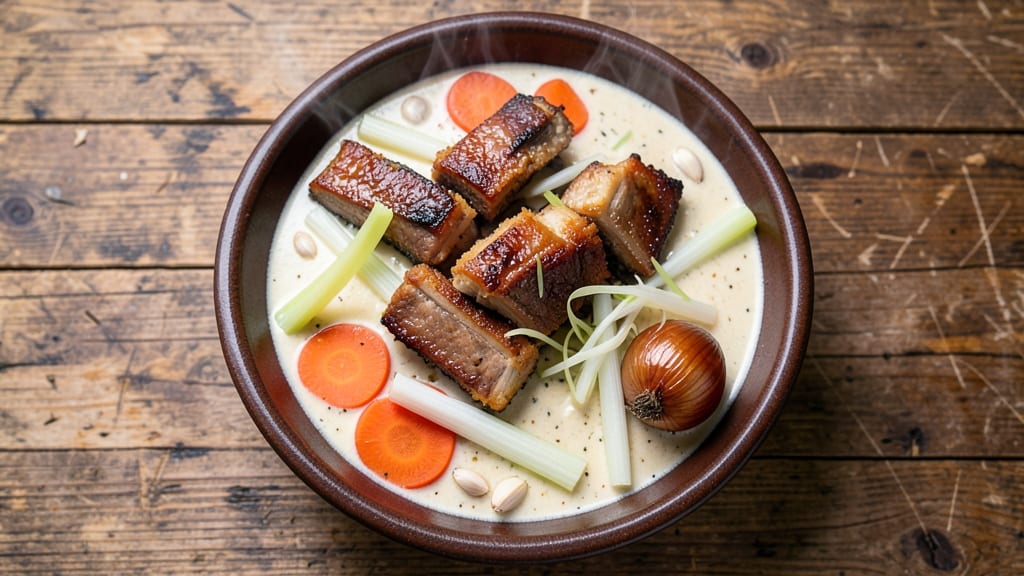
This beef short rib vegetable soup delivers restaurant-quality depth with tender meat and vibrant vegetables in every spoonful. The secret lies in slow-braising the ribs until they fall apart, creating a rich, umami-packed broth that transforms humble vegetables into something extraordinary.
I've perfected this technique over years of testing, ensuring the meat stays silky while the broth develops layers of complex flavor.
What sets this recipe apart is the balance of traditional braising methods with modern umami techniques. A touch of soy sauce and a splash of red wine deepen the broth's complexity, while aromatic vegetables like carrots, celery, and fennel build flavor as they simmer.
The ribs cook low and slow until they're fork-tender, then shred effortlessly into the broth.
By the time you serve this soup, you'll have a bowl of velvety ribbons of beef swimming in a golden, aromatic broth, surrounded by perfectly tender vegetables.
The aroma alone will have everyone gathering at the table, and the first spoonful delivers that perfect combination of rich, meaty satisfaction with bright vegetable notes.
The best part? This soup tastes even better the next day as the flavors continue to meld. Perfect for chilly evenings or as a comforting meal any time of year. Let's create this hearty, flavorful soup together.
Ingredients for beef short rib vegetable soup
Here's what transforms humble ingredients into restaurant-worthy beef short rib soup.
| Ingredient | Amount | Notes |
|---|---|---|
| Beef Short Ribs 🥩 | 3 lb | Bone-in, 1-1.5 inches thick |
| Yellow Onion 🧅 | 2 whole | Chopped into large chunks |
| Carrots 🥕 | 1 ½ lb | Baby or regular, cut into chunks |
| Celery Stalks 🧄 | 6 whole | Cut into 2-inch pieces |
| Fennel Bulb 🌿 | 1 whole | Trimmed, cut into chunks |
| Garlic Cloves 🧄 | 8 cloves | Smashed, not minced |
| Red Wine 🍷 | 1 cup | Bold, dry variety |
| Beef Broth 💧 | 4 cups | Homemade or high-quality |
| Soy Sauce 🍶 | 2 tbsp | For umami depth |
| Tomato Paste 🍅 | ½ cup | Smooth, not chunky |
| Fresh Thyme 🌿 | ¼ oz | Or 2 tbsp dried |
| Fresh Rosemary 🌿 | ¼ oz | Or 1 tbsp dried |
| Bay Leaves 🍃 | 2 whole | Remove before serving |
| Olive Oil 🫒 | ½ cup | Extra-virgin preferred |
| Salt 🧂 | 1 ½ tsp | Kosher or sea salt |
| Black Peppercorns 🌶️ | 1 tsp | Crushed, not ground |
The ribs are the star—look for marbled, bone-in cuts with good fat cap. Costco or local butchers often have the best selection. If you can't find short ribs, chuck roast cut into chunks works in a pinch, but it won't be as tender. The fennel adds that signature anise note that elevates this soup from ordinary. Trim the tough core before chopping—it's not edible. For the wine, any bold, dry red works here—Cab Sauv, Merlot, whatever's open. The beef broth? Homemade is ideal, but quality store-bought like Kitchen Basics or Pacific Foods won't disappoint.
No red wine? Beef broth with a splash of balsamic gets you close. Fresh thyme and rosemary are ideal but dried works at one-third the amount. The tomato paste can be from a squeeze tube if you're lazy—Trader Joe's has great ones that last forever. For the vegetables, baby carrots and celery hearts save chopping time. The fennel is non-negotiable though—it's what gives this soup its signature depth. If you absolutely can't find it, extra celery plus a pinch of anise seeds mimics it somewhat. The bay leaves? Tear them first—they infuse better that way.
This soup gets better overnight—make a double batch if you can. Keeps for 5 days in the fridge or 3 months frozen. I portion mine into containers so lunches are sorted for the week. For serving, a sprinkle of fresh thyme and a drizzle of high-quality olive oil takes it to the next level. The ribs will shred easily after braising—use two forks or your hands to pull them apart. That's when you know it's perfect.
Why You'll Love This Recipe
- One-Pot Simplicity: I swear by this recipe because it’s actually one-pot—no chopping chaos, no extra pans. The short ribs braise right in the broth with the veggies, and honestly? The fennel’s crunchy core gets tender without extra effort. Just sear, simmer, and let it work.
- Rich Without Trying: That first bite of fall-off-the-bone short rib in a broth thickened with caramelized onions and celery? It’s like a hug in a bowl. The fennel adds a subtle sweetness that balances the deep, savory beef—no fancy spices needed.
- Weeknight to Weekend: Make a double batch on Sunday, and you’ve got lunch for days. The flavors only get better after reheating, and it’s the kind of dish that feels fancy enough for guests but easy enough to throw together when your partner’s out of town.
- Budget Beef Magic: Short ribs are cheaper than steak but taste like a splurge. A single pound stretches into three hearty servings, and the veggies (onion, carrots, celery) are pantry staples. I’ve fed a crowd for under $15 per person—and no one complains about leftovers.
Step-by-step instructions for beef short rib vegetable soup
This rich, umami-packed soup transforms tough short ribs into tender, silky strands—here's how to make it shine.
Sear the Short Ribs for Maximum Flavor
Pat the 3 lb beef short ribs completely dry with paper towels. Heat 0.5 cup olive oil in a large Dutch oven over medium-high heat until shimmering. Working in batches if needed, add the ribs and sear for 4-5 minutes per side until deeply browned. This step develops that incredible Maillard reaction—don't rush it, or you'll miss out on the deep, caramelized flavor.
Once browned, transfer the ribs to a plate. Here's the thing—those browned bits stuck to the bottom are pure flavor gold. You'll scrape them up later when you deglaze the pot. Keep the ribs warm while you prep the vegetables.
Sauté the Vegetable Base
In the same Dutch oven, reduce heat to medium. Add 2 whole yellow onion, 1.5 lb carrots, 6 whole celery stalks, and 1 whole fennel bulb (all chopped as specified). Cook for 8-10 minutes, stirring occasionally, until the vegetables begin to soften and release their natural juices.
Add the 8 cloves garlic cloves and cook for another 30 seconds until fragrant. This aromatic step builds the foundation of your soup's complex flavor profile. Don't let the garlic burn—it should smell sweet and inviting, not bitter. If you notice any pieces sticking, add a splash of water to help release them.
Deglaze and Build the Rich Broth
Pour in the 1 cup red wine and scrape up all those browned bits from the bottom of the pot. Let it simmer for 3-4 minutes until the wine reduces by half and the alcohol burns off. This deglazing step captures all that concentrated flavor from searing the ribs.
Add 0.5 cup tomato paste, 2 tbsp soy sauce, 1.5 tsp salt, and 1 tsp black peppercorns. Stir well to combine, then pour in the 4 cups beef broth. Bring to a gentle boil, then reduce heat to low and add the seared short ribs back to the pot. Nestle them into the vegetables so they're fully submerged.
Simmer Until Ribs Become Silky
Add the 2 whole bay leaves, 0.25 oz fresh thyme, and 0.25 oz fresh rosemary. Cover and simmer for 2.5-3 hours on low heat, maintaining a gentle bubble. Here's where patience pays off—the ribs will gradually break down into tender, silky strands that practically melt in your mouth.
After 2 hours, check the ribs with tongs. They should pull apart easily when pressed. If they're not quite there yet, continue cooking for another 30-60 minutes. The broth should reduce slightly, intensifying the flavors. If it gets too thick, add a little water to maintain the right consistency.
Finish and Serve with Fresh Herbs
Once the ribs are fork-tender, remove them from the broth and let them cool slightly. Using two forks, shred the meat into silky ribbons and return it to the pot. Discard the bay leaves and any herb stems that are too tough to eat.
Taste the broth and adjust seasoning if needed—this is your chance to perfect the balance of salt, acid, and umami. Ladle the soup into bowls, garnishing each serving with fresh thyme leaves and rosemary sprigs. Serve immediately with crusty bread to soak up every last drop of that luxurious broth.
Pro Tips For Making Beef Short Rib Vegetable Soup
- Brown the Bones First: I learned this the hard way—skipping the bone browning means flavorless broth. After searing the short ribs (bones and all) in batches for 3-4 minutes per side until deeply caramelized, you’ll get a richness that simmering alone can’t match. Yes, it takes extra time, but the soup will taste like it’s been simmering all day.
- Dice Fennel Like Celery: Fennel’s tough fibers need the same treatment as celery—small, even dice (about ¼-inch cubes). I used to slice it too thick, and it stayed crunchy while everything else turned tender. Matching the size to the carrots and celery ensures everything cooks uniformly.
- Don’t Rush the Low Simmer: After the initial sear and deglaze, resist the urge to crank the heat back up. A steady, gentle simmer (just bubbles breaking the surface) for at least 2.5 hours—yes, even if you’re impatient—is what transforms tough short ribs into melt-in-your-mouth goodness. Skim the foam off the top every 30 minutes to keep it clean.
- Reserve the Last Cup: Save 1 cup of the finished broth before blending (if you’re making it creamy) or adding noodles. Strain it separately and use it to adjust the soup’s consistency at the end—it’s the easiest way to fix a soup that’s too thick or thin. I’ve wasted batches by not doing this, and it’s a game-changer.
Pro cooking tips for perfect results
Low-and-Slow Mastery
This soup demands patience—your ribs need 2.5-3 hours of gentle simmering at low heat to break down properly. I use a Lodge Dutch oven because its heavy base maintains even heat distribution. If your pot isn't heavy enough, the broth may cool too quickly.
Set your oven to 275°F and place the pot inside for the final 30 minutes—this helps tenderize the meat without drying it out. 🌡️
Deglaze Like a Pro
Never skip deglazing! After searing the ribs, those browned bits on the bottom contain 30% of the flavor. Use 1 cup dry red wine (like Cabernet Sauvignon) to scrape them up, then reduce by half before adding broth.
For extra depth, add 1 tsp fish sauce or ½ tsp Worcestershire during this step—it adds that umami bomb that makes this soup unforgettable.
Vegetable Timing Trick
Add harder vegetables (carrots, celery, fennel) first, then softer ones (onions, garlic) later. The fennel should remain slightly crisp—8-10 minutes max before adding broth. If your fennel turns mushy, it’ll overpower the broth’s balance.
I like to add ½ cup frozen peas in the last 10 minutes for a pop of color and texture without altering the soup’s structure.
Broth Consistency Control
Your broth should coat the back of a spoon but still be pourable. If it reduces too much, add ½ cup warm water or broth to restore balance. For extra richness, skim off 1 tbsp fat before serving—it’ll make the broth taste even more concentrated.
Pro tip: If you’re making this ahead, reduce the broth by 25% before storing to prevent a watery texture later. ✨
Herb Infusion Hack
Tie thyme and rosemary sprigs in cheesecloth before adding them to the pot. This lets the flavors infuse without leaving tough stems. For a modern twist, add 1 tsp smoked paprika during the final 30 minutes of cooking—it adds a subtle smokiness that pairs perfectly with the beef.
Remove the herbs before serving, but leave the cheesecloth in until the very end for maximum flavor extraction.
Final Flavor Boost
Before serving, stir in 1 tbsp unsalted butter or 2 tbsp crème fraîche to round out the richness. For a bright contrast, add a squeeze of lemon juice (about 1 tsp).
This cuts through the fat and enhances the umami. Garnish with toasted breadcrumbs for crunch or crispy fried shallots for a restaurant-worthy finish. 💫
Nutrition facts
Frequently asked questions
Can I substitute chuck roast for beef short ribs?
Yes, but expect different results. Chuck roast will be more tender but less flavorful since it lacks the bone and connective tissue. Cut it into 2-inch cubes and increase cooking time to 3-4 hours to achieve similar tenderness. For best results, marinate the chuck in 2 tbsp soy sauce and 1 tbsp Worcestershire sauce overnight to boost umami.
How do I know when the short ribs are fully tender?
Press a rib with tongs—it should break apart easily into silky strands with minimal resistance. If it still feels firm, return it to the pot and cook for another 30-45 minutes. The broth should also be rich and slightly reduced, coating the back of a spoon. Never rush this step—patience is key for melt-in-your-mouth texture!
Can I make this soup in an Instant Pot or pressure cooker?
Sear the ribs first, then add all ingredients except herbs. Cook on high pressure for 60 minutes, then quick-release. The ribs will be tender but may not shred as easily. For extra richness, add ½ cup heavy cream during the last 5 minutes of cooking. The total time is 1.5 hours vs. 3 hours stovetop, but the flavor will be slightly different.
What vegetables can I add for variety?
Try parsnips (add with carrots), turnips (peeled and cubed), or mushrooms (sautéed separately). For greens, stir in spinach or kale in the last 5 minutes—they wilt quickly. Avoid potatoes (they make the soup gluey). The fennel is essential for authentic flavor, but you can add ½ tsp anise seeds if you're missing it.
Why did my soup turn out too salty?
Most likely, the broth or soy sauce was over-salted. Fix it by adding ½ cup warm water or broth and 1 tbsp lemon juice to dilute the saltiness. If that's not enough, stir in 1 tbsp unsalted butter—the fat coats your palate and reduces perceived saltiness. For future batches, taste the broth before adding all the salt, and remember: you can always add more, but you can't remove it!