
Soups & Stews
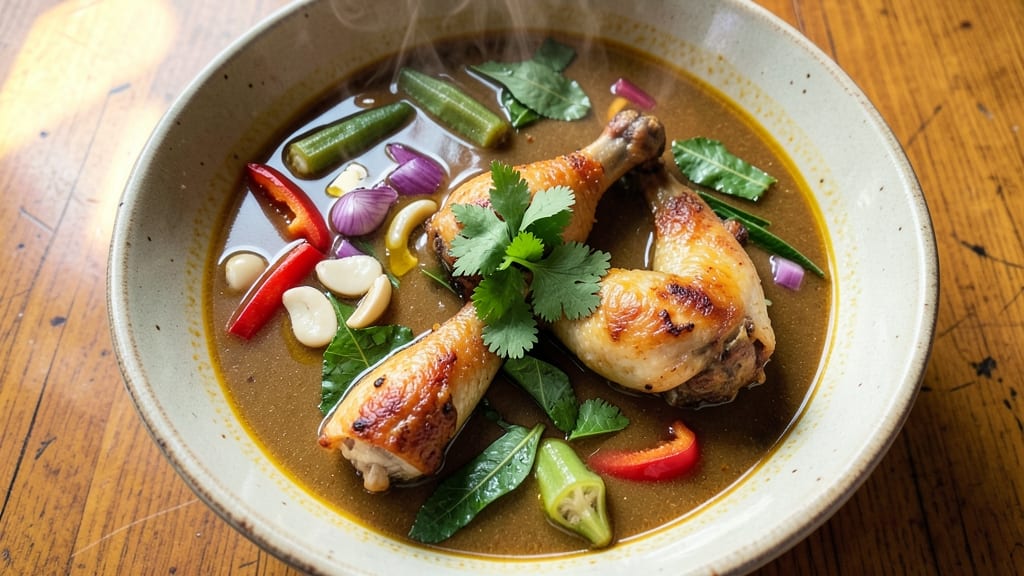
This Banga Soup recipe Cameroon delivers the rich, peppery depth of West African tradition in every hearty spoonful. 🌟 The secret lies in blending tender meat or fish with banga leaves, okra, and locust beans—all simmered until the flavors meld into a velvety, aromatic stew.
What sets this version apart is the crispy plantain topping, adding a satisfying crunch that balances the stew's natural thickness.
The beauty of authentic Banga Soup is its versatility—it works with chicken, beef, or smoked fish, each bringing distinct layers of flavor. Traditional techniques like soaking locust beans and blending fresh banga leaves ensure that homemade version captures the restaurant-quality depth you crave.
The slow simmer transforms tough cuts into melt-in-your-mouth tenderness, while the crispy plantain topping adds a modern twist that keeps everyone asking for seconds.
What you'll achieve is a crispy-topped stew that's both comforting and impressive, perfect for family gatherings or special occasions. The aroma alone will fill your kitchen with warmth, while the first bite delivers that perfect harmony of smoky, peppery, and slightly sweet flavors.
This recipe bridges tradition and innovation, making it accessible yet deeply authentic.
Whether you're serving it with fufu, rice, or crusty bread, Banga Soup becomes the centerpiece of any meal. The instructions are designed to guide you through each step—from soaking to blending—so you can recreate this Cameroon classic with confidence. Let's bring the flavors of West Africa to your table.
Ingredients for banga soup recipe cameroon
Rich West African flavors start with these 15 ingredients—where tradition meets crispy plantain magic.
| Ingredient | Amount | Notes |
|---|---|---|
| Chicken Thighs (bone-in, skin-on) 🍗 | 2 lb | Cut into 2-inch pieces |
| Banga Leaves (fresh) 🌿 | 2 cups | Chopped, stems removed |
| Okra (fresh) 🥦 | 1 lb | Trimmed, halved lengthwise |
| Locust Beans (irwo) 🌱 | ½ cup | Soaked overnight, peeled |
| Fresh Red Bell Peppers 🌶️ | 2 whole | Deseeded, sliced |
| Fresh Onions 🧅 | 2 whole | Peeled, quartered |
| Fresh Tomatoes 🍅 | 4 whole | Ripe, chopped |
| Fresh Ginger 🌿 | 2 tbsp | Grated, fresh |
| Garlic Cloves 🧄 | 6 cloves | Peeled, minced |
| Fresh Green Plantains 🍌 | 2 whole | For crispy topping |
| Vegetable Oil 🫒 | ½ cup | For frying plantains |
| Ground Black Pepper 🌶️ | 1 tbsp | Freshly ground |
| Salt 🧂 | 1 ½ tbsp | Adjust to taste |
| Dried Shrimp (optional) 🦐 | ¼ cup | For extra umami |
| Smoked Fish (optional) 🐟 | 1 lb | For fish version |
Banga leaves are the soul of this soup, so African markets or specialty stores are your best bet for fresh ones. If you can't find them, spinach or collard greens work in a pinch, but they won't have that signature peppery kick. Locust beans (irwo) need soaking—24 hours minimum—so don't skip this step. For the chicken, thighs stay juicier than breasts during the long simmer. Costco or local butchers often sell them in bulk, saving you money. The dried shrimp adds that unmistakable umami depth—African grocery stores carry them in the bulk section, but Asian markets usually have them too.
No banga leaves? Kale or mustard greens are your next best bet, but reduce the amount by half since they're milder. Fresh ginger can be swapped for 1 tsp ground ginger, but fresh is always better. The plantains need to be green and firm—ripe ones won't crisp up. Want to skip the fish? Extra chicken or beef broth balances the flavors perfectly. For the locust beans, if you can't find them, soaked and peeled white beans work in a bind, though they won't have the same earthy taste. The okra should be firm and bright green—avoid any with soft spots.
This soup tastes even better the next day as flavors meld. Store in airtight containers for up to 5 days in the fridge. The plantain topping stays crispy for 2 days if kept separate. For freezer storage, portion the soup without the topping—3 months max—and reheat gently. The plantains? Freeze them raw for up to 2 weeks, then fry straight from frozen. Double the batch if you're feeding a crowd—this disappears fast!
Why You'll Love This Recipe
- One-Pot Magic: I swear by this—just toss everything into a single pot and let the chicken thighs render their own richness while the banga leaves infuse that earthy, umami depth. No chopping frenzy, no extra bowls, and honestly? The okra and locust beans thicken the soup naturally, so you won’t even miss a roux.
- Skin-On Crispy Gold: Between us, bone-in chicken thighs are my shortcut to restaurant-quality flavor. The skin gets crackling while the meat stays juicy, and that first bite—where the crispy edge gives way to tender flesh—is exactly what you need after a long day. (Yes, even on a Tuesday night.)
- Leftovers That Shine: This soup only gets better the next day. The flavors meld overnight, and the locust beans soften into this irresistible, almost creamy texture. I portion it into containers with rice or fufu, and it’s my go-to for lunches—no reheating drama, just pure satisfaction.
- Budget-Friendly Feast: Fresh banga leaves might seem intimidating, but a single bunch stretches for two meals, and locust beans add hearty texture without breaking the bank. Chicken thighs are cheaper than breasts, and the okra and bell peppers bulk it up. It’s the kind of dish where you feed a crowd without stressing over costs.
Step-by-step instructions for banga soup with crispy plantain topping
Here's how to make Cameroon's signature stew with that perfect peppery kick and irresistible crispy plantain crunch.
🔥 Step 1: Sear the Chicken and Prepare the Base
Heat 0.25 cup vegetable oil in a large pot over medium-high heat. Add the 2 lb chicken thighs cut into 2-inch pieces and sear for 4-5 minutes until golden brown on all sides. This step builds deep flavor through the Maillard reaction.
Remove the chicken and set aside. In the same pot, add 2 whole onions quartered and 2 whole red bell peppers sliced. Sauté for 3-4 minutes until softened. Add 6 cloves garlic and 2 tbsp ginger, cooking for another 1 minute until fragrant. This aromatic base forms the flavor foundation.
👨🍳 Step 2: Build the Peppery Vegetable Stew
Add the 1 lb okra halved lengthwise and 4 whole tomatoes chopped to the pot. Stir well and cook for 5 minutes until the tomatoes break down into a chunky sauce. The okra will begin releasing its signature slimy texture that thickens the soup beautifully.
Now add the 2 cups banga leaves and 0.5 cup locust beans (pre-soaked and peeled). Pour in 3 cups water and bring to a boil. Reduce heat to medium-low and simmer for 15 minutes until the vegetables are tender and the flavors meld together. Taste and adjust seasoning with 1.5 tbsp salt and 1 tbsp ground black pepper.
🍳 Step 3: Cook the Chicken and Optional Proteins
Return the seared chicken to the pot and simmer for 20-25 minutes until fully cooked and tender. If using, add the 1 lb smoked fish or 0.25 cup dried shrimp now and cook for another 5 minutes to infuse their rich flavors into the soup.
Here's the thing—don't overcook the chicken. It should be fork-tender but still hold its shape. The soup will continue cooking slightly as it rests, so pull it just before it's fully done. Skim off any excess fat that rises to the surface for a cleaner presentation.
🥘 Step 4: Create the Crispy Plantain Topping
While the soup simmers, slice the 2 whole green plantains into ¼-inch thick rounds. Heat 0.25 cup vegetable oil in a separate pan over medium heat. Fry the plantain slices in batches for 2-3 minutes per side until golden brown and crispy. Real talk: these should be the star of your presentation—crunchy, caramelized perfection.
Drain the fried plantains on paper towels to remove excess oil. Arrange them on a serving platter before ladling the hot soup over them. The contrast of the warm, peppery stew against the crispy plantains is what makes this dish unforgettable.
🍽️ Step 5: Serve with Confidence
Ladle the banga soup into bowls, making sure each serving gets a generous helping of the crispy plantain topping. Garnish with additional ground black pepper if desired. Serve immediately while the plantains are still crispy and the soup is piping hot.
This is where it gets fun—watch your guests reach for seconds. The combination of tender chicken, peppery vegetables, and that irresistible crunch from the plantains creates a symphony of textures and flavors that defines Cameroon's culinary tradition. Enjoy every slurp!
Pro Tips For Making Banga Soup Recipe Cameroon
- CRISP THE SKIN FIRST: Banga soup needs that rich, caramelized chicken flavor, and you won’t get it if you skip browning the thighs. Pat them very dry, then sear skin-side down in a hot pot for 8–10 minutes—don’t rush, or you’ll end up with pale, bland meat. The skin should crackle and turn golden before you even think about adding water.
- SOAK LOCUST BEANS OVERNIGHT: I used to toss dried irwo into boiling water and wonder why they tasted like cardboard. Soak them for at least 12 hours (or up to 24) in cold water, then simmer gently for 45 minutes—never boil hard, or they’ll turn mushy. The texture should be tender but still hold shape, like al dente pasta.
- ADD OKRA LAST MINUTE: Okra’s magic happens when it’s fresh and added at the right time. Toss in whole pods only in the final 10 minutes of cooking—if you add them earlier, they’ll turn to mush and turn your soup into a gluey disaster. A quick stir and they’ll thicken beautifully without losing their bite.
- CONTROL THE BANGALA HEAT: Fresh banga leaves pack a punch, and if you don’t manage the heat, you’ll end up with a bitter, overcooked mess. Start with a low simmer for the first 20 minutes, then gradually increase to a gentle boil—never let it rage. Skim off any foam that rises, or it’ll make the soup cloudy and harsh.
Wine and beer pairings for this banga soup recipe cameroon
West African Red Wine
For Banga Soup, I reach for South African Pinotage—this bold red has earthy notes that complement the peppery depth of the stew. The medium tannins and dark fruit flavors mirror the okra's natural richness while cutting through the plantain's oiliness.
Serve slightly chilled (55-60°F) to enhance its refreshing contrast against the warm soup. 🍷
Local Cameroonian Beer
Nothing beats Cameroon's Ntarangam Beer with this dish—its malty sweetness and subtle citrus notes balance the soup's peppery heat perfectly. The effervescence cleanses your palate between bites of crispy plantain.
If you can't find it, Guinness Draught is a great backup with its roasted barley complexity. Serve at 45°F for optimal crispness.
Spiced Rum Pairing
For a festive touch, serve a small glass of Cameroonian rum (like Bourbon de Cameroon) alongside. The caramel and vanilla notes in the rum harmonize with the locust beans, while its warmth complements the plantain's crispy texture.
Sip it neat or on the rocks—just 1-2 ounces per serving to let the soup's flavors shine.
Herbal Tea Balance
After the rich flavors of Banga Soup, I love serving Moringa tea (a West African staple) to refresh the palate. Brew 1 tsp dried moringa leaves in 1 cup hot water for 5 minutes, then strain.
The earthy, slightly bitter notes help reset your taste buds between courses. The antioxidants also pair beautifully with the meal's hearty protein.
Non-Alcoholic Option
For a refreshing non-alcoholic match, try hibiscus-ginger lemonade. Mix ½ cup hibiscus tea (cooled), 1 tbsp fresh ginger juice, and 2 tbsp lemon juice with 1 cup sparkling water.
The tartness cuts through the soup's richness while the ginger echoes the dish's natural spice profile. Serve over ice for a crisp finish. 💧
Nutrition facts
Frequently asked questions
What makes Banga Soup different from other West African stews?
The signature elements are the banga leaves and locust beans—both essential for that signature peppery kick and earthy depth. Unlike lighter stews, Banga Soup is rich and velvety from the okra's natural thickening, while the crispy plantain topping adds a unique texture contrast. The long simmering process creates a complex flavor profile you won't find in quicker-cooking dishes.
Can I substitute banga leaves with other greens?
Yes, but expect some flavor differences. Spinach or collard greens work in a pinch, but reduce the amount by half since they're milder. For closer results, try kale or mustard greens—they hold up better during simmering. The peppery heat from banga leaves is hard to replicate, so consider adding a pinch of cayenne or black pepper to compensate.
How do I know when the locust beans are properly soaked?
They're ready when they're pliant but not mushy—press one with your finger. If it squishes easily, soak for another 4-6 hours. Properly soaked beans should peel easily and blend smoothly into the soup. Skipping this step can leave your stew with a gritty texture. For best results, soak them overnight (24+ hours) in water.
What's the best way to store leftovers?
Store the soup (without the plantain topping) in airtight containers for up to 5 days in the fridge. Keep the plantains separate—they stay crispy for 2 days if refrigerated. For freezing, portion the soup alone (it keeps for 3 months) and freeze the plantains raw (up to 2 weeks). Reheat gently to preserve texture. The flavors actually improve overnight as they meld!
Why did my plantain topping turn out soggy?
This usually happens from overcrowding the pan or frying at too low heat. Fry in small batches over medium heat for 2-3 minutes per side until golden. Drain on paper towels immediately to remove excess oil. For extra crispiness, try frying at medium-high heat for 1 minute per side, then finish at medium to develop color.