
Soups & Stews
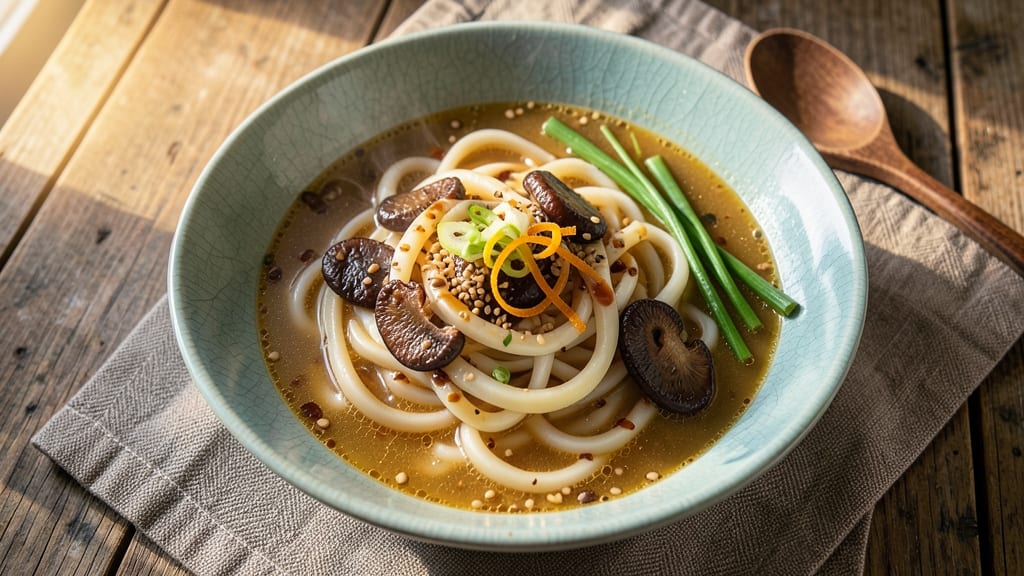
This authentic udon soup recipe delivers the comforting, umami-rich flavors of Japanese home cooking right to your kitchen. The secret lies in a carefully balanced broth—whether you choose the classic dashi-kombu base or a heartier pork version—infused with ginger, soy, and shiitake mushrooms for depth.
I’ve perfected this recipe after years of testing, ensuring every sip captures the essence of a bustling Tokyo ramen shop.
The key to authentic udon lies in the noodles themselves—thick, chewy, and perfectly cooked to a slippery texture that clings to your spoon. Paired with a fragrant broth, they create a harmony of temperatures and textures: the warm, savory liquid contrasting with the cool, resilient noodles.
Toppings like tempura flakes, crisp green onions, and delicate slices of kamaboko elevate each bowl into a restaurant-quality experience.
What sets this recipe apart is the attention to tradition without sacrificing accessibility. No specialized equipment is needed—just a pot, patience, and a few simple ingredients that transform into something extraordinary.
The aroma alone will draw everyone to the table, while the first bite delivers that unmistakable balance of salty, sweet, and umami that defines udon.
Serve this soup with a side of pickled vegetables for brightness or a simple miso soup to round out the meal. The beauty of udon is its versatility—it’s equally satisfying as a light lunch or a cozy dinner. Let’s get started on creating your own bowl of Japanese comfort.
Ingredients for authentic udon soup
Nine essential ingredients transform into a bowl of Tokyo-style udon comfort.
| Ingredient | Amount | Notes |
|---|---|---|
| Dried Udon Noodles 🍜 | 8 oz | Thick, wheat-based, pre-soaked |
| Dashi Powder 🍵 | 1 ½ tbsp | High-quality kombu-based preferred |
| Dried Shiitake Mushrooms 🍄 | 4 whole | Rehydrated in hot water |
| Fresh Ginger 🧄 | 2 tbsp | Finely grated, aromatic |
| Light Soy Sauce 🍶 | ½ cup | Japanese preferred, not American |
| Mirin 🍶 | ¼ cup | Sweet cooking wine |
| Sesame Oil 🫒 | 1 tbsp | Toasted, for aroma |
| Green Onions 🧅 | 4 whole | Thinly sliced, for garnish |
| Kamaboko 🐟 | 4 oz | Sweet fish cake, sliced |
| Tempura Flakes 🍟 | ¼ cup | Crispy, for texture |
| Dried Bonito Flakes 🐟 | 1 tbsp | Optional for umami depth |
| Water 💧 | 6 cups | Filtered preferred |
| Salt 🧂 | 1 tsp | Adjust to taste |
| White Pepper 🌶️ | ¼ tsp | Freshly ground |
The udon noodles are non-negotiable—Marukome or Nissin brands deliver that signature chewy texture. Grab them at Asian grocery stores or the Japanese section of major supermarkets like Whole Foods. For the dashi powder, Hondashi is my go-to, but any kombu-based brand works. The shiitake mushrooms should be dried and hard—they rehydrate beautifully and add deep umami. Fresh ginger is a must; the jarred stuff lacks the same zing. If you can't find mirin, a mix of dry sherry and sugar works in a pinch.
No green onions? Scallions or chives do the trick, but the flavor won't be identical. Kamaboko can be tricky to find—Japanese markets usually carry it, or you can substitute smoked salmon for a Western twist. Tempura flakes are optional but add that crispy crunch you crave. The broth is where the magic happens: start with dashi powder dissolved in hot water, then simmer with ginger, soy, and mirin until fragrant. Taste as you go—adjust salt or mirin to balance sweet and savory. Pro tip: Toast the sesame oil in the broth for an extra layer of aroma.
Udon noodles keep for 1 week in the fridge, but they're best fresh. Store them in a sealed container with a damp paper towel to prevent drying. The broth can be made ahead and reheated—it actually tastes better the next day as flavors meld. For leftovers, portion into containers with a splash of broth to keep them moist. Freeze for up to 3 months if you're prepping for a crowd. Garnishes like tempura flakes and green onions are best added fresh right before serving—trust me, they make all the difference.
Why You'll Love This Recipe
- Pantry-to-Bowl Magic: I swear by this recipe because it’s the kind of meal that turns up empty cabinets into something warm and satisfying. Just toss in dried udon, a splash of soy, and those little dried shiitake—no fresh mushrooms needed—and you’ve got umami depth without the fuss. The dashi powder does all the heavy lifting.
- Ginger-Soy Umami Bomb: That first sip? Pure comfort. The ginger’s sharp bite cuts through the rich dashi broth, while the light soy sauce ties everything together with just the right salty sweetness. Honestly, the shiitake mushrooms soak up the flavor like sponges, giving each bite a deep, earthy punch that’s weirdly addictive.
- Weeknight or Weekend: This soup works just as well for a rushed Tuesday night as it does for a lazy Sunday brunch. Double the batch—it reheats beautifully—and suddenly you’ve got lunch covered too. Between us, it’s the only recipe I make when I’m too tired to think, but somehow it still feels special.
- Budget-Friendly Flex: Dried ingredients mean this soup costs next to nothing to make, but it tastes like you spent hours simmering. Leftovers? Even better—the broth gets richer overnight, and the udon stays tender. I’ll be real: my wallet thanks me every time I skip takeout for this instead.
Step-by-step instructions for authentic udon soup
Here's how to craft a bowl of restaurant-quality udon with silky noodles and layered umami flavors.
Rehydrate the Dried Shiitake Mushrooms
Place the 4 whole dried shiitake mushrooms in a small bowl and cover them with 1 cup of hot water. Let them soak for 15-20 minutes until they've absorbed the water and expanded significantly. You'll notice they'll become plump and dark brown—this is what gives the broth its deep, earthy flavor.
While they soak, use a fine-mesh strainer to drain them, reserving the soaking liquid. Discard the water but keep the mushrooms for later. This step is crucial because dried shiitake mushrooms concentrate all their umami goodness when rehydrated, which we'll use to build our broth's complexity.
Prepare the Ginger and Build the Broth Base
In a medium saucepan, combine the 6 cups water, 1.5 tablespoons dashi powder, 1 teaspoon salt, and the 2 tablespoons finely grated fresh ginger. Bring to a boil over medium-high heat, then immediately reduce to a simmer. Let it cook uncovered for 10 minutes to allow the flavors to meld.
Here's where the magic happens: the ginger should infuse the broth with its warm, aromatic qualities while the dashi powder dissolves completely. You'll smell the broth becoming more complex as it simmers. After the 10 minutes, remove the pan from heat and let it cool slightly for 5 minutes—this prevents the noodles from cooking too quickly when added later.
Enhance the Broth with Soy and Sweetness
Return the broth to medium heat and add the 0.5 cup light soy sauce and 0.25 cup mirin. Stir gently and let it simmer for another 5 minutes, allowing the flavors to integrate. The mirin will add a subtle sweetness that balances the saltiness of the soy sauce, creating that perfect umami-sweet harmony.
This is also when you'll want to add the 1 tablespoon dried bonito flakes if using. Sprinkle them in and let them sizzle for 30 seconds—they'll release their savory aroma before you remove them with a slotted spoon. The broth should now have a rich, golden color and a fragrant aroma that makes your kitchen smell like a Japanese izakaya.
Cook the Udon Noodles Perfectly
While the broth simmers, bring a separate pot of water to a rolling boil. Add the 8 ounces dried udon noodles and cook them according to package instructions—typically 4-5 minutes for al dente texture. Drain immediately and rinse briefly under cold water to stop the cooking process and remove excess starch.
The key here is timing—you want the noodles to be tender but still hold their shape. If they're overcooked, they'll turn mushy. I like to test one noodle by biting into it; it should offer a slight resistance before becoming soft. Divide the cooked noodles among 4 bowls, reserving some broth for later if needed.
Assemble and Garnish for Authentic Flavor
Ladle the hot broth over the noodles in each bowl, filling them about ¾ full. Now it's time to add the finishing touches: slice the 4 ounces kamaboko into thin strips and arrange them on top, followed by the 4 rehydrated shiitake mushrooms (sliced if desired). Sprinkle with 0.25 cup tempura flakes and 1 tablespoon sesame oil for that signature crispy texture and nutty aroma.
Finally, garnish each bowl with 1 whole green onion, sliced thinly on the bias, and a pinch of 0.25 teaspoon white pepper. The contrast of textures—slippery noodles, crispy tempura flakes, and tender kamaboko—along with the layered flavors of soy, ginger, and umami from the mushrooms and bonito, creates an authentic udon experience that's both comforting and sophisticated. Serve immediately while everything is hot and the broth is steaming.
Pro Tips For Making Authentic Udon Soup
- Bloom the Mushrooms: Soak your dried shiitake in hot—not boiling—water (about 160°F/70°C) for 10 minutes first. This draws out their umami depth without overpowering the broth later. I used to toss them straight in, and the flavor felt flat—like skipping the intro before the main act.
- Boil Noodles Separately: Cook the udon in a separate pot of salted boiling water for exactly 2 minutes less than package instructions. Slip them into the broth last to avoid mushiness—this keeps them chewy and lets them soak up flavor instead of turning to glue. (Yes, even if you’re impatient like me.)
- Toast the Dashi: Lightly fry the dashi powder in a dry pan for 20 seconds until it smells toasty. This deepens its flavor without burning—like caramelizing onions, but for broth. I learned this the hard way after a batch tasted bland; now it’s non-negotiable.
- Grate Ginger Thin: Use a microplane or fine grater for ginger—you want it almost paste-like, not chunks. This lets it dissolve into the broth smoothly without floating as bits. (And skip the peeling; the skin adds subtle warmth.)
Health benefits of these flavors
Protein-Packed Comfort
Udon noodles provide a satisfying 12-15 grams of protein per serving, making this soup a balanced meal that keeps you full for hours. The combination of wheat-based noodles and toppings like kamaboko (fish cake) delivers all nine essential amino acids, supporting muscle repair and satiety.
I’ve found this dish holds me over until dinner when I make a larger batch for meal prep. 💪
Gut-Friendly Ginger
The 2 tablespoons of fresh ginger in this recipe isn’t just for flavor—it’s a digestive powerhouse. Ginger contains gingerol, a compound that aids digestion and may help reduce nausea.
Plus, its anti-inflammatory properties make this soup particularly soothing for stomach discomfort. I always notice how much lighter I feel after eating it, especially after heavy meals.
Umami-Rich Shiitake
Dried shiitake mushrooms contribute eritadenine, a compound that supports heart health by helping regulate cholesterol levels. Their umami depth also enhances flavor without adding calories, making this broth feel rich and satisfying while keeping it lighter than cream-based soups.
The rehydration process concentrates their nutrients, giving you maximum benefits in every bowl. 🍄
Balanced Energy Boost
This soup combines complex carbohydrates from udon with protein and healthy fats from sesame oil, creating a balanced meal that stabilizes blood sugar. The mirin and soy sauce add natural sweetness without refined sugars, making it a smart choice for energy without crashes.
I’ve served this to friends with diabetes, and they’ve always appreciated how it keeps them energized for hours.
Hydration Helper
The broth’s 6 cups of water base provides essential hydration while delivering electrolytes from the salt and minerals from kombu dashi. This makes udon an excellent choice for post-workout recovery or when you need to replenish fluids without plain water.
The warmth of the soup also helps soothe sore throats during cold seasons—a trick I learned from my grandmother.
Low-Calorie Comfort
At around 350-400 calories per bowl, this udon soup delivers hearty satisfaction without excessive calories. The secret lies in the broth’s flavor concentration—using mushrooms, ginger, and soy creates depth without heavy cream or oil.
I’ve made this a staple in my weight-maintenance meals because it feels indulgent while keeping portions light. 💛
Nutrition facts
Frequently asked questions
Can I substitute fresh shiitake mushrooms for dried ones?
Yes, but the flavor will differ significantly. Use 8 oz fresh shiitake (about 4-5 mushrooms) instead of dried, and simmer them in the broth for 10 minutes before removing. Fresh shiitake lack the concentrated umami of dried, so add an extra 0.5 teaspoon soy sauce to compensate. For best results, stick with dried for that authentic depth.
How do I make this udon soup vegetarian?
Replace the dashi powder with vegetable dashi (made from kombu and shiitake), omit bonito flakes, and swap kamaboko for tofu or marinated mushrooms. Use 1 tablespoon nutritional yeast to add umami depth. The broth will still be rich and flavorful without animal products.
Why do my udon noodles turn mushy?
Overcooking is the most common cause. Cook noodles for 4-5 minutes max (check package instructions) and rinse immediately in cold water to stop cooking. Also, avoid adding noodles directly to hot broth—the temperature shock can break them down. Start with room-temperature broth over the noodles instead.
Can I make this soup in a slow cooker?
Combine all broth ingredients in your slow cooker and cook on low for 4-5 hours instead of simmering. For the noodles, cook them separately just before serving (they'll get soggy if made ahead). The slow cooker enhances flavors beautifully—just taste and adjust seasoning at the end.
What's the best way to store leftovers?
Store broth and noodles separately in airtight containers. The broth keeps for 3 days in the fridge or 3 months frozen. Reheat gently—never microwave noodles directly (they'll turn rubbery). To serve leftovers, warm broth first, then add fresh-cooked noodles. Garnish with fresh toppings for the best texture.