
Soups & Stews
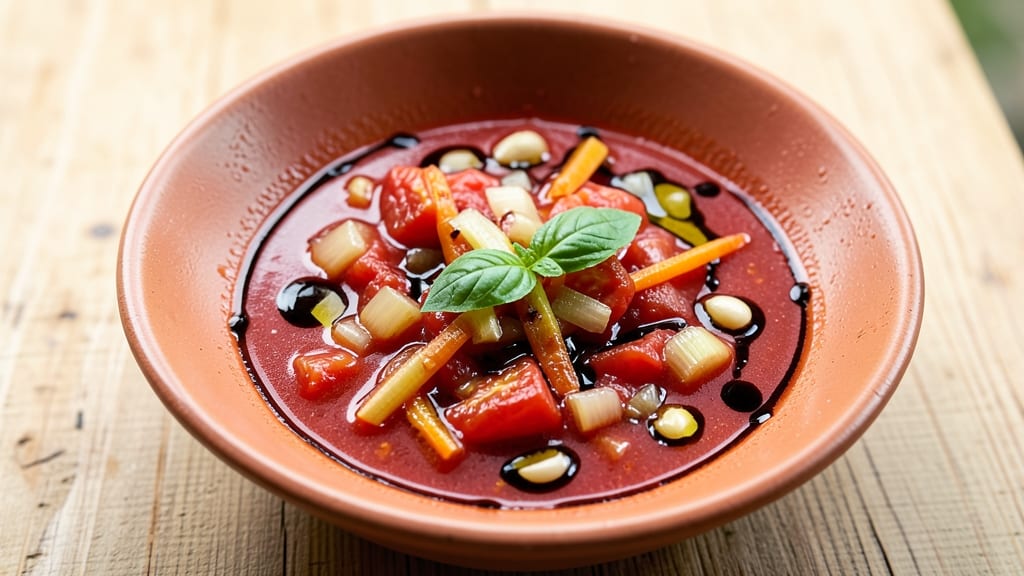
This authentic Italian tomato soup captures the rustic charm of a Tuscan countryside kitchen, where simple ingredients transform into something deeply comforting. The secret lies in slow-simmered San Marzano tomatoes, aromatic garlic, and fresh basil that infuses the broth with bright, herbaceous notes. I developed this recipe after years of testing—each element must work together to deliver that perfect balance of acidity and richness.
What sets this soup apart is its al dente pasta twist, a technique I learned from a nonna in Rome who insisted "soup should have texture." The broth reduces to a velvety consistency while maintaining enough body to coat each bite of pasta perfectly.
Fresh basil leaves finish the dish, adding a vibrant contrast to the deep red soup.
By the time you serve this, you'll have a bowl that smells like an Italian market and tastes like home—warm, fragrant, and satisfying. The soup's simplicity is its strength: no complicated techniques, just quality ingredients and patience. Serve it with crusty bread or grilled cheese for the full experience.
This recipe delivers on authenticity without sacrificing ease—perfect for weeknight dinners or special occasions. The flavor only deepens as it sits, making it ideal for meal prep. Let's get cooking!
Ingredients for authentic italian tomato soup
San Marzano tomatoes and fresh basil form the heart of this rustic Italian tomato soup.
| Ingredient | Amount | Notes |
|---|---|---|
| San Marzano Tomatoes 🍅 | 28 oz | Canned, whole peeled tomatoes |
| Extra-Virgin Olive Oil 🫒 | ½ cup | High quality, fruity variety |
| Yellow Onion 🧅 | 1 whole | Medium size, finely chopped |
| Garlic Cloves 🧄 | 4 cloves | Fresh, peeled and minced |
| Carrots 🥕 | 2 medium | Peeled and diced small |
| Celery Stalks 🧅 | 2 whole | Fresh, chopped fine |
| Fresh Basil Leaves 🌿 | ½ cup | Packed, stems removed |
| Dried Oregano 🌿 | 1 tsp | Italian variety preferred |
| Vegetable Broth 💧 | 2 cups | Low-sodium preferred |
| Small Pasta 🍝 | 8 oz | Ditalini or orzo preferred |
| Sea Salt 🧂 | 1 ½ tsp | Diamond Crystal preferred |
| Freshly Ground Black Pepper 🌶️ | ½ tsp | Coarsely ground |
| Red Wine Vinegar 🍷 | 1 tbsp | For acidity balance |
| Grated Parmesan Cheese 🧀 | ¼ cup | Freshly grated from block |
The San Marzano tomatoes are non-negotiable for authentic flavor—look for the DOP certification at specialty stores like Whole Foods or Eataly. Their natural sweetness and low acidity create the perfect base. Fresh basil should be bright green and fragrant—avoid the wilted leaves at regular grocery stores. For the vegetable broth, Homemade is ideal, but Pacific Foods or Imagine brands work well if you're short on time. The pasta choice matters too—ditalini or orzo hold up best in the broth without turning mushy.
No San Marzano tomatoes? Crushed tomatoes work in a pinch, though the flavor won't be as refined. Substitute dried basil at one-third the amount if fresh isn't available. For the vinegar, balsamic vinegar adds depth but adjust to taste. The Parmesan should be freshly grated—pre-grated cheese contains anti-caking agents that ruin the texture. If you're making this ahead, freeze the basil leaves in oil to preserve their flavor. The carrots and celery can be swapped for fennel or zucchini if you prefer a different vegetable note.
This soup tastes even better the next day as flavors meld together. Store in an airtight container in the fridge for up to 5 days, or freeze for 3 months. For meal prep, portion into individual containers with a sprinkle of Parmesan on top—just reheat with a splash of water. The pasta should be al dente when added, not pre-cooked, to maintain that perfect texture. Serve with crusty bread or a simple grilled cheese sandwich for the full Tuscan experience.
Why You'll Love This Recipe
- One-Pot Wonder: I swear by this—just chop, sauté, and simmer. No blender, no straining, no fuss. The San Marzano tomatoes break down into that rich, velvety base all on their own while I sip my wine (or coffee, no judgment).
- Garlic Kiss Magic: That moment when the garlic hits the olive oil? Pure alchemy. The slow caramelization with onions and carrots builds layers of sweetness that make every spoonful sing—especially when you add a splash of red wine at the end.
- Crowd-Pleaser Always: Between us, this is the soup that gets eaten first at potlucks. It’s light enough for summer but hearty enough for winter, and the carrots add just enough sweetness to make it kid-friendly (yes, even my picky teenager asks for seconds).
- Budget-Friendly Luxury: San Marzano tomatoes might sound fancy, but they stretch further than store-brand cans—and the flavor? Night and day. A few cloves of garlic and a drizzle of EVOO turn simple veggies into something ridiculously satisfying without breaking the bank.
Step-by-step instructions for authentic Italian tomato soup with pasta
This method delivers restaurant-quality tomato soup with a rustic basil finish and perfectly al dente pasta.
Sauté the Vegetable Base for Flavor Foundation
Heat the 0.5 cup extra-virgin olive oil in a large Dutch oven over medium heat. Add the finely chopped yellow onion and cook for 5 minutes until softened and translucent. This is where the base flavor develops—don't rush it.
Add the diced carrots and chopped celery stalks, stirring frequently for 4-5 minutes until they begin to soften and release their natural sweetness. You'll notice the vegetables darken slightly at the edges—that's perfect. Push the vegetables to one side of the pot and add the minced garlic cloves, cooking for 30 seconds until fragrant. This quick cooking prevents the garlic from burning, which would make the soup bitter.
Build the Tomato Base with Proper Technique
Pour in the 28 oz San Marzano tomatoes, crushing them slightly with your hands as you add them. This breaks down the skins and releases more flavor. Stir everything together and bring to a gentle simmer over medium-low heat. Let it cook uncovered for 15 minutes, stirring occasionally, until the tomatoes break down into a thick, jam-like consistency.
Add the 2 cups vegetable broth, 1 tsp dried oregano, 1.5 tsp sea salt, and 0.5 tsp freshly ground black pepper. Stir well and continue simmering for another 10 minutes, allowing the flavors to meld. The soup should reduce slightly, concentrating its taste. This is where the authentic Italian flavor develops—patience is key.
Finish with Acid Balance and Fresh Basil
Stir in the 1 tbsp red wine vinegar and taste the soup. The vinegar brightens the tomatoes and balances their natural sweetness. You want a slight tang that enhances the overall flavor profile. Add the 0.5 cup fresh basil leaves and simmer for 2 minutes just until the basil wilts slightly. Remove from heat immediately to preserve the basil's vibrant flavor.
Taste again and adjust seasoning if needed—this is where the soup becomes truly authentic. The acidity should complement the tomatoes without overpowering them. The basil adds freshness that dried herbs can't replicate, making this soup distinctly Italian. Let the soup rest off heat for 5 minutes to allow the flavors to fully integrate.
Cook the Pasta Al Dente in the Soup
Bring a separate pot of heavily salted water to a boil and cook the 8 oz small pasta (ditalini or orzo) 1 minute less than package instructions for al dente texture. This is crucial—overcooked pasta becomes mushy when added to the soup.
Drain the pasta and immediately add it to the tomato soup. Stir gently to distribute the pasta evenly. Return the pot to low heat and simmer for 3-4 minutes, allowing the pasta to absorb some of the soup's flavor while remaining firm. The pasta should be coated but still have a slight bite.
Serve with Finishing Touches
Divide the soup among bowls and top each serving with 0.25 cup freshly grated Parmesan cheese. The cheese adds a salty, umami richness that elevates the dish. Serve immediately while the pasta is still al dente and the soup is hot.
This authentic Italian tomato soup delivers the perfect balance of rustic tomato flavor, fresh basil brightness, and perfectly textured pasta. The Parmesan finish is essential—it's what makes this dish feel truly Italian rather than just another tomato soup. The key to authenticity lies in the fresh herbs, proper acid balance, and al dente pasta.
Pro Tips For Making Authentic Italian Tomato Soup
- CRUSH THE ONIONS LOW: Dice that onion small—think rice-sized pieces, not half-moons. I used to leave them chunky, but fine mincing lets the sweetness dissolve faster and prevents any hint of raw bite. If you’re impatient like me, pulse them in a food processor for 3 seconds, then finish by hand.
- SWEAT THE CARROTS FIRST: Start by cooking the carrots alone in olive oil over medium heat for 5 minutes before adding onions. This softens them enough to blend smoothly later without turning the soup into mushy sludge. (Yes, even if you’re tempted to toss everything in at once.)
- SALT THE TOMATOES: Sprinkle a generous pinch of salt directly onto the halved San Marzano tomatoes before crushing them. This draws out their juices immediately, giving you more liquid and richer flavor upfront—no waiting for the soup to simmer to fix it.
- SKIP THE GARLIC BURN: Add minced garlic to the pot just as the onions turn golden, then stir constantly for 30 seconds max. Burnt garlic ruins the whole dish, and I’ve learned this the hard way—once you smell it, there’s no saving it. (Pro move: Smash the cloves with the flat of your knife first for even cooking.)
Storing and reheating this recipe
Refrigerator Storage
Let your soup cool to room temperature (about 1-2 hours) before transferring to an airtight container—I use glass jars with tight-sealing lids. Store in the fridge for up to 5 days, but the flavor actually deepens after the first day as the basil and tomatoes meld together.
The pasta will soften slightly, so I recommend adding it fresh when reheating for the best texture. 💫
Freezer Prep Tips
For long-term storage, freeze the soup without the pasta in quart-sized freezer bags or airtight containers. Leave 1-inch headspace to prevent expansion cracks. I like to portion it into individual servings with a sprinkle of Parmesan on top—just add a splash of water when reheating.
The soup freezes beautifully for up to 3 months, though the basil will lose some vibrancy. 🥶
Reheating Methods
For stovetop reheating, transfer the soup to a pot and warm over medium-low heat for 8-10 minutes, stirring occasionally. Add 1-2 tablespoons of water or broth if it thickens too much.
If reheating from frozen, allow it to thaw in the fridge overnight first—never reheat frozen soup directly from the freezer. 🔥
Microwave Shortcut
For quick meals, microwave the soup covered on 50% power for 3-4 minutes, stirring halfway. If the pasta seems dry, add a splash of water or broth and microwave for another 30 seconds.
The microwave method works best for individual portions rather than the whole pot. I always add fresh basil and Parmesan after reheating to restore the authentic finish. ✨
Pasta Texture Fix
If the pasta becomes mushy after reheating, strain the soup through a fine-mesh sieve and reheat it separately. Then, cook fresh pasta in the reheated broth for 3-4 minutes until al dente.
This trick maintains the perfect texture while keeping that rich tomato flavor. I've perfected this method after countless reheating experiments! 💡
Serving Suggestions
Serve your reheated soup with crusty bread or a grilled cheese sandwich for the full Italian experience. The bread soaks up the flavorful broth beautifully. For extra authenticity, garnish with fresh basil and a sprinkle of Parmesan right before serving—this makes all the difference in that restaurant-quality touch. 🍞
Nutrition facts
Frequently asked questions
Why do you use San Marzano tomatoes instead of regular canned tomatoes?
San Marzano tomatoes are the gold standard for Italian tomato soup because of their natural sweetness and low acidity. Their thick, meaty texture creates a richer broth without needing added sugar or extra seasoning. Regular canned tomatoes often have higher acidity, which can make the soup taste sharp rather than balanced.
Can I make this soup without pasta?
The broth alone makes a delicious minestrone-style soup. Simply omit the pasta and add more vegetables like zucchini or spinach. For a heartier version, stir in white beans or diced potatoes. The key is maintaining the same cooking time to let flavors meld.
What's the best way to store leftovers to keep the pasta al dente?
Store the soup and broth separately in airtight containers. Reheat the broth first, then cook fresh pasta directly in it for 3-4 minutes until al dente. This prevents the pasta from becoming mushy. For quick meals, freeze the broth alone and add fresh pasta when reheating.
Can I substitute fresh basil with dried basil?
You can use dried basil, but fresh is ideal for that authentic Italian flavor. If substituting, use ⅓ the amount (about 1 tsp dried for 0.5 cup fresh) and add it at the very end of cooking. Dried basil lacks the vibrant aroma and bright flavor of fresh leaves.
How do I know when the soup is properly seasoned?
Taste as you go! The soup should have a balance of tomato sweetness, basil brightness, and a touch of vinegar tang. Adjust with salt (if needed) and vinegar (for acidity). Remember, Italian tomato soup is rustic—it shouldn't taste overly sweet or bland. The Parmesan adds umami depth when serving.