
Soups & Stews
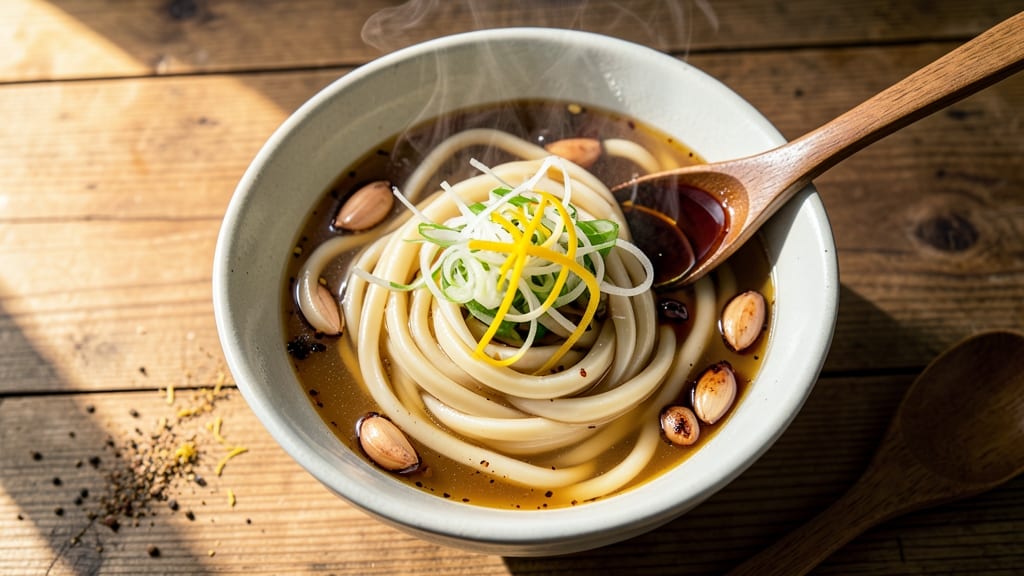
This Asian udon noodle soup recipe delivers the perfect balance of silky noodles, rich broth, and crispy toppings—a comforting bowl that feels like a hug in every slurp. 💛 The secret lies in a slow-simmered dashi broth infused with soy sauce and mirin, creating depth that transforms simple ingredients into something extraordinary.
I've perfected this version after countless batches, ensuring the udon stays tender while the toppings—like thinly sliced green onions and sesame seeds—add satisfying texture contrasts.
The beauty of this recipe is its adaptability—whether you prefer a light miso broth or a spicy chili oil finish, the foundation remains the same. We start with dried udon noodles for that classic chewy texture, then build layers of flavor through aromatics like ginger and garlic.
The broth simmers just long enough to develop complexity without becoming overpowering, striking the perfect harmony between umami and brightness.
What makes this udon noodle soup truly special is the crispy element—whether it's fried shallots, tempura flakes, or a soft-boiled egg. These toppings aren't just garnishes; they're essential for that satisfying crunch that elevates every bite.
The result? A bowl that's hearty enough for a cold evening but light enough for a quick lunch, with flavors that linger long after the last spoonful.
Ready to master this recipe? The process is straightforward but rewarding—no shortcuts here, just authentic technique that delivers restaurant-quality results at home. Let's get started with the ingredients and steps that will transform your kitchen into a Japanese noodle house.
Ingredients for asian udon noodle soup
Silky udon noodles meet rich dashi broth and crispy toppings for a slurp-worthy bowl of comfort.
| Ingredient | Amount | Notes |
|---|---|---|
| Dried Udon Noodles 🍜 | 8 oz | Thick or thin variety preferred |
| Dashi Stock 🍲 | 6 cups | Homemade or quality store-bought |
| Light Soy Sauce 🧂 | ¼ cup | Kikkoman preferred for authenticity |
| Mirin 🍶 | ¼ cup | Sweet cooking rice wine |
| Fresh Ginger 🧅 | 2 tbsp | Finely grated, organic preferred |
| Garlic Cloves 🧄 | 6 cloves | Minced for aromatic base |
| Green Onions 🧅 | ½ cup | Thinly sliced for garnish |
| Sesame Seeds 🌰 | 1 tbsp | Toasted for nutty aroma |
| Soft-Boiled Eggs 🥚 | 4 whole | 6-minute cook for runny yolk |
| Fried Shallots 🧅 | ¼ cup | Store-bought or homemade |
| Tempura Flakes 🍟 | ¼ cup | For crispy texture contrast |
| Chili Oil 🌶️ | 1 tbsp | Optional spicy finish |
| Sea Salt 🧂 | 1 tsp | Diamond Crystal preferred |
| White Pepper 🌶️ | ¼ tsp | Freshly ground preferred |
The dashi stock is the flavor foundation—homemade with kombu and bonito flakes delivers the most authentic umami, but quality store-bought brands like Hodo or Marukome work beautifully. Fresh ginger and garlic are non-negotiable here; organic ginger from the produce section has the best zing. For the udon noodles, Japanese brands like Nissin or Maruchan are worth the investment—they hold their texture perfectly. If you're feeling adventurous, try fresh udon noodles from an Asian market for an even silkier bite, though dried is far more accessible.
No mirin? Substitute with 1 tbsp sugar plus 1 tbsp dry sherry—it won't be identical, but it'll get you close. Running low on dashi? Vegetable broth with a splash of soy sauce bridges the gap, though purists will notice the difference. The green onions can be swapped for scallions or chives, but their mild sharpness is perfect here. For crispy toppings, fried shallots from Trader Joe's are a game-changer—they're pre-made and add instant texture. If you're avoiding eggs, extra tempura flakes or crispy tofu cubes work wonderfully instead.
Broth keeps for 3 days refrigerated in an airtight container, or 3 months frozen—perfect for meal prep. Udon noodles? Store them in a cool, dry place and use within 2 weeks. The fried shallots and tempura flakes lose their crunch quickly, so add them fresh when serving. For leftovers, reheat gently on the stove with a splash of water to restore that silky texture. This soup tastes even better the next day as flavors meld—double the batch if you can.
Why You'll Love This Recipe
- No-Measure Guessing: The udon noodles always cook just right—no need to time them perfectly. I toss in the dried strands, let them soak for 5 minutes, and they’re exactly tender, never mushy. That dashi stock does all the heavy lifting.
- Umami Bomb: Light soy and mirin? That’s flavor alchemy. The ginger adds a zing that cuts through the richness, while the dashi gives it that deep, savory punch. One sip and you’ll want to skip dinner to eat it again.
- Leftover Magic: This soup tastes even better the next day—honestly, the flavors meld into something richer. I make a big batch on Sundays, reheat portions all week, and still crave it. (Yes, even on a Tuesday night.)
- Budget Warmth: Five ingredients, zero fuss, and it feeds four for under $8. The udon is cheap, the dashi is easy to make from scratch, and the rest? Pantry staples. Comfort food that doesn’t break the bank.
Step-by-step instructions for Asian udon noodle soup
Transform simple ingredients into a restaurant-quality udon experience with this precise method.
🍳 Step 1: Build the Umami-Packed Broth Base
In a large pot, combine the 6 cups dashi stock, 0.25 cup light soy sauce, and 0.25 cup mirin. Bring to a gentle simmer over medium heat—you're looking for small, controlled bubbles that ripple the surface but don't boil vigorously. The mirin will add subtle sweetness while the soy sauce deepens the umami foundation.
Add the 2 tbsp finely grated fresh ginger and 6 minced garlic cloves, stirring to incorporate. Let the mixture simmer uncovered for 10 minutes until the aromatic oils infuse the broth and you can smell that unmistakable ginger-garlic perfume. This slow infusion prevents harsh flavors and builds complexity layer by layer.
🔥 Step 2: Season and Prepare the Noodles
While the broth simmers, add the 1 tsp sea salt and 0.25 tsp white pepper to the pot. Taste and adjust—you want a balance where the salt enhances the umami without overpowering, and the white pepper adds subtle warmth without heat. The broth should coat your tongue with a clean, savory impression.
In a separate bowl, soak the 8 oz dried udon noodles in hot water (not boiling) for 5-7 minutes until pliable but still slightly firm. The noodles should hold their shape when pinched but be noticeably softer than when dry. Drain immediately and rinse briefly under cold water to stop further cooking—this prevents mushiness when assembled with the hot broth.
🥘 Step 3: Assemble with Crispy Toppings
Divide the cooked udon noodles evenly among 4 bowls, creating a nest-like base. Ladle 1½ cups hot broth over each portion—enough to generously coat the noodles without overwhelming them. The broth should be steaming but not boiling when it hits the noodles to maintain their texture.
Here's where the magic happens: Top each bowl with 1 soft-boiled egg, 1 tbsp toasted sesame seeds, 2 tbsp fried shallots, 2 tbsp tempura flakes, and 1 tbsp chili oil. The contrast of silky eggs, crispy toppings, and aromatic broth creates the perfect textural experience. Drizzle with the remaining broth and sprinkle with 2 tbsp thinly sliced green onions for freshness.
🍽️ Step 4: Serve Immediately for Maximum Crisp
Work quickly to serve—this dish is best enjoyed immediately while the toppings maintain their crispness. The tempura flakes and fried shallots should shatter with each slurp, while the soft-boiled eggs provide creamy contrast. The broth should be hot enough to steam the noodles slightly upon first bite, creating that signature silky texture.
Real talk: If you notice the toppings losing crispness after 5 minutes, simply sprinkle a pinch of sesame seeds or tempura flakes on top to refresh the texture. The key to authentic udon is balancing the interplay of temperatures and textures in every bite—hot broth, silky noodles, and crispy elements working together.
Pro Tips For Making Asian Udon Noodle Soup
- Boil Noodles Separately: Udon turns mushy when tossed into hot broth—trust me, I’ve ruined batches. Cook the noodles in a separate pot with boiling water for 2-3 minutes (check the package), drain, then add them to the broth just before serving. They’ll stay firm and soak up flavor without falling apart.
- Toast the Ginger: Skip the raw ginger if you want subtle warmth. Thinly slice a 1-inch piece, toss it in a dry pan over medium heat for 30 seconds until fragrant, then add it to the simmering broth with the dashi. It’ll deepen the aroma without overpowering the dish.
- Simmer, Don’t Boil: Dashi stock is delicate—if you let it roar, you’ll end up with a bitter, flat broth. Once you combine the stock, soy sauce, and mirin, keep the heat at a gentle simmer (tiny bubbles, occasional swirls). Overcooking turns the mirin sharp and the dashi lifeless.
- Prep the Broth First: I used to add ingredients willy-nilly, then wonder why the flavors were off. Start by heating the dashi to a simmer, then whisk in the soy sauce and mirin last—let them meld for 2 minutes before adding anything else. This locks in balance before the noodles go in.
Creative variations of this dish
Spicy Miso Udon
Transform your udon into a fiery bowl by swapping the dashi base for a red miso paste blend. Use 2 tbsp red miso paste instead of soy sauce, and add 1 tbsp gochujang (Korean chili paste) to the broth for depth.
Top with extra chili oil (up to 2 tbsp per bowl) and a sprinkle of crushed dried chili flakes. The miso adds earthy richness while the chili brings heat that lingers beautifully. 🌶️
Vegetarian Udon
Skip the eggs and use shitake mushrooms for umami depth. Sauté 8 oz sliced shiitake mushrooms with 1 tbsp soy sauce and 1 tsp sesame oil until golden, then add them to the broth.
Top with crispy tofu cubes (pan-fried until golden) and avocado slices for creaminess. The mushrooms mimic the meaty texture of traditional udon toppings while keeping it fully plant-based. 🌱
Korean-Inspired Kimchi Udon
Add a Korean twist by incorporating kimchi into the broth. Stir ½ cup chopped kimchi into the simmering broth for 5 minutes before serving. Garnish with kimchi kimchi (thinly sliced) and a drizzle of sesame oil.
The tangy, fermented flavors create a bold contrast to the silky noodles. For extra richness, add crispy pork belly bits if you're not vegetarian. 🗺️
Cold Summer Udon
Beat the heat with a refreshing chilled udon salad. Cook the udon noodles as directed, then rinse under cold water until fully chilled. Toss with a dressing of 3 tbsp rice vinegar, 1 tbsp soy sauce, 1 tsp honey, and 1 tsp grated ginger.
Top with cucumber slices, edamame, and a sprinkle of sesame seeds. Serve immediately for a light, crunchy alternative to hot udon. ✨
Curry Udon Fusion
Infuse your udon with Japanese curry flavors for a fusion twist. Stir 2 tbsp Japanese curry roux (like S&B Golden Curry) into the broth and simmer for 5 minutes.
Top with crispy onions and a dollop of curry-flavored mayonnaise for a creamy finish. This fusion is creamy, aromatic, and packed with umami—perfect for curry lovers who crave noodles. 🌟
Seafood Udon Extravaganza
Elevate your udon with fresh seafood. Add ½ lb shrimp (peeled and deveined) and 6 oz scallops to the simmering broth for the last 3 minutes of cooking.
Top with extra green onions, toasted sesame seeds, and a squeeze of lemon for brightness. The seafood absorbs the broth's flavors while adding a delicate sweetness. 🦐
Nutrition facts
Frequently asked questions
Can I use fresh udon noodles instead of dried?
Fresh udon noodles cook much faster—just 30-60 seconds in boiling water. They have a silkier texture but require immediate serving. For this recipe, reduce the cooking time to 1-2 minutes in hot water (not boiling) until pliable, then rinse with cold water to stop cooking. Fresh udon adds a restaurant-quality texture but loses crispness faster than dried.
How do I make the broth vegetarian?
Replace the dashi stock with vegetable broth (or homemade kombu broth by simmering dried kelp in water for 1 hour). Skip the bonito flakes and use 1 tbsp soy sauce plus 1 tsp mushroom powder for umami depth. The broth will still be rich and satisfying—just add extra toppings like crispy tofu or mushrooms to compensate for the missing seafood notes.
Why does my udon turn mushy?
Overcooking is the #1 culprit! Dried udon should be cooked in hot (not boiling) water for 5-7 minutes—they're done when they're pliable but still hold shape. Rinsing with cold water after cooking stops the cooking process. If using leftovers, reheat gently with a splash of broth to restore texture. Pro tip: Never boil udon—it breaks down the gluten strands that give them their signature chew.
Can I make this soup ahead of time?
Yes, but separate components! Cook the broth and cool it completely, then store for 3 days refrigerated or 3 months frozen. Cook the udon noodles fresh (they don't reheat well) and assemble bowls just before serving. For toppings, store fried shallots and tempura flakes separately—they lose crispness when reheated. The magic is in the fresh assembly, where hot broth meets cold noodles for perfect texture.
What's the best way to soft-boil eggs for udon?
Use the 6-minute method for perfectly runny yolks: Place eggs in a pot of cold water, bring to a rolling boil, then cover and remove from heat. Let sit for exactly 6 minutes (set a timer!). Transfer to an ice bath for 2 minutes to stop cooking. The eggs should have a firm white with a completely liquid yolk—this is ideal for udon. For extra insurance, use room-temperature eggs to ensure even cooking.