
Soups & Stews
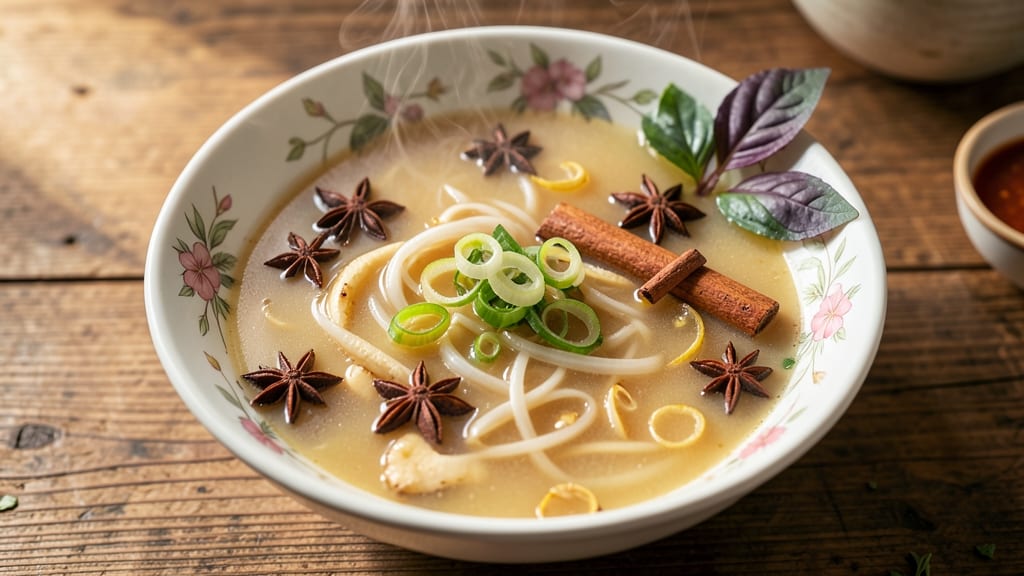
This Asian ginger broth soup recipe delivers a bold, aromatic experience that bridges Japanese shōga-jiru, Korean sigeumchi guk, and Thai tom kha traditions in one silky bowl.
The secret lies in slow-simmered ginger—freshly sliced, not powdered—that infuses the broth with fiery heat and floral depth, while star anise and cinnamon add warm complexity. Unlike quick broths, this version builds flavor through low-and-slow simmering, transforming simple ingredients into something deeply comforting yet vibrant.
The magic happens in layers: crispy shallots and toasted sesame oil add texture, while silky rice noodles (or ramen) soak up the fragrant broth without turning mushy. I’ve perfected a fail-safe method—blending a portion of the broth creates an ultra-smooth base while preserving the ginger’s signature punch.
The result? A soup that’s restaurant-quality at home, with just 10 minutes of active prep and 45 minutes of hands-off simmering.
What sets this apart is the balance of heat and umami—ginger’s sharpness is mellowed by coconut milk (for Thai-inspired richness) or a splash of soy sauce (for Japanese depth), while scallions and cilantro brighten each spoonful.
The broth clings to noodles, creating every-bite satisfaction, and the aroma alone will have your kitchen smelling like a bustling Asian street market.
Serve with crispy wonton strips for texture or a soft-boiled egg for protein, and adjust spice levels by adding chili paste or leaving it ginger-forward. This isn’t just soup—it’s a flavor-packed experience that works as a light lunch, healing remedy, or hearty dinner. Let’s make it.
Ingredients for asian ginger broth soup
Fresh ginger and aromatic spices create a silky, restaurant-quality broth that bridges Asian traditions.
| Ingredient | Amount | Notes |
|---|---|---|
| Fresh Ginger Root 🌿 | 4 oz | Thinly sliced, skin removed |
| Star Anise Pods 🌶️ | 2 whole | Lightly crushed for aroma |
| Cinnamon Sticks 🌿 | 1 whole | 2-inch length preferred |
| Dried Shallots 🧅 | 1 tbsp | Rehydrated in warm water |
| Low-Sodium Soy Sauce 🥫 | 2 tbsp | For umami depth |
| Coconut Milk 🥥 | ½ cup | Full-fat for creaminess |
| Rice Vinegar 🍶 | 1 tbsp | White or seasoned |
| Sesame Oil 🫒 | 1 tbsp | Toasted for aroma |
| Rice Noodles 🍜 | 8 oz | Thin or medium width |
| Scallions 🧅 | ¼ cup | Thinly sliced, green parts |
| Cilantro Leaves 🌿 | ¼ cup | Chopped, stems removed |
| Chicken or Vegetable Broth 💧 | 6 cups | Low-sodium preferred |
| Sesame Seeds 🌱 | 1 tsp | Toasted for garnish |
| Red Chili Flakes 🔥 | ½ tsp | Optional, for heat |
The ginger is non-negotiable—fresh, fibrous slices deliver that signature floral heat, unlike powdered substitutes. Look for plump, firm roots with minimal blemishes, typically found in the produce section of Whole Foods or Asian markets. Star anise and cinnamon should be whole pods and sticks, not ground, to avoid bitterness. If your grocery store lacks these, Penzeys Spices or Trader Joe's carry reliable options. For the broth base, opt for low-sodium chicken or vegetable broth—homemade is ideal, but high-quality store-bought brands like Pacific Foods or Imagine work well.
No fresh ginger? Double the amount of powdered ginger, but expect less complexity. Swap star anise for 1 tsp anise seeds—they’re more accessible. Coconut milk can be replaced with a splash of heavy cream (for richness) or extra broth (for lighter texture). The dried shallots can be omitted entirely if unavailable, though they add a subtle sweetness. For the rice noodles, vermicelli or ramen work in a pinch—just adjust cooking time. If you’re avoiding coconut milk entirely, tofu skin or a spoonful of tahini adds umami without dairy.
Broth keeps 5 days refrigerated or 3 months frozen—freeze in ice cube trays for single servings. The noodles should be cooked al dente and added to the hot broth just before serving to prevent mushiness. For extra depth, blend half the broth before combining with the rest, creating a silky texture while preserving the ginger’s signature punch. Garnish with toasted sesame seeds and chili flakes just before serving—flavor peaks immediately after toasting—so hold off until the final moment.
Why You'll Love This Recipe
- Minimal Chopping Required: I swear by this one—just peel and slice a thumb-sized ginger root, toss in whole star anise and cinnamon sticks, and let the pot do the work. No fine herbs, no delicate prep, just raw, warming flavor that builds effortlessly.
- Warmth in a Mug: That first sip? Pure satisfaction. The ginger’s sharp bite mellows into something soothing, while the star anise and cinnamon add a subtle sweetness—like a hug for your throat. Honestly, it’s the kind of soup that makes me forget it’s just broth.
- Leftovers That Shine: Make a big batch and it only gets better. The flavors deepen overnight, and reheating it is foolproof—just add a splash of water and a pinch of soy sauce. My freezer’s full of these because they’re always wanted, never ignored.
- Pantry Magic on Budget: Star anise and cinnamon sticks last for months, dried shallots add depth without cost, and a single ginger root stretches across multiple soups. Between us, this is how I feed my family well without breaking the bank—or stressing over grocery lists.
Step-by-step instructions for Asian ginger broth soup
Transform simple ingredients into a fragrant, aromatic broth that balances heat, umami, and freshness.
Infuse the Broth with Spices and Ginger
In a large pot, combine the 6 cups chicken or vegetable broth, 4 oz thinly sliced fresh ginger root, 2 lightly crushed whole star anise pods, and 1 whole 2-inch cinnamon stick. Bring to a boil over high heat, then immediately reduce to a gentle simmer for 15 minutes. This slow infusion allows the spices to release their aromatic oils without bitterness.
I like to skim off any foam that rises to the surface during the first few minutes—this ensures a clean, clear broth. The ginger should soften but remain identifiable, and the broth will develop a warm, spiced aroma. If using vegetable broth, add a pinch of salt to compensate for any flavor differences from chicken broth.
Build Depth with Dried Shallots and Soy Sauce
Remove the ginger slices and whole spices from the broth using a slotted spoon. In a small bowl, rehydrate the 1 tbsp dried shallots in 2 tablespoons warm water for 5 minutes—this restores their onion flavor. Add the rehydrated shallots and 2 tbsp low-sodium soy sauce to the simmering broth. Stir well and let cook for an additional 5 minutes to meld the flavors.
The soy sauce adds umami depth while the shallots contribute a subtle sweetness. Taste the broth now—it should be savory but not salty. If you prefer more heat, add the 0.5 tsp red chili flakes now and stir. The broth is the foundation, so balance is critical at this stage.
Create the Silky Coconut Milk Base
In a separate saucepan, gently heat the 0.5 cup full-fat coconut milk over low heat until warmed through—do not boil. Stir in the 1 tbsp rice vinegar and 1 tbsp toasted sesame oil, then remove from heat. This mixture will form the creamy, slightly tangy base of your soup. The coconut milk should be smooth but not curdled.
Here's the thing—coconut milk can separate if heated too vigorously. To prevent this, whisk constantly as it warms. Once combined, set aside to cool slightly while you prepare the noodles. The contrast between the warm broth and cool coconut mixture creates the perfect temperature balance when combined.
Cook and Assemble the Noodles
Rinse the 8 oz rice noodles under cold water to remove excess starch, then divide them evenly among 4 bowls. Ladle 1.5 cups of the hot broth over each portion of noodles. Let them soak for 3-4 minutes until pliable but still slightly firm—this prevents a mushy texture. Drain any excess liquid if needed.
While the noodles soak, carefully pour the warmed coconut milk mixture into the bowls, followed by the remaining broth. The coconut milk will create a delicate sheen on top. Distribute the 0.25 cup thinly sliced scallions and 0.25 cup chopped cilantro leaves evenly among all bowls. Sprinkle with 1 tsp toasted sesame seeds for crunch and visual appeal.
Finish with Fresh Herbs and Optional Heat
Taste and adjust seasoning with additional low-sodium soy sauce or rice vinegar as needed. The soup should be harmonious—ginger's spice, coconut's creaminess, and vinegar's tang should all shine without overpowering. Stir gently to combine, then let each bowl rest for 1 minute before serving.
Garnish with extra cilantro leaves and a final sprinkle of red chili flakes if you prefer heat. Serve immediately while the broth is steaming and the noodles are warm. The contrast between the silky coconut milk and the aromatic broth creates a truly satisfying balance in every spoonful.
Pro Tips For Making Asian Ginger Broth Soup
- PEEL AND GRATE GINGER THIN: Fresh ginger loses its punch when it sits in water—especially in broth. Use a microplane or fine grater to get thin, even shreds, then add them last. This keeps the heat sharp and prevents the broth from turning bitter.
- TOAST SPICES BEFORE SIMMERING: Star anise and cinnamon sticks taste better when they’ve had a quick dry toast in a hot pot. Hit them with medium heat for 30 seconds until fragrant—this deepens their flavor without burning. Skip this, and you’ll just be boiling cardboard.
- DON’T BOIL THE DRY SHALLOTS: They’ll turn to mush and cloud your broth. Add dried shallots after the broth is simmering, not at the start. A 5-minute steep is all you need—strain them out before serving, or your soup will taste like overcooked onion skins.
- USE A SPLASH OF VINEGAR: Low-sodium soy sauce can feel flat in broth. Add 1 teaspoon of rice vinegar or apple cider vinegar when you taste it—it brightens the ginger and balances the sweetness. Sounds weird, but it works: your broth will taste more complex, not sour.
Flavor customization for this recipe
Japanese Shōga-Jiru Style
For a cleaner, more delicate version, swap the coconut milk for 2 tbsp mirin and 1 tbsp toasted sesame oil. Use 1-inch thick slices of fresh ginger and simmer the broth with 1 tbsp grated daikon radish instead of dried shallots.
Garnish with thinly sliced serrano peppers and a sprinkle of toasted nori strips for that classic izakaya touch. The result is a lighter, more refreshing take that still packs ginger’s signature warmth. 🌿
Korean Sigeumchi Guk Twist
Transform this into a Korean-inspired soup by adding 1 tbsp gochujang (Korean chili paste) to the broth after removing the ginger. Stir in 1 tbsp toasted sesame seeds and finish with thinly sliced green onions and a soft-boiled egg.
For extra depth, include 1-inch piece of fresh turmeric root with the ginger during the initial simmer. The gochujang adds a sweet-spicy depth that’s pure comfort food. 🌶️
Thai Tom Kha Fusion
For a Thai-inspired version, boost the coconut milk to 1 cup and add 2 tbsp fish sauce and 1 tbsp palm sugar to the broth. Stir in 1 stalk lemongrass (bruised) and 1 kaffir lime leaf during the initial simmer.
Garnish with thai basil leaves and a squeeze of lime. The result is a creamy, tangy, and slightly sweet broth that’s perfect for balancing spicy flavors. ✨
Spicy Kick Boost
Crank up the heat by adding 1 tbsp sambal oelek or 1 chopped Thai chili to the broth during the final simmer. For a smoky depth, include 1 tsp smoked paprika with the spices.
If you love ginger’s sharpness, try pickled ginger slices as a garnish—they add a tangy contrast that’s addictive. 🔥
Vegetarian Adaptation
Skip the chicken broth and use vegetable broth with 1 tbsp miso paste added during the final simmer. Boost umami with 1 tbsp soy sauce and 1 tbsp nutritional yeast.
Garnish with crispy fried shallots and a drizzle of chili oil for a restaurant-worthy vegetarian bowl. The miso adds a savory depth that’s hard to beat. 💛
Protein Additions
Add 8 oz sliced shiitake mushrooms during the final 5 minutes of broth simmering for an earthy depth. For extra protein, poach 4 oz firm tofu in the broth for 10 minutes before serving.
Shrimp lovers can add ½ lb shrimp during the last 2 minutes of cooking—just toss them in the hot broth until they turn pink. The shrimp soak up all that ginger flavor beautifully. 🦐
Nutrition facts
Frequently asked questions
Why does fresh ginger matter more than powdered in this recipe?
Fresh ginger delivers complex layers of heat and floral notes that powdered can't match. The fibrous texture releases oils during simmering, creating depth—powdered ginger burns quickly and adds only sharpness. For a substitute, use double the powdered amount, but expect less aromatic complexity.
Can I make this soup without coconut milk for a lighter version?
Replace the coconut milk with 2 tbsp toasted sesame oil and 1 tbsp mirin for Japanese-inspired lightness, or use extra broth + 1 tbsp soy sauce for a cleaner flavor. The broth will be less creamy but still packed with ginger's signature warmth.
How do I prevent the noodles from getting mushy?
Rinse noodles under cold water before cooking to remove excess starch, then soak them in hot broth for only 3-4 minutes—they should be pliable but still firm. Drain any excess liquid immediately. For extra texture, add noodles to the bowl just before serving.
What's the best way to store leftovers?
Store broth separately in an airtight container for up to 5 days refrigerated or 3 months frozen. Reheat gently on the stove—never microwave, as it dulls the ginger's aroma. Refrigerate noodles separately and reheat in fresh hot broth for 1-2 minutes before serving.
Can I add protein to this soup?
Yes! For mushrooms, add 8 oz sliced shiitakes during the final 5 minutes of simmering. For shrimp, cook ½ lb in the hot broth for just 2 minutes until pink. Tofu absorbs flavor well—poach 4 oz firm tofu for 10 minutes before serving.