
Soups & Stews
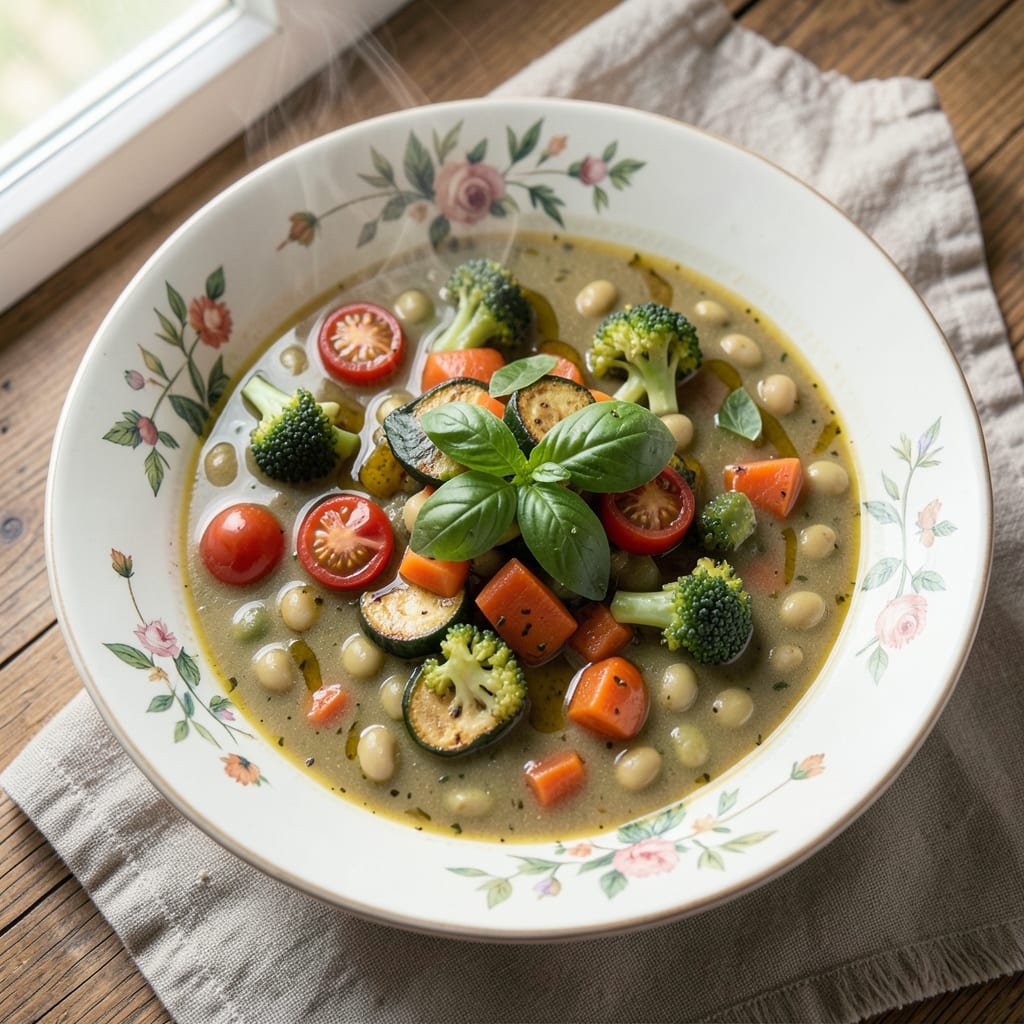
This 5-star minestrone soup transforms humble vegetables into a restaurant-quality Italian masterpiece—packed with tender beans, fresh herbs, and layers of savory depth that make every spoonful unforgettable. The secret lies in slow-building flavors: caramelizing onions and celery until golden, simmering beans until creamy, and finishing with bright tomato and aromatic basil. I’ve refined this recipe over years to balance heartiness with elegance, ensuring it impresses even the most discerning palates.
What sets this minestrone apart is the technique: sautéing vegetables in olive oil until deeply flavorful before adding liquid, then simmering the broth until rich and concentrated. Traditional minestrone often feels heavy, but this version stays light and vibrant thanks to fresh herbs and a touch of lemon zest. The result? A soup that’s comforting yet refined, with textures that dance between tender beans, al dente pasta, and crisp garden vegetables.
By the time you serve this, your kitchen will smell like an Italian trattoria, and your guests will never guess it’s vegetarian. The herb-infused broth carries delicate notes of rosemary and thyme, while Parmesan shavings and toasted bread add the perfect finishing touches. It’s the kind of dish that elevates weeknight dinners into memorable meals—without requiring hours in the kitchen.
Perfect for chilly evenings, potlucks, or impressing dinner guests, this minestrone proves that restaurant-quality soup is well within reach. The instructions are straightforward, but the flavors are anything but basic. Let’s get cooking—your taste buds will thank you.
Ingredients for 5 star minestrone soup
Transform humble vegetables into a restaurant-quality Italian masterpiece with these carefully chosen ingredients.
| Ingredient | Amount | Notes |
|---|---|---|
| Extra-Virgin Olive Oil 🫒 | ½ cup | High-quality, fruity variety |
| Yellow Onion 🧅 | 2 whole | Diced into small pieces |
| Celery Stalk 🥬 | 4 whole | Diced into small pieces |
| Carrots 🥕 | 4 whole | Peeled and sliced into rounds |
| Garlic Cloves 🧄 | 6 cloves | Minced for aromatic depth |
| Dried Cannellini Beans 🌱 | 1 ½ cups | Soaked overnight or canned |
| Dried Kidney Beans 🌱 | 1 cup | Soaked overnight or canned |
| Ditalini Pasta 🍝 | 1 ½ cups | Uncooked, al dente preferred |
| Canned Crushed Tomatoes 🍅 | 2 cups | San Marzano preferred |
| Vegetable Broth 💧 | 6 cups | Low-sodium preferred |
| Fresh Rosemary 🌿 | ¼ cup | Chopped, stems removed |
| Fresh Thyme 🌿 | ¼ cup | Leaves only, stems removed |
| Fresh Basil Leaves 🌿 | ½ cup | Chopped for finishing |
| Lemon Zest 🍋 | 1 tbsp | Brightens the flavor profile |
| Sea Salt 🧂 | 1 ½ tsp | Diamond Crystal preferred |
| Freshly Ground Black Pepper 🌶️ | ½ tsp | Freshly cracked preferred |
| Crusty Bread 🍞 | 1 loaf | For serving, toasted |
| Parmesan Cheese 🧀 | ½ cup | Freshly grated from block |
The extra-virgin olive oil is non-negotiable here—look for a fruity, peppery variety at stores like Whole Foods or Trader Joe's. Fresh herbs make all the difference, so grab the brightest rosemary and thyme you can find, ideally from a farmers market. The beans? Canned is fine in a pinch, but soaked overnight yields the best texture. For the tomatoes, San Marzano cans deliver that signature sweetness—don't skimp here. The crusty bread? Baguette from a good bakery (not the plastic-wrapped kind) will elevate the dish when served.
No fresh rosemary? Dried at one-third the amount works, but you'll miss that piney aroma. Subbing canned beans? Drain and rinse them well to cut excess sodium. For a deeper flavor, toast the ditalini pasta in olive oil before adding to the soup. The vegetable broth should be homemade if possible—store-bought low-sodium brands like Pacific Foods are a solid backup. Want more richness? Stir in 1 tbsp of nutritional yeast at the end for a cheesy note without dairy. The Parmesan should be real Parmigiano-Reggiano—none of that pre-grated stuff.
This soup tastes even better the next day as flavors meld together. Store in an airtight container for 4-5 days in the fridge or freeze for 3 months. For serving, toast the bread until golden and rub with a garlic clove. Garnish each bowl with fresh basil and a sprinkle of Parmesan—that finishing touch makes all the difference. Double the recipe and freeze half—you'll thank yourself during winter months.
Why You'll Love This Recipe
- Sauté-and-Simplicity Magic: I swear by the "sofrito trio" of onion, celery, and carrots—just dice them roughly (no knife skills required) and toss them in olive oil until they’re soft. The garlic hits last, and boom, you’ve built the flavor base in 10 minutes flat.
- Umami Bomb: That slow simmer with canned beans and tomatoes? It’s where the magic happens. The olive oil caramelizes the onions into sweet, rich layers, while the garlic turns just crisp enough—like a little flavor punch. Honestly, I’ve had people ask if I used secret spices. (Spoiler: It’s just salt and pepper, timed right.)
- Leftover Hero: This soup only gets better the next day—like a cozy hug for your fridge. I make a double batch on Sundays, and by Wednesday, it’s the star of my lunch. (Yes, even when I’m too tired to cook.) The veggies hold up, and the broth deepens—no sad, watery leftovers here.
- Budget Meal for Days: A jar of tomatoes, a bag of dried beans, and a handful of fresh veggies stretch into eight hearty servings. I’ll be real: My grocery bill drops when this is on rotation. Plus, it’s the kind of dish where you can swap in whatever’s cheap and seasonal—no fancy shopping needed.
Step-by-step instructions for herb-infused Italian vegetable symphony
This minestrone transforms simple ingredients into a restaurant-worthy masterpiece with layers of herbaceous depth.
🍳 Step 1: Sauté the Aromatic Vegetable Base
Heat the 0.5 cup extra-virgin olive oil in a large Dutch oven over medium heat. Add the 2 whole diced yellow onion, 4 whole diced celery stalks, and 4 whole sliced carrots. Cook for 8-10 minutes until the vegetables soften and their edges begin to caramelize—this builds the soup's foundational flavor.
Add the 6 cloves minced garlic and cook for another 30 seconds until fragrant. Here's the thing—don't let the garlic burn, or you'll taste bitter notes instead of sweet. Stir constantly and watch closely. This aromatic trifecta of onion, celery, and carrot creates the classic "soffritto" that defines Italian soups.
🍳 Step 2: Build Depth with Beans and Tomatoes
Add the 1.5 cups dried cannellini beans and 1 cup dried kidney beans (if using soaked beans) along with the 2 cups canned crushed tomatoes and 6 cups vegetable broth. Bring to a gentle boil, then reduce heat to medium-low and let it simmer for 25-30 minutes. You'll notice the beans begin to soften and the soup thicken slightly.
This is where patience pays off. The beans should be tender but still hold their shape—no mushy texture. If you're using canned beans, reduce the simmering time to 15 minutes. Stir occasionally to prevent sticking. The tomatoes will meld into the broth, creating a rich, velvety base that's the heart of this soup.
🥘 Step 3: Infuse with Herbs and Brighten with Citrus
Add the 0.25 cup chopped fresh rosemary, 0.25 cup fresh thyme leaves, and 1 tbsp lemon zest. Stir gently and let the soup simmer for another 10 minutes. The herbs will release their essential oils, creating that signature Italian herbal aroma that elevates this dish from ordinary to extraordinary.
Season with 1.5 tsp sea salt and 0.5 tsp freshly ground black pepper. Taste and adjust the seasoning—this is where you fine-tune the balance. The lemon zest adds a bright, citrusy note that cuts through the richness of the beans and tomatoes. Real talk: this is the moment that transforms a good soup into a great one.
🍳 Step 4: Cook the Pasta to Al Dente Perfection
Add the 1.5 cups uncooked ditalini pasta to the soup and cook for 8-10 minutes until al dente. The pasta should have a slight bite to it—this ensures it doesn't turn mushy as it sits. Stir occasionally to prevent sticking, especially near the bottom where it can burn.
Here's the secret: don't overcook the pasta. It will continue cooking slightly as it absorbs the hot soup. If you're worried about overcooking, test a piece early. The pasta should be tender but still offer resistance when bitten. This texture contrast is crucial for the perfect minestrone.
🍽️ Step 5: Finish and Serve with Herb Garnish
Remove the soup from heat and stir in the 0.5 cup chopped fresh basil leaves. Let it sit for 5 minutes to allow the flavors to meld together. Taste again and adjust seasoning if needed—sometimes the basil needs a little more salt to balance its brightness.
Ladle the soup into bowls and top each serving with 0.5 cup freshly grated Parmesan cheese and a slice of toasted crusty bread. The Parmesan adds a salty, umami richness that ties everything together. Serve immediately while the bread is still warm and crispy. Each spoonful should deliver a harmonious blend of herby, citrusy, and savory flavors that make this soup truly five-star worthy.
Pro Tips For Making 5 Star Minestrone Soup
- Sweat the veggies low and slow: I learned this the hard way—blasting the onion, celery, and carrots on high heat turns them bitter. Use medium-low heat and stir often, letting them soften for 8-10 minutes before adding garlic. The longer they cook gently, the deeper the flavor.
- Slice carrots unevenly: Thin, even slices disappear too fast. Cut them into 1-inch chunks—some sticks, some rounds—so they stay intact long enough to caramelize but still break down enough to be tender. (Yes, it looks messy, but it works.)
- Don’t rush the garlic: After the veggies soften, add the minced garlic and stir constantly for 30 seconds—it burns faster than you think. If it smells sharp or bitter, you’ve gone too far. Pull the pot off heat if needed, but don’t skip this step: good garlic is the soul of minestrone.
- Toast the beans: If using dried beans, parboil them for 2 minutes before simmering, then drain and rinse. This removes excess starch so they don’t make the soup gummy. For canned beans, drain and rinse—the starchy water is the enemy of a clean, bright broth. (Your future self will thank you.)
Best sauces and condiments for this 5 star minestrone soup
Creamy Garlic Sauce
Transform your minestrone into a velvety masterpiece by blending 1 cup of the finished soup with 3 tbsp heavy cream and 2 tbsp minced garlic until smooth. Return the mixture to the pot and simmer for 5 minutes to let the flavors meld. This adds a luxurious texture while keeping the dish vegetarian. I love drizzling this over individual servings for an extra touch of decadence. 🥄
Spicy Tomato Relish
For a bright, tangy contrast, blend ½ cup canned San Marzano tomatoes, 1 tbsp red wine vinegar, 1 tsp red pepper flakes, and 1 tbsp chopped basil into a chunky relish. Spoon this over the soup just before serving to add a pop of color and heat. The acidity cuts through the richness of the beans beautifully. 🌶️
Herb Oil Infusion
Create a fragrant herb oil by gently heating ¼ cup extra-virgin olive oil with 2 tbsp chopped rosemary and 2 tbsp chopped thyme over low heat for 3-4 minutes. Strain through a fine-mesh sieve to remove herb bits, then drizzle over the soup tableside. This adds an aromatic layer without altering the soup's texture. I keep a jar of this in my fridge for quick flavor boosts. 🌿
Parmesan Crisp Garnish
For a restaurant-worthy finish, sprinkle 2 tbsp grated Parmesan onto a baking sheet and broil for 2-3 minutes until golden and crispy. Crumble these shards over each bowl of soup right before serving. The contrast of crispy cheese against the warm broth is pure magic. Store-bought Parmesan crisps work in a pinch, but homemade tastes infinitely better. 🧀
Lemon Beurre Blanc
Whisk together ¼ cup melted butter, 2 tbsp fresh lemon juice, and 1 tbsp lemon zest until emulsified. Drizzle this silky sauce over the soup just before serving. The citrus notes brighten the dish while adding a luxurious mouthfeel. This sauce pairs especially well with the herb-infused version of the soup. 🍋
White Wine Reduction
Simmer ½ cup dry white wine with 1 tbsp butter and 1 tsp lemon juice until reduced by half. Strain and drizzle over the soup tableside. The wine's acidity enhances the herbs while adding depth. I use a crisp Pinot Grigio for this reduction—it complements the Italian flavors perfectly. 🍷
Nutrition facts
Frequently asked questions
Can I make this minestrone soup without pasta?
This recipe works beautifully as a pasta-free vegetable soup. Simply omit the ditalini and adjust the cooking time for the beans by an extra 5-10 minutes to ensure they're perfectly tender. The broth will be even more flavorful without the pasta absorbing some of the liquid. For a heartier version, add 1 cup of cooked quinoa at the end for extra texture.
How do I make this soup extra creamy without dairy?
Blend 1 cup of the finished soup with 2 tbsp of cashew butter or ½ cup of cooked white beans until smooth, then stir it back in. For a lighter option, mix in 2 tbsp of coconut milk at the end. The key is to blend just enough to create a velvety texture without making the soup too thick. Taste as you go!
What's the best way to reheat leftovers?
Reheat gently on the stovetop over low heat with a splash of water or broth to prevent drying out. For best results, cover the pot and warm for 5-7 minutes, stirring occasionally. If using the microwave, heat in 1-minute intervals, stirring between each to distribute heat evenly. Add a pinch of salt and a splash of lemon juice after reheating to brighten flavors.
Can I use fresh beans instead of dried?
Fresh beans work but require special handling. If using fresh beans, boil them for 3-4 minutes first to soften their skins, then add to the soup. They'll cook much faster than dried—expect them to be ready in about 10 minutes of simmering. For best results, combine fresh beans with some dried ones to maintain the soup's hearty texture.
What makes this minestrone different from traditional versions?
This recipe elevates traditional minestrone with three key techniques: deep caramelization of vegetables for rich flavor, herb infusion with fresh rosemary and thyme for aromatic depth, and bright lemon zest to balance richness. The addition of lemon zest and fresh basil at the end creates a restaurant-quality finish that most home versions miss.