
Soups & Stews
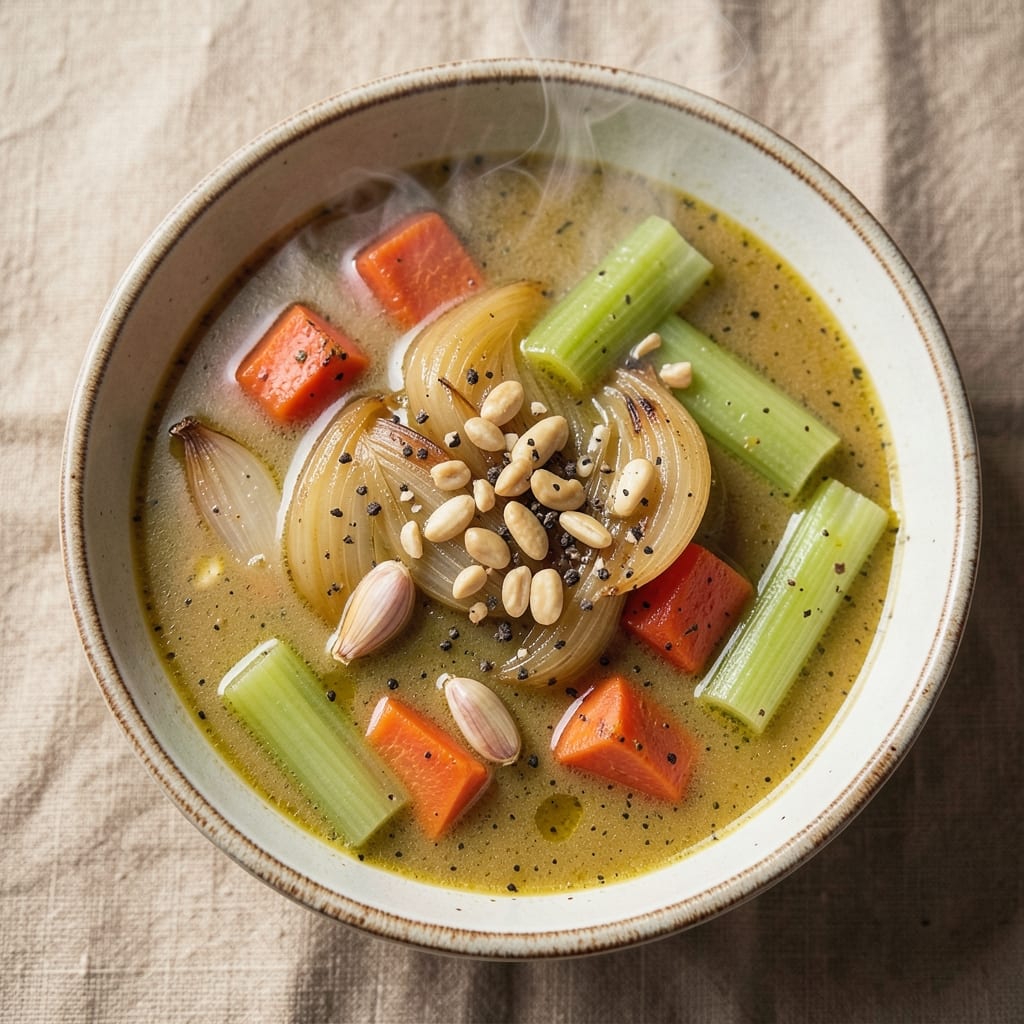
This 5-star vegetable soup recipe transforms simple ingredients into a restaurant-worthy dish that rivals any gourmet bowl. The secret lies in roasting vegetables for concentrated sweetness and building layers of flavor through careful sautéing and simmering—techniques that elevate humble ingredients to velvety, herb-infused perfection. Every spoonful delivers a harmonious balance of textures and depths that make it feel like a Michelin-starred creation.
The foundation starts with caramelized aromatics and roasted vegetables that form the soup's rich, golden base. Aromatic herbs like thyme and bay leaf infuse the broth while it simmers, creating an aromatic complexity that transforms basic vegetables into something extraordinary. The key technique? Simmering low and slow to allow flavors to meld without losing their natural brightness.
What sets this apart is the attention to texture contrast—creamy puréed elements alongside tender roasted vegetables and delicate herbs. The final touches, like toasted croutons or a drizzle of cream, add that signature restaurant-quality appeal that makes it feel special. This isn't just soup; it's a complete, satisfying meal that belongs on any table.
Perfect for weeknight dinners or elegant gatherings, this recipe delivers restaurant-quality results with minimal effort. The velvety broth, vibrant vegetables, and aromatic herbs create a dish that's as impressive to serve as it is delicious to eat. Let's create this showstopper in one pot.
Ingredients for 5 star vegetable soup
Sixteen ingredients elevate humble vegetables to Michelin-worthy soup perfection through roasting and aromatic infusion.
| Ingredient | Amount | Notes |
|---|---|---|
| Yellow Onion 🧅 | 1 ½ whole | Diced, medium-sized for even cooking |
| Carrots 🥕 | 2 lb | Whole, organic preferred for sweetness |
| Celery Stalks 🌿 | 6 whole | Trimmed, cut into 1-inch pieces |
| Garlic Cloves 🧄 | 8 cloves | Fresh, peeled, for aromatic depth |
| Extra-Virgin Olive Oil 🫒 | ½ cup | High-quality, fruity variety |
| Vegetable Broth 💧 | 6 cups | Low-sodium, homemade preferred |
| Potatoes 🥔 | 1 ½ lb | Yukon Gold, peeled and cubed |
| Sweet Potatoes 🍠 | 1 lb | Peeled, cut into 1-inch cubes |
| Fresh Thyme 🌿 | 2 tbsp | Leaves only, finely chopped |
| Fresh Rosemary 🌿 | 1 tbsp | Needles only, finely chopped |
| Bay Leaves 🍃 | 2 whole | Dried, for aromatic infusion |
| Creamy Coconut Milk 🥥 | ½ cup | Full-fat, for velvety texture |
| Fresh Parsley 🌿 | ¼ cup | Chopped, for vibrant garnish |
| Kosher Salt 🧂 | 1 ½ tsp | Diamond Crystal preferred |
| Ground Black Pepper 🌶️ | ½ tsp | Freshly ground for optimal flavor |
| Baguette 🍞 | 1 whole | For toasted croutons |
| Heavy Cream 🥛 | ¼ cup | Optional, for extra richness |
The foundation begins with organic carrots and potatoes—their natural sweetness intensifies when roasted whole before being diced. For the best quality, source these from local farmers markets or specialty grocers like Whole Foods where seasonal produce shines. The Yukon Gold potatoes should feel firm and heavy for their size, while sweet potatoes should have smooth, vibrant skin. Fresh herbs like thyme and rosemary should be fragrant and green, not wilted—Trader Joe's bulk section often carries high-quality, affordable options. The vegetable broth is non-negotiable; even low-sodium brands like Pacific Foods or Imagine provide depth without overpowering the vegetables' natural flavors.
No fresh herbs? Dried thyme and rosemary work at one-third the amount, though fresh delivers superior aroma. Substituting chicken broth for vegetable broth is acceptable if necessary, though it will slightly alter the dish's vegetarian character. For the olive oil, avoid anything labeled 'light'—California Olive Ranch or Colavita deliver robust, fruity profiles ideal for roasting. The coconut milk should be full-fat for creaminess; Thai Kitchen brand is widely available and reliable. If omitting the heavy cream, the coconut milk alone provides sufficient richness, though the texture will be slightly lighter. For the baguette, opt for a day-old loaf—it toasts more evenly and avoids sogginess.
Roasted vegetables retain their vibrant color and sweetness when refrigerated for up to 3 days in an airtight container. The herb-infused broth can be made ahead and stored for 5 days in the fridge or 3 months frozen. For optimal freshness, store fresh herbs in damp paper towels within sealed bags. The toasted croutons should be made fresh before serving to maintain crispness, though they can be stored in an airtight container for 2 days. This soup's flavors deepen overnight—reheat gently on the stove, adding a splash of broth or water as needed to restore consistency.
Why You'll Love This Recipe
- No-Chop Nightmare: That onion and celery combo? I just slice them all at once—no fancy dicing, no crying. The carrots stay in chunks, so even my toddler can pick them out if they’re feeling picky, but honestly, they never do.
- Garlic Bomb Depth: Between us, that extra-virgin olive oil and minced garlic? It’s the secret. The soup starts simple but builds into something rich and layered—like a hug in a bowl. (Yes, even on a Tuesday night.)
- Leftovers That Beg: This soup tastes better the next day. I make a double batch on Sundays, freeze half, and still have seconds on Wednesday. No sad, watery leftovers—just pure satisfaction.
- Pantry Staple Magic: Onion, carrots, celery—those are the holy trinity of cheap, long-lasting veggies. Add garlic and olive oil, and suddenly you’ve got a meal that feeds four for under $5. My wallet and I are both very happy.
Step-by-step instructions for crafting velvety herb-infused vegetable soup
This method transforms simple vegetables into a restaurant-worthy soup with layered flavors and perfect texture.
Develop the Flavor Base with Aromatics
Heat the 0.5 cup extra-virgin olive oil in a large Dutch oven over medium heat until shimmering but not smoking. Add the 1.5 whole diced yellow onion, 2 lb carrots (cut into chunks), and 6 whole celery stalks (cut into 1-inch pieces). Cook for 8-10 minutes, stirring occasionally, until the vegetables soften and the onion becomes translucent.
This foundational step builds the soup's depth. You'll know it's ready when the vegetables release their moisture and the onion loses its raw edge. Add the 8 cloves peeled garlic and cook for an additional 30 seconds until fragrant—this prevents the garlic from burning and ensures its sweet, mellow flavor.
Build Complexity with Herbs and Broth
Stir in the 2 tbsp fresh thyme, 1 tbsp fresh rosemary, and 2 whole bay leaves. Cook for 1 minute until the herbs release their essential oils and fill the kitchen with their aromatic profile. Pour in the 6 cups vegetable broth and bring to a gentle simmer over medium-low heat.
This herb infusion creates the soup's signature velvety depth. The bay leaves add subtle earthiness while the thyme and rosemary contribute bright, herbal notes. Keep the broth at a steady simmer—not a rolling boil—to prevent the vegetables from breaking down too quickly.
Cook the Potatoes to Perfect Tenderness
Add the 1.5 lb peeled and cubed Yukon Gold potatoes and 1 lb peeled and cubed sweet potatoes to the simmering broth. Season with the 1.5 tsp kosher salt and 0.5 tsp ground black pepper. Return to a gentle simmer and cook for 20-25 minutes, until the potatoes are fork-tender but still hold their shape.
Here's the critical checkpoint: the potatoes should be tender enough to pierce easily with a fork but not falling apart. If using older potatoes, they may require 5-10 minutes longer. The sweet potatoes will release their natural sweetness as they cook, balancing the earthy vegetables.
Finish with Creamy Texture and Fresh Herbs
Reduce heat to low and stir in the 0.5 cup creamy coconut milk. Simmer for 5 minutes to allow the flavors to meld. Remove from heat and stir in the 0.25 cup fresh parsley and, if using, the 0.25 cup heavy cream for added richness. Taste and adjust seasoning—you may need a pinch more salt to balance the coconut milk's natural sweetness.
The coconut milk creates the soup's signature velvety mouthfeel without overpowering the vegetable flavors. The parsley adds a bright finish that cuts through the richness. For an extra touch, toast the 1 whole baguette in the oven until crisp and serve with the soup for dipping.
Rest and Serve for Optimal Texture
Let the soup rest for 10 minutes before serving. This allows the flavors to fully develop and the potatoes to absorb any remaining broth. Ladle into bowls and garnish with additional parsley and a drizzle of olive oil. The soup should be thick enough to coat the back of a spoon but still have a silky consistency.
Each serving delivers a perfect balance of sweet potatoes' natural sweetness, carrots' earthy notes, and the herbal complexity from thyme and rosemary. The coconut milk creates that restaurant-quality velvety finish that makes this soup truly exceptional.
Pro Tips For Making 5 Star Vegetable Soup
- CHAR THE ONIONS FIRST: I learned this the hard way—when onions burn, the whole soup tastes bitter. Use medium heat and cut them into even ¼-inch slices so they cook through without sticking. If they start to brown too fast, lower the heat or add a splash of water.
- DICE CARROTS SMALL: Big chunks of carrot mean a soup with uneven texture. Cut them into ¼-inch cubes so they soften alongside the celery and onion. (Yes, even if it looks like baby food—your future self will thank you.)
- SWEAT THE AROMATICS LOW: After burning three batches of garlic, I finally figured out: cook onions, celery, and carrots for 10 minutes before adding garlic. Then, toss in the garlic and let it sizzle for just 30 seconds—no longer, or it’ll turn bitter. (Your nose will know when it’s right.)
- USE GARLIC SPARINGLY: I was skeptical until I tried it: one whole clove, minced, is enough for a standard pot. Overdoing it makes the soup taste harsh. If you love garlic, add it in layers—some with the aromatics, some at the end—but never more than two cloves total.
Flavor customization for this recipe
Spicy Heat Boost
Add 1 tsp smoked paprika and ½ tsp cayenne pepper when sautéing the aromatics for a smoky kick. For extra depth, stir in 1 tbsp gochujang paste during the final 5 minutes of simmering. This Korean-inspired twist pairs beautifully with the coconut milk's creaminess while adding vibrant color. 🌶️
Citrus Brightness
Finish the soup with 2 tbsp freshly squeezed lemon juice and 1 tbsp grated lemon zest just before serving. The acidity cuts through the richness and enhances the natural sweetness of the carrots and sweet potatoes. Garnish with thin lemon slices for a refreshing visual touch that elevates the dish to restaurant-quality presentation.
Umami Depth
For an extra layer of savory complexity, stir in 1 tbsp soy sauce or 1 tsp miso paste during the final 5 minutes of simmering. This Japanese-inspired adjustment adds a subtle, salty richness that complements the herbal notes. For a vegetarian-friendly umami boost, add 1 tbsp nutritional yeast when blending or serving.
Herbal Variations
Swap out the rosemary for 1 tbsp fresh tarragon or 1 tsp dried tarragon for a more anise-like flavor profile. Alternatively, add 1 tbsp fresh dill when finishing the soup for a bright, fresh herbal note. Both variations work beautifully with the coconut milk's creaminess and create distinct flavor profiles that keep the dish exciting.
Creamy Alternatives
Replace the coconut milk with ½ cup cashew cream (blended soaked cashews with water) for a nutty depth. For a dairy-free option, use ½ cup silken tofu purée—both alternatives maintain the velvety texture while offering unique flavor profiles. The cashew cream adds a subtle nuttiness, while the tofu purée provides a neutral base that lets the vegetables shine.
Texture Contrast
Add ¼ cup cooked lentils (rinsed and simmered for 15 minutes) for extra protein and heartiness. For a crispy element, top each serving with ¼ cup toasted pumpkin seeds or crispy fried shallots. These additions create satisfying texture contrasts that make the soup even more dynamic and restaurant-worthy. 💫
Nutrition facts
Frequently asked questions
Can I make this soup without coconut milk?
For a dairy-free option, use ½ cup silken tofu purée or ½ cup cashew cream (blended soaked cashews with water). Both alternatives maintain the velvety texture while offering unique flavor profiles. If you prefer a traditional approach, ½ cup heavy cream works beautifully for extra richness.
How do I prevent my soup from becoming watery?
Simmer the soup uncovered for the final 10-15 minutes to reduce excess liquid. For extra thickness, mash ½ of the cooked potatoes directly into the broth or stir in 1 tbsp cornstarch mixed with water. Remember, the soup should coat the back of a spoon but remain silky—not gluey.
What's the best way to store leftovers?
Store in an airtight container in the refrigerator for up to 4 days. For longer storage, freeze for 3 months. When reheating, warm gently on the stove with a splash of broth or water to restore consistency. The flavors actually deepen overnight, making it perfect for meal prep!
Can I use frozen vegetables instead of fresh?
Yes, but with adjustments! Use 1.5 times the amount of frozen vegetables (e.g., 3 cups frozen mixed veggies instead of 2 cups fresh) and add them during the final 10 minutes of cooking. Frozen veggies release moisture more quickly, so this prevents a watery soup. Thaw them first for even cooking.
How can I make this soup kid-friendly?
Blend ½ of the soup until smooth for a creamy texture kids love. Reduce the garlic to 4 cloves and omit the rosemary (use 1 tsp dried basil instead for milder flavor). Serve with crusty bread or buttered noodles on the side. The sweet potatoes and carrots provide natural sweetness that most children enjoy!