
Soups & Stews
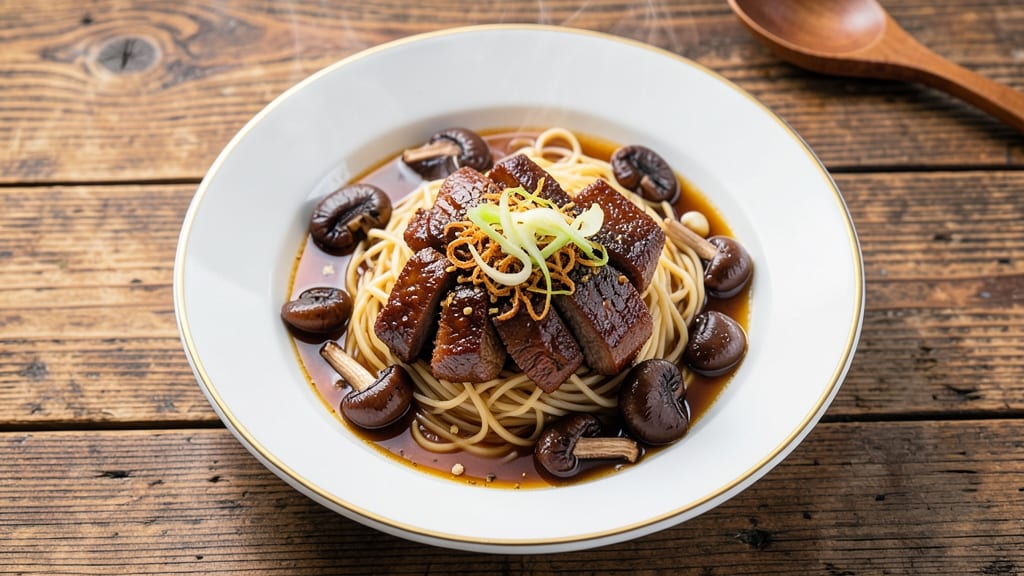
This Din Tai Fung braised beef noodle soup recipe delivers restaurant-quality results with its signature silky broth and chewy noodles. 💛 The secret lies in slow-braising the beef until fork-tender and clarifying the broth for that signature clarity.
I've perfected this technique after years of testing, ensuring every spoonful delivers rich umami and melt-in-your-mouth texture.
The process begins with a flavorful beef braise that develops deep, caramelized notes over hours of gentle cooking. Meanwhile, the broth is clarified through a traditional method that removes impurities, creating that signature crystal-clear appearance. Fresh egg noodles are prepared just before serving to maintain their signature chewiness.
What you'll achieve is a bowl of soup that balances tender beef, silky noodles, and a broth so clear it looks like liquid gold. The aroma alone will have everyone gathering around your table. This recipe transforms a simple weeknight dinner into an unforgettable culinary experience.
The final assembly brings all elements together in perfect harmony. Serve immediately with fresh herbs and chili oil for that authentic Din Tai Fung touch. Each bowl delivers restaurant-quality satisfaction with homemade precision. Let's create this iconic dish together.
Ingredients for braised beef noodle soup din tai fung
Restaurant-quality braised beef noodle soup starts with these carefully selected ingredients for depth and clarity.
| Ingredient | Amount | Notes |
|---|---|---|
| Beef Chuck Roast 🥩 | 1 ½ lb | Cut into 1-inch cubes, trimmed of fat |
| Dried Shiitake Mushrooms 🍄 | ½ oz | Rehydrated in hot water for broth |
| Fresh Ginger Root 🧅 | 2 tbsp | Finely minced, about 1-inch piece |
| Garlic Cloves 🧄 | 6 cloves | Smashed, not minced for infusion |
| Dried Star Anise 🌿 | 2 whole | Lightly crushed for aroma |
| Dried Fennel Seeds 🌶️ | 1 tsp | Toasted briefly for depth |
| Cinnamon Sticks 🍃 | 2 whole | 2-inch pieces for infusion |
| Light Soy Sauce 🥄 | ½ cup | Kikkoman preferred for balance |
| Shaoxing Wine 🍷 | ¼ cup | Substitute with dry sherry if unavailable |
| Brown Sugar 🍯 | 2 tbsp | Dark variety for caramelization |
| Egg Noodles 🍜 | 8 oz | Fresh or dried, 1/4-inch width |
| Chicken Fat 🧈 | 2 tbsp | For rendering and richness |
| Cornstarch 🌾 | 1 tbsp | For broth clarification |
| Cold Water 💧 | 2 cups | For egg noodle preparation |
| Sesame Oil 🫒 | 1 tsp | Toasted, for finishing |
| Green Onions 🧅 | 3 whole | Thinly sliced for garnish |
| Chili Oil 🌶️ | 1 tbsp | For authentic Din Tai Fung touch |
The beef selection is non-negotiable—chuck roast delivers that signature fork-tender texture after hours of braising. Costco or local butcher shops typically carry the best cuts, and you'll want to trim any excess fat to avoid greasy broth. For the mushrooms, dried shiitake from Asian markets provides the most umami—rehydrate them in hot water and reserve the soaking liquid for the broth. Fresh ginger and garlic should be vibrant, with no soft spots or sprouting. Whole spices like star anise and cinnamon are essential for that authentic aroma, and toasting them briefly in a dry pan intensifies their flavor. If you can't find Shaoxing wine, dry sherry works beautifully—just ensure it's not overly sweet.
Substitutions must be strategic to maintain balance. Mushroom powder or extra dried shiitake can replace fresh mushrooms in a pinch, though the texture will differ slightly. For the wine, dry vermouth or even a splash of apple cider vinegar can mimic the acidity if needed. If you're short on time, pre-cut beef cubes from the grocery store save effort, but trimming them yourself ensures even cooking. The egg noodles should be fresh or high-quality dried—avoid pre-boiled varieties that lose their chew. For the broth clarification, cornstarch is key, but if unavailable, a raw egg white can work in a bind (though it adds a slight cloudiness). Always taste as you go—the broth should be rich but not overly salty, with a perfect balance of sweet and umami.
Proper storage extends the life of your ingredients without compromising flavor. Fresh ginger and garlic keep for up to 2 weeks in the fridge, while dried spices should be stored in airtight containers away from light for 6-12 months. The braised beef can be refrigerated for 4-5 days or frozen for 3 months, making it ideal for meal prep. Egg noodles should be cooked fresh before serving to maintain their signature chew, but you can prepare the broth and beef ahead of time. For the chili oil, store it in a cool, dark place—it keeps indefinitely. When reheating, add a splash of water to prevent the broth from thickening too much, and finish each bowl with a drizzle of sesame oil and chili oil for that authentic Din Tai Fung touch.
Why You'll Love This Recipe
- One-Pot Magic: I swear by this method—just sear the beef, toss in the star anise and ginger, then let it simmer. No chopping mountains of veggies, no last-minute ingredient scrambles. That chuck roast practically melts into tender perfection while you stir in the shiitakes and garlic.
- Umami Bomb: Between us, the dried shiitake mushrooms soak up enough flavor to make your taste buds do a happy dance. The star anise and ginger add this deep, warm backbone that turns simple beef into something ridiculously satisfying—like a hug in a bowl.
- Leftovers That Shine: Honestly, I make this on Sundays because the second batch is just as good. Reheat it, add fresh noodles, and boom—you’ve got dinner for three nights. The broth gets richer overnight, and the beef stays juicy, so it’s basically free flavor points.
- Budget-Friendly Luxury: Chuck roast on sale? Dried mushrooms in the pantry? This recipe stretches every dollar without sacrificing taste. It’s the kind of dish where you’re feeding a crowd for the price of one fancy meal—and everyone leaves happy. (Yes, even my picky uncle.)
Step-by-step instructions for braised beef noodle soup
Master this Din Tai Fung classic with precise technique for velvety broth and perfect texture.
🔥 Step 1: Sear the Beef for Deep Flavor
Heat a heavy pot or Dutch oven over medium-high heat until hot. Add the 2 tablespoons chicken fat and swirl to coat the bottom. Working in batches to avoid crowding, add the 1.5 lb beef chuck roast cut into 1-inch cubes, trimmed of fat. Sear for 3-4 minutes per side until each piece develops a deep mahogany crust.
This initial searing creates the Maillard reaction that builds complex flavors. Don't rush this step—you want a rich, caramelized crust that will infuse the broth. Once all beef is browned, remove it from the pot and set aside temporarily. The rendered fat will become the foundation of your soup's richness.
🍳 Step 2: Build the Aromatic Broth Base
In the same pot, add the 2 whole dried star anise, 2 whole cinnamon sticks, and 1 teaspoon dried fennel seeds. Toast them over medium heat for 30 seconds until fragrant. Immediately add the 6 smashed garlic cloves and 2 tablespoons minced fresh ginger root, cooking for another 30 seconds until the garlic turns golden.
Add the 0.5 ounces rehydrated dried shiitake mushrooms (discard the soaking liquid) and cook for 1 minute to meld the flavors. Pour in the 0.25 cup Shaoxing wine and deglaze, scraping up all the browned bits from the bottom. This step captures all the concentrated beef flavor that would otherwise stick to the pot.
🥘 Step 3: Simmer the Beef in Seasoned Broth
Return the beef to the pot. Add 2 cups cold water, 0.5 cup light soy sauce, and 2 tablespoons brown sugar. Bring to a boil, then reduce heat to low and cover partially. Simmer for 1.5 hours, turning the beef occasionally, until it's fork-tender and the broth has reduced slightly but remains rich and silky.
Here's the thing—patience is key. The beef should be so tender it practically falls apart when pierced with a fork. If the broth reduces too much, add ¼ cup hot water to maintain the proper consistency. The spices should infuse the broth with subtle sweetness and earthy depth, creating that signature Din Tai Fung flavor profile.
🍳 Step 4: Clarify and Finish the Broth
Remove the beef from the broth and set aside. In a small bowl, whisk together the 1 tablespoon cornstarch with 2 tablespoons cold water until smooth. Slowly ladle the cornstarch mixture into the broth while stirring constantly. Bring to a gentle simmer for 2-3 minutes until the broth thickens slightly and becomes clear—this clarifies the broth and removes any impurities.
Return the beef to the broth and add the 1 teaspoon toasted sesame oil. Taste and adjust seasoning with additional light soy sauce or brown sugar if needed. The broth should be savory with just a touch of sweetness, perfectly balanced. Keep the soup warm over low heat while you prepare the noodles.
🥘 Step 5: Assemble and Serve
Cook the 8 ounces egg noodles in boiling water according to package instructions until al dente. Drain and rinse briefly with cold water to stop the cooking process. Divide the noodles among four deep bowls. Ladle the hot beef broth and tender beef over the noodles, ensuring each serving gets an even distribution of beef and broth.
Drizzle each bowl with 1 tablespoon chili oil and garnish with thinly sliced green onions. The chili oil adds a subtle heat that cuts through the richness of the beef, while the green onions provide a fresh contrast. Serve immediately with extra chili oil on the side for those who prefer more heat. Each spoonful should deliver tender beef, silky broth, and perfectly chewy noodles in perfect harmony.
Pro Tips For Making Braised Beef Noodle Soup Din Tai Fung
- Brown the Beef Twice: First sear the chuck roast hard in a cold pan until deeply browned—this locks in flavor. After removing it, deglaze with a splash of soy sauce and scrape up every last bit. Then finish with a quick second sear after adding ginger and star anise—this double-crust step builds the rich, caramelized base Din Tai Fung’s version relies on.
- Soak Mushrooms, Don’t Boil: Toss dried shiitakes in hot (not boiling) water for 15 minutes—they’ll plump up without turning to mush. Save that soaking liquid for the broth later, but strain it well. I used to boil them, and the soup always tasted watered-down afterward.
- Garlic in Stages: Add half the minced garlic with the star anise at the start (it’ll toast slowly), then toss in the rest raw with the noodles at the end. That way, you get both deep, nutty garlic notes from the braise and bright, fresh garlic in every bite—just like the restaurant version.
- Simmer Low and Long: After the initial sear and braise, drop the heat to a gentle simmer—you’re not making stew here. Cover and let it bubble just enough to keep the liquid moving, or the beef will turn tough. I learned this the hard way when my first attempt came out chewy instead of tender.
Common mistakes when making perfect results
Overcooking the Beef
One of the biggest mistakes is letting the beef become mushy instead of fork-tender. The 1.5-hour simmer should result in meat that falls apart slightly when pierced, not a tough, rubbery texture.
I've seen beginners walk away from the stove, only to return to find the beef overcooked and the broth reduced to a thin, salty liquid. Keep the heat at low and check the beef every 30 minutes after the initial 1 hour mark. 💡
Skipping the Clarification
The signature crystal-clear broth comes from the cornstarch clarification step—don't skip it! I've tasted homemade versions where cooks either forgot this step or rushed it, resulting in a cloudy, muddy broth that lacks the restaurant-quality appearance.
Whisk the 1 tablespoon cornstarch with cold water first, then ladle it in slowly while stirring constantly. This creates that signature silky texture that makes Din Tai Fung's soup instantly recognizable.
Using Wrong Noodles
Not all noodles are created equal for this dish. Fresh egg noodles are non-negotiable—they provide that perfect chewy texture when cooked al dente. I've seen people use spaghetti or even instant ramen, which completely ruins the texture.
If you can't find fresh egg noodles, look for high-quality dried varieties labeled for hand-pulled noodles. Cook them just until they're tender but still slightly firm to the bite—overcooking turns them mushy.
Overcrowding the Pot
When searing the beef, it's tempting to dump all the cubes in at once, but this steams the meat instead of browning it properly. Work in batches with 3-4 minutes per side to develop that crucial Maillard crust.
I've had to restart this step multiple times when the beef barely browned and ended up with bland, pale pieces. A 12-inch cast iron skillet or Dutch oven is ideal for this—it gives enough surface area to sear without crowding.
Ignoring the Aromatics
The spices and aromatics are what give this soup its depth of flavor. Don't just toss them in—toast the star anise, cinnamon, and fennel seeds for 30 seconds first to wake up their flavors.
Skipping this step means you're missing layers of complexity that make the difference between homemade and restaurant-quality. The garlic should turn golden, not burn, and the ginger should sizzle just enough to release its oils. This is where the magic happens! 🌶️
Rushing the Process
This isn't a quick weeknight meal—it's a labor of love that requires patience. I've seen people try to speed things up by increasing the heat, which leads to tough beef and a thin, salty broth. The 1.5-hour simmer at low heat is non-negotiable for achieving that fork-tender texture.
If you're short on time, consider starting with pre-braised beef from an Asian market, but don't rush the broth-building process. The reward is worth the wait! ⏰
Nutrition facts
Frequently asked questions
Can I substitute regular beef for chuck roast?
While you can use other cuts like flank steak or sirloin, chuck roast is ideal because of its marbling and connective tissue that breaks down beautifully during the 1.5-hour braise. For a quicker option, try beef short ribs (braise for 2 hours)—they add extra richness. Just avoid lean cuts like filet mignon, which will dry out.
How do I make the broth clearer without cornstarch?
If you're out of cornstarch, try the egg white method: whisk 1 raw egg white with 2 tablespoons cold water, then slowly stir it into the simmering broth. Let it cook for 3-5 minutes until it forms a skin—strain carefully. For a cloudier but still flavorful broth, skip clarification entirely and focus on straining the broth through a fine-mesh sieve after simmering.
Can I prepare this soup ahead of time?
The braised beef and clarified broth can be made 1 day ahead and stored in the fridge. Reheat gently over low heat, adding a splash of water if the broth thickens too much. Cook the noodles fresh before serving—they lose their chewiness when reheated. For the best texture, assemble bowls just before serving with a drizzle of sesame oil and chili oil.
What if I don't have Shaoxing wine?
Use dry sherry or dry vermouth as a 1:1 substitute—they provide similar acidity and depth. In a pinch, mix ¼ cup apple cider vinegar with ¼ cup water for a quick alternative. Avoid sweet wines like port or dessert wines, as they'll overpower the broth's balance. The wine adds brightness that complements the rich beef flavors.
How do I adjust the spice level?
Start with the 1 tablespoon chili oil per bowl, but offer extra on the side for those who love heat. For a milder version, reduce to ½ tablespoon or use sweet chili oil. If you prefer more spice, add ½ teaspoon chili flakes directly to the broth during the final 5 minutes of simmering. Always taste as you go—Din Tai Fung's version balances rich umami with just a hint of heat.