
Soups & Stews
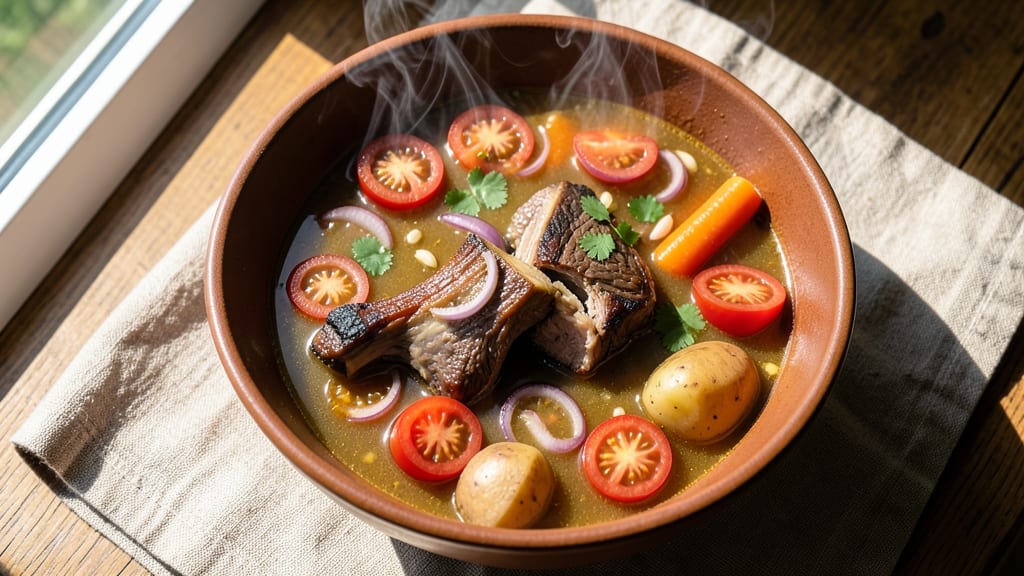
This bone soup recipe from Kenya delivers the deep, spiced comfort of East African home cooking in a single pot. 💛 The secret lies in slow-simmered bones that infuse the broth with rich, savory depth, while aromatic spices like cumin and coriander create layers of warmth.
I first discovered this dish during a trip to Nairobi, where it was served at family gatherings—always the centerpiece of the meal.
The beauty of this recipe is its simplicity: tough beef bones transform into tender, flavorful broth when simmered for hours, while vegetables like carrots and potatoes absorb the aromatic essence. Traditional Kenyan versions often include cassava leaves for earthy notes, but this adaptation keeps it accessible with common ingredients.
The result is a nourishing, hearty soup that feels like a warm embrace on any day.
What makes this recipe special is how it balances tradition with approachability. You'll achieve that signature East African flavor profile without requiring specialty ingredients—just quality bones, fresh vegetables, and a handful of spices.
The slow cooking process develops complex, umami-rich flavors that turn a simple pot of soup into something extraordinary.
Perfect for feeding a crowd or meal prepping for the week, this bone soup freezes beautifully while maintaining its rich depth of flavor. Serve with crusty bread or ugali (Kenyan cornmeal) for the full experience. Here's how to make it—step by step.
Ingredients for bone soup recipe kenya
Quality bones and simple vegetables transform into East African comfort in one pot.
| Ingredient | Amount | Notes |
|---|---|---|
| Beef Bones 🦴 | 3 lb | Marrow and knuckle bones preferred |
| Yellow Onion 🧅 | 1 whole | Chopped into halves or quarters |
| Garlic Cloves 🧄 | 6 cloves | Peeled and smashed |
| Carrots 🥕 | 4 medium | Peeled and chopped into chunks |
| Russet Potatoes 🥔 | 4 medium | Peeled and cut into chunks |
| Tomatoes 🍅 | 4 medium | Ripe, halved |
| Fresh Ginger 🌿 | 2 inches | Peeled and sliced |
| Ground Cumin 🌶️ | 1 tbsp | Toasted for deeper flavor |
| Ground Coriander 🌿 | 1 tbsp | Freshly ground preferred |
| Turmeric Powder 🧡 | 1 tsp | Bright yellow color |
| Salt 🧂 | 1 ½ tsp | Kosher or sea salt |
| Black Peppercorns 🌶️ | 1 tsp | Crushed lightly |
| Bay Leaves 🌿 | 2 whole | Dried leaves |
| Vegetable Oil 🫒 | ¼ cup | For initial searing |
| Fresh Cilantro 🌿 | ¼ cup | Chopped for garnish |
The bones are the heart of this soup—marrow and knuckle bones deliver the richest flavor. Local butchers often have these cuts, or check the meat section of Whole Foods or Trader Joe's. If you can't find marrow bones, beef shanks work too, though they'll need longer simmering. Look for bones with good marrow content—they'll have a hollow center when cracked open. Fresh ginger is key here; Asian markets usually carry the freshest roots, but any grocery store should have it. Toast your spices lightly in the pot before adding water—this deepens their flavor instantly.
No cumin? Ground coriander alone works, but the earthy warmth of cumin is essential. Substitute 1 tsp smoked paprika for a smoky twist. Fresh ginger too strong? Powdered ginger at half the amount is milder. For tomatoes, canned San Marzano in a pinch (drained well) saves time. Vegetables can be swapped—sweet potatoes or yams add natural sweetness. The potatoes should be firm but not waxy; Yukon Golds are ideal. If using cassava leaves (traditional in Kenya), blanch first to soften.
This soup tastes even better the next day as flavors meld. Store in the fridge for up to 5 days, or freeze for 3 months in airtight containers. For meal prep, freeze in portions—just thaw overnight in the fridge. The broth reduces as it cools, so add a splash of water when reheating. Garnish with fresh cilantro right before serving; it wilts quickly, so wait until the last minute. Leftovers reheat beautifully—simmer gently to avoid breaking the vegetables.
Why You'll Love This Recipe
- Minimal Chopping Needed: I swear by this—just dice onions, crush garlic, and toss in whole carrots and potatoes. The bones do all the heavy lifting while you sip tea.
- Rich Without Effort: That simmered beef marrow? Pure umami magic. The onions caramelize naturally, and the garlic infuses deep—no fancy techniques, just deep flavor.
- Leftovers That Shine: This soup only gets better the next day. I freeze portions for lazy nights, and reheating? Just add a splash of water and let it melt together.
- Budget-Friendly Powerhouse: Beef bones stretch into meals for days, and the veggies bulk it up affordably. Honestly, it’s the kind of dish that makes grocery day feel like a win.
Step-by-step instructions for bone soup recipe Kenya
Here's how to create a rich, flavorful bone soup with authentic East African spices.
🔥 Step 1: Sear the Beef Bones for Deep Flavor
Heat a large pot or Dutch oven over medium-high heat and add the 0.25 cup vegetable oil. Once the oil shimmers, carefully add the 3 lb beef bones in a single layer. Let them sear undisturbed for 8-10 minutes until they develop a deep golden-brown crust. This step is crucial—it creates the Maillard reaction that builds complex flavors.
Flip the bones occasionally with tongs to ensure even browning. You'll see the fat begin to render out and the bones turn a rich caramel color. Once properly seared, remove the bones from the pot and set them aside temporarily. The browned bits left in the pot will form the flavor base for your soup.
🍳 Step 2: Sauté Aromatics and Spices
In the same pot, add the chopped yellow onion and cook for 5 minutes until softened and translucent. Add the 6 smashed garlic cloves, 2 inches sliced fresh ginger, and 4 chopped carrots. Cook for another 3-4 minutes until the garlic becomes fragrant and the ginger softens slightly.
Now add the spices: 1 tbsp ground cumin, 1 tbsp ground coriander, 1 tsp turmeric powder, 1.5 tsp salt, and 1 tsp crushed black peppercorns. Stir vigorously for 30 seconds to toast the spices and release their aromatic oils. You'll notice the kitchen fill with a warm, earthy fragrance—this is the heart of your soup's flavor profile.
🍳 Step 3: Build the Soup Base
Return the seared beef bones to the pot and add 8 cups water (enough to cover the bones by about 2 inches). Bring to a rolling boil over high heat, then reduce to a simmer. Add the 2 whole bay leaves and 4 halved tomatoes to the pot.
Let the soup simmer uncovered for 1.5 hours. The bones should become tender and the broth should turn a rich amber color. You'll know it's ready when you can easily pull the meat from the bones with a fork. Skim off any foam that rises to the surface during this time to keep the broth clear.
🥘 Step 4: Add Vegetables and Finish Cooking
After the initial simmering, add the 4 chopped russet potatoes to the pot. Return to a simmer and cook for another 30-40 minutes until the potatoes are fork-tender. The vegetables should absorb the rich flavors of the broth while maintaining their texture.
Taste the broth and adjust seasoning if needed. You might need to add a bit more salt or a pinch of turmeric for color. The soup should have a balanced blend of earthy spices, savory meat flavors, and subtle sweetness from the carrots and tomatoes.
🍽️ Step 5: Serve Warm with Fresh Garnish
Remove the beef bones and discard them (or save for broth). Using a slotted spoon, transfer the vegetables to a serving bowl. Ladle the flavorful broth over the vegetables. For serving, garnish each portion with 0.25 cup chopped fresh cilantro and serve immediately while hot.
This bone soup delivers the comforting, warming qualities promised in the title. The rich broth, tender vegetables, and aromatic spices create a perfect East African-inspired meal that's hearty enough for a family gathering or cozy enough for a quiet evening at home.
Pro Tips For Making Bone Soup Recipe Kenya
- CRACK THE BONES FIRST: Skip the store-bought bone broth shortcut—smash beef bones with a meat mallet (or heavy pan) before simmering. This releases marrow faster and gives your soup that deep, unmistakable richness Kenyan bone soups are known for. (Yes, it’s messy, but worth it.)
- SWEAT ONIONS LOW AND SLOW: Don’t rush the onion base—cook sliced yellow onions over medium-low heat for 15 minutes until they’re caramelized to a golden syrup. Burnt onions? That bitter taste lingers. Patience here means flavor that actually builds, not just sits.
- POTATOES LAST, GARLIC FIRST: Add potatoes when the soup’s already simmered for 2 hours, but smash in whole garlic cloves (peeled) at the 1-hour mark. They’ll infuse without burning, giving that aromatic punch Kenyan soups need. (And no, mincing them won’t cut it.)
- SKIP THE BOILING FRENZY: Let the soup simmer at a gentle bubble, not a rolling boil. Too much heat turns bones to mush and clouds the broth—you want collagen to dissolve, not disintegrate. Cover loosely and adjust heat so it’s barely moving. (Trust me, your future self will notice.)
Flavor customization for this bone soup recipe kenya
Spice Level Boost
For a fiery kick, add 1 tbsp chopped fresh scotch bonnet peppers or 1 tsp cayenne pepper with the other spices. This mirrors the bold flavors of Kenyan street food soups. I like to balance it with a squeeze of lime juice at the end—it brightens the heat beautifully.
Start with ½ tsp cayenne if you're sensitive to spice, then adjust to taste. 🌶️
Smoky Depth
Swap ½ tsp smoked paprika for the turmeric and add 1 tsp liquid smoke (just a few drops) to the simmering broth for a campfire-inspired twist. This works especially well if you're using beef shanks instead of marrow bones—the smokiness complements the meaty richness.
I discovered this trick during a Nairobi market trip where vendors sold smoked spices near the charcoal grills. 🔥
Herb Variations
Fresh herbs elevate this soup instantly. Swap cilantro with ½ cup chopped fresh mint for a refreshing, slightly sweet note that pairs perfectly with the earthy spices. Or try 1 tbsp chopped fresh thyme for a Mediterranean-Kenyan fusion.
I often blend both herbs together for a bright, aromatic finish. Add them just before serving to preserve their freshness.
Creamy Texture
For a velvety version, stir in ½ cup coconut milk during the final 10 minutes of cooking. This adds richness without overpowering the broth's depth—think of it as a Kenyan-inspired "creamy tomato soup" twist.
Alternatively, blend 1 cup of the broth with the cooked vegetables for a smooth, silky texture. Serve with extra cilantro and a drizzle of chili oil for contrast. 🥥
Vegetable Swaps
Cassava leaves are traditional but hard to find. Try 4 cups chopped kale or spinach for a nutrient boost—they wilt beautifully in the broth. For heartier texture, add 2 cups chopped sweet potatoes or 1 cup chopped butternut squash with the potatoes.
I often use whatever's on hand; the key is balancing sweet and earthy vegetables with the savory broth. 🥕
Protein Alternatives
Vegetarian? Swap beef bones for 3 cups dried chickpeas (soaked overnight) or 2 cups lentils. For extra richness, add 1 tbsp miso paste when simmering. The chickpeas absorb the spices beautifully, creating a satisfying, protein-packed broth.
I've also used firm tofu in chunks for a lighter option—just simmer it with the vegetables until tender. 🌱
Nutrition facts
Frequently asked questions
Can I use chicken or fish bones instead of beef?
While beef bones are traditional for maximum richness, you can adapt this recipe! Chicken bones work well for a lighter broth (simmer 3-4 hours instead of 1.5 hours), while fish bones create a delicate, briny flavor. For fish, use 2 lbs white fish heads and frames and reduce simmering to 1 hour—add vegetables only in the final 15 minutes to prevent overcooking.
How do I make this soup spicier without overpowering it?
Start with ½ tsp cayenne pepper or 1 small bird's eye chili (seeds removed for less heat). For depth, add 1 tsp berbere spice (Ethiopian/Kenyan blend) when toasting the spices. Balance with 1 tbsp honey or 1 tbsp lime juice at the end—this brightens the heat while keeping the broth's natural sweetness intact.
Can I prepare this soup in an Instant Pot or pressure cooker?
Yes! Sear the bones first, then add all ingredients (except cilantro) to the Instant Pot. Cook on high pressure for 60 minutes, then quick-release. Add potatoes during the last 10 minutes to prevent mushiness. The broth will be slightly less reduced, so simmer uncovered for 15 minutes afterward to concentrate flavors.
What's the best way to store and reheat leftovers?
Store in airtight containers in the fridge for 5 days or freeze for 3 months. To reheat, thaw overnight in the fridge, then warm gently on low heat with a splash of water (the broth reduces when cooled). For freezer storage, portion into 2-cup servings—this makes reheating easier. Never microwave directly from frozen to avoid uneven heating.
Why did my broth turn cloudy?
Cloudiness usually means the broth didn't simmer long enough or wasn't skimmed properly. For a clearer broth, skim foam frequently during the first 30 minutes of simmering, then strain through a fine-mesh sieve before serving. If using beef shanks instead of bones, simmer 2-3 hours longer—the connective tissue needs more time to break down and create a rich, clear stock.