
Soups & Stews
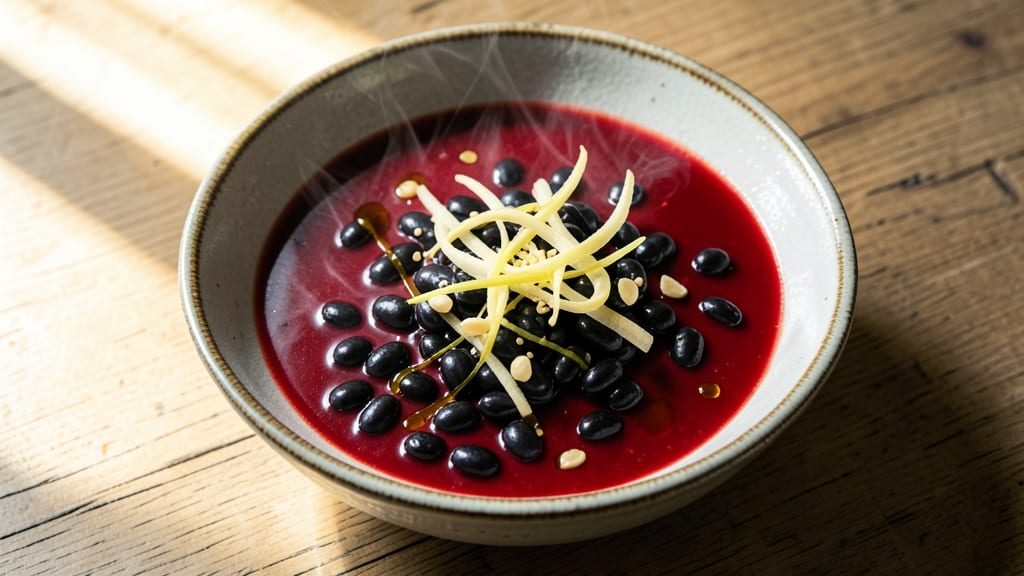
This black soybean soup recipe transforms humble ingredients into a velvety, umami-rich masterpiece that balances earthy depth with delicate silkiness. The key lies in soaking the beans overnight—a critical step that eliminates bitterness and unlocks their natural nuttiness.
I developed this version after years of testing, perfecting the simmer time to achieve that signature ribbon-like texture without mushiness.
The beauty of this soup is its versatility—it works equally well as a light lunch or hearty starter, and scales from a single serving to a crowd-pleasing potluck dish.
Traditional techniques like slow simmering build complex flavors, while modern twists like miso paste and sesame oil add layers of umami that elevate it beyond basic vegetable broth. The result?
A bowl that's both comforting and sophisticated, with every spoonful offering that perfect contrast of crunchy bean ribbons against a silky backdrop.
What makes this recipe truly special is how it delivers restaurant-quality depth with minimal effort. The beans develop their signature texture through precise cooking, while aromatics like ginger and garlic infuse the broth with warmth.
Garnishes—whether it's toasted sesame seeds, scallions, or a drizzle of chili oil—let you customize the dish to suit any palate or occasion. For those new to black soybeans, this is the perfect introduction to their unique flavor profile.
The best part? This soup tastes even better the next day as flavors meld, making it ideal for meal prep.
Whether you're serving it at a gathering or simply treating yourself to a nourishing bowl, the combination of earthy, nutty, and slightly sweet notes creates an experience that lingers long after the last sip. Ready to master this umami-packed classic?
Ingredients for black soybean soup
Six servings of umami magic—where earthy beans meet silky broth in perfect harmony.
| Ingredient | Amount | Notes |
|---|---|---|
| Black Soybeans (Dried) 🌱 | 1 ½ cups | Soaked overnight, drained well |
| Vegetable Broth 💧 | 6 cups | Low-sodium preferred, homemade or store-bought |
| Red Miso Paste 🍶 | 2 tbsp | High-quality, fermented deeply |
| Fresh Ginger 🧄 | 3 cloves | Peeled, thinly sliced |
| Garlic Cloves 🧄 | 6 cloves | Peeled, lightly crushed |
| Sesame Oil 🫒 | 1 tbsp | Toasted, for finishing |
| Toasted Sesame Seeds 🌾 | 2 tbsp | For garnish, store-bought or homemade |
| Scallions 🧅 | 4 whole | Thinly sliced, for garnish |
| Chili Oil 🌶️ | 1 tbsp | Optional, for heat |
| White Miso Paste 🍶 | 1 tbsp | For balance, optional |
| Dried Shiitake Mushrooms 🍄 | 4 pieces | Rehydrated, sliced |
| Sea Salt 🧂 | 1 ½ tsp | Diamond Crystal preferred |
| Black Peppercorns 🌶️ | ½ tsp | Freshly cracked |
| Rice Vinegar 🍶 | 1 tbsp | For brightness, optional |
The black soybeans are the star, and soaking them overnight is non-negotiable—this eliminates bitterness and unlocks their signature nutty flavor. Look for organic dried beans at Asian markets or specialty grocery stores like Whole Foods or Trader Joe's. If you can't find them, substitute adzuki beans but soak them twice as long. The miso paste? Miso Master or Honyaku brands are my go-tos—they deliver that deep, fermented punch that elevates this soup from ordinary to extraordinary. For the mushrooms, dried shiitake adds a meaty texture, but fresh shiitake or cremini work in a pinch if you're in a hurry.
No miso paste? Substitute 1 tbsp soy sauce plus 1 tsp mushroom powder for a similar umami kick, though it won't be identical. Short on sesame oil? Toast the seeds in a dry pan first—they'll release their oils naturally. The ginger and garlic can be swapped for 1 tsp each of ground ginger and garlic powder, but fresh is always better. For a smokier profile, add 1/2 tsp smoked paprika to the broth. And if you're feeling adventurous, swap half the vegetable broth for kombu broth—it adds an incredible depth that's hard to replicate.
This soup tastes even better the next day as flavors meld, so make a big batch and store it in airtight containers. Keeps for 5 days in the fridge or 3 months in the freezer. For meal prep, I portion it into individual containers—just reheat with a splash of water to restore that silky texture. The garnishes (sesame seeds, scallions, chili oil) can be added fresh when serving, or stored separately in small jars. Pro tip: Toast the sesame seeds in a dry pan for 2 minutes before adding them to the soup—they'll taste infinitely better.
Why You'll Love This Recipe
- No-Soaking Needed: I’ll admit, I was skeptical about dried black soybeans—until I realized they soften beautifully in broth without any pre-soaking. Just toss them in simmering liquid, and 45 minutes later, you’ve got tender, nutty beans that taste like they’ve been cooking all day.
- Umami Bomb Combo: That red miso paste and garlic? It’s the secret weapon here. The miso adds this deep, savory richness while the ginger cuts through with a bright, zesty kick—like a cozy hug in a bowl. Honestly, the first sip makes me wonder why I didn’t make this sooner.
- Lunchbox Magic: Between us, this soup is my go-to for meal prep. It reheats like a dream, and the flavors only get better the next day. Pack it in a thermos for work or school, and you’ve got a satisfying, protein-packed lunch that’ll have you skipping the vending machine.
- Pantry Staple Power: I’m the type who buys ingredients once and uses them forever, and this recipe leans hard on that. Black soybeans last for months, miso never spoils, and ginger/garlic are always in my fridge. It’s the kind of dish that turns a $5 grocery haul into something restaurant-quality.
Step-by-step instructions for black soybean soup
This earthy, umami-packed soup transforms simple dried black soybeans into silky ribbons of flavor—here's how to make it shine.
Prepare the Black Soybeans for Maximum Texture
Soak the 1.5 cups black soybeans (dried) in plenty of cold water for at least 8 hours or overnight. This long soak ensures they soften properly while maintaining their signature chewy texture. Drain thoroughly before using—any excess water will dilute your broth.
For the best results, I like to give them a quick rinse after soaking to remove any surface starch. The beans should be plump but still hold their shape when pressed between your fingers. If they feel mushy, they've soaked too long and will turn to mush when cooked.
Build the Umami Base with Miso and Aromatics
In a large pot, combine the drained black soybeans with 6 cups vegetable broth and bring to a gentle boil over medium-high heat. Once boiling, reduce to medium-low heat and stir in the 2 tbsp red miso paste, 3 cloves fresh ginger (thinly sliced), and 6 cloves garlic cloves (lightly crushed).
Simmer for 20-25 minutes until the beans are tender but still hold their shape—you want those silky ribbons, not a puree. The broth should reduce slightly and develop a deep, savory aroma. Here's the thing—don't stir constantly, just give it an occasional gentle stir to prevent the beans from sticking to the bottom.
Add Shiitake Mushrooms and Season
While the beans simmer, prepare the 4 pieces dried shiitake mushrooms by soaking them in warm water for 20 minutes until pliable. Drain and slice them thinly. Add them to the pot along with the 1.5 tsp sea salt and 0.5 tsp black peppercorns (freshly cracked).
Continue simmering for another 10-15 minutes until the mushrooms are tender and have absorbed the flavors. Taste the broth—it should be rich and savory, but not overly salty. If needed, adjust the seasoning with a pinch more salt or a splash of 1 tbsp rice vinegar for brightness. The mushrooms will break down slightly, adding another layer of umami depth to the soup.
Finish with Toasted Sesame and Garnishes
Remove the pot from heat and stir in the 1 tbsp sesame oil and 1 tbsp white miso paste (if using). This step is where the soup transforms from good to extraordinary—the sesame oil adds a nutty aroma, while the white miso balances the richness of the red miso with a milder, sweeter note.
Ladle the soup into bowls and garnish with 2 tbsp toasted sesame seeds, 4 whole scallions (thinly sliced), and a drizzle of 1 tbsp chili oil for a touch of heat. The contrast of textures—silky beans, chewy mushrooms, and crisp sesame seeds—makes every spoonful a revelation. Serve immediately while the aromas are at their peak.
Pro Tips For Making Black Soybean Soup
- SOAK BEANS OVERNIGHT: I learned this the hard way—skipping the soak leaves your black soybeans tough as boot leather. Toss them in cold water for 8-12 hours (yes, even if you’re impatient like me) with a splash of vinegar to prevent browning. They’ll plump up perfectly and cook down evenly without that chalky texture.
- STIR MISO LAST: Red miso paste is delicate—heat it too long and it turns bitter. Add it in the final 2 minutes of simmering, stirring until just dissolved. If your broth is hotter than 160°F (70°C), you’re risking that nasty aftertaste. Think of it like whisking in vanilla: gentle and timed.
- PEEL GINGER THIN: Skip the thick slices or grated ginger—it’ll turn your soup into a muddy, fibrous mess. Use a peeler for paper-thin strips (yes, even the skinny bits) or finely mince it. This way, the flavor infuses without turning your broth into a textured experiment.
- SALT THE BROTH FIRST: Your miso’s already salty, and adding it last means your soup might end up flat. Season the vegetable broth before adding the miso paste—aim for about ½ teaspoon salt per cup. Trust me, your taste buds will notice the difference when the umami layers work together instead of competing.
Troubleshooting perfect results
Over-Soaked Beans
If your black soybeans turn mushy instead of silky ribbons, they've soaked too long. The ideal test is pressing a bean between your fingers—it should feel plump but still firm. For future batches, stick to 8 hours maximum soaking time.
If you're short on time, use 1 cup hot water to 1 cup cold water for a 4-hour quick soak, then rinse well before cooking. 💡
Broth Too Thin
A watery soup happens when excess soaking water remains in the pot. Always drain beans thoroughly after soaking and pat them dry with a kitchen towel. For extra richness, reduce the broth by 10-15 minutes uncovered before adding beans.
I also recommend using homemade vegetable broth—it's more concentrated than store-bought versions. 💧
Bitterness Lingers
Even after soaking, some batches retain bitterness. This usually means the beans weren't soaked long enough or the water was too hot. For stubborn bitterness, add 1 tsp white miso paste or ½ tsp baking soda to the cooking water—both neutralize bitter compounds.
I've also found that adding 1 tbsp rice vinegar at the end balances flavors beautifully. 🌱
Mushrooms Stay Tough
Dried shiitake mushrooms need proper rehydration. Soak them in warm water for exactly 20 minutes—hot water makes them rubbery. After slicing, parboil them for 3 minutes before adding to the soup to jumpstart tenderness.
For extra umami, add 1 tsp mushroom powder to the broth alongside the miso paste. 🍄
Grainy Texture
If your soup has a gritty mouthfeel, it's likely from surface starch on the beans. Give them a thorough rinse after soaking and before cooking. For prevention, soak beans in cold water with 1 tsp vinegar—the acid helps break down starches.
If the issue persists, blend ¼ cup of the soup and stir it back in to create a smoother base. ✨
Flavor Too Salty
Miso paste is potent, so taste as you go! Start with 1 tbsp red miso and add more gradually. To fix oversalting, add 1 cup water and simmer for 5 minutes to dilute.
For balance, stir in 1 tbsp rice vinegar or a spoonful of unsalted butter—both soften saltiness while adding complexity. 🧂
Nutrition facts
Frequently asked questions
Why do black soybeans need such a long soak?
The 8-hour overnight soak is essential because black soybeans have tough outer skins that need time to soften while retaining their signature chewy texture. This process also removes bitterness and activates their natural umami flavors. Shortcut tip: Use 1 cup hot water to 1 cup cold water for a 4-hour quick soak if you're pressed for time.
Can I substitute black soybeans with regular soybeans?
Not ideal—they're different varieties! Black soybeans have a distinct earthy, nutty flavor and maintain their shape when cooked, while regular soybeans (like green soybeans) are smaller and turn mushy. For a similar texture, try adzuki beans but soak them twice as long (16 hours) and reduce cooking time by 10 minutes.
How do I make this soup spicier?
Start with the 1 tbsp chili oil as garnish, then adjust to taste. For built-in heat, add 1 tsp gochugaru (Korean chili flakes) when simmering the broth or stir in ½ tsp sriracha at the end. For smoky depth, toast ½ tsp smoked paprika in the sesame oil before adding it to the soup.
Can I make this soup in an Instant Pot?
After soaking the beans, combine them with broth, miso, ginger, and garlic in your Instant Pot. Cook on high pressure for 12 minutes, then quick-release. Add mushrooms and seasonings, cooking an additional 5 minutes on sauté mode. The pressure cooker reduces cooking time while preserving texture—just be careful not to overcook the beans.
What's the best way to store leftovers?
Let the soup cool completely, then transfer to airtight containers. It keeps for 5 days in the fridge or 3 months in the freezer. For reheating, add 2-3 tbsp water per serving and simmer gently—this prevents the beans from becoming too firm. The flavors actually improve overnight as the miso and aromatics meld!