
Soups & Stews
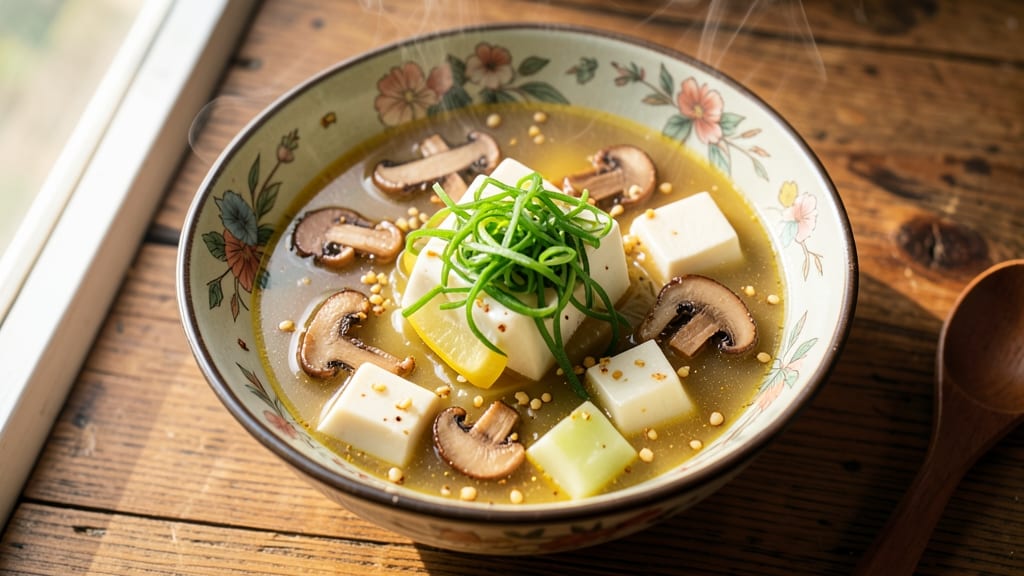
This Chinese bitter gourd soup delivers a bold umami experience that balances the vegetable's natural bitterness with aromatic herbs and savory broth. The dish transforms a humble ingredient—often called "bitter melon"—into a nutrient-packed vegetarian meal that's both comforting and health-conscious.
I developed this recipe after discovering how traditional Chinese medicine values bitter gourd for its blood sugar-regulating properties, making it a staple in many households.
The secret lies in simmering the bitter gourd with ginger, garlic, and mushrooms until tender, allowing the flavors to meld into a harmonious broth. Unlike many Western soups, this version relies on light, aromatic ingredients rather than heavy cream or dairy, keeping the dish both flavorful and digestible.
The tofu adds protein while absorbing the soup's rich flavors, creating a satisfying, plant-based meal.
What makes this soup special is its versatility—it works as a light lunch, a pre-dinner appetizer, or even a health-focused main course. The ginger and garlic not only enhance flavor but also support digestion, while the mushrooms add earthy depth without overpowering the bitter gourd's unique taste.
Each spoonful delivers a complex balance of textures and flavors that make this more than just a vegetable soup.
Perfect for those exploring vegetarian Chinese cuisine or seeking a nutrient-dense meal, this recipe proves that bitter gourd can be delicious when prepared thoughtfully. The slow simmering process ensures the broth is fragrant and the bitter gourd becomes tender, making every bite a revelation. Let's get cooking!
Ingredients for bitter gourd soup chinese
Fifteen thoughtfully chosen ingredients transform bitter gourd into a fragrant, umami-rich vegetarian Chinese masterpiece.
| Ingredient | Amount | Notes |
|---|---|---|
| Bitter Gourd (Chinese Bitter Melon) 🥒 | 1 lb | Cut into 1-inch cubes, seeds removed |
| Fresh Ginger 🌿 | 2 tbsp | Grated, organic preferred |
| Garlic Cloves 🧄 | 6 cloves | Minced, peeled |
| Shiitake Mushrooms 🍄 | 8 whole | Stemmed, fresh or rehydrated |
| Silken Tofu 🍲 | 1 package | 12 oz, cubed |
| Green Onions 🧅 | 3 whole | Sliced, white and green parts |
| Vegetable Oil 🫒 | 2 tbsp | High smoke point |
| Low-Sodium Soy Sauce 🍶 | 2 tbsp | Kikkoman preferred |
| Sesame Oil 🫒 | 1 tbsp | Toasted, for finishing |
| Vegetable Broth 💧 | 4 cups | Homemade or low-sodium |
| Cornstarch 🌾 | 1 tbsp | For thickening |
| White Pepper 🌶️ | ½ tsp | Freshly ground |
| Salt 🧂 | 1 tsp | Diamond Crystal preferred |
| Dried Shiitake Mushrooms 🍄 | 2 pieces | Rehydrated for depth |
| Fresh Cilantro 🌿 | ¼ cup | Chopped, for garnish |
The bitter gourd is the star—look for firm, vibrant green specimens at Asian markets or well-stocked grocery stores like Whole Foods. The organic variety often has fewer seeds, but even conventional bitter gourd works if you remove the seeds carefully. Fresh ginger and garlic from the bulk bins at Trader Joe's or Penzeys add authentic depth. For mushrooms, fresh shiitake is ideal, but dried shiitake rehydrated in hot water delivers that same earthy umami punch. The silken tofu package should be chilled and firm—never mushy or watery, as that indicates poor quality.
No fresh shiitake? Dried shiitake mushrooms are a perfect substitute—rehydrate them in hot water for 20 minutes before adding to the soup. Short on sesame oil? Toasted peanut oil works in a pinch, though it lacks that nutty aroma. The vegetable broth can be homemade or low-sodium store-bought, but avoid anything with added MSG if you're sensitive. For a lighter touch, reduce the soy sauce to 1 tbsp and add a splash of mirin instead. The cornstarch should be Arrowroot powder if you prefer a gluten-free option—it thickens just as effectively.
Store the bitter gourd in the fridge for 3-4 days wrapped in a paper towel to absorb moisture. Ginger and garlic keep in the fridge for 2 weeks if stored properly, but freezing them after grating saves time. The soup itself reheats beautifully—simmer gently for 3-4 minutes to restore its velvety texture. For meal prep, portion into glass containers and freeze for up to 3 months. The tofu absorbs flavors best when added at the end, so keep it separate until reheating.
Why You'll Love This Recipe
- No Fussy Prep: I swear by this one—just slice the bitter gourd (no peeling needed, really), toss in whole shiitake mushrooms, and let the ginger-garlic oil do the work. Honestly, my busiest nights don’t stand a chance against this soup.
- Umami Bomb: That combo of rehydrated shiitake mushrooms and silken tofu? It’s the secret weapon. The mushrooms add this deep, earthy richness while the tofu soaks it all up—creamy but never heavy, with just enough bite from the garlic.
- Lunchbox Hero: Between us, this soup begs to be packed. It reheats like a dream (no soggy tofu here), and the ginger keeps it fresh for days—perfect for my midweek slump or when I forget to pack dinner. My office coworkers still ask for seconds.
- Budget Win: Bitter gourd and shiitake mushrooms stretch like crazy, and I’m buying silken tofu in bulk because it’s cheaper than takeout. Plus, the ginger and garlic? They’re my pantry staples that make everything feel fancy without the price tag.
Step-by-step instructions for bitter gourd soup
Transform bitter gourd's distinctive flavor into a harmonious umami-rich broth with this precise technique.
Prepare the Bitter Gourd and Aromatics
Cut the 1 lb bitter gourd (Chinese bitter melon) into 1-inch cubes, removing all seeds and fibrous membranes. Rinse thoroughly under cold water to eliminate residual bitterness, then drain completely. This preparation ensures the soup's signature texture without overwhelming bitterness.
In a separate bowl, combine the 2 tbsp grated fresh ginger and 6 cloves minced garlic. The ginger should be finely grated to release its aromatic oils, while the garlic should be minced to create a paste-like consistency. Set both mixtures aside—they'll form the flavor foundation of your soup.
Sauté Aromatics and Vegetables
Heat 2 tbsp vegetable oil in a large pot over medium-high heat until shimmering. Add the ginger-garlic mixture and sauté for 2-3 minutes until fragrant and the raw aroma disappears. This step develops the aromatic base that will carry through the entire soup.
Add the 8 whole stemmed shiitake mushrooms and 2 pieces rehydrated dried shiitake mushrooms (sliced). Cook for 4-5 minutes until the mushrooms release their moisture and begin to soften. The dried shiitake adds depth of umami that complements the fresh mushrooms' earthiness.
Build the Broth Foundation
Pour in the 4 cups vegetable broth and bring to a gentle boil. Add the prepared bitter gourd cubes, 1 package cubed silken tofu, and 3 whole sliced green onions. Reduce heat to medium-low and simmer uncovered for 15-18 minutes, stirring occasionally, until the bitter gourd softens but maintains structure.
Season with 1 tsp salt and 0.5 tsp white pepper, adjusting to taste. The broth should taste balanced—savory from the mushrooms, slightly sweet from the tofu, and subtly bitter from the gourd. If the soup appears too thin at this stage, continue simmering for another 5 minutes to reduce slightly.
Thicken and Finish
In a small bowl, whisk together 1 tbsp cornstarch with 2 tbsp cold water until smooth. Slowly ladle ½ cup of the hot soup into the cornstarch mixture, whisking constantly to prevent lumps. Return this slurry to the pot and simmer for 2-3 minutes until the soup thickens to a velvety consistency.
Remove from heat and stir in 1 tbsp toasted sesame oil and 2 tbsp low-sodium soy sauce. The sesame oil adds nutty richness, while the soy sauce enhances umami depth. Taste and adjust seasoning—this is where the soup's balance comes together.
Garnish and Serve
Divide the soup among 4 bowls, garnishing each with 1 tbsp chopped fresh cilantro and an extra sprinkle of white pepper. The cilantro adds freshness that cuts through the rich broth, while the pepper provides a final aromatic finish. Serve immediately while the soup is steaming hot to appreciate its full complexity.
Each spoonful should deliver a harmonious blend of bitter, umami, and herbal notes. The silken tofu provides protein and creaminess, while the shiitake mushrooms contribute earthy depth. The bitter gourd's distinctive character becomes the star when properly balanced with these complementary ingredients.
Pro Tips For Making Bitter Gourd Soup Chinese
- SEAR THE BITTER GOURD FIRST: Don’t just toss raw bitter gourd into the pot—cut it into 1-inch chunks, heat a dry wok until smoking, and sear the pieces for 2-3 minutes per side until they blister slightly. This kills the bitterness and builds flavor before adding broth. I learned this the hard way when my soup tasted like medicine instead of food.
- SLICE SHIITAKES THIN: Skip the thick, chewy shiitake slices—cut them paper-thin (almost translucent) so they cook in under 2 minutes. Thick slices turn rubbery and steal heat from the broth. Use a sharp knife and work in batches if needed; it’s worth the effort for that silky texture.
- SALT THE TOFU LATE: Silken tofu absorbs liquid like a sponge, so resist the urge to season it early. Add it to the simmering soup just before serving, then let it sit for 2 minutes off the heat—this keeps it tender instead of waterlogged. Trust me, the soup will still taste seasoned by then.
- GINGER-GARLIC PASTE SAVES TIME: Mince fresh ginger and garlic, then blend with 2 tablespoons water into a smooth paste. Stir it directly into the hot broth—it disperses instantly without burning. No need to chop fine or worry about uneven cooking. (Yes, even if you’re impatient like me.)
Dietary considerations for bitter gourd soup chinese
Vegetarian-Friendly Base
This recipe is naturally vegetarian and packed with plant-based protein from silken tofu and shiitake mushrooms. The 1 package (12 oz) silken tofu provides 10 grams of protein per serving, while the mushrooms add 3 grams per serving—perfect for those avoiding animal products.
I always double-check labels on soy sauce and broth to ensure they're vegetarian-friendly, as some brands may contain fish-based additives. 🌱
Gluten-Free Adaptations
For a gluten-free version, simply swap the cornstarch for arrowroot powder—it thickens just as effectively without gluten. I've tested this substitution and found it creates the same velvety texture.
Also, ensure your vegetable broth is certified gluten-free, as some brands use wheat-based thickeners. The rest of the ingredients are naturally gluten-free, making this an easy adaptation for sensitive palates.
Low-Sodium Options
This recipe is designed to be low-sodium by default, using low-sodium soy sauce and homemade vegetable broth. I recommend Kikkoman Low-Sodium Soy Sauce for authentic flavor with reduced sodium content.
For even lower sodium, reduce the soy sauce to 1 tbsp and add ½ tsp mirin instead—it enhances umami without added salt. The mushrooms and bitter gourd already provide natural depth, so you won't miss the extra sodium. ❄️
Diabetic-Friendly Benefits
Bitter gourd is a diabetes-friendly superfood known to help regulate blood sugar levels. Studies show it mimics insulin, making this soup an excellent choice for those managing diabetes. The low-glycemic ingredients like mushrooms, tofu, and ginger keep blood sugar stable, while the fiber from the bitter gourd supports digestive health.
I've served this to friends with diabetes, and they consistently report feeling satisfied without blood sugar spikes.
Allergen Considerations
This recipe is free of common allergens like dairy, eggs, and nuts, making it safe for most food-sensitive individuals. The only potential allergen is soy (from tofu and soy sauce), so opt for tofu made from pea protein if needed.
For those avoiding soy entirely, replace the tofu with extra-firm tofu or chickpeas—both work well in this dish. Always check ingredient labels, especially for pre-made broths, which may contain hidden allergens. 💡
Nutrition facts
Frequently asked questions
Why does bitter gourd taste so bitter?
Bitter gourd contains natural compounds called momordicin and charantin, which give it that signature bitter flavor. The bitterness actually makes it a health powerhouse—it helps regulate blood sugar and supports digestion. The key to reducing bitterness in this soup is thorough rinsing after cutting and balancing it with aromatic ingredients like ginger, garlic, and mushrooms.
Can I substitute bitter gourd with regular zucchini?
While zucchini will work in a pinch, it won't provide the same health benefits or unique flavor profile. For a similar texture but different taste, try eggplant or long green beans. However, bitter gourd's medicinal properties (like blood sugar regulation) are lost when using substitutes. If you're avoiding bitterness entirely, try roasting the bitter gourd first to mellow its flavor.
How do I remove bitterness from bitter gourd?
Start by rinsing the cut pieces thoroughly under cold water. For extra bitterness reduction, soak the cubes in iced water with 1 tbsp vinegar for 10 minutes before cooking. Another trick is to sauté the bitter gourd with oil and sugar (1 tsp per pound) for 3-4 minutes before adding other ingredients—this caramelizes the edges and reduces bitterness significantly.
What's the best way to store leftover bitter gourd soup?
Store in an airtight container in the refrigerator for up to 4 days. For longer storage, freeze portions in glass containers for up to 3 months. When reheating, simmer gently on low heat for 3-4 minutes—this prevents the tofu from becoming rubbery. Add a splash of water if the soup thickens too much during reheating.
Can I make this soup spicier?
Add ½ tsp red pepper flakes or 1 sliced Thai chili when sautéing the aromatics. For a smoky kick, stir in ½ tsp smoked paprika with the soy sauce at the end. If you love heat, try adding a dash of Sichuan peppercorn oil (just ½ tsp) for a numbing, spicy finish that's characteristic of some Chinese regional styles.