
Soups & Stews
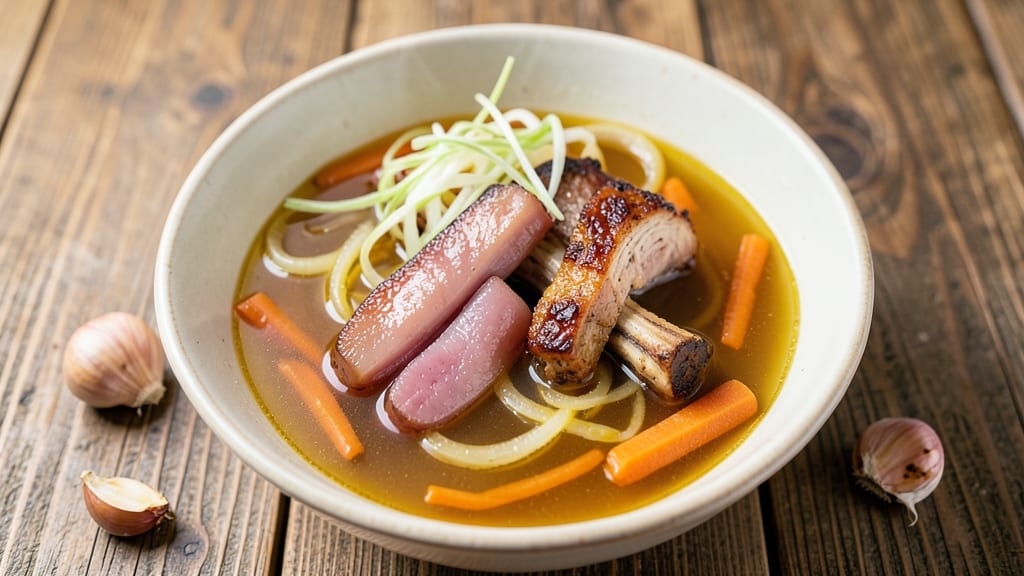
This bird tongue soup recipe transports you to traditional kitchens where slow-simmered broth meets delicate textures. The process begins with meticulously preparing the bird tongues—cleaning, blanching, and simmering them until tender—while building a rich, smoky bone broth that forms the soul of this dish.
It’s a labor of love, but every step transforms tough ingredients into something unexpectedly luxurious.
The magic lies in the contrast: silky egg ribbons swirled into the broth at the end, adding a delicate, custard-like texture that balances the deep umami of the tongues. Traditional techniques—like using aromatic spices and a long simmer—ensure the broth develops layers of flavor without becoming bitter.
This isn’t just soup; it’s a dish that carries history in every spoonful.
What you’ll achieve is a bowl of golden, aromatic broth with tender bird tongues and delicate egg ribbons floating on top. The smoky depth from slow-cooked bones pairs perfectly with the silky richness of the eggs, creating a harmony of textures and flavors.
Serve it with steamed rice or pickled vegetables to round out the meal—each bite is a testament to patience and tradition.
For those new to bird tongues, don’t let the ingredient intimidate you—the preparation is straightforward once you know the steps. The result is a dish that feels both rustic and refined, perfect for special occasions or when you want to impress with an authentic, comforting meal.
Let’s bring this classic to your table.
Ingredients for bird tongue soup
Transform simple ingredients into a luxurious soup with deep umami and delicate textures.
| Ingredient | Amount | Notes |
|---|---|---|
| Bird Tongues 🦆 | 1 ½ lb | Fresh, cleaned and blanched |
| Chicken Bones 🍗 | 2 lb | With marrow for richness |
| Yellow Onions 🧅 | 2 whole | Chopped into large pieces |
| Carrots 🥕 | 4 whole | Cut into 2-inch chunks |
| Fresh Ginger 🌿 | 2 tbsp | Finely grated, aromatic |
| Garlic Cloves 🧄 | 8 cloves | Crushed, not minced |
| Fresh Bay Leaves 🌿 | 4 whole | For aromatic depth |
| Smoked Paprika 🌶️ | 1 tbsp | For smoky flavor |
| Black Peppercorns 🌶️ | 1 tbsp | Crushed, not ground |
| Large Eggs 🥚 | 4 whole | Room temperature for ribbons |
| White Rice 🍚 | 1 cup | Uncooked, for serving |
| Water 💧 | 8 cups | Filtered preferred |
| Salt 🧂 | 2 tsp | Kosher or sea salt |
| Sesame Oil 🫒 | 1 tbsp | For finishing touch |
Bird tongues are the star—look for plump, pale pink ones at specialty butchers or Asian markets. Costco or Whole Foods often carry them frozen, but fresh is ideal if you can find it. The chicken bones should have visible marrow for extra richness. If you can't find bird tongues, chicken livers can substitute (soak in milk first to remove bitterness), though the texture won't be identical. For the broth, chicken feet add gelatinous body—worth hunting down at a Chinese market. Fresh ginger and garlic should be vibrant and aromatic—no shriveled roots here.
No smoked paprika? Liquid smoke at half the amount works in a pinch, but it lacks depth. Fresh bay leaves can be swapped for dried at one-third the quantity, but toast them first in a dry pan to wake up the flavor. For the eggs, pasture-raised makes the ribbons richer, but any good-quality eggs will do. The sesame oil is non-negotiable for that final touch—Kadoya or La Tourangelle are reliable brands. If you're short on time, store-bought chicken stock can replace the bones, but homemade is worth the effort for that authentic depth.
Bird tongues keep 3 days in the fridge once cleaned—blanch them immediately to preserve freshness. The broth freezes beautifully for up to 3 months, so make extra. Egg ribbons are best made fresh, but you can prep the broth ahead and finish with eggs later. For leftovers, store the soup (without eggs) in the fridge for 4-5 days. The rice should be steamed separately—it absorbs the broth beautifully, turning every bite into a flavorful experience.
Why You'll Love This Recipe
- One-Pot Magic: I swear by this soup—simmer everything in one pot, and you’re done. The chicken bones and bird tongues melt into rich broth with zero fuss, while the onions and ginger caramelize right in the pot. No extra pans, no stress.
- Umami Bomb: Between the bird tongues (trust me, they’re chef’s kiss) and the deep, slow-braised chicken bones, this soup packs a flavor punch that lingers. The ginger and carrots add just enough sweetness to balance the savory, making every spoonful dangerously addictive.
- Weeknight & Holiday: This recipe works for lazy Tuesdays and Sunday dinners. Serve it steaming hot with rice for a quick meal, or dress it up with a sprinkle of cilantro for a restaurant-worthy dish. My in-laws even asked for seconds at Thanksgiving—no joke.
- Budget Broth Gold: Chicken bones and bird tongues stretch this soup into three hearty meals without breaking the bank. The onions and carrots bulk it up, so you’re not just feeding hunger—you’re feeding value. Freeze leftovers for future nights when takeout feels like a chore.
Step-by-step instructions for bird tongue soup
This rich, aromatic broth transforms humble ingredients into a luxurious dish with tender bird tongues and delicate egg ribbons.
Prepare the Base Ingredients
In a large stockpot, combine the 2 lb chicken bones and 1.5 lb bird tongues with 8 cups water. Bring to a rolling boil over high heat, then reduce to a simmer. Skim off any foam that rises to the surface during the first 10 minutes—this ensures crystal-clear broth.
While the broth simmers, add the 2 whole yellow onions (chopped), 4 whole carrots (cut into chunks), 2 tbsp fresh ginger (grated), 8 cloves garlic (crushed), 4 whole fresh bay leaves, 1 tbsp smoked paprika, and 1 tbsp black peppercorns. Let the mixture simmer uncovered for 2 hours, stirring occasionally. The broth should develop a deep amber color and a rich, earthy aroma—this is your foundation for flavor.
Strain and Season the Broth
After simmering, carefully strain the broth through a fine-mesh sieve into a clean pot, discarding the solids. Return the broth to medium heat and season with 2 tsp salt, stirring until fully dissolved. Taste and adjust the seasoning if needed—this broth should be deeply savory, with a balance of smokiness from the paprika and warmth from the ginger and garlic.
Keep the broth at a gentle simmer for 30 minutes to concentrate the flavors further. The liquid should reduce slightly, intensifying its richness. If the broth becomes too thick, add ½ cup hot water to reach your desired consistency—it should coat the back of a spoon but still be fluid enough to ribbon eggs.
Cook the Rice and Prepare the Egg Ribbons
While the broth simmers, cook the 1 cup white rice separately in a small pot with 2 cups water and a pinch of salt. Bring to a boil, then reduce heat to low, cover, and let cook for 15 minutes or until tender. Drain any excess water and set aside.
For the egg ribbons, whisk the 4 whole large eggs in a bowl until the yolks and whites are fully combined. Heat a small nonstick skillet over low heat and pour in a thin layer of the egg mixture, tilting the pan to spread it evenly. Cook for 2-3 minutes until the bottom just begins to set but the top remains runny. Use a spatula to roll the egg into a log, then slide it into the broth. Repeat with the remaining egg mixture, creating 4 delicate ribbons that will poach gently in the hot liquid.
Finish and Serve
Once the egg ribbons are fully cooked (about 3-4 minutes in the broth), carefully transfer them to a serving platter. Ladle the warm broth over the rice and egg ribbons, ensuring each bite gets a generous share of the flavorful liquid. Drizzle with 1 tbsp sesame oil just before serving—this adds a nutty aroma and a silky finish that ties the dish together.
Serve immediately, as the egg ribbons are best enjoyed while still warm and tender. The contrast of the silky eggs against the robust broth creates a dish that’s both comforting and refined—a true labor of love in every spoonful.
Pro Tips For Making Bird Tongue Soup
- BLEACH THE TONGUES FIRST: Bird tongues need a quick bleach soak (10 minutes in cold water + 1 tbsp vinegar) to remove that gamey, metallic funk—trust me, skipping this step means your soup will taste like you’re eating a science experiment. Rinse thoroughly afterward, or the vinegar will linger like a bad aftertaste.
- CHAR THE BONES HARD: Don’t just simmer those chicken bones—get them deep brown in a dry pot (450°F, 15-20 minutes) before adding liquid. That crust is where all the flavor hides, and if you skip it, your broth will taste like watered-down stock.
- SLICE GINGER THIN: Thin, matchstick-cut ginger (not chunks) infuses faster and disappears without leaving chewy surprises—no one wants a mouthful of texture when they’re sipping a delicate soup. If you’re impatient, grate it, but slice for cleaner bites.
- STRAIN TWICE: First strain through a fine-mesh sieve to catch bone splinters, then through cheesecloth for a silky finish. I learned this the hard way when a guest got a sliver of cartilage—now I double-strain and serve with a side of "better safe than sorry."
Best sauces and condiments for this recipe
Smoky Broth Enhancers
The smoked paprika and black peppercorns are the secret weapons for that deep, aromatic base. For extra smokiness, add ½ tsp liquid smoke (like La Choy) to the broth after straining—just a splash intensifies the flavor without overpowering.
I’ve found that toasting the peppercorns in a dry pan for 1 minute before adding them to the broth amplifies their aroma. 🌶️
If you want to go beyond smoked paprika, try ½ tsp of gochugaru (Korean chili flakes) for a subtle heat that blends beautifully with the umami.
For a richer depth, simmer in 1-inch thick slices of smoked bacon (like Applewood-smoked) for the last 30 minutes—just remove them before serving. The fat renders into the broth, adding a luxurious mouthfeel.
Egg Ribbon Upgrades
The sesame oil finish is non-negotiable—it’s the bridge between the rich broth and delicate eggs. For an extra-luxurious touch, whisk 1 tsp of honey into the eggs before ribboning them. The subtle sweetness cuts through the savory broth, creating a perfect balance.
I also like adding ½ tsp of white miso paste to the egg mixture for a deeper umami kick that mirrors the broth’s complexity. 🥚
If you’re feeling adventurous, try duck eggs instead of chicken eggs—the yolks are richer and more vibrant.
For a vegetarian twist, replace the bird tongues with mushrooms (shiitake or oyster) and use aquafaba (chickpea brine) to create a vegan egg ribbon by whisking it with 1 tbsp cornstarch and cooking it like the eggs. The texture won’t be identical, but it’s a creative workaround!
Acidic Brighteners
A splash of rice vinegar or lime juice (just ½ tsp) at the end brightens the broth’s richness. I often finish with 1 tsp of fish sauce (like Red Boat) for an extra layer of umami that elevates the dish to restaurant-quality.
For a tangy crunch, top each bowl with quick-pickled radishes—thinly slice ½ cup radishes, toss with 1 tbsp rice vinegar, ½ tsp sugar, and a pinch of salt, then let sit for 15 minutes. 🥒
If you love heat, a drizzle of chili crisp (like Lao Gan Ma) adds a spicy, oily kick that contrasts perfectly with the silky eggs. For a fresher profile, garnish with thinly sliced scallions and cilantro leaves—the herbal notes cleanse the palate between bites.
Trust me, these small additions turn a good soup into an unforgettable one.
Herbal Infusions
Fresh herbs like cilantro stems or thyme sprigs add brightness when simmered in the broth. Toss 1 tbsp of cilantro stems (chopped) or 2 sprigs of fresh thyme into the broth during the final 30 minutes of simmering.
Remove them before serving—just strain them out with a fine-mesh sieve. The subtle herbal notes lift the dish without overpowering. 🌿
For a floral touch, add 1 tsp of dried lavender buds (culinary-grade) to the broth during the initial 2-hour simmer. It might sound unusual, but lavender pairs surprisingly well with the smoky, umami flavors.
Just remove the buds before straining. If you’re using fresh lavender, reduce to ½ tsp—it’s potent! The aroma alone makes the soup feel special.
Nutrition facts
Frequently asked questions
Why do bird tongues need to be blanched before cooking?
Blanching removes any surface impurities and helps tenderize the tough connective tissue. For this recipe, simmer the tongues in boiling water for 5 minutes before adding them to the broth—this ensures they cook evenly and absorb flavors better. Skipping this step can leave them rubbery.
Can I substitute bird tongues with another protein?
Yes! If you can't find bird tongues, try chicken livers (soak in milk first to remove bitterness) or shiitake mushrooms for a vegetarian version. For texture, chicken feet (simmered first) add gelatinous richness, though they require extra time to tenderize.
How do I make the egg ribbons look perfect?
Use room-temperature eggs and a nonstick skillet on low heat. Spread the egg thinly and cook just until the edges set—about 2-3 minutes. Roll gently with a spatula to form logs, then poach in the broth for 3-4 minutes. The key is patience: don't overcook, or they'll turn rubbery!
What if my broth tastes too bitter?
Bitterness usually means the broth simmered too long or the bones weren't cleaned properly. Fix it by adding ½ tsp of sugar or a splash of rice vinegar to balance. For future batches, skim foam aggressively in the first 10 minutes and strain the broth through cheesecloth for extra clarity.
Is this soup gluten-free or dairy-free?
Yes! The recipe is naturally gluten-free and dairy-free—just ensure your smoked paprika and sesame oil are certified if avoiding cross-contamination. The egg ribbons are the only potential concern for egg allergies, but they can be omitted or replaced with aquafaba ribbons (chickpea brine + cornstarch).