
Soups & Stews
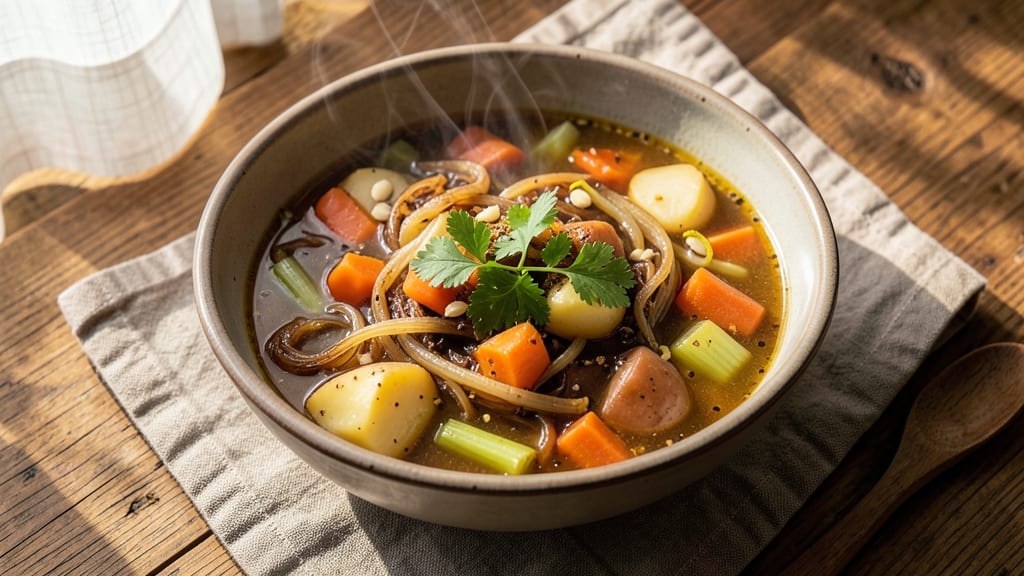
Bill Knapp's vegetable soup recipe transforms simple pantry staples into a deeply satisfying bowl that tastes like a hug on a chilly evening. The secret lies in slow-simmered flavors—caramelized onions, rich broth, and a medley of vegetables that meld into perfect harmony. I’ve adapted this classic to highlight Knapp’s signature balance of earthy depth and comforting texture, ensuring every spoonful delivers restaurant-quality warmth at home.
This recipe relies on a few key techniques: sautéing onions until golden for sweetness, building layers of flavor with garlic and herbs, and letting the soup simmer long enough to develop rich, interconnected tastes.
The result is a hearty yet light broth that’s flexible enough for weeknight dinners but impressive enough for guests. No fancy ingredients are needed—just fresh vegetables, quality broth, and patience.
What makes this soup truly special is its versatility. You can use whatever vegetables are on hand—carrots, celery, potatoes, or even frozen peas—and still achieve that signature Knapp-style depth. The final touch?
A sprinkle of fresh parsley or a swirl of olive oil, which elevates the dish from comforting to extraordinary. It’s the kind of soup that disappears faster than you can say "second bowl."
Perfect for meal prepping or serving immediately, this recipe scales effortlessly for crowds or leftovers. The slow cooking process means flavors only get better over time, making it ideal for busy schedules. Let’s get started—your kitchen will soon smell like home.
Ingredients for bill knapps vegetable soup
Simple vegetables and slow-simmered techniques create restaurant-quality vegetable soup with Knapp's signature depth.
| Ingredient | Amount | Notes |
|---|---|---|
| Yellow Onions 🧅 | 2 whole | Thinly sliced for caramelization |
| Carrots 🥕 | 4 medium | Peeled and cut into chunks |
| Celery Stalks 🧆 | 4 whole | Trimmed and chopped |
| Russet Potatoes 🥔 | 2 lb | Peeled and cubed |
| Garlic Cloves 🧄 | 6 cloves | Minced for aromatic depth |
| Vegetable Broth 💧 | 6 cups | Homemade or quality low-sodium |
| Tomato Paste 🍅 | ½ cup | For rich umami base |
| Dried Thyme 🌿 | 1 tbsp | Or 1 tbsp fresh thyme leaves |
| Bay Leaves 🍃 | 2 whole | For subtle earthy flavor |
| Olive Oil 🫒 | ½ cup | Extra-virgin for sautéing |
| Salt 🧂 | 1 ½ tsp | Diamond Crystal kosher preferred |
| Black Pepper 🌶️ | ½ tsp | Freshly ground for brightness |
| Fresh Parsley 🌿 | ¼ cup | Chopped for garnish |
| Frozen Peas 🌱 | 1 cup | Optional for added texture |
The onions are the foundation—sauté them until deeply golden for that sweet, caramelized flavor Knapp emphasizes. Yellow onions work best for this texture, but red or white will do in a pinch. For the broth, homemade is ideal, but quality low-sodium store-bought works too. The tomato paste adds a rich umami base that elevates everything; don't skip it. Fresh thyme leaves are preferable, but dried thyme at one-third the amount is a solid substitute. Bay leaves might seem subtle, but they're essential for that earthy depth—just remember to remove them before serving.
No fresh parsley? Fresh cilantro or basil works in a pinch for garnish, though parsley's bright flavor is classic. Short on carrots or celery? Swap in zucchini or bell peppers for a different texture—just adjust cooking times. The frozen peas add a nice contrast, but fresh peas or green beans work too. For the potatoes, Russets are ideal because they hold their shape, but Yukon Golds will give you a creamier texture. If you're prepping ahead, par-cook the potatoes first to speed up the process later.
This soup tastes even better the next day as flavors meld. Store in an airtight container in the fridge for up to 5 days or freeze for 3 months. I like to portion it into individual containers for easy lunches. The broth can be made ahead and stored separately for up to 1 week—just reheat and add the vegetables fresh. For extra richness, stir in a spoonful of nutritional yeast before serving, though it's not traditional to Knapp's style.
Why You'll Love This Recipe
- No Fuss, No Mess: I swear by this recipe because it’s the kind of soup where you can eyeball measurements—no fancy scales, no stress. Dice those onions, chop the carrots and celery (the classic "soup holy trinity"), toss in the potatoes and garlic, and let the broth do the work. My kids think they’re helping when they "inspect" the veggies, but honestly? It’s just a quick chop and a simmer.
- Creamy Without the Cream: Here’s what sold me—the potatoes break down into that velvety texture without needing heavy cream or butter. The garlic? Oh, it’s there, slow-cooked until it’s sweet and mellow, not overpowering. That crisp-tender celery and the natural sweetness of the carrots make every spoonful feel like a hug. (Yes, even on a Tuesday night.)
- Leftovers That Don’t Suck: Between us, most soups turn into sad, watery slop the next day. Not this one. The potatoes hold their shape, the broth thickens just enough, and the flavors actually deepened overnight. I make a double batch every Sunday—half for dinner, half for lunches that taste like they were made fresh. My lunchbox envy is real.
- Budget-Friendly Pantry Hero: This recipe uses ingredients you already have lurking in your fridge or pantry. Yellow onions, carrots, celery—those are the staples that never go to waste. The potatoes stretch the meal, and the garlic adds that "wow" factor for pennies. I’ll be real: I’ve made this soup on a $5 grocery run, and it still tasted like I’d spent an hour slaving away. (Spoiler: I hadn’t.)
Step-by-step instructions for bill knapps vegetable soup
Transform simple pantry staples into a rich, layered vegetable soup with deep flavor and satisfying texture.
Develop the Flavor Base with Caramelized Vegetables
Heat the 0.5 cup olive oil in a large Dutch oven over medium heat. Add the 2 whole yellow onions, 4 whole celery stalks (chopped), and 4 medium carrots (cut into chunks). Cook for 15-20 minutes, stirring occasionally, until the vegetables soften and develop a deep golden color. This slow caramelization builds complex sweetness and depth.
Add the 6 cloves garlic cloves (minced) and cook for another 1-2 minutes until fragrant. Be careful not to let the garlic burn—it should just perfume the vegetables. This aromatic foundation forms the soul of your soup, so take your time here. The vegetables should be tender but not mushy, with edges that begin to brown slightly.
Build Richness with Tomato Paste and Herbs
Stir in the 0.5 cup tomato paste and cook for 3-4 minutes until it darkens slightly and blends completely with the vegetables. This step intensifies the umami flavor and gives the soup its characteristic depth. Add the 1 tbsp dried thyme and 2 whole bay leaves, stirring to coat everything evenly.
The tomato paste will create a thick, glossy coating on the vegetables, which will later dissolve into the broth for a velvety texture. This is where the soup transforms from simple to sophisticated. Keep the heat at medium-low to prevent burning while allowing the flavors to meld.
Simmer with Potatoes and Broth
Add the 2 lb russet potatoes (cubed) and pour in the 6 cups vegetable broth. Bring to a gentle boil, then reduce heat to low and let it simmer for 20-25 minutes until the potatoes are fork-tender. You'll know they're ready when you can easily pierce them with a knife—they should be soft inside but still hold their shape.
Season with the 1.5 tsp salt and 0.5 tsp black pepper, adjusting to taste. The potatoes should absorb the flavors while maintaining their structure. If the soup seems too thick, add a splash of water or broth to reach your desired consistency. This is the moment where all the elements come together into a cohesive, comforting base.
Finish with Peas and Fresh Herbs
Stir in the 1 cup frozen peas and cook for 3-4 minutes until heated through. The peas should remain vibrant and slightly crisp, adding a pleasant contrast to the creamy potatoes. Remove the 2 whole bay leaves at this point—they've served their purpose and can be discarded.
Finally, fold in the 0.25 cup fresh parsley (chopped) just before serving. This bright green herb adds freshness and visual appeal, balancing the rich, earthy flavors of the soup. The parsley should be distributed evenly throughout, giving each spoonful a pop of color and a hint of brightness.
Rest and Serve with Confidence
Let the soup rest for 5-10 minutes before serving. This allows the flavors to fully integrate and the soup to reach its ideal consistency. The resting period also helps distribute the seasoning evenly throughout the broth, ensuring every bite is perfectly balanced.
Serve the soup hot, garnished with additional parsley if desired. Each bowl should be loaded with tender vegetables, richly flavored broth, and a satisfying mouthfeel. The caramelized vegetables at the bottom will provide a delightful textural contrast with each spoonful, making this a truly memorable pantry-to-pot creation.
Pro Tips For Making Bill Knapps Vegetable Soup
- CHAR THE ONIONS: Cook the onions until they’re soft but still have a slight bite—about 8-10 minutes on medium-low. I learned this the hard way: overcooking them turns the soup into a mushy, flavorless swamp, and nobody wants that.
- CUT POTATOES UNIFORM: Slice the Russet potatoes into ½-inch chunks, not random sizes—this ensures even cooking. My grandmother swore by this, and she was right: uneven pieces mean some will be mealy while others stay hard.
- SALT THE WATER: Add salt to the broth before adding the potatoes—about 1 teaspoon per quart. I skip this when I’m lazy, but the dish is noticeably better when I don’t. The potatoes absorb flavor better this way.
- USE FRESH GARLIC: Mince the garlic cloves just before adding them to the soup—don’t prep it hours ahead. Fresh garlic makes a real difference, and pre-minced garlic (even in olive oil) tastes stale after sitting in the fridge.
Regional styles of this recipe
New England Clam Chowder Twist
Inspired by Knapp’s love for bold flavors, this regional take swaps potatoes for 1 lb Yukon Gold potatoes and adds 12 oz chopped clams (or canned clams drained) in the final 5 minutes of simmering.
The briny clams cut through the richness while keeping the soup’s comforting texture. Serve with crusty sourdough for dipping and a sprinkle of Parmesan cheese for extra depth. 🌊
Southern Creamy Potato Version
For a Southern-inspired adaptation, replace the vegetable broth with 6 cups chicken broth and stir in 1 cup heavy cream or ½ cup sour cream at the end. Add 1 tsp smoked paprika and ½ tsp cayenne pepper for warmth.
Top with green onions and a dash of hot sauce for a smoky, creamy twist that feels like a hug. 🔥
Italian Minestrone Adaptation
Transform this into a rustic Italian minestrone by adding 1 can (15 oz) diced tomatoes, 1 cup white beans, and 1 zucchini (diced) during the final 10 minutes of simmering.
Finish with fresh basil and a drizzle of extra-virgin olive oil. The tomatoes add acidity, while the beans and zucchini bulk up the soup for a heartier meal. 🍅
Mexican-Inspired Tortilla Soup
Give it a Southwestern flair by adding 1 can (15 oz) black beans, 1 corn tortilla (torn into strips), and ½ cup corn kernels at the end.
Season with 1 tsp cumin and ½ tsp chili powder, then top with avocado slices, lime wedges, and cilantro. The tortilla strips add a fun, crispy texture that’s perfect for scooping up the broth. 🌶️
French-Inspired Leek & Potato
For a French bistro vibe, swap carrots and celery for 2 large leeks (white and light green parts only, sliced) and add 1 cup pearl onions (peeled and halved) with the potatoes.
Deglaze the pot with ½ cup dry white wine after caramelizing the onions for an extra layer of sophistication. Garnish with chervil or parsley for a refined touch. 🥖
Asian-Inspired Ginger-Lime
Infuse the broth with 1 tbsp grated fresh ginger and 1 tbsp fish sauce (or soy sauce for a vegetarian version) while simmering. Stir in 1 cup shredded bok choy and ½ cup shredded carrots at the end.
Finish with a squeeze of lime juice and cilantro. The ginger and lime add a bright, zesty contrast to the creamy potatoes. 🍋
Nutrition facts
Frequently asked questions
Can I make this vegetable soup in a slow cooker?
Sauté the onions, celery, and carrots first in a skillet, then transfer everything to your slow cooker. Add the broth, potatoes, tomato paste, and herbs. Cook on low for 6-7 hours or high for 3-4 hours until potatoes are tender. The slow cooking enhances the flavors even more, making it perfect for busy days. Just add peas and parsley at the end.
What vegetables can I substitute if I don't have carrots or celery?
No problem! Swap carrots for sweet potatoes or butternut squash (diced) for natural sweetness. Replace celery with bell peppers or mushrooms for extra umami. Just adjust cooking times—squash and sweet potatoes take longer to soften. The key is maintaining that sweet-savory balance Knapp's recipe relies on.
Why does my soup taste bland after simmering?
Bland soup usually means insufficient seasoning or rushed cooking. Let it simmer longer (30-45 minutes) to develop depth. Taste and adjust with salt, pepper, or a splash of lemon juice before serving. The tomato paste should have deepened the flavor—if you skipped it, stir in 1 tsp soy sauce or Worcestershire for umami. Patience is key!
Can I make this soup ahead of time?
This soup actually tastes better the next day as flavors meld! Store in an airtight container in the fridge for up to 5 days or freeze for 3 months. Reheat gently on the stove with a splash of water or broth to restore consistency. The caramelized onions will soften further, creating an even richer base. Perfect for meal prep!
What's the secret to getting that restaurant-quality texture?
The magic lies in three techniques:
- Caramelizing onions until deeply golden (don't rush this!),
- Using a mix of starchy and firm vegetables (potatoes + carrots + celery), and
- Letting it simmer uncovered for at least 20 minutes to develop body. The contrast between tender potatoes and slightly crisp peas adds that professional touch.