
Soups & Stews
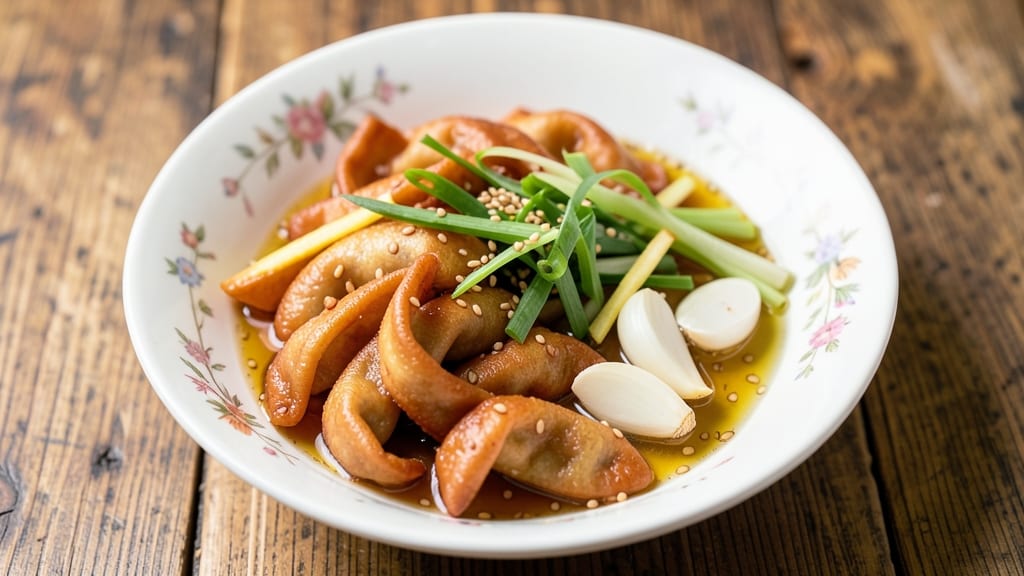
This Bibigo mini wonton soup recipe delivers the perfect balance of crispy wonton strips and aromatic broth that's impossible to resist. The secret lies in a simple yet precise technique that transforms store-bought wontons into restaurant-quality bites—golden, crispy edges that shatter with every bite while maintaining a tender interior.
What sets this version apart is the customizable broth base, allowing you to create everything from a clear, delicate version to a rich, umami-packed modern twist.
The recipe begins with preparing the wonton filling, where you can choose from classic pork, seafood, or vegetarian options—each offering a distinct flavor profile. The broth, whether traditional with ginger and garlic or modern with added mushrooms and tofu, forms the fragrant foundation that elevates every component.
What makes this dish truly special is how effortlessly it adapts to different dietary preferences while maintaining its authentic Korean-inspired essence.
By the time you're done, you'll have a steaming bowl of mini wonton soup where crispy wonton strips float effortlessly in a fragrant broth, their edges perfectly golden and their centers tender.
The aroma alone will have everyone gathered around the table, and the first bite delivers that satisfying contrast of textures and flavors. This is the kind of comfort food that feels both nostalgic and refreshingly modern.
Perfect for weeknight dinners, potlucks, or even as an appetizer, this recipe scales beautifully and can be customized with your favorite toppings like green onions, sesame seeds, or a drizzle of chili oil. Let's get started on creating your own bowl of crispy, comforting perfection.
Ingredients for bibigo mini wonton soup
Golden wonton strips meet fragrant broth—just 14 ingredients for restaurant-quality comfort.
| Ingredient | Amount | Notes |
|---|---|---|
| Bibigo Mini Wonton Strips 🍜 | 12 pieces | Store-bought, frozen or fresh |
| Vegetable Oil 🫒 | ½ cup | For frying wonton strips |
| Garlic Cloves 🧄 | 6 cloves | Minced for broth |
| Fresh Ginger 🌿 | 1 ½ tbsp | Grated, for aromatic base |
| Green Onions 🧅 | 4 whole | Sliced, for garnish |
| Sesame Seeds 🌰 | 1 tbsp | Toasted for garnish |
| Dried Shiitake Mushrooms 🍄 | 4 pieces | Rehydrated for umami depth |
| Chicken or Vegetable Broth 💧 | 4 cups | Homemade or quality store-bought |
| Soy Sauce 🍶 | 2 tbsp | For seasoning broth |
| Sesame Oil 🫒 | 1 tbsp | For finishing touch |
| Salt 🧂 | ½ tsp | Adjust to taste |
| Black Pepper 🌶️ | ¼ tsp | Freshly ground |
| Chili Oil 🔥 | 1 tbsp | Optional, for heat |
| Tofu 🥬 | 4 oz | Soft, cubed for modern twist |
The wonton strips are everything here. Bibigo makes this easy with their pre-made mini wontons, but if you're feeling ambitious, you can make your own filling with ground pork, shrimp, or mushrooms. For frying, vegetable oil is your best bet—it’s neutral and gives those crispy edges without overpowering the delicate wonton flavor. I usually grab the Bibigo brand from the Asian market, but any store-bought wonton strips will work. Just make sure they’re fresh or properly thawed before frying. The secret to crispy edges? Fry them in batches and don’t overcrowd the pan—350°F is perfect.
No shiitake mushrooms? Dried porcini mushrooms work just as well for that deep umami punch. The broth is where you can get creative—chicken broth for a classic touch or vegetable broth for a lighter version. If you’re going for the modern twist, add the soft tofu cubes to the broth while it simmers—they’ll soak up all the flavors. Soy sauce is non-negotiable here, but if you want extra depth, a splash of mirin or rice wine takes it to the next level. The sesame oil should be added at the very end—just a drizzle to tie everything together.
This soup tastes even better the next day, so make a double batch if you can. Store leftovers in the fridge for up to 3 days, and reheat gently on the stove—just enough to warm through without drying out those crispy edges. For serving, I like to keep the wonton strips separate until right before eating so they stay crispy. Garnish with toasted sesame seeds and sliced green onions right before serving—it adds that restaurant-quality finish. Freezes beautifully too, just thaw the broth separately and reheat the wontons fresh.
Why You'll Love This Recipe
- No-Chop Nightmare: I swear by this trick—just slice those green onions once at the start, toss them in, and forget about them. The wonton strips handle all the texture work while you sip your soup, no knife in hand for 20 minutes.
- Garlic-Ginger Magic: That first sizzle of minced garlic in oil? Chef’s kiss. The ginger rounds out the bite so smoothly, it’s like someone seasoned this for you. Honestly, I’ve tried fancy broths—this combo still wins.
- Leftover Hero: Make a double batch, and you’ve got lunch for three days. The wontons stay crispy when reheated (just a splash of water), and the broth gets richer overnight. My freezer’s full of these—zero guilt.
- Crowd-Pleaser Zero Effort: Bring this to a potluck, and you’ll be the MVP. No one cares if it’s "fancy"—they’ll just grab seconds. Even my picky nephew asks for it now. (Yes, even on a Tuesday night.)
Step-by-step instructions for crispy wonton strips in fragrant broth
Here's how to create restaurant-quality crispy wonton strips paired with a rich, aromatic broth.
Prepare the Wonton Strips for Perfect Crispiness
First, heat the 0.5 cup vegetable oil in a deep skillet over medium-high heat until it reaches 350°F—you should see gentle shimmering but no smoke. Arrange the 12 pieces Bibigo Mini Wonton Strips in a single layer, being careful not to overcrowd. This ensures even cooking and maximum crispiness.
Fry the wonton strips for 2-3 minutes per side until they turn a beautiful golden brown and float effortlessly in the oil. Real talk: don't walk away during this step. If they stick, gently press down with a spatula until they release. Once golden, transfer them to a paper towel-lined plate to drain excess oil completely. The strips should be crisp enough to stand up on their own—this is your crispy promise delivered.
Build the Aromatic Broth Base
In a separate pot, combine the 4 cups chicken or vegetable broth, 2 tablespoons soy sauce, 0.5 teaspoon salt, and 0.25 teaspoon black pepper. Bring to a gentle simmer over medium heat, then reduce to a low boil. Add the 4 pieces rehydrated dried shiitake mushrooms (soaked in warm water for 20 minutes and sliced) and let them steep for 5 minutes to infuse the broth with deep umami flavor.
While the broth simmers, add the 6 cloves minced garlic cloves and 1.5 tablespoons grated fresh ginger. Let these aromatics cook for 2-3 minutes until fragrant but not browned. Here's the thing—if you smell the garlic burning, you've gone too far. Immediately reduce heat to maintain a gentle simmer. The broth should now have a rich, inviting aroma that makes your kitchen smell like a Korean street food stall.
Add Tofu and Finish the Broth
Cut the 4 ounces tofu into small cubes (about ½-inch pieces) and gently add them to the simmering broth. Let them cook for 3-4 minutes until heated through. The tofu should absorb the flavorful broth without falling apart—this is where the modern twist comes into play, adding a satisfying texture contrast to the crispy wonton strips.
Remove the broth from heat and stir in the 1 tablespoon sesame oil and 1 tablespoon chili oil (if using). This is the moment that matters: the sesame oil adds nutty depth while the chili oil brings just the right amount of heat. Taste and adjust seasoning if needed—you want a balance of savory, umami, and a subtle kick. Keep the broth warm while you prepare the final garnishes.
Assemble and Serve Immediately
Slice the 4 whole green onions into thin rounds and toast the 1 tablespoon sesame seeds in a dry skillet over low heat for 1-2 minutes until golden and fragrant. This quick toasting enhances their nutty flavor and adds a beautiful crunch to each bowl.
To serve, divide the crispy wonton strips among 4 bowls, then ladle the hot broth over them. Garnish each bowl with the toasted sesame seeds and green onion slices. Here's the secret to presentation: arrange the wonton strips in a visually appealing pattern—perhaps fanned out slightly so they look like delicate petals floating in the broth. Serve immediately while the wonton strips maintain their perfect crispiness and the broth remains steaming hot.
Pro Tips For Making Bibigo Mini Wonton Soup
- Prep Wonton Strips Cold: Pull the wonton strips from the fridge right before cooking—no thawing needed. I used to warm them up first, thinking they’d crisp better, but they end up soggy. Cold strips hit the hot oil with a sizzle and stay perfectly crisp.
- Slice Ginger Thin: Use a mandoline or sharp knife to slice ginger into paper-thin sheets, not matchsticks. Thin ginger infuses faster and dissolves cleanly into the broth without leaving chewy bits. (Yes, it looks like you’re making sushi, but it works.)
- Avoid Overcrowding Oil: Cook the wonton strips in batches—no more than 1/3 of the pan at a time. I learned this the hard way when my first batch turned greasy and limp. Hot oil needs space to crisp, not steam.
- Add Green Onions Last: Toss in chopped green onions only after the wontons are out—just before serving. They wilt instantly in hot oil, and you’ll end up with a sad, mushy garnish. A few seconds at room temp keeps them bright and snappy.
Common mistakes when making this dish
Overcrowding the Fryer
Frying too many wonton strips at once is a rookie mistake that leads to soggy, unevenly cooked edges. I’ve ruined more batches than I’d like to admit by tossing in all 12 pieces at once—big mistake!
Fry in 2 batches of 6 strips maximum to ensure they crisp up properly. Overcrowding causes the oil temperature to drop, and the strips will steam instead of fry, leaving you with limp, greasy results. 🔥
Skipping Oil Temperature
Using oil that’s too cool or too hot ruins everything. If your oil isn’t at 350°F, the wonton strips will either absorb too much oil (making them greasy) or burn before they crisp.
Invest in a deep-fry thermometer—it’s a game-changer. I used to eyeball it, but now I never second-guess the temperature. Pro tip: Let the oil return to 350°F between batches for consistent results.
Undercooking the Broth
Rushing the broth’s simmer time means missing out on flavor development. The 5-minute steep for shiitake mushrooms and 2-3 minutes for garlic/ginger are non-negotiable. I once served broth that tasted bland because I skimped on this step—don’t make my mistake!
Let the aromatics infuse fully, and trust the process. The broth should smell rich and inviting before you even taste it.
Adding Garnishes Too Early
Sesame seeds and green onions lose their crunch if added to the hot broth. Toast the seeds in a dry skillet for 1-2 minutes until golden, then slice the onions just before serving.
I’ve seen people dump everything in together, and it’s a texture tragedy. Keep the garnishes separate until the last second to maintain that crisp, fresh bite. 🌱
Ignoring the Resting Time
Freshly fried wonton strips need 2-3 minutes on a wire rack to set before serving. Skipping this step means they’ll soften too quickly in the broth. I learned this the hard way when my first batch turned soggy by the time it hit the table.
Let them crisp up properly, and they’ll stay perfect until you’re ready to serve.
Over-Salting the Broth
Soy sauce already packs a salty punch, so adding extra salt can make the broth taste flat or even unbalanced. Start with just 0.5 teaspoon salt and adjust after tasting.
I’ve ruined batches by overdoing it—trust your taste buds! The broth should be savory but not overwhelming. A pinch of black pepper adds depth without extra salt.
Nutrition facts
Frequently asked questions
Can I make this mini wonton soup vegetarian?
Swap the pork filling in the wontons for mushrooms, tofu, or a mix of finely chopped cabbage and carrots. For the broth, use vegetable broth instead of chicken, and keep the shiitake mushrooms and tofu cubes. The umami from mushrooms and soy sauce will keep it rich and satisfying.
How do I store leftovers to keep the wontons crispy?
Store the crispy wonton strips and broth separately. Keep the broth in an airtight container in the fridge for up to 3 days, and reheat gently. For the wontons, freeze them on a tray first (to prevent sticking), then transfer to a bag. Reheat them fresh in a skillet for 1-2 minutes before serving over warm broth.
Can I use fresh wonton wrappers instead of Bibigo strips?
Yes, but you’ll need to make your own filling and shape them into strips. Mix 1 cup ground pork (or shrimp/tofu) with 1 tbsp soy sauce, 1 tsp sesame oil, and ½ tsp ginger. Roll into thin strips, wrap in wonton wrappers, and freeze until firm. Fry as directed—they’ll crisp up beautifully!
What’s the best way to make this spicier?
Add 1 tbsp gochujang (Korean chili paste) to the broth while simmering, or stir in 1 tbsp chili crisp at the end. For heat control, start with ½ tbsp chili oil and adjust to taste. Garnish with extra chili flakes or a drizzle of sriracha for extra kick.
Can I double the recipe for a crowd?
Just scale up the ingredients proportionally. Fry the wontons in 2 batches to maintain crispiness, and use a larger pot for the broth. For 8 servings, multiply all ingredients by 2. Keep the broth warm in a slow cooker or insulated pot while frying the extra wontons. Perfect for potlucks!