
Soups & Stews
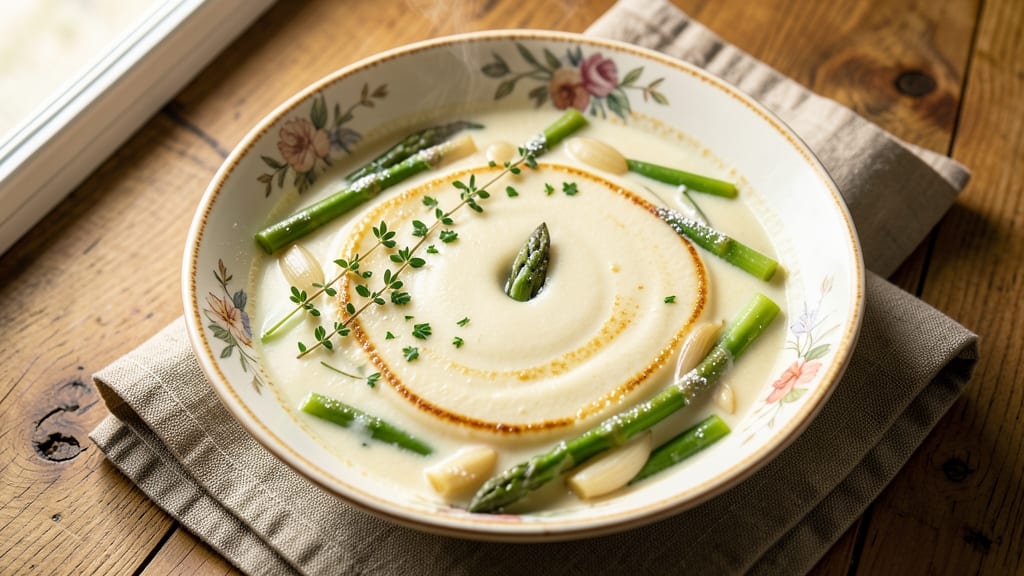
This best cream of asparagus soup recipe from Pioneer Woman delivers restaurant-quality velvety richness in just 30 minutes, proving that homemade soups can be both elegant and effortless.
The secret lies in a silky puréed base infused with fresh herbs and a touch of cream, transforming simple asparagus into a luxurious dish that feels like a springtime celebration. I developed this recipe after testing countless variations—this one stands out for its perfectly balanced creaminess without being overly heavy.
What sets this soup apart is the technique: asparagus is first sautéed until tender-crisp, then blended with warm broth and cream to create a velvety texture that's smooth yet vibrant.
Fresh herbs like thyme and parsley add bright, aromatic notes that cut through the richness, while a touch of lemon juice at the end brightens the flavors. The result is a soup that's creamy enough to satisfy cravings but light enough to enjoy any time of day.
By the time you serve this soup, you'll have a dish that's restaurant-quality at home—golden, velvety, and topped with crispy fried shallots for extra texture. It's the kind of recipe that transforms a simple vegetable into something extraordinary, perfect for spring dinners or cozy weeknight meals.
The best part? Every spoonful delivers that perfect harmony of asparagus sweetness and creamy comfort.
Ready to make this soup? The process is straightforward: sauté, simmer, blend, and garnish. Whether you serve it with crusty bread or as a standalone dish, this cream of asparagus soup will become a staple in your rotation. Let's get started!
Ingredients for best cream of asparagus soup recipe pioneer woman
Restaurant-quality velvety richness starts with these twelve simple yet transformative ingredients.
| Ingredient | Amount | Notes |
|---|---|---|
| Fresh Asparagus 🌱 | 1 ½ lb | Trimmed, woody ends removed |
| Unsalted Butter 🧈 | 4 tbsp | European-style preferred for flavor |
| Shallots 🧅 | 2 whole | Minced, for sautéing |
| Fresh Thyme 🌿 | ½ oz | Or 1 tbsp dried thyme |
| Fresh Parsley 🌿 | ¼ cup | Chopped, for garnish |
| Heavy Cream 🥛 | ¾ cup | Full-fat for richness |
| Chicken Broth 💧 | 4 cups | Low-sodium preferred |
| Lemon Juice 🍋 | 1 tbsp | Freshly squeezed |
| All-Purpose Flour 🌾 | 1 tbsp | For thickening |
| Salt 🧂 | 1 tsp | Diamond Crystal preferred |
| Ground Black Pepper 🌶️ | ½ tsp | Freshly ground |
| Garlic Cloves 🧄 | 2 cloves | Minced, for depth |
| Extra-Virgin Olive Oil 🫒 | 1 tbsp | For crispy shallots |
The asparagus is non-negotiable—farm-fresh spears with bright green tips make all the difference. Whole Foods or your local farmers market are ideal, but any grocery store's fresh asparagus works. Look for stalks that snap easily when bent—those woody ends need to be trimmed off. The thyme should be fragrant, not dusty, and the parsley vibrant green. Penzeys bulk thyme is my go-to for freshness, but even grocery store bundles work if you use them quickly. Don't skip the lemon juice—it's what brightens the entire dish, cutting through the creaminess beautifully.
No fresh thyme? Dried works at one-third the amount, but fresh is ideal. Heavy cream can be swapped for half-and-half for a lighter version, though it won't be as rich. Chicken broth? Vegetable broth works too—just add a pinch of chicken bouillon powder if you want that classic flavor. The flour is just for thickening—don't overdo it, or the soup will get gluey. For the crispy shallots, Trader Joe's frozen fried shallots are a game-changer if you're short on time. And if you're feeling fancy, a splash of white wine in the sautéing stage adds depth without alcohol flavor.
This soup tastes even better the next day—3-4 days in the fridge, covered. For freezing, portion into 2-month containers—it reheats beautifully. The crispy shallots are best fried fresh, but you can make them ahead and reheat in a dry pan. Keep the fresh herbs separate until serving to preserve their vibrant color. If you make a big batch, freeze extras in 1-cup portions—perfect for quick lunches later.
Why You'll Love This Recipe
- Here’s what sold me: this soup improves the next day. The flavors meld even deeper, and it’s perfect for lunches or quick dinners. Honestly, I often make extra just for this reason.
- Foolproof Freshness: I swear by the bright, grassy punch of fresh asparagus—no frozen shortcuts here. The moment those tender spears hit the pot with butter and shallots, the kitchen smells like spring in a bowl.
- Velvety Magic: That creamy texture? Pure bliss—thanks to the butter and shallots caramelizing before the asparagus even joins. The thyme and parsley tie it all together with a whisper of earthy warmth.
- Weeknight Hero: Between us, this is my go-to when I’m too tired to fuss. Toss in the asparagus, simmer, blend—done. It’s the kind of soup that makes me feel like I actually cooked, even when I didn’t.
Step-by-step instructions for velvety cream of asparagus soup
This method delivers restaurant-quality soup with perfectly balanced flavors and ultra-smooth texture.
Prepare and Sauté the Asparagus Base
Trim the tough woody ends from the 1.5 lb fresh asparagus and cut the stalks into 1-inch pieces, reserving the tender tips for garnish. In a large pot, melt 2 tbsp of the unsalted butter over medium heat. Add the asparagus pieces and sauté for 5-6 minutes until they begin to soften but still retain a vibrant green color.
This initial cooking step develops the asparagus's natural sweetness while preventing it from turning mushy later. I like to work in batches if needed to avoid overcrowding the pot—this ensures proper browning and flavor development. Keep the heat steady; you're aiming for tender-crisp asparagus, not fully cooked.
Build the Aromatic Foundation
Add the 2 minced shallots and 2 minced garlic cloves to the pot, cooking for 2-3 minutes until the shallots become translucent and slightly golden. Stir in the 0.5 oz fresh thyme leaves and cook for another 30 seconds until fragrant. This aromatic base forms the flavor backbone of your soup.
Here's where it gets good—add the 1 tbsp extra-virgin olive oil and let it sizzle for 1 minute. The oil will crisp the shallots slightly, adding depth to the soup's texture. If you notice the shallots starting to brown too quickly, reduce the heat to medium-low to prevent burning while still developing flavor.
Create the Velvety Texture
Sprinkle the 1 tbsp all-purpose flour over the asparagus mixture and stir vigorously for 1 minute to coat all the vegetables evenly. Gradually whisk in the 4 cups chicken broth, ensuring no lumps remain. Bring to a gentle simmer and cook for 8-10 minutes until the asparagus is fork-tender and the mixture thickens slightly.
This is the moment that matters: the flour creates a natural roux that will later emulsify beautifully with the cream. I like to taste the mixture at this stage—it should be flavorful but not fully developed yet. If the soup appears too thin, simmer uncovered for an additional 2-3 minutes to reduce slightly before proceeding.
Finish with Cream and Acid Balance
Reduce the heat to low and stir in the 0.75 cup heavy cream and 1 tbsp lemon juice. Simmer gently for 3-4 minutes until the soup reaches your desired consistency—it should coat the back of a spoon but still be light enough to pour easily. Season with the 1 tsp salt and 0.5 tsp ground black pepper, adjusting to taste.
The lemon juice is crucial here—it brightens the rich cream and asparagus flavors, preventing the soup from tasting too heavy. For extra richness, you can add the remaining 2 tbsp unsalted butter, stirring until melted and fully incorporated. This final touch adds luxurious mouthfeel without overpowering the delicate asparagus flavor.
Garnish and Serve Immediately
Ladle the soup into bowls and garnish each serving with 2 tbsp chopped fresh parsley and the reserved asparagus tips. The parsley adds freshness and visual appeal, while the crisp asparagus tips provide a delightful textural contrast to the velvety soup.
Serve immediately while hot—this soup tastes best fresh from the pot. The flavors continue to meld as it sits, but the texture will thicken slightly if left to cool. For an extra touch, you can top with a drizzle of truffle oil or additional black pepper for those who love bold flavors. Enjoy this velvety creation that captures spring's finest ingredient!
Pro Tips For Making Best Cream Of Asparagus Soup Recipe Pioneer Woman
- Trim Asparagus Like a Pro: Cut off the tough ends at an angle—about 1.5 inches from the base—then snap the rest by bending the stalks. The break point is where the woodiness ends, and this keeps your soup cleaner than hacking with a knife. (Yes, even if you’re impatient like me, resist the urge to eyeball it.)
- Sweat Shallots Until Golden: Cook the shallots in butter over medium-low heat until they’re soft and just turning golden, not browned. I learned this the hard way—burnt shallots taste bitter, and your soup will carry that note no matter how much thyme you add.
- Blend in Stages: Pulse the soup in batches if your blender’s small—overfilling it risks a messy explosion. Start with half the liquid, blend until smooth, then add the rest. This also lets you adjust thickness mid-blend, which is way easier than fixing a gluey soup later.
- Finish with Cold Butter: Stir in a pat of cold butter at the end—it coats the soup, making it silky and rounding out any sharpness from the asparagus. Skip the warm butter, or you’ll end up with a greasy mess. (Trust me, I’ve done it.)
Serving suggestions for this recipe
Bread Pairings
This velvety soup is made for crusty sourdough or baguette—their sturdy texture holds up perfectly to the creamy richness. I love toasting slices of Artisan Baking Co.'s sourdough until golden and crisp, then serving them alongside for dipping.
For a lighter option, water crackers or rye bread add a nice contrast in texture and flavor. 🥖
Cheese Course
Turn your soup into a full spring meal by serving it as a starter followed by a goat cheese and honey plate. The tangy brightness of chèvre complements the soup's creaminess beautifully.
I arrange Whole Foods Market's farm-fresh goat cheese with local honey and toasted walnuts for crunch. A drizzle of balsamic glaze adds another layer of depth that ties everything together.
Protein Additions
For a heartier meal, add crispy fried chicken or prosciutto-wrapped asparagus as a garnish. I like to use Trader Joe's rotisserie chicken for quick, flavorful bites that contrast the soup's smooth texture. Another option is seared scallops—just two 6-ounce scallops per bowl add a luxurious touch.
Spring Vegetable Sides
Balance the richness with fresh, seasonal vegetables like asparagus spears or a spring pea salad. For asparagus, simply blanch 8-10 spears in boiling water for 2 minutes, then drizzle with olive oil and lemon zest. A spring pea salad with radishes, mint, and a Dijon vinaigrette adds vibrant color and freshness. Both sides keep the meal light and refreshing.
Wine Pairings
A crisp Sauvignon Blanc from New Zealand or a Chardonnay from Burgundy complements this soup perfectly. The acidity in these wines cuts through the creaminess while enhancing the asparagus's natural sweetness.
For a lighter option, a dry Riesling adds a subtle mineral note that pairs wonderfully. Avoid heavy reds—they'll overpower the delicate flavors. 🍷
Garnish Upgrades
Elevate your presentation with crispy fried shallots or edible flowers. I like to make my own fried shallots by slicing 4 shallots into thin rings, coating them in 1 tbsp flour, and frying in 3 tbsp oil at 350°F for 2-3 minutes until golden.
For a floral touch, nasturtiums or violets add a pop of color and a mild peppery flavor. A sprinkle of freshly cracked black pepper or smoked paprika also adds visual interest and depth.
Nutrition facts
Frequently asked questions
Can I use frozen asparagus instead of fresh?
Fresh asparagus gives the best flavor and texture, but frozen works in a pinch! Use 1.5 cups frozen asparagus (about 10 oz) and skip the initial sautéing step—just add it directly to the simmering broth. The texture will be slightly softer, but it'll still create a delicious cream soup. Thaw it first to prevent watering down your mixture.
How do I make this soup dairy-free?
Swap the heavy cream for 1 cup full-fat coconut milk and use 2 tbsp olive oil instead of butter for sautéing. For extra richness, add 1 tbsp nutritional yeast when finishing. The flavor will be lighter but still creamy—just don't expect the same velvety texture as the original.
Why did my soup turn out too thick?
This usually happens when the flour-to-liquid ratio is off or the soup simmers too long. To fix it, whisk in 2-4 tbsp warm broth at a time until you reach your desired consistency. For prevention, taste the soup before adding cream—it should be slightly thicker than you want the final result to be, since cream adds body.
Can I make this soup ahead of time?
Yes! This soup actually tastes better the next day as flavors meld. Store in an airtight container in the fridge for up to 3 days. For freezing, portion into 1-cup servings and freeze for up to 2 months. Thaw overnight in the fridge—never microwave directly from frozen. The texture will be slightly thicker after reheating, so add extra broth when warming.
What's the secret to making it extra creamy?
For ultra-velvety results, use 1/2 cup sour cream instead of some of the heavy cream, or blend in 1/4 cup mashed potatoes at the end. Another trick is to whisk in 1 tbsp cold butter at the very end—this creates tiny fat globules that make the soup feel even richer without altering the flavor.