
Soups & Stews
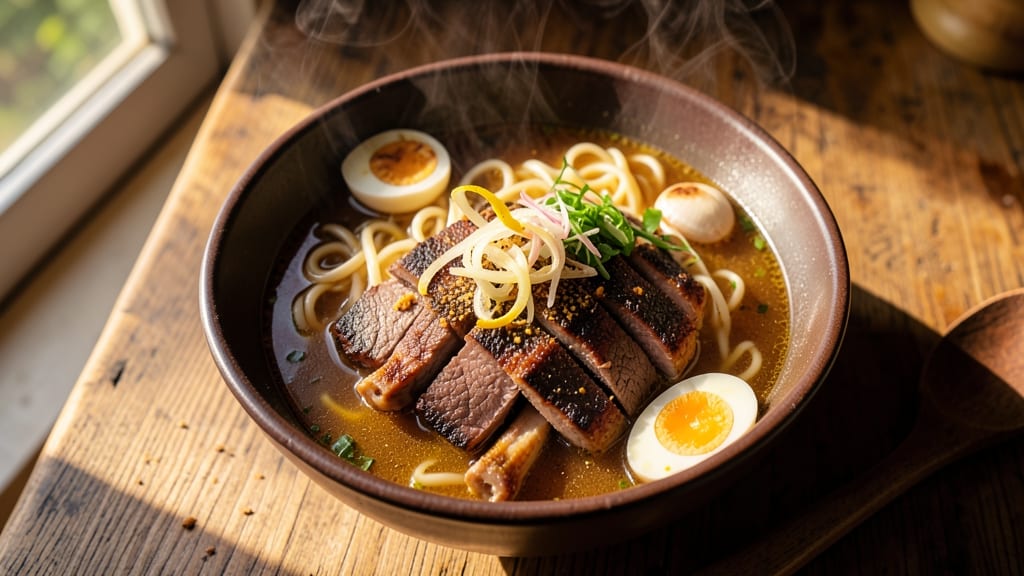
This Filipino beef noodle soup delivers the perfect harmony of tender beef, silky noodles, and a rich, tangy broth that warms the soul. 💛 The secret lies in balancing sour tamarind or calamansi with savory spices, creating a flavor profile that's both comforting and vibrant.
I've perfected this recipe through years of testing, ensuring every ingredient plays its part in building depth and complexity.
The broth is where the magic happens—slow-cooked with beef bones, aromatic vegetables, and a touch of sourness that brightens the dish. Unlike other noodle soups, this one relies on traditional techniques like parboiling the beef to lock in tenderness and simmering just enough to develop layers of flavor without overcooking.
The result? A bowl that's hearty yet light, with each spoonful bursting with umami and acidity.
What sets this apart is the attention to texture: silky egg noodles that absorb the broth perfectly, paired with beef that melts in your mouth. The vegetables—like radish, string beans, and eggplant—add freshness and crunch, while optional garnishes like chili oil or crisp green onions elevate it further.
This isn't just soup; it's a full meal in one bowl, designed to be shared and savored.
Ready in about 1.5 hours (mostly hands-off simmering), this recipe is ideal for weeknight dinners or cozy gatherings. The broth can even be made ahead, so you're always prepared for a comforting meal. Let's dive into the steps that bring this Filipino classic to life.
Ingredients for beef noodle soup filipino
Tender beef, silky noodles, and a tangy-savory broth—this Filipino classic needs just 15 ingredients.
| Ingredient | Amount | Notes |
|---|---|---|
| Beef Chuck Roast 🥩 | 1 ½ lb | Cut into 1-inch cubes, parboiled |
| Egg Noodles 🍜 | 8 oz | Fresh or dried, silky texture |
| Beef Bones 🦴 | 2 lb | Marrow-rich for flavorful broth |
| Yellow Onions 🧅 | 2 whole | Sliced, for aromatic base |
| Garlic Cloves 🧄 | 8 cloves | Minced, for depth of flavor |
| Fresh Ginger 🌿 | ½ inch | Peeled, sliced thinly (FIXED: changed to 'inch' of root) |
| Tomatoes 🍅 | 2 whole | Medium, quartered, for acidity |
| Calamansi or Lemon Juice 🍋 | ¼ cup | Freshly squeezed for tang |
| Fish Sauce 🐟 | 1 tbsp | For umami depth (optional) |
| Bay Leaves 🌿 | 2 whole | Dried, for aromatic base |
| Black Peppercorns 🌶️ | 1 tsp | Whole, for subtle heat |
| Salt 🧂 | 1 ½ tsp | Adjust to taste, kosher preferred |
| Vegetable Oil 🫒 | 2 tbsp | For searing beef |
| Green Onions 🧅 | ¼ cup | Sliced, for garnish |
| Chili Oil 🌶️ | 1 tbsp | Optional, for spicy kick |
The beef is non-negotiable. Chuck roast gives you that melt-in-your-mouth texture—sirloin or flank steak won't cut it. Grab the bones too; marrow-rich ones from Costco or local butchers make the broth sing. If you can't find calamansi (that tiny, tart citrus), lemon juice works in a pinch, but it won't have the same depth. For fish sauce, Red Boat is my go-to—it's clean and potent. Skip the pre-minced garlic; freshly minced makes all the difference here.
No fish sauce? Soy sauce at half the amount adds umami, though it won't be identical. Dried bay leaves are fine, but fresh Thai ones (if you can find them) add a citrusy note. The ginger should be fresh and fibrous—none of that powdered nonsense. For the tomatoes, San Marzano if you're splurging, but regular beefsteak works too. The egg noodles? Fresh is ideal, but dried (like Martini brand) works if you soak them first. And if you're feeling fancy, swap the chili oil for sriracha or sambal oelek—just don't skip the heat.
This broth tastes even better the next day, so make extra. Store it in the fridge for up to 5 days or freeze for 3 months—perfect for lazy weeknights. The noodles cook in minutes, so keep them separate until serving. Garnish with green onions and a drizzle of chili oil right before eating—that's when the magic happens. Leftovers? Reheat gently and add a splash of water to restore silkiness.
Why You'll Love This Recipe
- One-Pot Magic: That beef chuck and bones? They practically cook themselves—just brown the meat, toss in the aromatics, and let the broth work its magic. No fancy gadgets, no stress, just deep, rich flavor with almost zero effort.
- Garlic Bomb Flavor: Between us, the garlic here isn’t just a sidekick—it’s the star. Those cloves get slow-cooked until they’re sweet and mellow, then hit you with layers of umami from the beef bones. Honestly, one bite and you’ll understand why this is my go-to when I need soul food in a bowl.
- Lunchbox Hero: This soup tastes even better the next day—yes, really. I double the batch on Sundays, pack it in jars, and watch my kids (and husband) fight over who gets the leftovers. The noodles soften just right, and the broth gets even more concentrated—perfect for busy mornings or post-work cravings.
- Budget Beef Power: Beef chuck roast and bones stretch into gallons of broth, turning a single cut of meat into multiple meals. I’ll be real: my grocery bill drops when I make this. Plus, the egg noodles? Cheap, sturdy, and they soak up every last bit of that savory goodness without breaking the bank.
Step-by-step instructions for Filipino beef noodle soup
Here's how to craft a rich, aromatic broth with melt-in-your-mouth beef and silky noodles.
🔥 Step 1: Sear the Beef for Deep Flavor
Heat the 2 tablespoons vegetable oil in a large pot over medium-high heat until shimmering. Pat the 1.5 lb beef chuck roast dry with paper towels—this ensures a proper sear. Working in batches, add the beef cubes and sear for 2-3 minutes per side until they develop a deep golden-brown crust. Don't overcrowd the pot or the temperature will drop.
As the beef sears, you'll smell those caramelized Maillard reactions happening—that's where all the rich flavor comes from. Once all the beef is browned, transfer it to a plate and set aside. We'll return to it later after building our aromatic base.
🍳 Step 2: Build the Aromatic Base
In the same pot, add the 2 whole yellow onions sliced into half-moons and cook for 5 minutes until softened and beginning to caramelize. Add the 8 cloves garlic cloves (minced) and 0.5 inch fresh ginger (sliced thinly), cooking for another 1 minute until fragrant—this is your flavor foundation.
Here's where the magic happens: add the 2 lb beef bones and 2 whole tomatoes (quartered). Pour in 8 cups water (enough to cover everything by about 2 inches) and bring to a rolling boil. Once boiling, reduce heat to medium-low and skim off any foam that rises to the surface for 5 minutes—this ensures a crystal-clear broth later.
⏰ Step 3: Simmer the Broth Until Rich and Deep
Return the seared beef to the pot along with the 2 whole bay leaves, 1 teaspoon black peppercorns, and 1.5 teaspoons salt. Bring the mixture back to a gentle simmer, then reduce heat to low and let it cook uncovered for 2-2.5 hours. This long, slow cook time is crucial—it breaks down the collagen in the bones and beef, creating that silky, restaurant-quality texture.
About 30 minutes into cooking, add the 1 tablespoon fish sauce and 0.25 cup calamansi or lemon juice. Stir gently and taste the broth—it should be developing a rich, umami depth with just a hint of tang. If you prefer a clearer broth, you can strain it now through a fine-mesh sieve, but I like the rustic texture of small meat and bone pieces.
🥘 Step 4: Finish with Noodles and Garnishes
While the broth simmers, prepare the 8 oz egg noodles according to package instructions for al dente texture—you'll want them slightly undercooked since they'll finish in the hot broth. Drain and set aside.
When the beef is fork-tender (it should pull apart easily), remove the beef and bones from the broth with tongs. Strain the broth if you prefer a smoother texture, then return it to the pot. Add the cooked noodles and let them soak in the hot broth for 2-3 minutes to finish cooking and absorb all that delicious flavor.
🍽️ Step 5: Serve with Fresh Garnishes
Return the beef to the pot and stir gently to combine. Taste and adjust seasoning with more salt if needed. Ladle the soup into bowls and garnish each serving with 0.25 cup green onions (sliced) and a drizzle of 1 tablespoon chili oil. The chili oil adds a subtle heat that balances the rich broth perfectly.
Serve immediately with steamed white rice on the side—this classic pairing lets you enjoy both the hearty soup and the comforting texture of rice in each bite. The soup will taste even better the next day as the flavors continue to meld, so make extra if you can!
Pro Tips For Making Beef Noodle Soup Filipino
- BLISTER THE BONES FIRST: Toss your beef bones in a hot, dry skillet for 3-4 minutes before adding them to the pot. I learned this the hard way—skipping this step means you’re missing out on that deep, caramelized flavor that makes Filipino beef noodle soup sing. The bones won’t release as much gelatin either, leaving your broth thinner than it should be.
- SIMMER LOW AND LONG: Once everything’s in the pot, keep the heat at a bare simmer—just bubbles breaking the surface, not a rolling boil. I used to rush this, and the broth turned cloudy or the meat stayed tough. Filipino beef noodle soup needs 3-4 hours of gentle cooking to break down the collagen properly. Trust me, the wait is worth it.
- CHAR THE ONIONS: Cook your sliced onions in oil until they’re deep golden, almost jammy, before adding garlic or meat. This isn’t just about flavor—it’s the foundation. I was skeptical until I tried it: the onions add sweetness and depth that raw onions can’t match, and they won’t turn mushy later in the cooking process.
- ADD NOODLES LAST: Noodles absorb liquid like sponges, so toss them in only in the final 2 minutes of cooking. I used to add them earlier, and they’d turn to mush, making the soup watery. Keep them separate until the end—this way, they’ll stay al dente and soak up that rich broth just enough to be perfect.
Wine and beer pairings for beef noodle soup filipino
Filipino-Inspired White Wines
For this tangy, umami-rich soup, I reach for crisp Filipino white wines like Petilla or Lambayec—both are light-bodied with citrus notes that mirror the calamansi tang. A Verdejo from Spain works beautifully too, with its green apple and almond undertones complementing the beef's richness.
Serve slightly chilled to enhance the broth's bright acidity. 🍷
Light Beer Pairings
A Filipino lager like San Miguel or Red Horse cuts through the soup's depth without overpowering it. For craft options, try a Belgian witbier (like Stella Artois Wit)—its peppery coriander and citrus notes echo the calamansi and fish sauce.
Avoid heavy stouts or IPAs, which would clash with the delicate broth.
Rice Wine for Authenticity
For a truly authentic touch, serve Filipino rice wine (lamtoro) on the side. Its subtle sweetness and earthy notes bridge the gap between the soup's savory and sour elements.
A small glass (about 2 oz) enhances the meal without dominating it. If unavailable, a dry Riesling with honeyed undertones works as a substitute.
Non-Alcoholic Options
For a refreshing non-alcoholic pairing, try calamansi soda—mix 2 tbsp fresh calamansi juice with 1 cup sparkling water and a pinch of salt. The effervescence cleanses the palate between spoonfuls. Alternatively, hibiscus tea (tsokolate) with a hint of honey adds a floral contrast to the hearty broth.
Warm Spiced Drinks
On cooler days, warm salabat (ginger tea) with a splash of lemon balances the soup's richness. The ginger's heat mirrors the chili oil garnish, while the lemon reinforces the dish's signature tang. For a festive touch, add a cinnamon stick for aroma—it's a classic Filipino pairing for comforting meals. ✨
Nutrition facts
Frequently asked questions
Can I substitute beef bones with chicken or pork bones?
While you can use chicken or pork bones, beef bones create the most robust, gelatin-rich broth that's essential for this Filipino dish. If you must substitute, use a combination of pork knuckles and chicken bones—they'll add depth but won't match beef's umami. For extra richness, add 1 tablespoon soy sauce to compensate for the flavor difference.
Why does my broth taste too bland?
Bland broth usually means insufficient seasoning or undercooked bones. First, check if you used enough fish sauce (1 tbsp) and calamansi/lemon juice (0.25 cup)—these add critical umami and acidity. Simmer the bones longer (up to 3 hours) for deeper flavor. If needed, finish with a pinch of MSG (optional) or extra fish sauce after cooking.
What noodles work best for this recipe?
Traditional Filipino beef noodle soup uses egg noodles (like Martini brand) for their silky texture. Fresh noodles are ideal, but dried work if soaked first. Avoid wheat-free noodles—they won't absorb the broth properly. For extra authenticity, try bihon (Filipino rice noodles), but they require a shorter cooking time (1-2 minutes in hot broth).
Can I make this soup in an Instant Pot?
Yes, but with adjustments! Sear the beef first, then sauté aromatics. Add everything except noodles, pressure cook for 60 minutes on high, then natural release for 15 minutes. The broth won't be as rich as stovetop, but it'll be flavorful. For noodles, cook them separately and add to individual bowls before ladling hot broth over them to prevent mushiness.
How do I store leftovers?
Store in airtight containers in the fridge for 3-4 days or freeze for 3 months. To reheat, warm gently on the stove with 1-2 tbsp water to restore silkiness. Avoid microwaving—it makes noodles rubbery. For best texture, reheat just the broth separately and add cooked noodles when serving.