
Soups & Stews
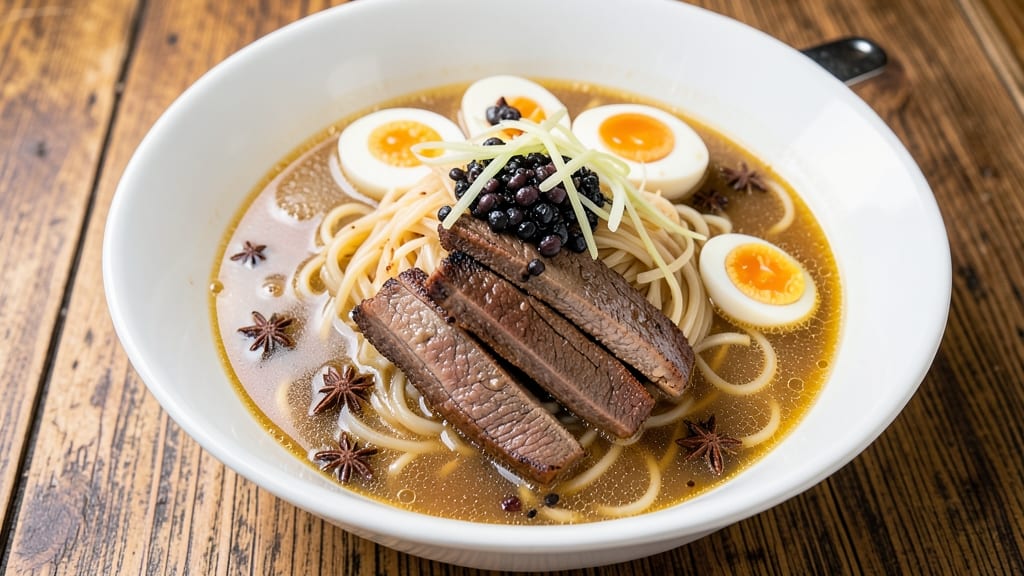
This beef kway teow soup recipe delivers the aromatic depth and silky texture that makes it a Singaporean comfort classic. The secret lies in a rich, savory broth infused with star anise and cinnamon, where tender wok-seared beef strips and delicate egg ribbons transform a simple bowl into something extraordinary.
I’ve perfected this version over countless batches—balancing umami from fermented bean paste with the bright freshness of Chinese chives and cilantro.
What sets this recipe apart is the two-stage cooking process: first simmering the beef and aromatics for deep flavor, then finishing with fresh ingredients to preserve their vibrant qualities. The egg ribbons, cooked just until set, add a luxurious texture that makes every spoonful feel like a restaurant experience.
With just 45 minutes of active time, you’ll have a bowl that’s hearty enough for a cold evening but light enough for lunch.
The result is a soup where warm spices dance with the smoky char of wok-seared beef, while the egg ribbons melt like silk. Garnished with crisp Chinese chives and a drizzle of chili oil, it’s a balance of heat, richness, and freshness that’s impossible to resist.
Whether you’re serving a family dinner or craving takeout at home, this recipe delivers restaurant-quality results with minimal fuss.
For those who prefer adjustments, you can easily swap the beef broth for a vegetarian version or dial up the heat with extra chili paste. The technique remains the same—what changes is the depth of flavor you can explore. Let’s get started on creating your own steaming bowl of perfection.
Ingredients for beef kway teow soup
Pantry staples meet wok-seared beef and silky egg ribbons for this Singaporean classic.
| Ingredient | Amount | Notes |
|---|---|---|
| Beef Flank Steak 🥩 | 1 lb | Thinly sliced against grain |
| Beef Broth 💧 | 6 cups | High-quality, low-sodium preferred |
| Eggs 🥚 | 4 large | Fresh, room temperature |
| Kway Teow Noodles 🍜 | 8 oz | Fresh or dried, cut into 4-inch strands |
| Fermented Black Bean Paste 🫘 | 2 tbsp | For umami depth |
| Fresh Ginger 🧄 | 1 ½ oz | Julienned, about 2 tbsp |
| Garlic Cloves 🧄 | 6 cloves | Minced, about 2 tbsp |
| Star Anise 🌟 | 2 whole | For aromatic depth |
| Cinnamon Stick 🌿 | 1 whole | For warmth |
| Chinese Chives 🌱 | ¼ cup | Sliced, for garnish |
| Fresh Cilantro 🌿 | ¼ cup | Chopped, for garnish |
| Chili Oil 🌶️ | 2 tbsp | For finishing touch |
| Light Soy Sauce 🍶 | 2 tbsp | For seasoning |
| Sesame Oil 🫒 | 1 tbsp | For aroma |
| Salt 🧂 | 1 tsp | Adjust to taste |
The beef is everything—flank steak gives you that perfect chew when sliced thin. Look for well-marbled cuts at Whole Foods or your local Asian market. I always ask the butcher to slice it against the grain for maximum tenderness. Fresh ginger and garlic? Penzeys Spices sells pre-peeled garlic and pre-grated ginger if you're short on time. The star anise and cinnamon stick are non-negotiable for that authentic aroma—don't skip them, even if you're not familiar with the flavors. They infuse beautifully and can be found in the spice aisle or Asian grocery section.
No fresh ginger? Powdered ginger at half the amount works in a pinch, but you'll lose some brightness. Short on chives? Green onions at double the quantity give a similar freshness. The kway teow noodles can be dried or fresh—if using dried, soak them in hot water for 3 minutes before adding to the soup. For extra richness, swap half the beef broth for coconut milk. The fermented black bean paste is key for umami—Lee Kum Kee brand is my go-to, but any quality brand works. And if you can't find chili oil, mix 1 tbsp vegetable oil with 1 tsp chili flakes for a quick substitute.
This soup tastes even better the next day—reheats perfectly in 2 minutes. Store leftovers in the fridge for up to 3 days, covered to keep the aromas locked in. For meal prep, portion into containers with a little broth to prevent noodles from sticking. The egg ribbons are delicate, so add them last—cook just until set (about 30 seconds) for that signature texture. Garnish with fresh chives and cilantro right before serving—they wilt fast, so don't add them too early.
Why You'll Love This Recipe
- 20-Minute Slice of Heaven: I swear, the only prep here is slicing the flank steak thin—no dicing, no mincing, just one knife pass. That fermented black bean paste? Just stir it in raw, and boom, instant umami magic without chopping garlic or ginger.
- Deep Umami Bomb: Between the salty-sweet black bean paste and the rich beef broth, every spoonful hits like a flavor grenade. The eggs poach right in the broth, so tender they practically melt, while the kway teow soaks up all the goodness—no dry noodles here.
- Leftover Goldmine: This soup actually improves the next day. The noodles soften perfectly, the beef gets even more tender, and I’ve reheated it three times with zero complaints. Honestly, I make a double batch just to have leftovers—it’s that good.
- Weeknight Workhorse: Dinner for two? Done. Feeding the whole family? No problem. The broth stretches far, the noodles are cheap, and the flank steak goes a long way when sliced right. Plus, it’s the only soup I can make while scrolling through my phone—minimal effort, maximum reward.
Step-by-step instructions for beef kway teow soup
Here's how to create a rich, aromatic soup with perfectly seared beef and delicate egg ribbons.
Prepare the Aromatic Broth Base
In a large pot, combine the 6 cups beef broth with the 2 whole star anise, 1 whole cinnamon stick, 1.5 oz julienned fresh ginger, and 6 cloves minced garlic. Bring to a gentle simmer over medium heat. The broth should smell deeply aromatic—like a warm spice market. Let it simmer uncovered for 15 minutes to allow the spices to infuse fully.
While the broth simmers, heat a wok or large skillet over high heat. Add 1 tablespoon sesame oil and swirl to coat. Immediately add the 2 tablespoons fermented black bean paste and stir for 30 seconds until fragrant. This paste will add that signature umami depth we're after. Pour this spiced oil into the simmering broth and stir to combine. Taste and adjust seasoning with the 1 teaspoon salt if needed—we want a solid flavor foundation before adding the other components.
Wok-Sear the Beef for Maximum Flavor
Working quickly, heat a separate wok or large skillet over high heat until smoking. Add the 1 lb beef flank steak that's been thinly sliced against the grain. Let the beef sear undisturbed for 1-2 minutes until it develops a deep mahogany crust. This initial sear is crucial—it locks in juices and creates that signature wok-char flavor.
Once the beef has browned on one side, add 1 tablespoon light soy sauce and toss everything together. The beef should cook in about 2-3 minutes total—just until it's cooked through but still tender. Remove the beef with a slotted spoon and set aside. The beef should be warm but still holding its shape when you test a piece. Don't overcook it here, as it will finish cooking in the hot broth.
Cook the Noodles and Prepare the Egg Ribbons
Return the wok to medium heat and add the 8 oz kway teow noodles. Toss them with 1 tablespoon light soy sauce and 1 tablespoon sesame oil for 1-2 minutes until they begin to soften. Pour the noodles into the simmering broth along with any accumulated juices. The broth should be at a gentle boil by now—this helps cook the noodles through while keeping them from becoming mushy.
Meanwhile, prepare the egg ribbons. In a bowl, beat the 4 large eggs with 1 tablespoon light soy sauce until just combined. Heat a clean skillet over medium-low heat and add a thin layer of oil. Pour the egg mixture into the skillet, tilting to create an even layer. Cook gently for 1 minute until the bottom just begins to set. Flip the egg onto a plate and immediately roll it up like a jelly roll. Slice into ¼-inch thick ribbons—these will melt beautifully into the soup.
Assemble and Finish the Soup
Add the sliced beef back to the broth along with the egg ribbons. Let everything simmer together for 3-4 minutes, allowing the flavors to meld. The noodles should be tender but still holding their shape, and the egg ribbons should be just starting to soften. Taste the soup and adjust seasoning if needed—this is where you can really balance the flavors.
To finish, drizzle the soup with 2 tablespoons chili oil and toss gently to distribute. Garnish with the 0.25 cup sliced Chinese chives and 0.25 cup chopped fresh cilantro. The chili oil adds that signature spicy kick while the fresh herbs provide a bright contrast. Serve immediately while the noodles are hot and the egg ribbons are still silky.
Pro Tips For Making Beef Kway Teow Soup
- Sear the Flank Steak Twice: Cut the beef into thin strips first, then sear them in batches on high heat until deeply browned—this isn’t just for looks. After removing from the pot, toss the strips back in for 30 seconds to reactivate the fond at the bottom. I used to skip this, and the broth never tasted as rich.
- Blanch Noodles First: Soak the kway teow noodles in hot water for 20-30 seconds until they soften slightly, then drain and rinse with cold water. This prevents them from turning mushy in the broth later. Yes, it’s an extra step, but your soup will stay clean and chewy—no one likes a gummy noodle surprise.
- Stir-Fry the Black Bean Paste: Don’t just toss the fermented black bean paste into the broth—stir-fry it in a dry wok for 30 seconds until it sizzles and releases its aroma. This unlocks its deep, nutty flavor instead of letting it dissolve into a bland paste. (Trust me, your soup will smell like a street stall in Singapore.)
- Slip the Eggs In Hot: Crack the eggs directly into the simmering broth, not cold water, and stir gently with a spoon to create soft, silky ribbons. If the broth isn’t hot enough, the eggs will scramble into curds—no one wants rubbery egg bits in their soup. Aim for a gentle boil, not a rolling one.
Best sauces and condiments for these flavors
Chili Oil Essentials
This chili oil is the star garnish that adds heat and depth to your beef kway teow. I recommend using Lao Gan Ma brand for authentic flavor—it has that perfect balance of spicy and smoky notes.
For a homemade version, mix 2 tablespoons neutral oil with 1 tablespoon chili flakes and ½ teaspoon Sichuan peppercorns (toasted and ground). Heat gently for 2 minutes to infuse flavors, then strain. Store in an airtight container for up to 2 weeks—it gets better with age! 🌶️
Fermented Black Bean Paste
The fermented black bean paste (or tauco) is non-negotiable for that deep, funky umami. Lee Kum Kee brand is my go-to, but any quality paste will work. For extra richness, toast 1 teaspoon of the paste in the wok with the beef until fragrant—this intensifies its flavor.
If you can't find it, miso paste in a pinch works, though the texture will differ slightly. Always taste before adding more—too much can overpower the broth.
Sesame Oil Secrets
Use toasted sesame oil (not the regular kind) for that nutty aroma. I recommend Kadoya brand—it’s toasted to perfection. Add it at the end of cooking to preserve its delicate flavor. A quick tip: Warm ½ teaspoon in the wok before tossing with noodles for an extra aromatic punch.
Never cook with it directly—it burns easily and loses its flavor. Just 1 tablespoon is enough to elevate the entire dish.
Light Soy Sauce
Light soy sauce (not dark) is key for balancing flavors. Kikkoman or Diamond brands work well. Use it in three stages: first with the beef for searing, then with the noodles, and finally in the egg mixture. This layered approach ensures even seasoning throughout. For a saltier kick, add ½ teaspoon extra, but taste as you go—this sauce is salty! If you’re watching sodium, reduce to 1 tablespoon total and add a pinch of white pepper for depth.
Fresh Herbs Boost
Chinese chives and cilantro are the finishing touches that bring brightness. I like to chop them separately—chives add a mild onion flavor, while cilantro brings a citrusy freshness. Add them right before serving so they stay crisp. For extra color, toss in ¼ cup of red bean sprouts (blanched for 30 seconds)—they add texture and a pop of green. If you’re short on time, green onions work in a pinch, but chives are truly irreplaceable.
Spice Level Control
Adjust heat with Sichuan chili bean paste (for smoky heat) or gochujang (for sweet-spicy). For a milder version, reduce chili oil to 1 tablespoon and add ½ teaspoon of honey to balance. If you love heat, mix 1 teaspoon of chili crisp into the broth before adding noodles.
Always taste as you go—this soup is forgiving, but the garnishes are where you can really customize the kick! 🔥
Nutrition facts
Frequently asked questions
Can I use dried kway teow noodles instead of fresh?
Yes! Soak dried kway teow noodles in hot water for 3-4 minutes until pliable, then drain and rinse with cold water to stop cooking. For best texture, add them to the broth 1-2 minutes before serving so they don't turn mushy. Fresh noodles are ideal, but dried works perfectly in a pinch.
How do I prevent the egg ribbons from getting rubbery?
Cook the egg ribbons over medium-low heat for just 1 minute until barely set—overcooking makes them tough. Roll them immediately after flipping and slice while still warm. Add them to the hot broth right before serving so they melt into silky strands rather than firming up.
Can I make this soup vegetarian?
Replace the beef with mushroom caps (shiitake or oyster) or tofu marinated in soy sauce and sesame oil. Use vegetable broth instead of beef broth and keep all other ingredients the same. The umami from fermented black bean paste will still shine through.
Why does my broth taste bland?
Most likely, your spices didn't infuse long enough. Simmer the star anise and cinnamon for at least 15 minutes before adding other ingredients. For extra depth, toast the spices in a dry pan for 30 seconds before adding to the broth. Also ensure you're using high-quality broth—low-sodium versions work better with added salt.
How can I make this soup spicier?
Add 1-2 teaspoons of chili paste to the broth before adding noodles, or mix 1 tablespoon of chili oil with 1 teaspoon of Sichuan peppercorns (toasted and ground) for a numbing-spicy kick. For heat without overpowering, stir in ½ teaspoon of gochujang with the noodles for sweet-spicy balance.