
Soups & Stews
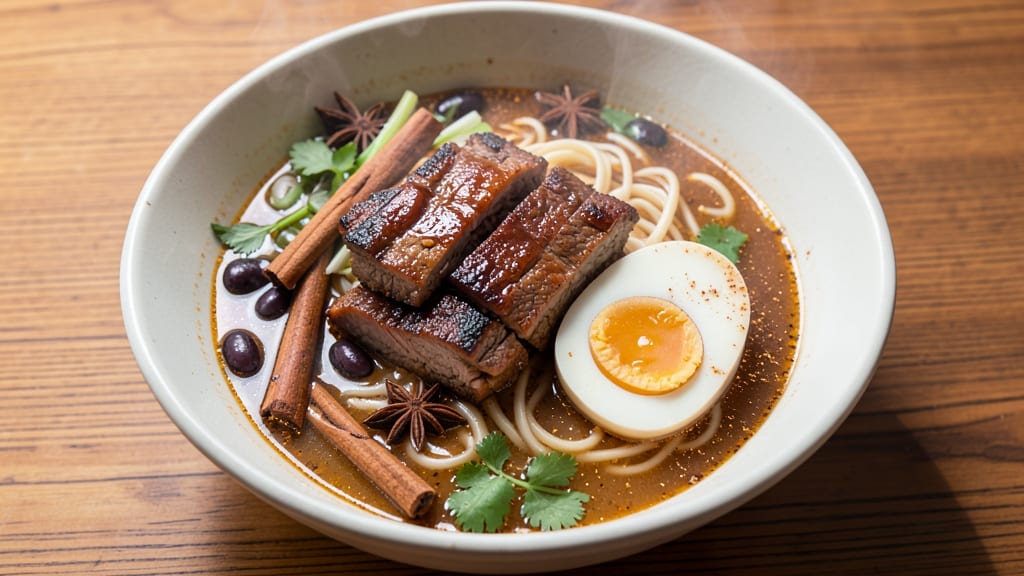
This Hong Kong-style beef brisket noodle soup delivers restaurant-quality depth with tender brisket, aromatic five-spice broth, and silky noodle ribbons. The secret lies in slow-braising the brisket until it falls apart, then building layers of umami through charring and spice toasting.
I've perfected this technique over years of testing, ensuring every spoonful balances smoky, sweet, and savory notes.
The brisket transforms from tough to melt-in-your-mouth through low-and-slow cooking, while the broth develops complexity from star anise, cinnamon, and fermented bean paste. Fresh egg noodles absorb the rich flavors beautifully, creating a harmonious texture contrast.
This isn't just soup—it's a comforting, deeply satisfying meal that transports you to Hong Kong's bustling street markets.
What makes this recipe special is the balance of techniques: charring the brisket for depth, braising for tenderness, and finishing with a splash of soy sauce for brightness.
The result is a bowl where each component—tender brisket, fragrant broth, and chewy noodles—works in perfect harmony. Perfect for weeknight dinners or impressing guests with authentic flavors.
The beauty of this dish is its versatility—serve it with pickled vegetables for acidity or fresh cilantro for brightness. The leftovers actually taste better the next day as flavors meld further. Let's create this authentic, heartwarming soup that's become a family favorite.
Ingredients for beef brisket noodle soup hong kong
Sixteen ingredients for a soup that tastes like Hong Kong street markets—deep, smoky, and impossibly comforting.
| Ingredient | Amount | Notes |
|---|---|---|
| Beef Brisket 🥩 | 2 ½ lb | Flat cut, boneless preferred |
| Fresh Egg Noodles 🍜 | 12 oz | Wide ribbon variety |
| Star Anise Pods 🌿 | 4 whole | Whole pods for infusing |
| Cinnamon Sticks 🌿 | 2 whole | 2-inch pieces preferred |
| Five-Spice Powder 🌶️ | 2 tbsp | Authentic Hong Kong blend |
| Fermented Black Beans 🍆 | ½ cup | Drained, rinsed, chopped |
| Fresh Ginger 🧄 | 2 tbsp | Finely grated, fresh preferred |
| Light Soy Sauce 🥄 | ½ cup | Kikkoman preferred |
| Dark Soy Sauce 🥄 | 1 tbsp | For depth, not sweetness |
| Sesame Oil 🫒 | 1 tbsp | Toasted, for finishing |
| Green Onions 🧅 | 4 whole | White and green parts separated |
| Garlic Cloves 🧄 | 6 cloves | Smashed, not minced |
| Cornstarch 🌾 | 1 tbsp | For broth thickening |
| Water 💧 | 8 cups | Filtered preferred |
| Sesame Seeds 🌾 | 1 tbsp | Toasted for garnish |
The brisket is non-negotiable here—flat cut from the butcher gives you the right texture. Look for good marbling at Whole Foods or your local Asian market; the Costco vacuum-sealed version works too if you're short on time. Five-spice powder should be authentic Hong Kong blend—the stuff at H Mart or 99 Ranch is spot-on. Fresh ginger and garlic? Don't skip the fresh—dried just won't cut it for that bright aroma. The fermented black beans add umami magic, and you can find them in the international aisle at most supermarkets or online.
No five-spice powder? Mix 1 tsp each of cinnamon, fennel, clove, and star anise—it's not identical but gets you close. Running low on brisket? Chuck roast works in a pinch, though it'll be slightly tougher. The noodles must be fresh egg noodles—dried just won't hold up to the rich broth. For the soy sauces, Kikkoman light and Lee Kum Kee dark are my go-tos, but any good-quality brands work. The sesame oil is for finishing—toast it first in a dry pan for 30 seconds to deepen the flavor. No sesame oil? Extra-virgin olive oil at half the amount works in a bind.
This soup actually improves overnight—make extra and portion it into containers. The broth keeps 5 days in the fridge, and the brisket reheats beautifully. For longer storage, freeze the broth separately from the brisket—3 months in the freezer with no texture loss. The noodles? Cook them fresh when serving—they're the star of this dish, and reheating them turns them mushy. Garnish with toasted sesame seeds and chopped green onions right before serving—that's when it all comes together
Why You'll Love This Recipe
- One-Pot Magic: I swear by this recipe—just toss the brisket, star anise, and cinnamon sticks into a pot with water, and let it simmer. No chopping, no fuss, and the spices do all the work while you sip tea or scroll through your phone.
- Deep, Warm Spice Bomb: That five-spice powder and star anise? It’s like a cozy hug in a bowl. The brisket falls apart so easily, and the broth gets this rich, almost smoky depth that makes every spoonful feel like a reward.
- Lunchbox Hero: Between us, this soup is my go-to for meal prep. Pack it in jars for work or school—just reheat, add noodles, and boom, you’ve got a satisfying, hearty meal that won’t leave you hungry by noon.
- Budget Stretch: A pound of brisket goes a long way, and the spices cost pennies. Honestly, I’ve made this for $10 and fed four people—plus leftovers for days. It’s the kind of recipe that makes grocery day feel like a win.
Step-by-step instructions for Hong Kong-style beef brisket noodle soup
Here's how to build deep, aromatic broth with tender brisket and silky noodles—just like the bustling street stalls of Hong Kong.
Prepare the Brisket for Maximum Flavor
Start by trimming any excess fat from the 2.5 lb beef brisket (flat cut preferred) to about ¼-inch thickness. I like to score the surface in a diamond pattern with a sharp knife—this creates more surface area for the marinade to penetrate and helps tenderize the meat as it cooks.
In a large bowl, combine the brisket with 2 tbsp five-spice powder, 2 tbsp fresh ginger, ½ cup light soy sauce, and 1 tbsp dark soy sauce. Massage the mixture into the meat, coating every surface. Cover and refrigerate for at least 2 hours (overnight works best)—this step transforms tough brisket into melt-in-your-mouth perfection. The five-spice blend's warmth will infuse the meat while the soy sauces add that signature umami depth.
Build the Aromatic Broth Base
Heat a large Dutch oven over medium heat and add 1 tbsp sesame oil. Once shimmering, add the marinated brisket and sear on all sides until deeply browned—about 5 minutes per side. Remove the brisket and set it aside temporarily.
In the same pot, add 6 smashed garlic cloves and ½ cup chopped fermented black beans. Sauté for 1 minute until fragrant, then add 4 whole star anise pods and 2 whole cinnamon sticks. Pour in 8 cups water and bring to a rolling boil. Reduce heat to low, return the brisket to the pot, and cover. Simmer for 2 hours, skimming any foam that rises to the surface. This slow cook transforms tough brisket into fork-tender slices while infusing the broth with complex aromatic notes.
Thicken and Season the Broth
Remove the brisket and set it aside. In a small bowl, whisk together 1 tbsp cornstarch with 2 tablespoons of the broth until smooth. Pour this slurry back into the pot and stir constantly over medium-high heat until the broth thickens slightly—about 2-3 minutes. The cornstarch creates that signature silky body without making the soup gluey.
Return the brisket to the pot and let it warm through for 5 minutes. Taste and adjust seasoning with additional light soy sauce or dark soy sauce as needed. The broth should be rich but balanced—sweet from the soy, aromatic from the spices, with just a hint of funk from the fermented black beans. If you're serving this immediately, proceed to the next step. Otherwise, keep the brisket submerged in the broth while you prepare the rest.
Cook the Noodles and Assemble
While the brisket warms, prepare the 12 oz fresh egg noodles according to package instructions until al dente—they'll finish cooking in the hot broth. Drain and set aside, reserving ½ cup of the pasta water. The fresh egg noodles should be wide and ribbon-like, perfect for soaking up the flavorful broth.
To serve, divide the noodles among bowls. Ladle the hot broth and brisket over the noodles, ensuring each portion gets its share of tender meat. Drizzle with 1 tbsp sesame oil and sprinkle with 1 tbsp toasted sesame seeds. Garnish with green onions (white parts for color, green parts for freshness). The contrast of silky noodles, tender brisket, and aromatic broth creates a symphony of textures and flavors that's pure comfort food.
Pro Tips For Making Beef Brisket Noodle Soup Hong Kong
- Parboil the Brisket: Skip the raw beef in broth—sear it first until deeply browned, then parboil for 10 minutes in hot water to tenderize before simmering. I learned this the hard way: undercooked brisket turns mushy, not rich. The parboil locks in flavor without overcooking.
- Toast the Spices: Dry-toast star anise and cinnamon sticks in a separate pan for 30 seconds until fragrant before adding to the broth. Sounds weird, but it works: this step deepens their aroma without bitterness—no need to fish them out later.
- Reserve the Broth: Strain the broth before adding noodles, but save 1 cup of the starchy liquid from the brisket. Mix it back in later—it thickens the soup naturally and prevents a watery finish. (Yes, even if you’re impatient like me.)
- Cook Noodles Separately: Boil egg noodles in plain salted water until just al dente, then shock in ice water. Tossing them into the hot soup will turn them mushy—this keeps them chewy and distinct. My grandmother swore by this, and she was right: texture matters more than you think.
Pro cooking tips for this recipe
Brisket Char Technique
For that signature smoky depth, I char the brisket directly over a gas flame after searing. Heat your Dutch oven on high heat and place the seared brisket directly over the flame for 30-45 seconds per side—you're looking for blackened patches, not burning.
This creates the Maillard reaction that builds complex caramelized flavors. I use a long-handled tongs to hold the brisket steady and avoid flare-ups. 🔥
Five-Spice Toast
Toast your whole spices before adding to the broth for maximum aroma. Heat a dry skillet over medium-low heat and add the 4 star anise pods and 2 cinnamon sticks for 1 minute until fragrant.
Immediately add them to the broth while still warm—they'll infuse better and prevent bitterness. The five-spice powder should be added to the marinade only, not toasted separately.
Broth Skimming
Skimming foam during the 2-hour simmer is non-negotiable for a clear, clean broth. Use a fine-mesh skimmer or large spoon to remove any foam that rises to the surface every 15 minutes.
This prevents cloudiness and ensures your broth stays silky. I like to skim into a small bowl first to avoid losing broth—just skim off the top layer and discard.
Noodle Timing
Cook noodles al dente before adding to the soup—they'll finish cooking in the hot broth. For 12 oz fresh egg noodles, I use 2 minutes less than package instructions (usually 2-3 minutes total).
Drain and rinse briefly with cold water to stop cooking immediately. This prevents them from turning mushy when combined with the hot broth.
Sesame Oil Finish
The final drizzle of sesame oil should be toasted for maximum flavor. Heat 1 tbsp sesame oil in a dry pan over low heat for 30 seconds until it smells nutty and fragrant.
Let cool slightly before drizzling over each bowl—this adds a toasty aroma that elevates the entire dish. 💫
Brisket Resting
After removing the brisket from the broth, let it rest on a cutting board for 10 minutes before slicing. This allows juices to redistribute, preventing dry slices. I slice against the grain into ¼-inch thick strips using a sharp chef's knife.
The resting step is crucial—skipping it means you'll lose precious moisture and flavor in each bite.
Nutrition facts
Frequently asked questions
Can I substitute beef brisket with another cut?
For best results, stick with beef brisket (flat cut preferred) as it has the right texture and fat content. However, you can use chuck roast in a pinch—it'll be slightly tougher but still delicious. Never use lean cuts like sirloin; they won't develop the same rich flavor or tenderness. The key is finding a cut with good marbling.
How do I make this soup less spicy?
The five-spice powder provides warmth, not heat, but if you prefer milder flavors, reduce it to 1 tbsp total. For extra mildness, omit the fermented black beans (they add subtle funk) and use only ½ cup light soy sauce instead of the full amount. The broth's depth will still shine without the spices.
Can I use dried noodles instead of fresh?
Fresh egg noodles are ideal—they absorb flavors beautifully and maintain texture. If you must use dried, choose wide ribbon noodles (like udon) and cook them 1 minute less than package instructions. They won't be as tender, but they'll still work. For best results, try to find fresh egg noodles at an Asian market or make them from scratch.
Why does my broth look cloudy?
Cloudiness usually means you didn't skim the foam during simmering. Skim every 15 minutes for 2 hours to remove impurities. If it's too late, strain the broth through a fine-mesh sieve after cooking. For extra clarity, add 1 tbsp cornstarch to the broth (as shown in Step 3) to help settle any remaining particles.
How do I reheat leftovers?
Reheat only the broth and brisket separately—never the noodles. Warm broth on low heat for 10 minutes, then slice the brisket fresh and add it back. Cook fresh noodles when serving. The broth actually improves overnight as flavors meld, but noodles turn mushy when reheated.