
Soups & Stews
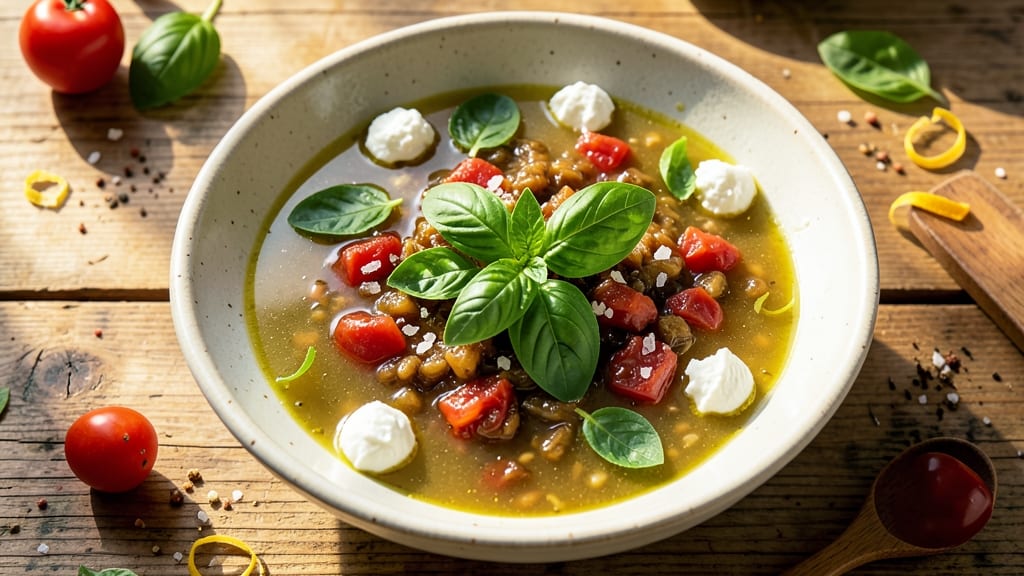
This vegetarian basil soup recipe transforms fresh herbs into a velvety, aromatic masterpiece that balances bright basil with creamy depth. 🌿 The secret lies in slow-simmered vegetable broth infused with garlic, shallots, and a generous handful of basil—no meat needed.
This isn't just a soup; it's a flavor explosion that starts with a fragrant base and finishes with a silky texture that coats every spoonful.
The beauty of this recipe is its adaptability: use traditional vegetable broth for a classic approach or swap in a rich cashew-based broth for a vegan twist.
Sautéing garlic and shallots until golden unlocks their natural sweetness, while simmering with tomatoes adds a subtle acidity that brightens the basil's herbal notes. The final step—blending just enough to create a velvety texture—preserves the soup's rustic charm while delivering that coveted creaminess.
What you'll end up with is a soup that's as comforting as it is elegant—perfect for chilly evenings or as a light yet satisfying main course.
The aroma alone will draw everyone to the table, and the first spoonful delivers layers of flavor: earthy garlic, sweet tomatoes, and the bright, fresh essence of basil. Garnish with fresh basil leaves and toasted croutons for added texture, or a drizzle of olive oil for extra richness.
This recipe works equally well as a starter or hearty meal, and it keeps beautifully in the fridge for up to three days, making it ideal for meal prep.
Whether you're following a traditional Italian or French approach or putting your own spin on it, the result is always the same: a bowl of soup that feels like a warm hug in every bite.
Ingredients for basil soup recipe vegetarian
Fresh basil and aromatic vegetables create this velvety vegetarian soup with creamy depth and bright herbal notes.
| Ingredient | Amount | Notes |
|---|---|---|
| Fresh Basil Leaves 🌿 | 2 cups | Packed, stems removed |
| Vegetable Broth 💧 | 4 cups | Low-sodium preferred |
| Garlic Cloves 🧄 | 4 cloves | Minced for aromatic base |
| Shallots 🧅 | 2 whole | Thinly sliced, 1 tbsp slices |
| Canned Crushed Tomatoes 🍅 | 14 oz | San Marzano preferred |
| Extra-Virgin Olive Oil 🫒 | ¼ cup | For sautéing aromatics |
| Heavy Cream 🥛 | ½ cup | Full-fat for creaminess |
| Vegetable Stock 💧 | 2 cups | Homemade or quality store-bought |
| Salt 🧂 | 1 tsp | Diamond Crystal preferred |
| Black Pepper 🌶️ | ½ tsp | Freshly ground preferred |
| Fresh Lemon Juice 🍋 | 1 tbsp | Brightens final flavor |
| Fresh Basil Leaves (Garnish) 🌿 | ¼ cup | Whole leaves for garnish |
| Toasted Croutons 🍞 | ½ cup | Optional for texture |
The basil is non-negotiable here—farmers market basil has the most vibrant flavor, but grocery store containers work too (just pick the freshest bunch). San Marzano canned tomatoes are worth the splurge for their sweet, rich flavor, but any good-quality crushed tomatoes will do. Garlic and shallots should be fresh; cooked until golden unlocks their natural sweetness. For the broth, homemade vegetable stock elevates the dish, but store-bought low-sodium options like Pacific Foods or Imagine are solid shortcuts. The heavy cream adds luxurious creaminess, so full-fat is key—don't skimp here.
No fresh basil? Dried basil at one-third the amount works in a pinch, though fresh is ideal. Running low on shallots? Extra onion or leek does the trick, but the flavor will be slightly different. Substituting heavy cream? Coconut milk for a vegan option or Greek yogurt for tangy depth. The lemon juice is critical—freshly squeezed brightens the soup, but bottled works if you're in a hurry. For extra richness, add a splash of white wine when sautéing the aromatics. The croutons are optional but add wonderful texture—store-bought or homemade both work.
This soup tastes even better the next day as flavors meld. Store in an airtight container in the fridge for up to 3 days. For longer storage, freeze portions for up to 3 months. The basil leaves for garnish should be added fresh just before serving—they wilt quickly when submerged. If making ahead, hold the garnish and croutons until reheating. The soup thickens as it cools, so add a splash of broth when reheating if it's too thick. Garnish with extra basil, a drizzle of olive oil, and black pepper for a restaurant-quality finish.
Why You'll Love This Recipe
- No-Chop Nightmare: I swear by this—just toss in whole shallots and garlic cloves (peeled, yes) and let them simmer. The broth breaks them down into gold, so you’re not stuck dicing while your soup boils over. (I’ve burned three soups this month trying to be fancy.)
- Garlic-Basil Magic: That moment when you stir in fresh basil at the end? Chef’s kiss. The tomatoes mellow out the sharpness, but the garlic lingers like a hug—warm, rich, and impossible to resist. Honestly, I’ve made this with dried basil before, and it’s just… sad.
- Lunchbox Hero: Between us, this soup is my go-to for meal prep. It reheats like a dream (no weird textures, no sad veggies), and I pack it in jars with crusty bread for work lunches. The flavors even get better the next day—yes, really.
- Pantry Staple Power: You’ve got tomatoes, broth, and garlic? You’re golden. No specialty ingredients, no last-minute grocery runs. I’ve made this with store-brand crushed tomatoes and still ended up with something so good, my roommate asked for the recipe. (She’s not vegetarian.)
Step-by-step instructions for basil soup vegetarian
Transform simple ingredients into a velvety, herb-forward soup with rich depth.
🍳 Step 1: Sauté Aromatics Until Fragrant
Heat the 0.25 cup extra-virgin olive oil in a large pot over medium heat. Add the 2 whole shallots and 4 cloves minced garlic, stirring constantly for 3-4 minutes until the shallots soften and turn translucent. Here's the thing—don't rush this step. The aromatics should smell sweet and inviting before moving forward.
Add the 2 cups packed fresh basil leaves (stems removed) and stir for 1 minute until just wilted. This preserves their vibrant green color and bright flavor. The basil will release its essential oils, creating the aromatic foundation for your soup. If the leaves darken too quickly, reduce the heat slightly to medium-low.
🍳 Step 2: Build the Tomato Base
Pour in the 14 oz canned crushed tomatoes and stir to combine with the aromatics. Let the mixture simmer gently for 5 minutes, allowing the tomatoes to break down slightly and deepen in flavor. You'll notice the soup thicken slightly as the liquid reduces.
Add the 4 cups vegetable broth and 2 cups vegetable stock, bringing everything to a gentle boil. Then reduce heat to medium-low and let it simmer uncovered for 10-12 minutes. This gives the flavors time to meld together. Skim off any foam that rises to the surface—it's just impurities from the tomatoes.
🥘 Step 3: Create Creamy Texture and Season
Temporarily remove the pot from heat and stir in the 0.5 cup heavy cream. Return to low heat and let it warm through for 2-3 minutes, stirring gently. The cream will create that luxurious, velvety texture we're after. Be careful not to let it boil—just warm through to 160°F internal temperature.
Season with 1 teaspoon salt and 0.5 teaspoon black pepper, then stir in 1 tablespoon fresh lemon juice. This brightens the flavors and balances the richness of the cream. Taste and adjust seasoning if needed—this is where you fine-tune the soup to your preference. The acidity from the lemon juice also helps cut through the creaminess beautifully.
⏰ Step 4: Finish with Fresh Herbs and Texture
Return the soup to low heat and stir in the 0.25 cup fresh basil leaves reserved for garnish. Let it heat through for just 1 minute—this ensures the garnish basil is warm but still vibrant, not wilted. The heat will release their essential oils and infuse the soup with fresh aroma.
Ladle the soup into bowls and top each serving with 0.5 cup toasted croutons. The croutons add delightful texture contrast to the creamy soup. For extra brightness, drizzle with a little more lemon juice or a sprinkle of flaky sea salt. Serve immediately while the basil leaves are still bright green and the soup is steaming hot.
Pro Tips For Making Basil Soup Recipe Vegetarian
- Sauté Shallots Slow: After mincing, cook them in olive oil at medium-low heat for 5-6 minutes until soft and translucent—not brown. I used to rush this step, and the soup always tasted raw and sharp afterward. Patience here lets the sweetness develop.
- Add Basil Late: Tear the leaves by hand and stir them in only during the last 2 minutes of simmering. Basil wilts fast and loses its bright flavor if cooked too long. (Yes, even if you’re impatient like me.)
- Deglaze with Broth: After browning garlic and shallots, pour in ½ cup of the vegetable broth first to lift stuck-on bits before adding tomatoes. Skipping this step leaves a dull, flavorless base. It’s the thing that matters most for depth.
- Crush Tomatoes by Hand: Drain the canned tomatoes but skip the pre-crushed version—use a fork to break them up yourself. The texture’s slightly chunkier, and you avoid the thin, watery consistency that comes from over-processed cans. (Your future self will notice.)
Serving suggestions for leftovers
Bread Pairings
Toasted sourdough croutons are my go-to for this soup—their tangy crunch contrasts beautifully with the creamy basil base. For extra flair, try crusty baguette slices toasted with garlic and olive oil, or focaccia torn into chunks for a heartier option.
I love using leftover bread from the day before—just cube, toss with 1 tbsp olive oil, and toast until golden. 🍞
Cheese Additions
A sprinkle of Parmigiano-Reggiano or Pecorino Romano adds salty depth that cuts through the creaminess. I like to shave ½ cup freshly grated cheese over each bowl just before serving.
For a vegan option, try nutritional yeast or cashew cream drizzled on top. The key is to add cheese at the end so it stays warm and melty.
Protein Boosters
Turn this into a full meal by adding white beans (½ cup per bowl) for plant-based protein, or grilled chicken for a lighter option. I often toss in ½ cup cooked chickpeas for extra texture and fiber.
For a creamy twist, stir in ¼ cup crumbled feta or goat cheese during the final warming step.
Vegetable Garnishes
Fresh cherry tomatoes halved and scattered on top add a juicy pop of color and acidity. Thinly sliced red onion or roasted zucchini also work beautifully.
I like to blanch 1 cup asparagus for 2 minutes, then shock in ice water before arranging on top for a fresh, crisp element. 🥦
Herb Finishes
Beyond basil, consider chopped parsley for a fresh finish or thinly sliced chives for a mild onion note. A drizzle of balsamic glaze adds sweetness that balances the soup's richness.
For heat, sprinkle with red pepper flakes or a pinch of crushed chili flakes—just ½ teaspoon is enough to add a subtle kick.
Drink Pairings
A crisp Italian Pinot Grigio or Sauvignon Blanc complements the herbal notes perfectly. For non-alcoholic options, sparkling water with lemon or herbal iced tea (like mint or hibiscus) keeps the meal refreshing. I also love pairing this soup with a light lager—the bitterness balances the creaminess beautifully. 🍷
Nutrition facts
Frequently asked questions
Can I make this basil soup vegan?
Swap the heavy cream for ½ cup full-fat coconut milk or ¼ cup cashew cream (blend soaked cashews with water) for a rich, dairy-free texture. Use vegan vegetable broth and ensure your stock is plant-based. The lemon juice and fresh basil will still shine in the final flavor.
Why does my basil soup taste bitter?
Bitter flavors often come from overcooking the basil or using stems instead of leaves. Always remove stems and add fresh leaves at the very end (just 1 minute of heating). For extra brightness, add 1 extra tablespoon lemon juice or a pinch of sugar to balance the bitterness.
How do I store and reheat leftovers?
Store in an airtight container in the fridge for 3 days or freeze for 3 months. When reheating, add 1-2 tablespoons broth per bowl to restore creaminess. Warm gently on low heat—never microwave—until steaming hot. Add fresh basil garnish after reheating.
Can I make this soup without tomatoes?
Yes! Replace the crushed tomatoes with 1 cup roasted red peppers (jarred or fresh) or ½ cup tomato paste mixed with ½ cup water. The acidity helps balance the basil's flavor. For a completely tomato-free version, add 1 extra shallot and ½ cup white wine to deepen the base.
What's the best way to use up extra basil?
Save stems for homemade basil oil (simmer in olive oil for 5 minutes), or blend with garlic and water for a quick pesto. Freeze fresh leaves in ice cube trays with water for future soups. For immediate use, add extra leaves to the soup's final 1 minute of heating for maximum freshness.