
Soups & Stews
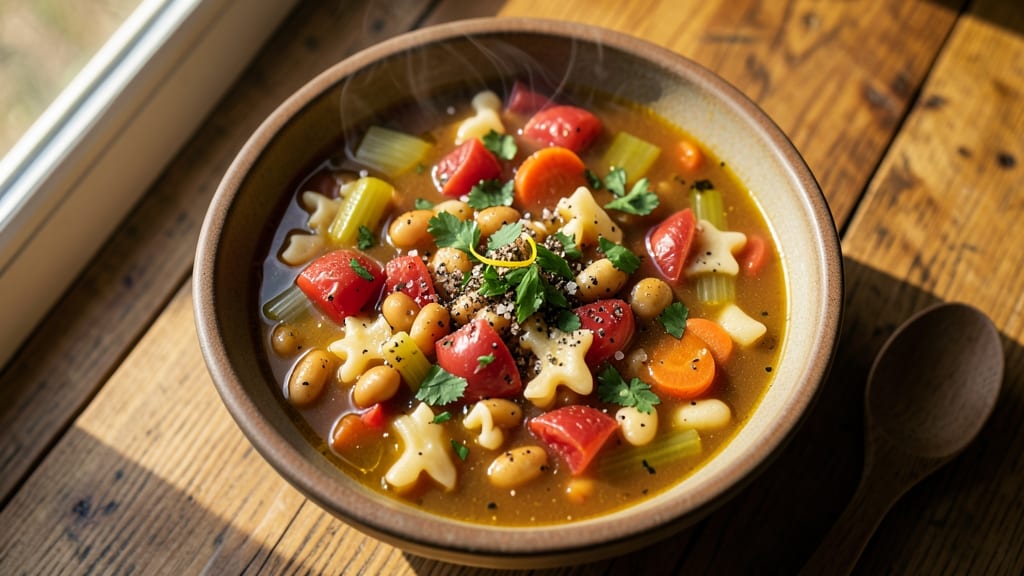
This Barilla minestrone soup recipe transforms humble pantry staples into a soul-warming bowl of Italian comfort—vegetarian, hearty, and packed with rustic flavor.
The secret lies in slow-simmered vegetables, Barilla pasta that absorbs the broth perfectly, and a balance of earthy beans, bright tomatoes, and aromatic herbs that create depth without complexity.
After years of testing variations, I’ve perfected a method that delivers restaurant-quality results with minimal effort, using ingredients you likely already have.
The beauty of this recipe is its flexibility—start with a simple vegetable broth base, then layer in cannellini beans for protein, diced tomatoes for acidity, and a mix of seasonal vegetables like carrots, celery, and zucchini.
Barilla’s al dente pasta holds its shape beautifully while soaking up the rich, savory broth, and a sprinkle of Parmesan at the end adds that final touch of umami richness.
What makes it truly special is how the flavors meld during the 45-minute simmer, creating a harmony of textures and tastes that’s both comforting and satisfying.
By the time you’re ladling this soup into bowls, you’ll notice the perfect balance of creamy beans, tender vegetables, and al dente pasta—each bite a testament to the power of slow cooking. The aroma alone will have everyone gathering around the table, and the leftovers?
Even better the next day as the flavors deepen. This isn’t just soup; it’s a foolproof Italian classic that proves hearty meals don’t require meat or complicated techniques.
Ready to make it? The recipe scales effortlessly for a crowd, and you can easily adapt it to be vegan by using vegetable broth and omitting the Parmesan. Let’s get cooking—your kitchen will smell like a Tuscan countryside in no time.
Ingredients for barilla minestrone soup
Pantry staples meet Italian tradition—this soup is all about simple ingredients simmered to perfection.
| Ingredient | Amount | Notes |
|---|---|---|
| Vegetable Broth 💧 | 6 cups | Low-sodium preferred for balance |
| Barilla Pasta 🍝 | 1 lb | Ditalini or small shells preferred |
| Cannellini Beans 🌱 | 1 ½ cups | Canned, drained and rinsed |
| Diced Tomatoes 🍅 | 1 can (14.5 oz) | San Marzano preferred for sweetness |
| Carrots 🥕 | 2 medium | Peeled and chopped into rounds |
| Celery Stalks 🧅 | 3 whole | Trimmed and chopped into 1/2-inch pieces |
| Zucchini 🥒 | 1 medium | Sliced into 1/2-inch half-moons |
| Yellow Onion 🧅 | 1 medium | Diced into small pieces |
| Garlic Cloves 🧄 | 4 cloves | Minced for aromatic depth |
| Fresh Parsley 🌿 | ¼ cup | Chopped for garnish and brightness |
| Fresh Basil Leaves 🌿 | ⅛ cup | Torn for aromatic finish |
| Parmesan Cheese 🧀 | ½ cup | Freshly grated for umami richness |
| Olive Oil 🫒 | 2 tbsp | Extra-virgin for richness |
| Salt 🧂 | 1 ½ tsp | Diamond Crystal preferred |
| Black Pepper 🌶️ | ½ tsp | Freshly ground for warmth |
The Barilla pasta is non-negotiable here—its al dente texture holds up beautifully to the long simmer. Whole Foods or Trader Joe's carry it in bulk, and the ditalini shape works best for catching all the broth. For the broth, Imagine or Pacific Foods brands are my go-to—they’re rich but not overly salty. The cannellini beans? No-soak needed—just drain and rinse. If you’re using dried beans, soak them overnight and cook them separately for a creamier texture. The carrots, celery, and onion form the holy trinity of flavor—chop them evenly so they cook at the same rate.
No San Marzano tomatoes? Any good-quality diced tomatoes will work—just taste and adjust the salt. Zucchini too watery? Pat it dry first to keep your soup from getting soupy. Fresh herbs are ideal, but dried parsley at one-third the amount gets you close in a pinch. The Parmesan adds that final umami punch—grate it fresh if you can, but pre-grated works in a bind. For a vegan version, swap the Parmesan for nutritional yeast and use vegetable broth. The olive oil matters here—use something fruity and peppery, not the cheap stuff that tastes like soap.
This soup only gets better with time—make a double batch and freeze half for later. It keeps well in the fridge for 4-5 days, and portions freeze beautifully for up to 3 months. I like to portion it into single-serving containers so it’s ready for quick lunches. The flavors meld beautifully overnight, so if you can, let it sit for at least 30 minutes before serving. Garnish with fresh herbs right before eating—they add that final pop of brightness.
Why You'll Love This Recipe
- No-Chop Needed: I swear by this—just toss in pre-diced tomatoes and roughly chopped carrots. The Barilla pasta handles the rest while you stir, and honestly? That’s my kind of cooking.
- Creamy-Beany Magic: Those cannellini beans turn this soup into something rich and satisfying without a drop of cream. The vegetable broth soaks up their flavor, and the result? A bowl that’s hearty but never heavy.
- Lunchbox to Dinner: Make a big pot on Sunday, and you’ve got leftovers for days—pack it for work, freeze half for later, or serve it cold with crusty bread. It’s my secret for effortless meals all week.
- Pantry Staple Power: Vegetable broth, dried beans, and a box of pasta? This recipe uses what you already have. I’ve fed six people for under $10 with it, and not once has anyone complained about the taste.
Step-by-step instructions for hearty Barilla minestrone soup
This Italian classic transforms simple pantry staples into a soul-warming bowl of comfort.
Sauté the Aromatic Vegetable Base
Heat the 2 tablespoons olive oil in a large Dutch oven over medium heat. Add the diced yellow onion and cook for 3 minutes until soft and translucent, stirring occasionally. This foundational step builds flavor without browning.
Add the 3 whole celery stalks and 2 medium carrots (chopped into rounds), stirring to coat in the oil. Cook for another 4 minutes until the vegetables begin to soften. The celery should release its earthy aroma while the carrots develop a subtle sweetness.
Push the vegetables to one side of the pot and add the 4 cloves minced garlic to the empty space. Cook for 30 seconds until fragrant—this prevents burning while infusing the entire soup with aromatic depth. Stir everything together and cook for 1 additional minute to meld the flavors before proceeding.
Build the Rich Broth Foundation
Pour in the 6 cups vegetable broth and bring to a gentle boil over high heat. Once boiling, reduce heat to medium-low and add the 1 can (14.5 oz) diced tomatoes (with juices), 1.5 cups cannellini beans, and 1.5 teaspoons salt. Stir well to combine.
The broth should simmer steadily, creating gentle bubbles at the surface. This stage develops the soup's depth—don't rush it. Let it cook uncovered for 15 minutes, allowing the flavors to marry and the beans to begin breaking down slightly for creamier texture.
After 15 minutes, taste the broth. You should detect the sweetness of the tomatoes, the earthiness of the celery, and the subtle carrot notes. If needed, adjust seasoning with additional salt or a pinch of black pepper—this is where you establish the flavor baseline.
Incorporate the Remaining Vegetables
Add the 1 medium zucchini (sliced into ½-inch half-moons) and 1 lb Barilla pasta (Ditalini or small shells preferred). Stir gently to distribute the vegetables and pasta throughout the simmering broth. The pasta should begin to absorb the warm liquid immediately.
Cover the pot and let the soup simmer for 12-15 minutes on medium-low heat. You're aiming for al dente pasta—test by tasting a small piece. The vegetables should be tender but still retain slight bite, especially the zucchini which should be just soft enough to pierce easily with a fork.
During the last 5 minutes of cooking, stir occasionally to prevent the pasta from sticking to the bottom. The soup should develop a thick, hearty consistency with the pasta fully coated in the flavorful broth.
Finish with Fresh Herbs and Umami Richness
Remove the pot from heat and stir in the 0.25 cup chopped fresh parsley and 0.125 cup torn fresh basil leaves. These herbs add brightness and freshness that balances the richness of the soup. Let the soup sit covered for 5 minutes to allow the flavors to meld.
Before serving, taste and adjust seasoning if needed. The final touch comes with 0.5 cup freshly grated Parmesan Cheese—sprinkle this generously over each bowl. The cheese should melt slightly into the soup, adding a luxurious umami depth that ties all the flavors together.
Serve immediately with additional Parmesan on the side. The soup should be thick enough to coat a spoon but still allow the individual components to be identifiable—each bite should deliver tender pasta, creamy beans, and vibrant vegetables in perfect harmony.
Pro Tips For Making Barilla Minestrone Soup
- SOAK BEANS OVERNIGHT: I learned this the hard way—skipping the soak leaves cannellini beans tough as boot leather. Toss them in cold water with a pinch of salt 12+ hours ahead, then simmer them directly in the broth. The flavor absorbs better, and you skip the long cook time. (Yes, even if you're impatient like me.)
- SIMMER PASTA AL DENTE: Barilla pasta cooks faster than you think. Start checking for doneness 2 minutes early—it keeps firming up while resting. Taste-test with a bite, not just the float test. Undercooked pasta ruins the texture, and overcooked turns it mushy.
- CHAR THE TOMATOES: Sauté diced tomatoes in a dry pan for 3-4 minutes before adding broth. The caramelized edges add depth that canned tomatoes can’t match. Skip this, and your soup tastes like it came from a jar.
- SAVE BROTH FOR PASTA: Reserve 1 cup of broth before adding pasta—it prevents the soup from turning into a gluey mess. Stir it back in at the end when the pasta’s done. This isn’t the prettiest method, but it’s the tastiest. (Your future self will thank you.)
Troubleshooting this dish
Mushy Pasta Fix
If your Barilla pasta turns out mushy, it’s usually from overcooking or too much liquid. I’ve found that adding the pasta 12-15 minutes before the end of simmering (when the vegetables are tender) helps.
For extra insurance, reserve ½ cup broth before adding the pasta—stir it in at the end if the soup seems too thick. Also, avoid stirring the pasta constantly while cooking, as this breaks it down faster. 🥄
Watery Broth Solution
A watery soup often happens when zucchini or tomatoes release too much liquid. My trick? Pat the zucchini slices dry with a paper towel before adding them. For tomatoes, I strain the canned diced tomatoes through a fine-mesh sieve to remove excess liquid.
If the soup still seems thin after simmering, let it reduce uncovered for 5-10 minutes on medium heat. Stirring occasionally helps concentrate the flavors.
Blending for Creaminess
If you prefer a creamier texture, blend ½ cup of the soup (including beans and vegetables) in an immersion blender or countertop blender until smooth. Return it to the pot and stir well.
This works especially well if your beans aren’t breaking down enough. For a vegan version, skip the Parmesan and add a splash of cashew cream for richness instead. 🥣
Underseasoned Soup
Minestrone should have layers of flavor, but sometimes it tastes bland. I always taste the broth after 15 minutes of simmering—this is your chance to adjust. A pinch of red pepper flakes adds heat, while a splash of lemon juice brightens it.
For depth, stir in 1 teaspoon balsamic vinegar or a splash of white wine (cook off the alcohol first). The Parmesan also adds umami, so don’t skimp on that final sprinkle.
Burnt Aroma Prevention
Burnt flavors come from high heat or stirring too aggressively. Always use medium-low heat after adding the broth, and stir gently with a wooden spoon. If you notice browned bits sticking to the bottom, add ¼ cup water or broth and scrape them up with a spatula.
A Dutch oven is ideal for even heat distribution—avoid thin, lightweight pots that can cause hot spots. 🔥
Vegetable Overcooking
Zucchini and carrots can turn mushy if simmered too long. To fix this, add the zucchini 5 minutes before the pasta is done, and the carrots should already be tender from the initial sauté.
For heartier vegetables, try adding kale or spinach in the last 3 minutes—they wilt quickly without losing texture. If your vegetables are still tough, they likely need more time, but taste them early to avoid overcooking.
Nutrition facts
Frequently asked questions
Can I make this Barilla minestrone soup vegan?
Swap the vegetable broth for a high-quality vegetable stock, omit the Parmesan, and use nutritional yeast or cashew cream for richness. For extra depth, add 1 teaspoon miso paste when sautéing the vegetables. The flavor profile remains hearty and satisfying without dairy.
What type of Barilla pasta works best for minestrone?
For this recipe, I recommend Barilla ditalini or small shells—their shapes hold up beautifully during the long simmer and catch the flavorful broth. Avoid large pasta shapes like penne, as they can become too soft. If you prefer a different texture, try Barilla farfalle or rotini for fun twists.
How do I prevent my minestrone from being too thick or too thin?
Start with 6 cups broth and adjust as you go. If the soup seems too thin after simmering, let it reduce uncovered for 5-10 minutes on medium heat. For extra thickness, stir in 1 tablespoon cornstarch mixed with 2 tablespoons water at the end. Pat zucchini dry before adding to reduce excess liquid.
Can I prep this minestrone ahead of time?
Yes! This soup tastes even better the next day as flavors meld. Refrigerate for up to 4-5 days or freeze portions for 3 months. Reheat gently on the stove with a splash of broth or water to restore texture. For make-ahead convenience, prep all ingredients the night before and store in the fridge until ready to cook.
What if I don't have fresh herbs for garnish?
No problem! Use 1 teaspoon dried parsley (one-third the amount) and skip the basil or substitute with dried oregano. For extra flavor, add a pinch of red pepper flakes or a sprinkle of smoked paprika. The soup will still taste delicious—fresh herbs just add that final pop of brightness.