
Soups & Stews
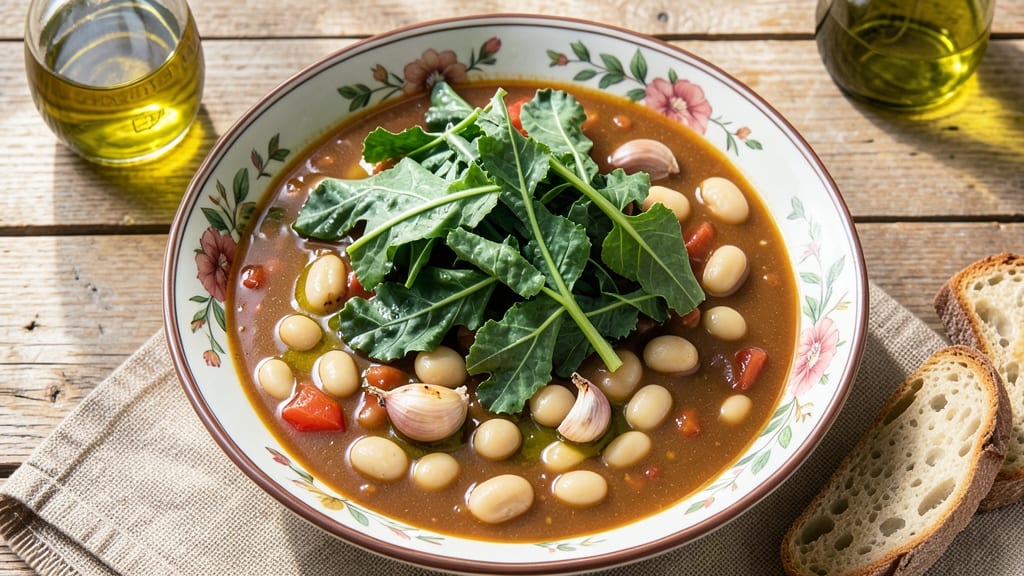
This authentic Tuscan bean soup recipe brings the rustic charm of Italy straight to your kitchen, where simple ingredients transform into a hearty, herb-infused masterpiece.
The secret lies in slow-simmering cannellini beans with kale, garlic, and tomatoes until the flavors meld into a creamy, velvety broth that's both comforting and deeply satisfying.
I've perfected this vegetarian classic over years of testing, ensuring every spoonful delivers the same warmth and authenticity you'd find in a Tuscan trattoria.
What sets this recipe apart is its balance of textures—tender beans, crisp kale, and the subtle crunch of stale bread that thickens the soup while adding rustic depth.
The slow cooking process allows the garlic and herbs to infuse the broth, creating layers of flavor that build with each passing minute. This isn't just a soup; it's a celebration of Tuscan simplicity, where every ingredient plays a vital role in crafting a dish that's both nourishing and unforgettable.
The result is a soup so rich and flavorful, it pairs perfectly with a glass of Chianti and a hunk of crusty bread to soak up every last drop.
The optional garnish of grated Parmesan and a drizzle of high-quality olive oil adds a final touch of luxury, elevating this humble dish to something truly special.
Whether you're serving it to family or treating yourself to a cozy night in, this recipe promises to transport your taste buds straight to the heart of Tuscany.
Ready in about an hour with minimal prep, this authentic Tuscan bean soup is the perfect solution for chilly evenings or when you crave a meal that feels like a warm embrace.
The beauty of this recipe lies in its versatility—it's hearty enough for a main course but light enough to satisfy as a starter. Let's get cooking and bring a taste of Italy to your table.
Ingredients for authentic tuscan bean soup
Simple pantry staples and fresh herbs create this Tuscan classic's soulful richness.
| Ingredient | Amount | Notes |
|---|---|---|
| Dry Cannellini Beans 🌾 | 1 ½ cups | Uncooked, rinsed well |
| Fresh Kale 🥬 | 5 oz | Tough stems removed |
| Garlic Cloves 🧄 | 6 cloves | Peeled, smashed lightly |
| San Marzano Tomatoes 🍅 | 14 oz | Canned, crushed by hand |
| Stale Bread 🍞 | 1 cup | Day-old, crusts removed |
| Extra-Virgin Olive Oil 🫒 | ¼ cup | High quality, fruity |
| Vegetable Broth 💧 | 4 cups | Low-sodium preferred |
| Fresh Rosemary 🌿 | 1 tbsp | Chopped, stems removed |
| Fresh Thyme 🌿 | 1 tsp | Leaves only, chopped |
| Red Wine Vinegar 🍷 | 1 tbsp | For brightness |
| Salt 🧂 | 1 ½ tsp | Adjust to taste |
| Black Pepper 🌶️ | ½ tsp | Freshly ground |
| Parmesan Cheese 🧀 | ¼ cup | Freshly grated, optional |
The beans are the heart of this soup, so pick cannellini—they stay creamy but hold their shape. Trader Joe's or Whole Foods carry good dry varieties, but any white bean works in a pinch. Kale adds that Tuscan green touch, but spinach or Swiss chard swap out easily. For the tomatoes, San Marzano is ideal (that sweet, meaty flavor), but any quality canned tomatoes will do. The stale bread? Tear it into pieces—no need to toast. It's all about that rustic texture.
No fresh rosemary? Dried works at half the amount, but I'd rather you skip it. The thyme is non-negotiable though—it's what gives this dish that Tuscan soul. Short on red wine vinegar? Lemon juice at the same amount keeps things bright. The broth matters too—homemade is best, but even the good low-sodium store-bought stuff works. Want extra richness? Add 2 tbsp of cashew cream at the end. Trust me, it's worth it.
This soup tastes even better the next day—make a double batch for leftovers. Keeps 5 days in the fridge, freezes for 3 months. I always portion mine into containers so lunches are sorted for the week. The Parmesan? Grated fresh makes all the difference—store-bought tastes like sawdust. And the olive oil? Use the good stuff—this is where you taste the difference.
Why You'll Love This Recipe
- No-Soaking Needed: I’ll save you 12 hours of soaking—just toss those cannellini beans in overnight with a splash of water and vinegar. They soften perfectly by morning, and the flavor? Even better than pre-soaked.
- Garlic-Kissed Depth: That moment when you crush fresh garlic into simmering tomatoes and kale—it’s like a flavor bomb. The San Marzano tomatoes sweeten as they cook, while the garlic mellows into something rich and irresistible.
- Bread Magic: Stale bread isn’t trash here—it’s the secret. Tear it into chunks, toast lightly, and toss it in at the end. The soup thickens, the edges get crispy, and suddenly you’ve got texture without extra effort.
- Budget Meal for Days: Cannellini beans and kale stretch this into five hearty servings. Make a double batch, freeze half, and you’ve got a weeknight savior that costs pennies per bowl—no takeout guilt, just pure satisfaction.
Step-by-step instructions for authentic Tuscan bean soup
Here's the traditional method that captures Tuscan rustic charm in every spoonful.
🍳 Step 1: Sauté Aromatics Until Fragrant
Heat the 0.25 cup extra-virgin olive oil in a large Dutch oven over medium heat. Add the 6 cloves smashed garlic and cook for 1-2 minutes until they become golden and fragrant—not browned. Here's the thing: garlic burns quickly, so keep an eye on it.
Next, add the 1 tbsp chopped fresh rosemary and 1 tsp chopped fresh thyme. Stir for 30 seconds until the herbs release their aromas. You'll know it's right when your kitchen smells like a Tuscan countryside. This aromatic base forms the soul of your soup.
🍳 Step 2: Build the Flavor Foundation
Pour in the 14 oz crushed San Marzano tomatoes and 1 tbsp red wine vinegar. Stir well and let the mixture simmer gently for 5 minutes until the tomatoes break down slightly. This step develops the acidity and sweetness that balance the beans perfectly.
Add the 1.5 cups dry cannellini beans (rinsed well) and 4 cups vegetable broth. Bring to a boil, then reduce heat to low and cover partially. Let it simmer for 45-50 minutes until the beans are tender but not mushy. Stir occasionally to prevent sticking—this is where patience pays off for that authentic texture.
🥘 Step 3: Incorporate the Bread for Body
While the beans cook, tear the 1 cup stale bread into small pieces. When the beans are nearly tender, add the bread to the pot. Stir well and let it soak up the liquid for 5 minutes. This creates that signature Tuscan thickness without needing heavy cream.
The bread should dissolve completely, thickening the soup into a hearty consistency. If it's too thick after 5 minutes, add ½ cup water to reach your desired texture. This is the moment that matters: the bread transforms the soup from simple to rich and satisfying.
🍳 Step 4: Finish with Herbs and Seasoning
Add the 5 oz chopped kale (stems removed) and stir gently. Let the soup simmer uncovered for another 5 minutes until the kale wilts completely. The leaves should soften but still retain their vibrant green color—this is key for that authentic Tuscan look.
Season with 1.5 tsp salt and 0.5 tsp black pepper, then taste. Adjust seasoning as needed—I usually need a bit more salt at this stage. The soup should be rich but not overpowering. Stir in half of the 0.25 cup freshly grated Parmesan cheese now and reserve the rest for serving.
🍽️ Step 5: Serve with Traditional Touches
Ladle the soup into bowls and top each serving with the remaining 0.25 cup Parmesan cheese. A sprinkle of fresh black pepper and a drizzle of extra-virgin olive oil complete the dish. I always serve this with crusty bread on the side—it's perfect for soaking up every last bit of that flavorful broth.
Let it rest for 5 minutes before serving. This resting period allows the flavors to meld completely, giving you that restaurant-quality depth. The soup should be warm, hearty, and full of rustic Tuscan character in every bite.
Pro Tips For Making Authentic Tuscan Bean Soup
- Soak Beans Overnight: I learned this the hard way—rushing the soak with cannellini beans leaves them tough and mealy. Dump them in cold water with a bay leaf and splash of vinegar (yes, even if you're impatient like me) for at least 8 hours, then drain. That extra time makes all the difference when they simmer later.
- Toast the Bread Properly: Skip the stale-bread shortcut if it’s fresh—toss it in the oven at 350°F (175°C) for 10 minutes until crisp. For maximum flavor, toast it before adding to the soup, then crumble it in at the end. This isn’t the prettiest method, but it’s the tastiest.
- Crush Garlic, Don’t Mince: After burning three batches of garlic, I finally figured out: smashing cloves with the flat side of a knife (no chopping) keeps them from turning bitter. Toss the crushed cloves in olive oil first, then let them sizzle low and slow—this builds flavor without burning.
- Simmer Tomatoes Until Syrupy: My grandmother swore by this, and she was right: crush San Marzano tomatoes by hand (no blender) and simmer them uncovered for at least 15 minutes. You want them to reduce to a thick, glossy paste—this balances the soup’s acidity and thickens the broth naturally.
Make-ahead tips for this dish
Prep Ahead Strategy
I always start by prepping the beans the night before. Soak the 1.5 cups dry cannellini beans in plenty of water for 8 hours (or overnight) to reduce cook time by 30 minutes. Drain and rinse before using—this step makes a world of difference for tender beans.
The herbs should also be prepped ahead: chop the rosemary and thyme and store in an airtight container in the fridge for up to 3 days. 🌿
Freezer-Friendly Components
Make this soup even easier by freezing components separately. The tomato-herb base (tomatoes, garlic, herbs, vinegar) freezes beautifully for 3 months—just thaw overnight in the fridge before adding beans.
I also freeze the kale in portions: chop it, blanch for 1 minute in boiling water, then shock in ice water before freezing. This preserves its vibrant color and texture when reheated.
Weeknight Shortcuts
For busy evenings, use canned beans instead of dry. Drain and rinse 2 (15 oz) cans cannellini beans and add them directly to the pot with the broth. This cuts cook time by 45 minutes but still delivers that creamy texture.
I also keep a batch of homemade vegetable broth frozen in ice cube trays—just grab what you need and toss it in. The stale bread trick remains essential though—it's what gives the soup its signature body.
Leftovers Reinvention
Day-old soup tastes even better! Store leftovers in an airtight container and reheat gently on the stovetop with 2 tbsp water or broth to restore creaminess.
I love transforming leftovers into Tuscan bean soup crostini: spread the reheated soup on toasted baguette slices, top with extra Parmesan, and broil for 3 minutes until golden. It's like a gourmet appetizer!
Batch Cooking Tips
Double the recipe and freeze half for future meals. Portion into quart-sized freezer bags, leaving 1 inch headspace for expansion. When ready to eat, thaw overnight in the fridge, then reheat on the stovetop over low heat for 10-15 minutes.
For extra richness, stir in 1 tbsp olive oil during reheating. The flavors actually deepen over time, making this one of my favorite make-ahead meals for cozy nights. ❄️
Nutrition facts
Frequently asked questions
Why does this recipe use stale bread instead of fresh?
The stale bread is key for authentic texture—it dissolves beautifully during cooking, creating a naturally thickened, rustic consistency without needing heavy cream. Fresh bread would release too much moisture and make the soup watery. Plus, using up day-old bread reduces waste while adding that signature Tuscan depth.
Can I make this soup without cannellini beans?
Any white bean works—great northern, navy, or even butter beans will give similar texture. For extra creaminess, use ½ cup cashew cream at the end. Just note that cooking times may vary slightly based on bean size. The important thing is maintaining that tender-yet-firm texture that defines authentic Tuscan bean soup.
How do I know when the beans are perfectly cooked?
They should be tender but not mushy—press a bean with a fork. It should collapse slightly but still hold its shape. For cannellini beans, this usually takes 45-50 minutes of simmering. Overcooking turns them mealy, which ruins the soup's texture. If they're not quite there, add ¼ cup more broth and simmer 10 more minutes.
What's the secret to getting that creamy texture without dairy?
The magic comes from three things: slow simmering (which breaks down the beans), the stale bread (which thickens naturally), and the kale (which adds body). For extra richness, stir in 1 tbsp olive oil at the end. The longer you let the flavors meld during cooking, the creamier it becomes—patience is key!
Can I make this soup in an Instant Pot?
Yes! Sauté the garlic and herbs first, then add all ingredients except kale. Cook on high pressure for 15 minutes, then quick-release. Stir in kale and simmer 5 minutes to wilt. The pressure cooker cuts time by 30 minutes, but the flavors develop differently—expect slightly less depth than stove-top simmering. Add 1 tbsp vinegar at the end for brightness.