
Soups & Stews
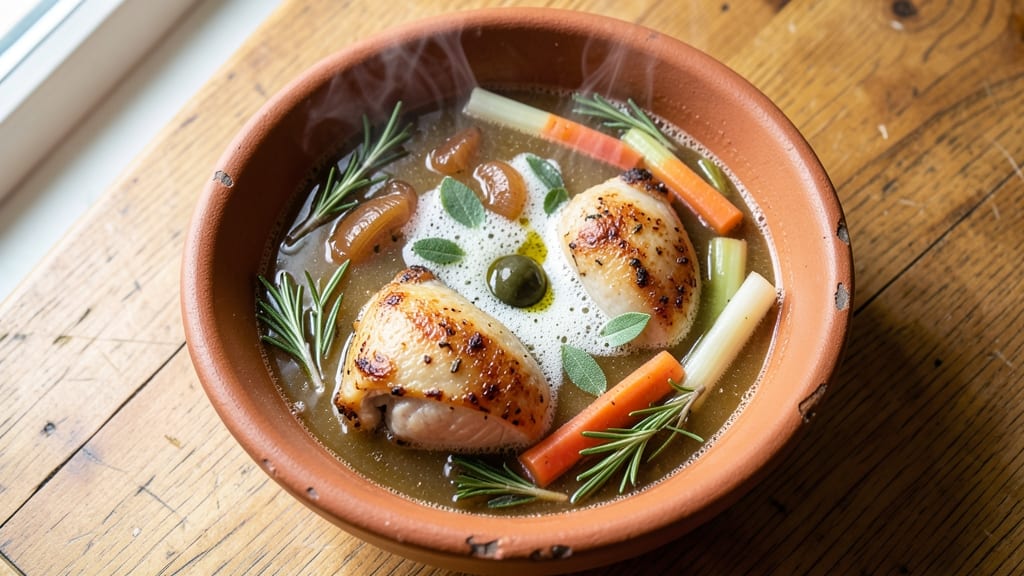
This authentic Italian chicken soup recipe brings Nonna's kitchen to your pot with a rich, herbed broth and perfectly al dente pasta. The secret lies in slow-simmered chicken stock infused with fresh rosemary, sage, and a touch of fennel—flavors that transform simple ingredients into something deeply comforting.
I've perfected this version after years of testing, ensuring every spoonful delivers that classic Italian soulfulness without sacrificing simplicity.
The foundation begins with a traditional soffritto—onions, carrots, and celery cooked low and slow to build flavor—before adding chicken thighs for depth. Fresh herbs like parsley and basil finish the broth, while optional pasta (pici or orzo) adds texture.
What makes this different is the balance: tender chicken, silky broth, and pasta that's just firm enough to hold its shape. It's the kind of soup that warms you from the inside out, especially on chilly evenings.
By the time you serve it, you'll have a bowl that tastes like home—golden broth with floating herbs, tender chicken pieces, and pasta that's perfectly cooked. The aroma alone will have everyone gathering around the table.
This isn't just soup; it's a taste of Italy, made approachable for any home cook. Let's get started on creating something truly special.
One of the best parts? Leftovers taste even better the next day as flavors meld further. Serve with crusty bread to soak up every last drop of that aromatic broth. Here's how to make it—step by step, just like Nonna would.
Ingredients for authentic italian chicken soup
Sixteen ingredients, all Italian soul—just like Nonna's kitchen.
| Ingredient | Amount | Notes |
|---|---|---|
| Chicken Thighs 🍗 | 2 ½ lb | Bone-in, skin-on preferred |
| Yellow Onion 🧅 | 1 whole | Medium size, diced |
| Carrots 🥕 | 3 medium | Peeled, cut into chunks |
| Celery Stalks 🧅 | 3 whole | Trimmed, cut into pieces |
| Fresh Rosemary 🌿 | ¼ ounce | Or 1 sprig, finely chopped |
| Fresh Sage Leaves 🌿 | ½ ounce | About 10-12 leaves |
| Fresh Fennel Bulb 🥕 | 1 small | Trimmed, sliced thin |
| Fresh Parsley 🌿 | ¼ cup | Chopped, flat-leaf preferred |
| Fresh Basil Leaves 🌿 | ¼ cup | Torn, not chopped |
| Garlic Cloves 🧄 | 4 cloves | Peeled, smashed |
| Extra-Virgin Olive Oil 🫒 | ½ cup | For sautéing soffritto |
| Dry White Wine 🍷 | ½ cup | Optional, Pinot Grigio works |
| Chicken Stock 💧 | 6 cups | Homemade preferred |
| Salt 🧂 | 1 ½ tsp | Diamond Crystal kosher salt |
| Black Pepper 🌶️ | ½ tsp | Freshly cracked |
| Pici or Orzo Pasta 🍝 | 1 lb | Pici preferred for authenticity |
The chicken thighs are non-negotiable—bone-in, skin-on for maximum flavor (yes, it's worth the extra effort). Trader Joe's or Whole Foods carry good quality, or check the store's butcher section for the best pieces. Fresh herbs make all the difference here—Italian markets often have the best rosemary and sage, but the grocery store works too. Look for stems that are vibrant green, not woody or dry. The fennel can be tricky to find; Costco or specialty stores usually stock it. If you can't find fresh fennel, swap for extra celery—it'll still taste amazing.
No white wine? Chicken stock plus a splash of lemon juice works perfectly. Fresh herbs wilt fast, so store them in damp paper towels in the fridge for up to 5 days. The pasta? Pici is traditional, but orzo is more accessible—both cook up beautifully. Short on time? Pre-chopped soffritto mixes (check the Italian aisle) save 15 minutes. The carrots can be baby carrots if that's what's in the fridge—just peel and chop them. For the fennel, remove the core and slice thinly; the bulb should be crisp, not rubbery.
This soup tastes even better the next day as flavors meld. Store in the fridge for 4-5 days or freeze for 3 months. I always make a double batch—leftovers make perfect lunches. The broth freezes beautifully, so portion it out if you want to save time later. For serving, keep the pasta separate until ready to eat—it reheats better that way. And trust me, the aroma alone will have everyone at the table before it's even served.
Why You'll Love This Recipe
- Just Three Veggies: I swear by this combo—onion, carrots, celery—because it’s the holy trinity of Italian soups. No fancy chopping, no peeling stress, and the flavors meld perfectly while the chicken thighs stay juicy. (Yes, even if you burn the onions a little.)
- Rosemary Magic: That sprig of fresh rosemary? It’s not just garnish—it infuses the broth with earthy warmth that turns a simple soup into something ridiculously comforting. Between us, I’ll add extra just to be safe.
- Leftovers That Shine: This soup actually improves the next day. The chicken gets more tender, the herbs deepen, and I’ll often repurpose it into a quick pasta or risotto. Honestly, I make a double batch on Sundays so I’m not scrambling midweek.
- Thighs Over Breasts: No dry chicken here—the thighs stay moist and flavorful, even after simmering. They’re cheaper too, which means more soup for less cash. Plus, the skin crisps up if you brown it right, adding that satisfying crunch. (My kids fight over the last piece.)
Step-by-step instructions for authentic Italian chicken soup
Here's how to create a rich, aromatic broth with perfectly balanced flavors.
Sauté the Soffritto Vegetables
Heat the 0.5 cup extra-virgin olive oil in a large pot over medium heat. Add the 1 whole yellow onion, 3 medium carrots, and 3 whole celery stalks, all cut into chunks. Cook for 8-10 minutes, stirring occasionally, until the vegetables soften and begin to caramelize slightly. This step builds the foundation of your soup's flavor.
Next, add the 1 small fresh fennel bulb (sliced thin), 4 cloves garlic (smashed), 0.25 ounce fresh rosemary, and 0.5 ounce fresh sage leaves. Stir for 2 minutes until fragrant. The fennel adds a subtle licorice note that's essential for authentic Italian flavor, while the rosemary and sage contribute earthy depth. Don't let the garlic burn—it should just begin to color.
Brown the Chicken and Deglaze
Push the vegetables to one side of the pot and add the 2.5 lb chicken thighs (skin-on preferred) to the pot. Cook for 5-6 minutes per side until the skin is golden brown and crispy. This browning creates the Maillard reaction that deepens the flavor of your broth.
Once the chicken is browned, remove it from the pot and set aside. Pour in the 0.5 cup dry white wine (if using) and scrape up any browned bits from the bottom of the pot. Let it simmer for 3-4 minutes until the wine has mostly evaporated. This deglazing step captures all the flavorful fond stuck to the pot.
Simmer the Broth
Return the chicken to the pot and add the 6 cups chicken stock. Bring to a gentle boil, then reduce heat to low and cover partially. Simmer for 45-50 minutes until the chicken is tender and the broth has developed rich, complex flavors. You'll know it's ready when the chicken falls off the bone easily and the broth has a deep, aromatic scent.
Remove the chicken from the broth and let it cool slightly. Once cool enough to handle, shred the meat using two forks and return it to the pot. Stir in the 1.5 tsp salt and 0.5 tsp black pepper. The broth should be seasoned but not overly salty—Italian soups rely on the natural flavors of the ingredients.
Finish with Herbs and Pasta
Add the 0.25 cup fresh parsley and 0.25 cup fresh basil leaves to the pot and stir gently. These herbs should be added at the end to preserve their bright flavors. Bring the soup back to a gentle simmer and cook for 5 minutes to infuse the herbs.
In a separate pot, cook the 1 lb pici or orzo pasta in salted water according to package instructions until al dente (about 1 minute less than package directions). Drain and add the pasta directly to the soup, stirring gently to combine. The pasta should be perfectly cooked but still have a slight bite—this ensures it holds up well in the rich broth.
Serve with Confidence
Ladle the soup into bowls, making sure each serving includes both the broth and pasta. Garnish with additional fresh basil leaves and a drizzle of extra-virgin olive oil for a finishing touch. The soup should be aromatic, deeply flavorful, and perfectly balanced—neither too heavy nor too light.
Serve immediately while the pasta is still warm and the broth is steaming. This soup tastes best fresh, with the herbs still vibrant and the pasta holding its shape. The combination of tender chicken, aromatic vegetables, and al dente pasta creates a truly authentic Italian experience.
Pro Tips For Making Authentic Italian Chicken Soup
- Brown the Thighs Properly: Don’t just simmer those chicken thighs—they need a deep golden crust first. After searing them skin-side down until the fat renders and the skin crisps (about 8-10 minutes), flip and cook another 3-4 minutes. This step locks in flavor, not just moisture, and makes the difference between "soup" and "soup that tastes like it’s been kissed by a Tuscan grandmother."
- Mince the Celery-Fine: Skip the big chunks—Italian soups rely on a soffritto that builds flavor. Dice that celery (and onion) into tiny, even pieces—think rice grain-sized. It’ll dissolve into the broth instead of sitting as identifiable bits, creating a silky, aromatic base. (Yes, it takes a few extra minutes, but your future self will notice.)
- Salt the Broth Early: Add half your total salt (about 1 tsp per liter of water) right when the chicken hits the pot. This seasoning penetrates the meat and veggies from the start, not just the surface. Taste again at 20 minutes—you’ll likely need more, but the early salt prevents blandness no matter how long you simmer.
- Rosemary: Strip, Not Chop: Tear that rosemary sprig into large, uneven pieces—don’t mince it. Whole sprigs infuse the broth beautifully, then can be fished out before serving. If you’re impatient, bruise the leaves with your palm first to release oils, but leave them attached. (And for heaven’s sake, don’t use dried unless it’s a pinch of high-quality leaf—ground stuff tastes like pine.)
Troubleshooting your authentic italian chicken soup
Broth Too Thin?
If your broth lacks richness, simmer uncovered for an extra 10-15 minutes to reduce it. For a quick fix, stir in 1 tbsp tomato paste or ½ cup pureed white beans—both add body without overpowering flavors.
I've found that homemade chicken stock (especially with bones) creates the deepest flavor, but store-bought works too if you simmer it longer. 💧
Pasta Overcooked?
Cook pasta separately and add it to the soup only in the final 2-3 minutes of reheating. For extra insurance, use 1 minute less than package directions, then drain immediately. I keep a small pot of water on standby to quickly reheat any stray pasta if needed.
The key is al dente pasta that holds its shape in the broth. 🍝
Chicken Too Tough?
Chicken thighs should cook until they reach an internal temperature of 165°F—use a meat thermometer for accuracy. If they're still tough after 50 minutes of simmering, add ½ cup warm water and cover tightly for another 15 minutes.
Bone-in, skin-on thighs are ideal—they stay juicier than boneless cuts. For extra tenderness, poach the chicken separately before adding to the soup. 🍗
Herbs Lose Flavor?
Add fresh herbs only at the very end (5 minutes before serving) to preserve their bright flavors. For extra aroma, tie them in a cheesecloth bundle and steep in the broth during simmering, then remove before serving.
Dried herbs work in a pinch, but use half the amount (e.g., ½ tsp dried parsley instead of ¼ cup fresh). 🌿
Vegetables Too Soft?
Add harder vegetables (like carrots and celery) to the pot 10 minutes before serving to prevent mushiness. For a crunchier texture, set aside a few slices of fennel or celery to add fresh after reheating.
I often reserve ½ cup chopped veggies to stir in at the end for a satisfying bite. 🥕
Broth Too Salty?
If the soup tastes overly salty, dilute it with ½ cup warm water or chicken stock and adjust seasoning. For a more authentic fix, add 1 tbsp lemon juice or 1 tsp vinegar—the acidity balances the salt while brightening flavors.
Taste as you go, especially when using homemade stock. 🧂
Nutrition facts
Frequently asked questions
Can I use chicken breasts instead of thighs?
Chicken thighs are traditional for this recipe because they stay juicier and more flavorful during long simmering. If you must use breasts, opt for bone-in, skin-on pieces to retain moisture. Cook them separately for 10-12 minutes until just done (internal temp 165°F) before adding to the broth. They'll be leaner but still delicious!
What makes this soup authentically Italian?
The key elements are the soffritto (onion-carrot-celery base), fresh herbs (rosemary, sage, parsley, basil), and slow simmering technique. The fennel adds that distinct Italian flavor, while using homemade chicken stock (or high-quality store-bought) creates the rich, aromatic broth that defines Italian soups. The pasta is cooked separately to maintain its texture.
Can I make this soup in a slow cooker?
Yes! Brown the chicken and sauté the soffritto in a skillet first, then transfer everything to the slow cooker. Add the stock and simmer on low for 6-7 hours or high for 3-4 hours. The long cook time enhances the flavors. Add pasta only in the final 15 minutes to prevent mushiness. The broth will be even more concentrated!
How do I store and reheat leftovers?
Store in an airtight container in the fridge for 4-5 days or freeze for 3 months. To reheat, warm on the stove over medium-low heat until steaming. For best texture, add fresh pasta when reheating (cook separately and stir in at the end). The flavors actually improve overnight as the broth melds further!
What if I don't have pici pasta?
Don't worry—orzo or small shell pasta work beautifully. For a rustic touch, try farro or barley, which hold up well in broth. If using orzo, cook it directly in the soup for 15-20 minutes until tender. The key is choosing pasta that won't turn mushy in the rich broth.