
Soups & Stews
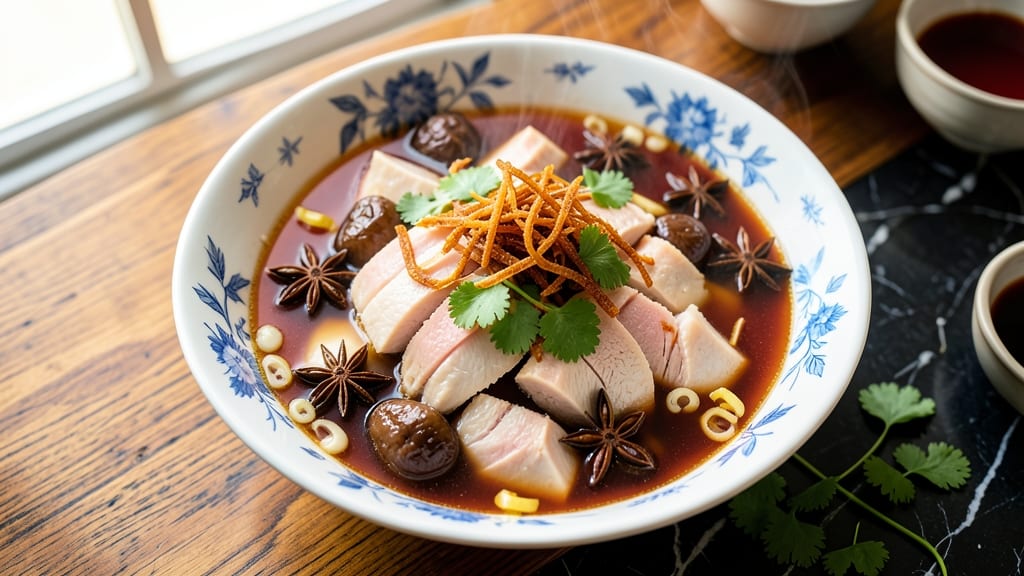
This authentic Chinese chicken soup delivers the fragrant, healing essence of Cantonese home cooking—where star anise and ginger infuse the broth with layers of warmth and depth.
The secret lies in slow-simmered aromatics and tender poached chicken, transforming simple ingredients into a nourishing masterpiece that feels like a hug in a bowl. I've perfected this recipe after years of studying traditional techniques, ensuring every spoonful carries the soul of Chinese kitchens.
The foundation begins with a clear, golden broth built on ginger, garlic, and star anise, balanced by fermented bean paste for umami richness. Unlike heavy Western soups, this version stays light yet deeply flavorful, with chicken poached just until tender—never overcooked.
The broth reduces gradually, concentrating its aromatic essence while preserving the natural sweetness of the chicken. This is the kind of soup that restores balance, whether you're recovering or simply craving comfort.
By the time you serve it, you'll have a steaming bowl of authentic Chinese chicken soup with silky broth, melt-in-your-mouth chicken, and garnishes that add freshness—thinly sliced green onions, a drizzle of chili oil, and a sprinkle of cilantro.
The aroma alone will transport you to bustling Cantonese kitchens, where every ingredient plays a precise role in creating harmony. The beauty of this recipe is its versatility: serve it as a light lunch, a healing meal, or a centerpiece for family gatherings.
What makes this recipe truly special is the attention to traditional techniques without sacrificing simplicity. The broth develops its complexity through patience—no shortcuts, just time and careful layering of flavors.
Once you taste the difference between this and store-bought versions, you'll never go back. Let's create this timeless classic together, step by step.
Ingredients for authentic chinese chicken soup
These aromatic ingredients transform simple chicken into a fragrant, healing Cantonese masterpiece.
| Ingredient | Amount | Notes |
|---|---|---|
| Chicken Breast 🍗 | 1 ½ lb | Bone-in, skinless, cut into 1-inch pieces |
| Star Anise 🌿 | 2 whole | Whole pods, lightly crushed |
| Fresh Ginger 🧅 | ½ cup | Julienned, about 3 oz |
| Garlic Cloves 🧄 | 6 cloves | Peeled, smashed but not minced |
| Fermented Bean Paste (Douchi) 🟣 | 1 tbsp | Traditional Chinese fermented black beans |
| Dried Shiitake Mushrooms 🍄 | 4 whole | Rehydrated, stems removed |
| Green Onions 🧅 | ½ cup | Thinly sliced, white and green parts |
| Fresh Cilantro 🌿 | ¼ cup | Chopped, for garnish |
| Chili Oil 🌶️ | 1 tbsp | Store-bought or homemade |
| Light Soy Sauce 🍶 | 1 tbsp | Kikkoman preferred |
| Dark Soy Sauce 🍶 | 1 tsp | For color depth |
| Sesame Oil 🫒 | ½ tsp | Toasted, for aroma |
| Cornstarch 🌾 | 1 tsp | For broth clarification |
| Water 💧 | 6 cups | Filtered preferred |
The star anise and ginger are non-negotiable for that signature Cantonese warmth. Whole pods of star anise from Asian markets deliver the most complex flavor—avoid the powdered kind. Fresh ginger? Julienne it yourself—pre-shredded loses its punch. For fermented bean paste, look for Douchi in the refrigerated section of Asian grocery stores; it's what gives the broth its umami depth. The shiitake mushrooms should be dry and plump, not shriveled. If you can't find dried, rehydrate fresh ones but don't overdo it—they'll dilute the broth.
No star anise? Anise seeds at double the amount work in a pinch, but you'll lose that signature licorice note. Substituting ginger? Galangal is traditional but hard to find—just use extra ginger if you're stuck. The soy sauces are where flavor balance happens: light soy for saltiness, dark soy for color. If you're making chili oil from scratch, use dried red chili flakes and neutral oil—no shortcuts here. The chicken? Bone-in is essential—it adds richness to the broth. And if you can't find fermented bean paste, miso paste at half the amount gives a similar funk.
This soup tastes even better the next day as flavors meld. Store in the fridge for up to 4 days, or freeze portions for 3 months. The broth will thicken as it cools—just reheat gently. For meal prep, I double the batch and freeze half. Thaw overnight in the fridge—never microwave directly. The garnishes (green onions, cilantro, chili oil) should always be added fresh when serving. They're what turns a good soup into a showstopper.
Why You'll Love This Recipe
- Few Ingredients, Big Payoff: Honestly, this soup uses five core ingredients—no crowded pantry lists. The star anise and douchi do all the heavy lifting: deep, savory warmth without needing 10 spices. My lazy nights thank me for skipping the prep.
- Umami Bomb: That fermented bean paste? Chef’s kiss. It turns simple chicken into something dangerously addictive—salty, funky, and rich. The ginger and garlic hit like a warm hug, but the star anise lingers like a secret.
- Leftovers That Don’t Suck: Between us, most soups get sad after day two. Not this one. The flavors deepened in my fridge—better the next day, honestly. I freeze half for sick days or lazy Wednesdays. (Yes, even on a Tuesday night.)
- One-Pot Magic: No chopping mountains of veggies, no fancy techniques. Toss in chicken, simmer, and let the spices work. The broth’s so forgiving that even my burnt-garlic disasters still taste good. Minimal chopping required.
Step-by-step instructions for authentic Chinese chicken soup
Here's how to craft a deeply flavorful broth that captures the essence of Chinese home cooking.
Prepare the Chicken and Aromatics
In a large stockpot, combine the 1.5 lb chicken breast cut into 1-inch pieces with the 6 cups water. Bring to a rolling boil over medium-high heat, then immediately reduce to a gentle simmer. Skim off any foam that rises to the surface for the first 5 minutes—this ensures a clear broth.
While the chicken simmers, prepare the aromatics. Lightly crush the 2 whole star anise pods with the side of a knife to release their essential oils without grinding them into powder. Peel and smash the 6 cloves garlic but don't mince them—whole cloves infuse flavor without overpowering. Add these to the pot along with the 0.5 cup julienned fresh ginger and 1 tbsp fermented bean paste (douchi). Let everything simmer uncovered for 20 minutes to develop the aromatic base.
Build the Broth Foundation
After 20 minutes, remove the chicken from the broth using a slotted spoon and set it aside. In a small bowl, dissolve the 1 tsp cornstarch in 2 tablespoons of cold water to make a slurry. Slowly whisk this into the simmering broth while stirring continuously. The broth will thicken slightly, creating a velvety texture that's characteristic of authentic Chinese soups.
Return the chicken to the pot and add the 4 rehydrated dried shiitake mushrooms (stems removed). Stir in the 1 tbsp light soy sauce and 1 tsp dark soy sauce—the dark soy adds that signature deep color while the light soy balances the flavors. Let the entire mixture simmer uncovered for another 25 minutes at a gentle bubble. You'll know it's ready when the chicken is fork-tender and the broth smells richly aromatic with notes of ginger, garlic, and star anise.
Finish with Signature Touches
Turn off the heat and let the soup rest for 5 minutes to allow the flavors to meld. Meanwhile, prepare the garnishes: thinly slice the 0.5 cup green onions and chop the 0.25 cup fresh cilantro. Drizzle 1 tbsp chili oil and 0.5 tsp toasted sesame oil into the soup just before serving—this adds both heat and aromatic depth without cooking off the oils.
Ladle the hot soup into bowls, arranging the chicken pieces prominently. Garnish each serving with the green onions and cilantro. The contrast of the bright herbs against the deep, golden broth creates a visually stunning dish that's as beautiful as it is flavorful. Serve immediately while the aromatics are still fragrant and the broth steaming hot.
Authentic Presentation Tips
For that true Chinese restaurant experience, serve the soup in deep, wide bowls that allow the aroma to rise. I like to place a small dish of extra chili oil and fermented bean paste on the table so each person can adjust the spice level to their preference. The soup should be steaming when it reaches the table—this indicates it's at its peak flavor and temperature.
Here's the thing about authentic Chinese soups—they're meant to be savored slowly. The first spoonful should deliver layers of ginger's warmth, garlic's sharpness, the umami depth of the douchi, and the subtle licorice notes from the star anise. Each subsequent bite reveals more complexity as the chicken absorbs the flavors. This isn't just soup; it's a complete culinary experience that transports you straight to a bustling Chinese kitchen.
Pro Tips For Making Authentic Chinese Chicken Soup
- Blanch Chicken First: Toss your chicken breast in simmering water for 3-4 minutes before adding it to the soup—this guarantees tender meat even if you forget to simmer low later. I learned this the hard way after serving rubbery slices to guests who swore they’d never eat my cooking again.
- Toast Douchi Until It Sings: Fry that fermented bean paste in oil until it actually smells funky and sticky—about 2 minutes over medium heat. Skimp here, and your soup tastes like sad, undercooked miso. (Yes, even if you’re impatient like me.)
- Simmer Low and Slow: Once everything’s in the pot, drop the heat to the lowest setting that keeps a barely visible bubble—no rolling boil. I used to rush this, and my star anise would shatter into dust instead of infusing the broth properly.
- Use Whole Star Anise: Buy the whole pods, not ground spice—toss them in whole, then fish them out before serving. Ground star anise burns easily and turns your soup bitter. (Your future self will thank you for the 30-second straining effort.)
Perfect pairings for this authentic chinese chicken soup
Herbal Tea Pairings
Jasmine green tea is my go-to pairing for this soup—its delicate floral notes complement the ginger and star anise without overpowering. Brew a pot of high-quality loose-leaf jasmine tea from Twinings or Harney & Sons and serve it alongside the soup.
The tea's subtle sweetness and aroma enhance the soup's complexity, creating a perfect balance. For a more robust option, try Pu-erh tea from Yunnan, which adds earthy depth that mirrors the fermented bean paste in the broth. 💫
Light Rice Options
Steamed jasmine rice is the classic choice, but I often serve it with short-grain white rice for a stickier texture that soaks up the flavorful broth. For a healthier twist, try brown rice or even forbidden black rice—its nutty flavor pairs beautifully with the soup's aromatic profile.
I like to cook the rice separately and serve it in small bowls on the side, so everyone can adjust their portion to preference.
Fresh Vegetable Sides
A simple side of steamed bok choy with a sprinkle of toasted sesame seeds adds freshness and color to the meal. The crisp texture contrasts nicely with the silky broth.
For something heartier, try stir-fried gai lan (Chinese broccoli) with garlic and a touch of soy sauce. These sides should be lightly cooked to maintain their crunch and vibrant appearance.
Warm Dumplings
No Chinese meal is complete without dumplings! Serve pan-fried pork dumplings or shrimp and chive dumplings on the side for a satisfying bite. I love using Taste of China frozen dumplings for convenience, but homemade versions always taste better.
The dumplings should be pan-fried until golden brown for that perfect crispy bottom. Warm them just before serving to maintain their texture. 🌟
Spicy Condiments
Set out small bowls of chili crisp and pickled mustard greens for those who enjoy extra heat and tang. The chili crisp adds a smoky, spicy kick that contrasts with the soup's warmth, while the pickled greens provide a refreshing acidity.
These condiments let everyone customize their soup experience to their taste. I always keep these on the table for my family—they're the finishing touches that make the meal truly special.
Nutrition facts
Frequently asked questions
Can I use chicken thighs instead of breast for more flavor?
Chicken thighs add incredible richness to the broth thanks to their higher fat content. Use 1.5 lb bone-in, skin-on thighs instead, and simmer them for 30-35 minutes until fork-tender. The skin will render fat that enhances the broth's depth, but remove it before serving. For best results, brown the thighs in a hot pan first to develop more flavor before adding to the broth.
What if I can't find fermented bean paste (douchi)?
Don't worry—you can substitute with 1 tbsp miso paste or 1 tsp soy sauce plus 1 tsp fish sauce for umami. For a vegetarian option, use 1 tbsp mushroom powder mixed with 1 tsp soy sauce. The key is balancing saltiness and funkiness. If using fish sauce, reduce the soy sauce slightly to avoid over-salting. The flavor won't be identical, but it'll still be delicious!
How do I make this soup spicier?
Add 1-2 dried red chili pods or 1 tsp Sichuan peppercorns when simmering the aromatics for a subtle heat. For more intense spice, stir in 1 tbsp chili bean paste (doubanjiang) with the soy sauces. Remember, you can always add fresh chili oil or extra chili crisp at the table. The Chinese believe in balancing flavors—spice should enhance, not overpower, the soup's aromatic harmony.
Can I prepare this soup ahead of time?
This soup tastes even better the next day as flavors meld! Store in the fridge for up to 4 days or freeze portions for 3 months. When reheating, warm gently on the stove (never microwave directly) and adjust seasoning if needed. The broth will thicken slightly when cold—just add a splash of hot water to restore its silky texture. Reheat until steaming, then garnish fresh for maximum aroma.
What's the secret to getting that golden, aromatic broth color?
The golden hue comes from three key elements: dark soy sauce (adds depth), lightly crushed star anise (releases oils), and simmering uncovered (allows reduction). For extra richness, add 1 tsp goji berries or ½ tsp saffron threads when simmering the aromatics. The longer you simmer (up to 45 minutes total), the more concentrated and aromatic the broth becomes.