
Soups & Stews
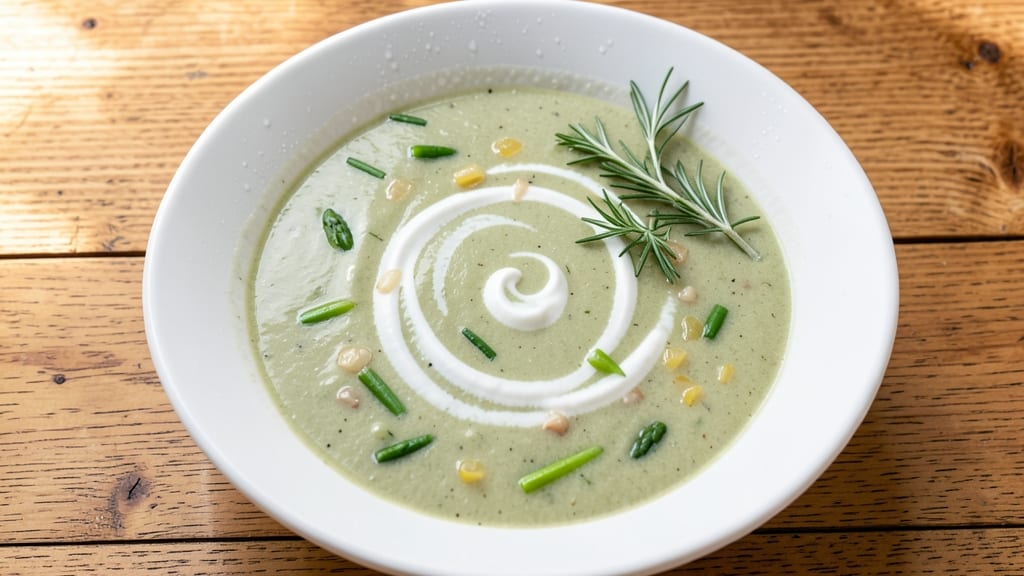
This low-fat asparagus soup recipe delivers all the creamy comfort of classic versions without the guilt—just herbal depth, tender asparagus, and a velvety texture achieved through smart techniques.
The secret lies in using low-fat dairy alternatives and pureeing the soup to perfection, creating a dish that's both light and satisfying. Perfect for spring menus or when you crave something fresh yet comforting, this soup proves healthy eating can be rich in flavor too.
The foundation of this recipe is fresh asparagus, which provides natural sweetness and a vibrant green hue, while low-fat milk and Greek yogurt deliver creaminess without excess calories. Aromatic herbs like tarragon and thyme add complexity, and a touch of lemon brightens the finish.
The soup's silky texture comes from proper pureeing—no heavy cream needed, just blending until smooth for that restaurant-quality mouthfeel.
What makes this recipe stand out is its versatility and nutritional benefits. Packed with fiber, vitamins, and antioxidants, it’s a dietitian-approved choice that still feels indulgent.
The low-fat approach doesn’t compromise on taste—every spoonful is herb-infused, tender, and balanced, making it ideal for meal prep or a quick weeknight dinner. Serve it with a sprinkle of fresh herbs or a dash of black pepper for extra depth.
For those watching their fat intake, this soup is a game-changer—it’s lighter than traditional versions but just as flavorful. The key is controlling dairy fat while enhancing flavor through herbs and acidity.
Whether you’re following a heart-healthy diet or simply looking for a lighter option, this recipe delivers rich, herbal satisfaction without the heaviness. Ready to make it? Let’s get started.
Ingredients for asparagus soup recipe low fat
Herbal depth meets lightness in this low-fat asparagus soup—fresh asparagus, aromatic herbs, and dairy alternatives create velvety texture without excess calories.
| Ingredient | Amount | Notes |
|---|---|---|
| Fresh Asparagus 🥬 | 1 ½ lb | Trimmed, tough ends removed |
| Low-Fat Unsweetened Almond Milk 🥛 | 4 cups | Unflavored, unsweetened |
| Plain Nonfat Greek Yogurt 🍦 | ½ cup | Strained for thickness |
| Yellow Onion 🧅 | 1 whole | Medium, diced finely |
| Garlic Cloves 🧄 | 4 cloves | Peeled, minced |
| Fresh Tarragon 🌿 | ¼ cup | Chopped, stems removed |
| Fresh Thyme 🌿 | 1 tbsp | Leaves only, finely chopped |
| Lemon Juice 🍋 | 1 tbsp | Freshly squeezed |
| Low-Sodium Chicken Broth 🍲 | 2 cups | Homemade or quality store-bought |
| Extra-Virgin Olive Oil 🫒 | 1 tbsp | For sautéing |
| Salt 🧂 | ½ tsp | Diamond Crystal kosher salt |
| Ground Black Pepper 🌶️ | ¼ tsp | Freshly ground |
| Low-Fat Butter 🧈 | 1 tbsp | For finishing |
The asparagus is the star, so prioritize fresh, vibrant stalks—look for bright green tips and firm stems at the market. Whole Foods or local farmers' markets often carry the sweetest varieties in spring. Trim the tough ends by bending each stalk until it snaps naturally, then discard the broken piece. For the herbs, fresh tarragon and thyme elevate the flavor profile significantly—Penzeys Spices carries high-quality dried options if fresh isn't available, though fresh is ideal for that bright herbal note. The low-fat Greek yogurt should be plain, nonfat, and thick—avoid flavored varieties, as they can introduce unwanted sweetness or artificial ingredients.
No fresh tarragon? Dried tarragon at one-third the amount works, though it lacks the same depth. Substituting almond milk? Unsweetened soy or oat milk are excellent alternatives, though almond milk provides a slightly creamier texture. For extra richness without fat, a splash of coconut milk (just 1-2 tbsp) can enhance the velvety mouthfeel. The chicken broth should be low-sodium—Pacific Foods or Imagine brands are reliable choices. If you prefer a vegetarian option, low-sodium vegetable broth works just as well. The lemon juice is crucial for brightness, so freshly squeezed is non-negotiable—bottled lemon juice lacks the same tang.
This soup keeps beautifully for 4-5 days in the fridge, though it's best enjoyed within 2-3 days for peak freshness. Store in an airtight container with a thin layer of olive oil on top to preserve the vibrant green color. For longer storage, freeze for up to 3 months—portion into ice cube trays for easy single-serving use later. When reheating, add a splash of low-fat milk or broth to restore creaminess, as the soup can thicken upon cooling. Garnish with extra herbs or a drizzle of olive oil just before serving to maintain its restaurant-quality presentation.
Why You'll Love This Recipe
- No-Fuss Prep: I swear by this recipe because it’s the kind of soup that doesn’t demand your full attention. Sauté the onion and garlic until soft, toss in the asparagus, and let the blender do the rest—no peeling, no dicing, no stress.
- Creamy Without Guilt: The Greek yogurt and almond milk combo gives it that velvety texture without the heaviness. Honestly, I didn’t think I’d miss the cream, but this? It’s the real deal—light, tangy, and still satisfying.
- Weeknight to Dinner Party: Same recipe, totally different vibes. Serve it with crusty bread for a lazy Tuesday or drizzle with a little olive oil and sprinkle of chili flakes for a fancier spread. My in-laws asked for the recipe after one bite.
- Leftover Goldmine: This soup actually improves the next day—flavors meld better, and it’s perfect for meal prep. I make a big batch on Sundays, and by Wednesday, it’s still my go-to lunch. (Yes, even on a Tuesday night.)
Step-by-step instructions for light asparagus soup
This method delivers a velvety, herb-infused soup that's rich in flavor but light on calories.
Prepare the Asparagus and Aromatics
Trim the tough ends from the 1.5 lb fresh asparagus by bending each spear until the tough portion snaps naturally. Discard the ends and cut the remaining stalks into 1-inch pieces, reserving the tender tips for garnish. Finely dice the whole yellow onion—aim for pieces no larger than ¼ inch to ensure even cooking. Mince the 4 cloves garlic into a fine paste using a garlic press for consistent distribution.
Chop the 0.25 cup fresh tarragon and 1 tbsp fresh thyme leaves separately, removing any woody stems. The tarragon should be finely chopped to release its delicate anise notes, while the thyme can be slightly coarser for texture. Keep all prepared ingredients within easy reach for the next step.
Sauté the Base with Olive Oil
Heat the 1 tbsp extra-virgin olive oil in a large pot over medium heat until shimmering but not smoking. Add the diced onion and cook for 5-6 minutes until softened and translucent, stirring occasionally. Add the minced garlic and cook for an additional 30 seconds until fragrant—this prevents the garlic from burning while developing its full flavor.
Immediately add the chopped tarragon and thyme, stirring for 1 minute to toast the herbs lightly. This step enhances their aromatic compounds without overpowering the delicate asparagus flavor. The pot should smell vibrant and fresh at this stage.
Simmer the Asparagus and Broth
Add the prepared asparagus pieces and 2 cups low-sodium chicken broth to the pot. Bring to a gentle boil over high heat, then immediately reduce to medium-low heat. Simmer uncovered for 8-10 minutes, stirring occasionally, until the asparagus is fork-tender and the liquid has reduced slightly. You'll notice the asparagus pieces soften and the broth darkens slightly—this deepens the soup's complexity.
Season with the 0.5 tsp salt and 0.25 tsp ground black pepper, then stir in the 1 tbsp lemon juice. The acidity brightens the soup and balances the earthiness of the asparagus. Taste and adjust seasoning if needed—this is the only time you should add salt, as the yogurt will add creaminess without additional saltiness.
Blend to Silky Smoothness
Using an immersion blender, carefully blend the soup directly in the pot until completely smooth. Work in batches if necessary to avoid splattering. For a traditional approach, carefully transfer the soup to a countertop blender, filling it no more than halfway. Secure the lid and blend until silky smooth, then return to the pot. The soup should have a velvety texture with no visible chunks.
Return the blended soup to medium heat and stir in the 0.5 cup plain nonfat Greek yogurt and 4 cups low-fat unsweetened almond milk. The yogurt adds body and tanginess while keeping the soup light, while the almond milk ensures a creamy consistency without heavy cream. Stir gently to avoid creating lumps—this is where patience pays off for a flawless finish.
Finish with Butter and Garnish
Remove the pot from heat and stir in the 1 tbsp low-fat butter until melted and fully incorporated. This final touch adds richness without heaviness. The soup should now have a luxurious mouthfeel with a clean finish. Taste again and adjust seasoning if needed—this is your final opportunity to perfect the balance of flavors.
Ladle the soup into bowls and garnish with the reserved asparagus tips and a sprinkle of fresh tarragon. Serve immediately while hot, as the flavors meld best when enjoyed fresh. The bright green garnish not only adds visual appeal but also provides a fresh contrast to the creamy soup.
Pro Tips For Making Asparagus Soup Recipe Low Fat
- Sweat the Onion First: I learned this the hard way—when you toss raw onion into the pot with everything else, it just sits there like a sad, watery guest. Sauté it in a dry pan for 5-6 minutes until it’s soft and golden, then deglaze with a splash of water before adding the rest. That caramelized flavor is what makes the soup sing, not just the raw onion’s mild bite.
- Trim Asparagus Like a Pro: Cut off the tough ends at an angle (about 1 inch from the base) and snap the rest—it’ll break naturally where it’s tender. If you’re using thick stalks, peel the bottom third with a vegetable peeler first. Over-trimming wastes good asparagus; under-trimming means a mouthful of stringy texture you’ll regret.
- Simmer Low and Slow: This isn’t a race. After blending, keep the soup at a gentle simmer (not a rolling boil) for at least 10 minutes. That lets the flavors meld and the almond milk’s nuttiness soften—rushing it leaves the soup tasting thin and disjointed. Cover it loosely if you’re worried about evaporation, but don’t seal it completely.
- Stir in Yogurt Last: Cold yogurt curdles when it hits hot liquid, and no one wants lumpy soup. Mix a ladle of the finished soup into the yogurt first to temper it, then whisk it back in. If you’re really in a hurry, chill the soup slightly before adding the yogurt—it’ll still taste creamy, just less dramatic.
Pro cooking tips for great asparagus soup recipe low fat
Immersion Blender Magic
Skip the countertop blender and use an immersion blender for foolproof smoothness—no transferring hot liquid required! I love the Ninja IC801 for its powerful motor and easy cleanup. Pulse in short bursts while keeping the blender angled slightly to avoid splattering.
For extra velvety texture, strain the soup through a fine-mesh sieve after blending to remove any stubborn fibers. This step ensures your soup has that restaurant-quality silkiness without heavy cream. 💫
Herb Toasting Trick
Lightly toasting your herbs in the olive oil releases their aromatic oils, intensifying their flavor without overpowering the asparagus. Add the tarragon and thyme to the pot just after the garlic and stir for no more than 1 minute—any longer risks bitterness.
Pro tip: Use fresh tarragon whenever possible; dried versions lack the same depth. If you must substitute, use ½ tsp dried tarragon and add it directly to the broth during simmering. 🌿
Low-Fat Creaminess Hacks
For an even lighter texture, replace ½ cup Greek yogurt with ¼ cup silken tofu, blended until smooth. The tofu adds protein and creaminess without dairy.
Alternatively, whisk 1 tbsp cornstarch with 2 tbsp cold water and stir it into the soup during the final 2 minutes of simmering—this thickens the soup naturally while keeping it low-fat. The almond milk should be unsweetened to avoid altering the soup’s delicate balance. 🥛
Broth Reduction Secret
Simmer the asparagus in broth for 8-10 minutes until the liquid reduces by about ¼ cup. This concentrates the flavors and prevents a watery finish.
If the soup seems too thin after blending, stir in 1 tbsp arrowroot powder mixed with 2 tbsp cold water and simmer for 2 more minutes. Arrowroot thickens without adding fat or altering the soup’s herbal profile.
For extra depth, deglaze the pot with 1 tbsp white wine after sautéing the onions—just let it reduce by half before adding the broth. 🍷
Lemon Brightness Boost
The lemon juice isn’t just for acidity—it also brightens the asparagus’s natural sweetness and balances the richness of the yogurt. For an extra zing, add ½ tsp lemon zest along with the juice.
If you prefer a tangier finish, increase the lemon to 1.5 tbsp but reduce the salt slightly to avoid overpowering the soup. The zest adds visual appeal and a subtle citrus aroma that elevates the dish. 🍋
Garnish Like a Pro
Reserve ¼ cup asparagus tips for garnishing—these add crunch and freshness that contrasts the creamy soup. For a pop of color, drizzle each bowl with ½ tsp extra-virgin olive oil just before serving. A sprinkle of toasted pine nuts or crumbled feta (if not strictly low-fat) adds texture.
For a herbaceous finish, use a microplane to zest ¼ tsp lemon peel over the top—this infuses the garnish with extra brightness. 🌟
Nutrition facts
Frequently asked questions
Can I make this soup without dairy?
Replace the Greek yogurt with ¼ cup silken tofu blended until smooth, and use extra almond milk (up to ½ cup more) for creaminess. Add ½ tsp nutritional yeast for a cheesy flavor without dairy. The soup will still be rich and velvety while keeping it plant-based.
Why does my low-fat soup taste bland?
Low-fat versions often need extra flavor boosts. Try adding 1 extra clove of garlic, a pinch of smoked paprika, or a splash of white wine during cooking. The lemon juice is also key—don't skip it! For depth, finish with a drizzle of olive oil (even if low-fat) to enhance richness.
How do I prevent the soup from separating?
Separation happens when fat and liquid split. Always cool the soup slightly before blending, and avoid overfilling your blender. For extra stability, stir in 1 tsp cornstarch mixed with 2 tbsp cold water during the final 2 minutes of simmering. Reheat gently on low heat to maintain smoothness.
Can I use frozen asparagus instead of fresh?
Yes, but fresh yields better texture and flavor. If using frozen, thaw it first and pat dry thoroughly to prevent wateriness. Add 1 extra minute of simmering time since frozen asparagus may take longer to soften. For maximum flavor, supplement with ½ tsp asparagus powder (available in health stores).
Is this soup suitable for meal prep?
Perfect for prepping! Store in airtight containers for up to 5 days in the fridge. Reheat on low heat with a splash of broth or milk to restore creaminess. For freezing, portion into ice cube trays—thaw overnight in the fridge before reheating. The flavors actually improve after 2-3 days of resting!