
Soups & Stews
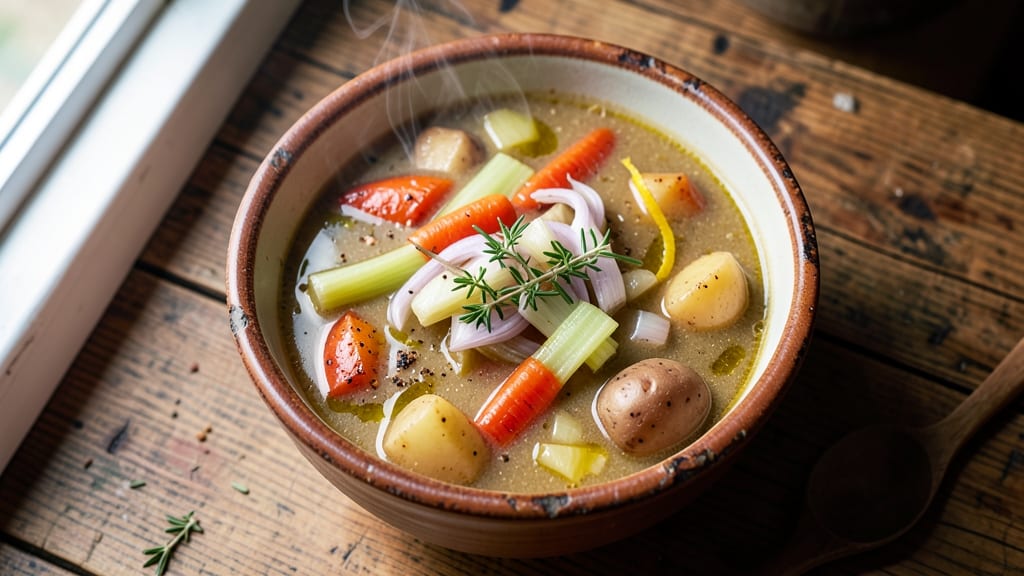
This amy's French country vegetable soup recipe transforms simple ingredients into a comforting bowl of rustic elegance—silky broth, tender vegetables, and a crisp herb crust that elevates every spoonful. This recipe captures the essence of Provence with its aromatic base of leeks, carrots, and celery, simmered until the flavors meld into a harmonious blend. The secret lies in the finishing touch: a golden crust of fresh herbs and breadcrumbs that adds texture and depth to the silky soup.
The beauty of this dish is in its simplicity and versatility. You'll start with a classic French mirepoix—sautéed onions, carrots, and celery—that forms the flavorful foundation. Potatoes and leeks round out the vegetables, while thyme and bay leaf infuse the broth with aromatic warmth.
The soup is finished with a sprinkle of goat cheese and fresh parsley, adding brightness and a touch of sophistication that makes it feel like a bistro-worthy meal.
What sets this recipe apart is the rustic herb crust—a mix of fresh parsley, chives, and breadcrumbs that creates a delightful contrast to the smooth broth. It's the perfect balance of textures and flavors, making every bite satisfying and memorable.
This soup is ideal for chilly evenings, potlucks, or whenever you crave a comforting yet elegant dish that feels both homestyle and refined.
The best part? It comes together in just 45 minutes, with minimal prep and no fancy techniques required.
Whether you're serving it to guests or treating yourself to a cozy night in, this French country vegetable soup delivers warmth, flavor, and a touch of rustic charm that’s impossible to resist.
Ingredients for amy's french country vegetable soup
Six pounds of vegetables meet aromatic herbs and a golden crust for Provence-inspired comfort.
| Ingredient | Amount | Notes |
|---|---|---|
| Yellow Onions 🧅 | 1 ½ lb | Diced, medium size preferred |
| Carrots 🥕 | 1 ½ lb | Peeled, cut into 1-inch chunks |
| Celery Stalks 🧄 | 6 whole | Trimmed, cut into 1-inch pieces |
| Russet Potatoes 🥔 | 2 lb | Peeled, cut into 1-inch cubes |
| Leeks 🧅 | 2 whole | White and light green parts only, sliced |
| Fresh Thyme 🌿 | ½ oz | Or 2 tbsp dried thyme |
| Bay Leaves 🍃 | 2 whole | Dried, standard size |
| Vegetable Broth 💧 | 6 cups | Low-sodium preferred |
| Whole Milk 🥛 | 1 cup | Full-fat for creaminess |
| Fresh Parsley 🌿 | ½ cup | Chopped, flat-leaf preferred |
| Fresh Chives 🌿 | ¼ cup | Finely chopped |
| Panko Breadcrumbs 🍞 | ½ cup | For herb crust texture |
| Extra-Virgin Olive Oil 🫒 | ½ cup | For sautéing and finishing |
| Goat Cheese 🧀 | 4 oz | Crumbled, semi-soft variety |
| Kosher Salt 🧂 | 1 ½ tsp | Diamond Crystal preferred |
| Freshly Ground Black Pepper 🌶️ | ½ tsp | Cracked peppercorns preferred |
The vegetable selection is critical for authentic French flavor. Local farmers markets often carry the best carrots and leeks—look for vibrant color and firm texture. Potatoes should be starchy varieties like Russets to hold up during simmering. For the mirepoix base, equal parts onions, carrots, and celery create the perfect aromatic foundation. Fresh thyme from Whole Foods bulk section adds depth that dried can't match, though it's a fine substitute in a pinch. The goat cheese should be semi-soft and crumbly, not too tangy—La Tour Anglaise or Murray's are excellent choices.
No fresh thyme? Dried works at one-third the quantity, but toast it lightly in a dry pan first for better flavor. Substituting chicken broth for vegetable is acceptable if vegetarian isn't required, though the depth of flavor suffers. For the herb crust, substitute pesto for goat cheese if avoiding dairy entirely. The panko should be light and dry—Trader Joe's carries excellent quality. If you can't find fresh chives, green onions work in a pinch, though they have a slightly different flavor profile. The olive oil matters here—use a fruity, extra-virgin variety for best results.
Vegetables can be prepped ahead and stored in the fridge for 3 days before cooking. The herb crust components keep 5 days in the refrigerator if stored in airtight containers. For meal prep, assemble the soup without the crust, refrigerate, then toast the crust fresh before serving. This soup freezes beautifully for up to 3 months—just reheat gently and refresh the herb crust after thawing. The crust can be made a day ahead and stored in the fridge until ready to use, though it's best when fresh.
Why You'll Love This Recipe
- Chop-Once Wonder: I swear by this trick—just dice everything once (onions, carrots, celery, potatoes) and toss them in. No measuring cups, no fuss. The leeks add depth without extra work, and the potatoes thicken the soup naturally. My lazy Sundays thank me.
- Savory French Magic: That caramelized onion base? Chef’s kiss. The leeks bring a subtle sweetness, while the celery keeps it bright—like a hug in a bowl. Add a splash of cream or crusty bread, and it’s pure comfort. I’ll take three bowls, please.
- Leftovers That Shine: This soup tastes better the next day—yes, really. Reheat with a drizzle of olive oil and fresh herbs, and it’s like a fresh pot. Pack it for lunches, freeze half, or serve it to guests who’ll think you slaved all day.
- Pantry Staple Power: Yellow onions, carrots, celery—stuff you already have. Russet potatoes round it out, and leeks (if you skip them, no one will notice) elevate it. Budget-friendly, never boring, and always satisfying. My wallet and taste buds agree.
Step-by-step instructions for rustic French country vegetable soup
Mastering this soup means balancing rich broth with vibrant vegetable flavors and that signature crispy herb crust.
Sauté the Vegetable Base
Heat the 0.5 cup extra-virgin olive oil in a large Dutch oven over medium heat. Add the 1.5 lb diced yellow onions, 1.5 lb peeled carrots, and 6 trimmed celery stalks all at once. Cook for 8-10 minutes until the onions soften and the vegetables begin to release their natural juices.
Here's the thing—you want the vegetables to develop a slight caramelization without browning. Stir occasionally and watch for that golden hue at the edges. When the mixture smells sweet and earthy, add the 2 sliced leeks (white and light green parts only) and cook for another 3-4 minutes until they soften. This foundational step builds the soup's depth of flavor through the Maillard reaction.
Build the Broth Foundation
Add the 2 whole bay leaves and 0.5 oz fresh thyme (or 2 tablespoons dried thyme) to the pot. Stir to combine, then pour in the 6 cups vegetable broth. Bring to a gentle boil, then reduce heat to medium-low and let it simmer uncovered for 15 minutes to allow the flavors to meld.
While the broth develops, peel and cube the 2 lb russet potatoes into 1-inch pieces. Add them to the simmering broth and cook for another 10-12 minutes until they begin to soften but aren't fully tender. You want them to finish cooking in the final step—this ensures they don't turn to mush.
Finish with Creamy Texture
Stir in the 1 cup whole milk and 1.5 teaspoons kosher salt. Simmer uncovered for 5-7 minutes until the potatoes are fork-tender and the soup has thickened slightly. Taste and adjust seasoning with additional salt or a pinch of 0.5 teaspoon freshly ground black pepper if needed.
Real talk: The milk adds a subtle richness that balances the vegetable flavors. If you prefer a lighter soup, you can substitute half the milk with more broth. Remove and discard the bay leaves before proceeding—they've done their job infusing flavor.
Create the Herb Crust Topping
In a small bowl, combine the 0.5 cup panko breadcrumbs, 0.5 cup chopped fresh parsley, 0.25 cup finely chopped fresh chives, and 4 ounces crumbled goat cheese. Stir gently to distribute the herbs evenly through the breadcrumbs.
This is the moment that matters: The herb crust transforms ordinary soup into something restaurant-worthy. The goat cheese adds a tangy depth while the herbs provide freshness and texture. For extra flavor, you could toast the breadcrumbs in a dry skillet for 1-2 minutes before mixing, but it's not essential.
Assemble and Serve
Ladle the hot soup into individual bowls, leaving room at the top for the topping. Sprinkle the herb mixture evenly over each serving. For the perfect finish, drizzle with a touch of the reserved olive oil and serve immediately.
Each spoonful should deliver a symphony of textures—creamy broth, tender vegetables, and that delightful crunch from the herb crust. The soup tastes even better the next day as the flavors continue to develop, but the crust is best enjoyed fresh for maximum crunch.
Pro Tips For Making Amy'S French Country Vegetable Soup
- SWEEAT THE LEEKS FIRST: I learned this the hard way—leeks pack dirt and sand between their layers, and tossing them raw into the pot just means you’re stirring up grit. Give them a quick rinse, then slice lengthwise and blanch in boiling water for 30 seconds before adding. The flavor stays bright, and your soup won’t taste like you’re eating gravel.
- CUT POTATOES UNIFORM: Russet potatoes take forever to soften if they’re chunky. For this soup, aim for 1-inch cubes—no need to be precise, but avoid anything bigger than a golf ball. If you’re impatient (like me), parboil them for 5 minutes before adding to the pot; they’ll finish cooking without falling apart.
- SALT THE WATER LIKE THE OCEAN: The broth in this soup builds flavor from the vegetables, so start with a heavily salted base. Use 2 teaspoons of salt per quart of water—yes, even if your veggies are fresh. Taste the water after 10 minutes; if it’s bland, add more. You can’t overdo it at this stage.
- SKIP THE CROWDED POT: I used to dump everything in at once, and the potatoes would turn to mush while the leeks stayed raw. Instead, cook the onions, carrots, and celery in batches—remove the first trio (onions, carrots, celery) after 10 minutes, then add the potatoes and leeks. The pot stays hotter, and the textures stay perfect.
Creative variations of these flavors
Provençal Herb Twist
Swap the goat cheese for 2 oz herbes de Provence mixed into the herb crust, then top with ¼ cup toasted pine nuts for a nutty crunch. The herbs add a complex bouquet of lavender, tarragon, and thyme that transports you straight to Provence.
I like toasting the pine nuts in a dry skillet until golden—just 2-3 minutes over medium heat—before sprinkling them on top. 🌿
Winter Root Variation
Replace half the carrots with 1 lb parsnips and add 1 small rutabaga (peeled and cubed) for a sweeter, heartier soup. The parsnips add natural sweetness while the rutabaga brings a subtle peppery bite.
Simmer the extra root vegetables for 5 minutes longer to ensure they're fully tender. This version feels especially cozy during colder months.
Spicy Kick Option
For heat lovers, stir 1 tsp smoked paprika into the sautéed vegetables and add ½ tsp cayenne pepper to the broth. Finish each bowl with a sprinkle of crumbled feta cheese and a few red pepper flakes.
The smoky paprika pairs beautifully with the earthy vegetables, while the feta adds a salty contrast that cuts through the richness. 🌶️
Creamy Dairy-Free
Skip the milk entirely and stir in ½ cup coconut milk (full-fat for creaminess) along with the broth. For extra richness, add 1 tbsp nutritional yeast which provides a cheesy flavor without dairy.
The coconut milk adds a subtle sweetness that balances the savory vegetables beautifully. This version works perfectly for vegan diets while keeping all the comforting qualities of the original.
Leftover Upgrade
Transform leftover soup into a rustic tart by spreading it in a 9-inch pie crust (store-bought or homemade) and topping with the herb crust mixture. Bake at 375°F for 15-20 minutes until the crust is golden.
This makes an impressive appetizer or light main course that's perfect for sharing. The crisp crust contrasts beautifully with the creamy soup filling.
Seasonal Greens Boost
Add 2 cups chopped kale or spinach during the final 5 minutes of cooking for a nutrient-packed spring version. The greens wilt quickly, adding vibrant color and an extra dose of vitamins.
For a more delicate flavor, use baby spinach instead of kale. This variation works especially well when you want to use up fresh greens from your garden or farmers market. 🌱
Nutrition facts
Frequently asked questions
Can I make this soup without goat cheese?
For a dairy-free version, replace the goat cheese with 2 tablespoons nutritional yeast or ¼ cup crumbled feta (if you're okay with dairy). You can also omit it entirely and just use extra herbs for flavor. The crust will still hold its texture without cheese, though it'll be slightly less rich.
How long can I store leftovers?
This soup keeps well in the refrigerator for 4-5 days in an airtight container. For best texture, reheat gently on the stove and refresh the herb crust just before serving. The soup actually tastes better the next day as flavors meld further! For longer storage, freeze for up to 3 months—just thaw overnight in the fridge.
What's the best way to reheat the soup?
Reheat on the stovetop over low-medium heat until just warmed through—about 5-7 minutes. Avoid microwaving as it can make the broth watery. For the herb crust, toast fresh in a dry skillet for 1-2 minutes until crispy. The contrast between warm soup and fresh crust is what makes it taste restaurant-quality!
Can I use frozen vegetables instead of fresh?
Yes, but with a few adjustments. Use frozen diced mixed vegetables (like carrots, celery, and potatoes) and add them directly to the simmering broth. They'll cook faster, so reduce the simmering time by 5-7 minutes. Fresh herbs and goat cheese still need to be added fresh at the end for best flavor.
Why does my herb crust turn soggy?
This usually happens if the soup is too hot when you add the crust or if the breadcrumbs aren't dry enough. Let the soup cool slightly before topping, and make sure your panko is completely dry. For extra insurance, toast the breadcrumbs in a dry pan for 1 minute before mixing with herbs. The crust should stay crisp for about 10 minutes after serving.