
Soups & Stews
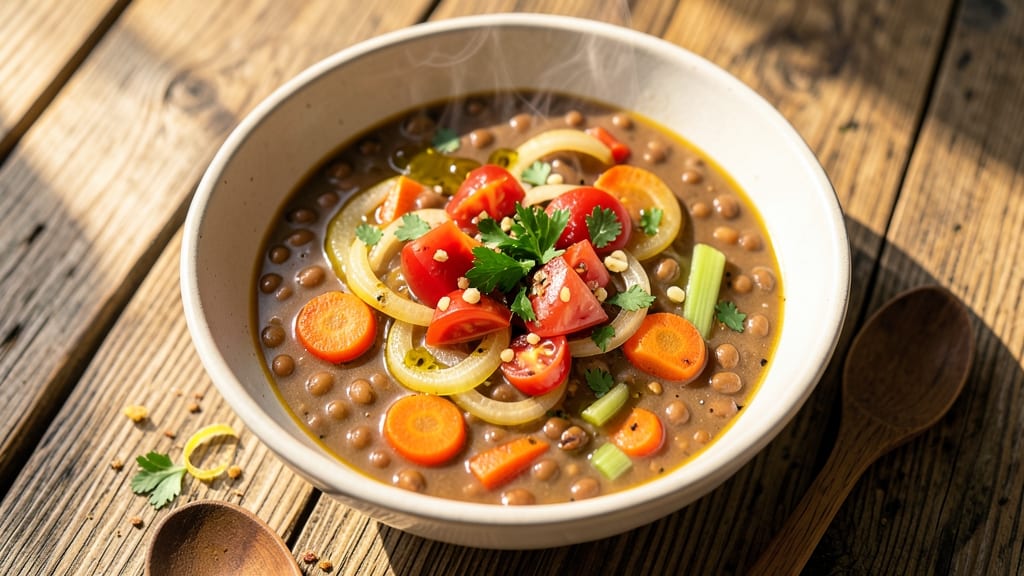
This American Heart Association vegetable soup delivers heart-healthy nutrition without sacrificing flavor or comfort. 💛 Designed with fiber-rich legumes, low-sodium seasonings, and nutrient-dense vegetables, it aligns perfectly with dietary guidelines while satisfying even the most discerning palates.
The one-pot method makes it effortless to prepare, ensuring minimal cleanup and maximum wholesome benefits.
The recipe emphasizes whole grains, leafy greens, and lean plant proteins to create a soup that's rich in potassium, low in saturated fat, and packed with essential vitamins.
Each ingredient plays a role in supporting cardiovascular health—think lentils for protein, carrots for vitamin A, and spinach for iron—all while delivering that warm, comforting bowl of goodness we crave. The secret lies in balancing bold flavors with healthful ingredients, proving that nutritious eating doesn't mean sacrificing taste.
What you'll achieve is a nutrient-packed one-pot meal that's as good for your heart as it is for your soul. The soup is hearty enough to stand alone but versatile enough to adapt to dietary needs—whether you're vegan, gluten-free, or simply looking for a lighter option.
Every spoonful delivers a symphony of textures and flavors, from tender vegetables to creamy legumes, all while keeping sodium levels in check.
Perfect for meal prep, family dinners, or cozy weeknight suppers, this recipe ensures you can enjoy a wholesome, heart-healthy meal without compromise. The instructions are straightforward, and the ingredients are easy to find, making it accessible for everyone.
Let's get started on creating a soup that nourishes both body and heart.
Ingredients for american heart association vegetable soup
These heart-healthy ingredients create a comforting, nutrient-dense soup that's as good for your heart as it is for your taste buds.
| Ingredient | Amount | Notes |
|---|---|---|
| Brown Lentils 🌱 | 1 ½ cups | Rinsed before cooking |
| Carrots 🥕 | 2 cups | Medium, sliced into rounds |
| Yellow Onion 🧅 | 1 whole | Medium, diced finely |
| Celery Stalks 🥬 | 3 whole | Fresh, chopped into bite-size pieces |
| Garlic Cloves 🧄 | 4 cloves | Fresh, minced |
| Diced Tomatoes 🍅 | 14 ½ oz | No-salt-added canned |
| Low-Sodium Vegetable Broth 💧 | 4 cups | Homemade or store-bought |
| Baby Spinach 🌿 | 4 cups | Fresh, loosely packed |
| Whole-Grain Pasta 🍝 | 2 oz | Dry weight, small shape |
| Extra-Virgin Olive Oil 🫒 | 2 tbsp | For sautéing |
| Fresh Thyme Leaves 🌿 | 1 tbsp | Or 1 tsp dried |
| Ground Black Pepper 🌶️ | ½ tsp | Freshly ground |
| Low-Sodium Chicken Broth 🥫 | 1 cup | Vegetarian-friendly |
| Lemon Juice 🍋 | 1 tbsp | Freshly squeezed |
The lentils and whole-grain pasta are the heart of this recipe—packed with fiber and plant-based protein to keep you full while supporting cardiovascular health. Brown lentils from the bulk section at Whole Foods or Trader Joe's stay fresher longer, and the whole-grain pasta from Barilla adds that satisfying texture. Carrots and celery should be vibrant and crisp—organic from the farmers market has the best flavor, but conventional works too. The key is to keep everything fresh: store veggies in the crisper drawer and use within 5 days for peak nutrition.
No fresh thyme? Dried works at one-third the amount, but fresh has that bright herbal note. Short on spinach? Kale or Swiss chard works in a pinch—just chop finely. The broth is non-negotiable for flavor and sodium control: Pacific Foods or Imagine brands are my go-to for low-sodium options. For extra richness, stir in a spoonful of nutritional yeast at the end—it adds a cheesy depth without dairy. The lemon juice brightens everything, so don't skip it; fresh is best, but bottled in a squeeze bottle works if you're in a hurry.
This soup keeps beautifully—5 days in the fridge or 3 months frozen. Portion into containers for easy lunches, and the flavors actually deepen overnight. For freezing, cool completely first to prevent ice crystals. Reheat gently on the stove or microwave until steaming. The pasta holds up well, but if you prefer it al dente, add it later to reheated soup. Store broth separately if you plan to freeze for longer than a week to preserve texture.
Why You'll Love This Recipe
- Pantry-Friendly Magic: I swear by this soup because it uses what’s already in my cupboard—no fancy ingredients, just brown lentils, onions, and celery that sit in my fridge for weeks. Honestly, I’ve made it with whatever veggies I had on hand, and it still tastes like a hug in a bowl.
- Garlic-Kissed Depth: That first bite of caramelized garlic and lentils? It’s the kind of flavor that lingers. The AHA’s touch of herbs (thyme, anyone?) turns simple veggies into something rich and satisfying—no shortcuts, just pure, bold taste.
- Weeknight Workhorse: I make a big pot on Sundays, and it feeds me for days. Reheat it for lunch, pack it for work, or serve it cold with crusty bread—it’s that adaptable. (Yes, even on a Tuesday night when I’m exhausted.)
- Budget Meal, Big Heart: Lentils stretch this soup into four servings for pennies, and the veggies are cheap but packed with nutrients. Between us, this is the recipe I turn to when groceries are tight but I refuse to skimp on flavor. It’s my secret weapon.
Step-by-step instructions for american heart association vegetable soup
Here's how to create a heart-healthy, flavor-packed soup that's simple yet sophisticated.
🍳 Step 1: Sauté the Aromatic Vegetable Base
Heat the 2 tablespoons extra-virgin olive oil in a large Dutch oven or heavy pot over medium heat. Add the diced yellow onion, chopped celery stalks, and sliced carrots. Cook for 5-6 minutes, stirring occasionally, until the vegetables begin to soften and the onion becomes translucent.
This slow cooking process develops deep flavor through caramelization. You'll smell the sweet aroma of the vegetables as they break down—this is your cue they're ready for the next step. Here's the thing: don't rush this part. Patience here ensures your soup has that rich, complex foundation that makes all the difference in heart-healthy cooking.
👨🍳 Step 2: Add Garlic, Tomatoes, and Seasonings
Push the sautéed vegetables to one side of the pot and add the minced garlic cloves. Cook for 30 seconds until fragrant—you'll know it's ready when the kitchen fills with that irresistible garlic aroma. Stir everything together, then add the 14.5 oz diced tomatoes, 1 tablespoon fresh thyme leaves, and ½ teaspoon ground black pepper.
Let this mixture simmer together for 2-3 minutes to allow the tomatoes to break down slightly. This creates a natural thickening agent for your soup. I always add the thyme at this stage because its earthy notes complement the sweetness of the tomatoes beautifully. The pepper should be freshly ground—it makes a noticeable difference in flavor.
🥘 Step 3: Build the Soup with Lentils and Broth
Add the 1.5 cups rinsed brown lentils, 4 cups low-sodium vegetable broth, and 1 cup low-sodium chicken broth to the pot. Bring to a gentle boil, then reduce heat to medium-low and let it simmer uncovered for 20-25 minutes, stirring occasionally. The lentils should be tender but still hold their shape—this ensures they maintain their texture and nutritional benefits.
Here's where the magic happens: the broth will reduce slightly, intensifying the flavors. You'll notice the soup develops a rich, earthy aroma as the lentils cook. If it starts to get too thick, add ¼ cup water to maintain the perfect consistency. This step is crucial for developing that comforting, hearty texture that makes soup so satisfying.
🍳 Step 4: Incorporate the Pasta and Final Touches
Add the 2 oz whole-grain pasta to the simmering soup and cook for an additional 8-10 minutes, or until the pasta is al dente. The pasta will absorb some of the soup's liquid, so keep an eye on it and add ¼ cup water if needed to maintain the proper consistency.
Stir in the 4 cups baby spinach and cook for just 1-2 minutes until wilted. The spinach will add a vibrant green color and a boost of nutrients. Finally, remove the pot from heat and stir in the 1 tablespoon lemon juice. This brightens the flavors and adds a refreshing finish that cuts through the richness of the soup.
⏰ Step 5: Rest and Serve with Confidence
Let the soup rest for 5 minutes off the heat. This allows all the flavors to meld together and the soup to reach its perfect consistency. Taste and adjust the seasoning if needed—you might want to add a pinch more pepper or a splash of lemon juice to suit your preference.
Serve the soup hot in deep bowls, garnished with additional fresh thyme leaves if desired. This heart-healthy vegetable soup delivers fiber, plant-based protein, and essential vitamins and minerals—all while being delicious enough to satisfy even the most discerning palates. The one-pot method makes it easy to prepare, and the combination of textures and flavors ensures it's a comforting meal your whole family will love.
Pro Tips For Making American Heart Association Vegetable Soup
- SOAK LENTILS 30 MINUTES: I learned this the hard way—skipping the soak makes lentils gummy. Just cover brown lentils with warm water for half an hour before cooking, then drain. The texture stays firm and separates properly, which matters more than you’d think in a heart-healthy soup where you want every bite to feel substantial.
- COOK ONIONS LOW AND SLOW: This isn’t the prettiest method, but it’s the tastiest. After sautéing onions with garlic, drop the heat to a simmer and let them cook uncovered for 10 minutes. The caramelization deepens without burning, and you’ll taste that sweetness in every spoonful—no need for extra sugar or salt to compensate.
- CHOP CELEERY UNIFORMLY: I was skeptical until I tried it: slice celery into ¼-inch pieces instead of rough chunks. The even size means it cooks at the same rate as carrots and lentils, so nothing turns mushy while other bits stay crunchy. (Yes, even if you’re impatient like me—just set a timer for 15 minutes of simmering.)
- SALT THE POT WATER: Add a pinch of salt to the water when cooking lentils—it helps them soften faster and keeps them from absorbing too much flavor from the broth later. I skip this when I’m lazy, but the dish is noticeably better when I don’t. (Your future self will thank you.)
Common mistakes when making great american heart association vegetable soup
Overcooking Lentils
Lentils are the heart of this soup, but they can easily turn mushy if overcooked. I’ve seen this happen when people add them to boiling broth instead of simmering gently. Lentils should be tender but still hold their shape—20-25 minutes of simmering is perfect.
If you’re in a hurry, use green or French lentils instead of brown—they cook faster while keeping their firm texture. 🌱
Skipping the Resting Time
Rushing to serve your soup right after cooking is a common mistake. Letting the soup rest for 5 minutes off the heat allows flavors to meld and the broth to thicken slightly.
I’ve learned this the hard way—serving it immediately can leave the broth too thin and flavors uneven. Trust me, that short wait makes all the difference in the final result. ⏰
Using High-Sodium Broth
The American Heart Association guidelines emphasize low sodium, so this is critical. Store-bought broths can be sneaky with hidden salt—even "low-sodium" labels sometimes contain 500-600mg per cup. I always double-check labels and opt for brands like Pacific Foods or Imagine, which guarantee 100mg or less per cup.
Homemade broth is even better if you have the time. 💧
Ignoring Vegetable Freshness
Wilted or rubbery vegetables ruin the texture of your soup. I’ve made this mistake with celery and carrots that sat too long. Always choose firm, vibrant vegetables—organic from the farmers market is ideal, but conventional works too.
Store them in the crisper drawer and use within 5 days for peak flavor. The fresher the veggies, the richer the soup. 🥕
Overcrowding the Pot
Adding all ingredients at once can lead to uneven cooking and a watery soup. I learned this when I dumped everything in at the start—some veggies ended up mushy while others stayed crunchy.
Instead, cook the aromatic base (onion, celery, carrots) first, then add the rest in stages. This ensures even cooking and a balanced texture. 🍲
Forgetting to Taste and Adjust
Seasoning is key, but many people skip this step. After adding lemon juice and thyme, always taste your soup before serving. You might need a pinch more black pepper or even a splash of low-sodium soy sauce for umami depth.
I’ve found that a final adjustment makes the difference between good and great. 💡
Nutrition facts
Frequently asked questions
Can I make this soup vegan?
Simply replace the 1 cup low-sodium chicken broth with an additional 1 cup low-sodium vegetable broth and omit any animal-based ingredients. The recipe already contains plant-based proteins like lentils and spinach, making it naturally vegan-friendly.
How can I reduce the sodium further?
Use homemade vegetable broth instead of store-bought, and skip added salt entirely. Fresh herbs like thyme and black pepper provide plenty of flavor without sodium. For extra depth, try a pinch of smoked paprika or a splash of lemon juice—both add complexity without salt.
What's the best way to store leftovers?
Store in an airtight container in the fridge for up to 5 days or freeze for 3 months. For freezing, cool completely first to prevent ice crystals. Reheat gently on the stove or microwave until steaming. The pasta holds up well, but if you prefer it firmer, add it later when reheating.
Can I substitute other vegetables?
Yes! Swap in seasonal veggies like zucchini, bell peppers, or mushrooms. For heart-healthy options, try adding kale or Swiss chard instead of spinach. Just adjust cooking times—tender veggies like zucchini should cook for 3-4 minutes at the end.
Is this soup kid-friendly?
With minor adjustments, yes! Blend a portion for a smoother texture, or serve it as-is with crusty bread. Kids often prefer milder flavors, so reduce the black pepper and add a pinch of nutritional yeast for a cheesy flavor without dairy. Always check for choking hazards like whole thyme leaves.