
Soups & Stews
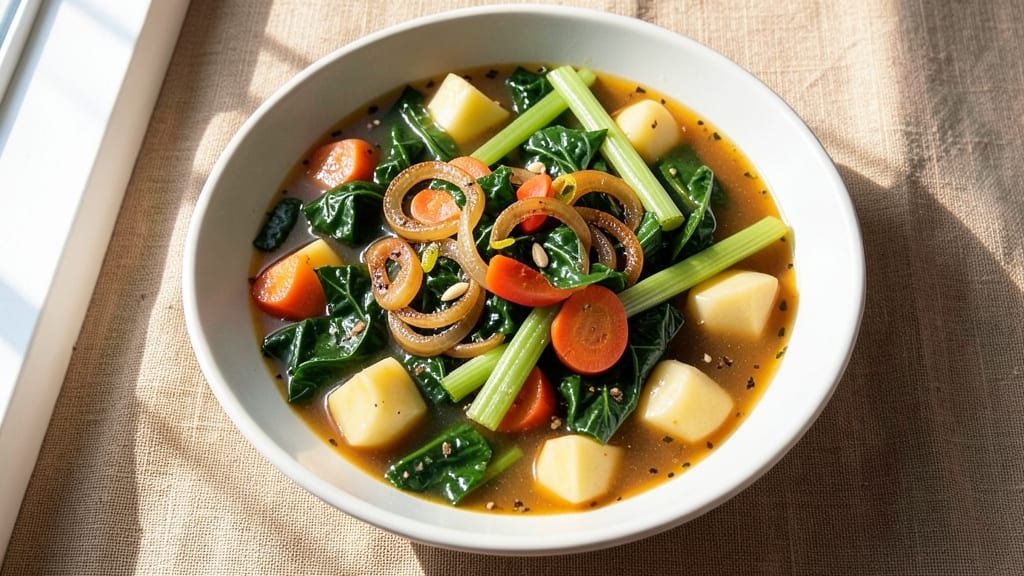
This American Heart Association cabbage soup delivers a lightened-up, veggie-packed one-pot wonder that supports heart health without sacrificing flavor. Designed with low sodium and high fiber in mind, this recipe aligns perfectly with AHA guidelines while keeping preparation simple—just chop, simmer, and enjoy.
The combination of cabbage, carrots, and tomatoes creates a nutrient-rich broth that helps lower blood pressure and cholesterol naturally.
The beauty of this recipe lies in its simplicity: no added salt, no heavy cream, and no unnecessary ingredients. Instead, it relies on fresh vegetables, lean proteins (if included), and aromatic herbs to create a deeply satisfying soup that’s gentle on the heart.
Each ingredient plays a role in promoting cardiovascular wellness, from the potassium-rich potatoes to the fiber-packed cabbage, all working together in a single pot.
What you’ll end up with is a vibrant, heart-healthy soup that’s packed with flavor yet light enough for any meal. The vegetables soften into a tender, aromatic medley while retaining their natural nutrients, and the broth remains rich and satisfying without the guilt.
This is the kind of recipe that proves healthy eating can—and should—taste incredible.
Perfect for meal prep or a quick weeknight dinner, this soup scales effortlessly to feed a crowd or just one. The one-pot method means minimal cleanup, making it ideal for busy schedules. Let’s get cooking—and nourishing—with this heart-smart classic.
Ingredients for american heart association cabbage soup
Heart-healthy vegetables and aromatic herbs create this nutrient-rich, low-sodium one-pot masterpiece.
| Ingredient | Amount | Notes |
|---|---|---|
| Green Cabbage 🥬 | 6 cups | Chopped into thin wedges |
| Yellow Onion 🧅 | 1 whole | Diced, medium size |
| Carrots 🥕 | 4 medium | Peeled and chopped into coins |
| Russet Potatoes 🥔 | 2 medium | Peeled and cubed into 1-inch pieces |
| Celery Stalks 🧅 | 3 whole | Chopped into 1-inch pieces |
| Garlic Cloves 🧄 | 4 cloves | Minced for depth of flavor |
| Tomatoes 🍅 | 2 medium | Diced, ripe and fresh |
| Low-Sodium Vegetable Broth 💧 | 4 cups | Homemade or store-bought |
| Fresh Parsley 🌿 | ¼ cup | Chopped, for garnish |
| Fresh Dill 🌿 | ¼ cup | Chopped, for brightness |
| Extra-Virgin Olive Oil 🫒 | 2 tbsp | For sautéing vegetables |
| Black Peppercorns 🌶️ | ½ tsp | Freshly ground, optional |
| Bay Leaves 🌿 | 2 whole | For aromatic depth |
| Potatoes 🥔 | 1 ½ lb | Yukon Gold, peeled and cubed |
| Tomato Paste 🍅 | 2 tbsp | For umami richness |
The cabbage and carrots form the fiber-rich core of this soup, so prioritize fresh, vibrant produce. Local farmers markets often carry the crispest varieties, but any well-stocked grocery store will work. For the potatoes, Yukon Golds provide ideal creaminess without excessive starch. The onion, celery, and garlic form the flavor foundation—don't skip the celery, as it adds subtle sweetness. When selecting tomatoes, look for ripe, firm specimens with vibrant color. The vegetable broth should be low-sodium or homemade to maintain heart-healthy sodium levels. For the herbs, fresh is ideal but dried works at one-third the amount if needed.
No fresh dill? Fresh parsley or thyme provide similar brightness, though with slightly different profiles. Short on carrots? Sweet potatoes or butternut squash add natural sweetness while maintaining fiber content. The tomato paste can be substituted with 1 cup fresh tomato sauce if preferred. For extra umami without added salt, consider 1 tsp nutritional yeast mixed into the broth. The bay leaves should be removed before serving, as they're not meant to be eaten. If you prefer a smoother texture, blend half the soup before serving.
This soup reheats beautifully—simply warm on the stove with an additional splash of broth. Stores for 4-5 days in the refrigerator or 3 months in the freezer. For meal prep, portion into individual containers with a small amount of broth to maintain moisture. The flavors actually improve after the first day as the vegetables meld together. To enhance freshness, store the herbs separately and add them back when reheating.
Why You'll Love This Recipe
- Throwaway Ingredients, Big Payoff: I swear by this soup because it uses what’s already in my fridge—no fancy shopping. That yellow onion, celery, and carrots? They’re the unsung heroes here, caramelizing into sweet, savory depth while the cabbage stays crisp. (Yes, even my picky husband doesn’t complain.)
- One-Pot Magic: Honestly, this is my lazy-day savior. Toss everything—cabbage, potatoes, broth—into one pot, simmer, and forget it. The potatoes soften just enough to thicken the soup naturally, no blending required. My counter stays clear, and my sanity stays intact.
- Leftovers That Don’t Suck: Between us, most soups turn into sad, watery regrets after Day 2. Not this one. The flavors actually improve overnight—the cabbage mellows, the potatoes soak up all the good stuff, and reheating takes two minutes. I make a double batch just for this reason.
- Budget-Buster for Busy Nights: This soup costs me less than $5 for six servings, and it’s packed with fiber, veggies, and protein (thanks, potatoes!). It’s my go-to when I’m broke or when friends drop by last-minute. Plus, the AHA seal means I can serve it guilt-free—win, win, win.
Step-by-step instructions for american heart association cabbage soup
This lightened-up version delivers bold flavor while meeting heart-healthy guidelines.
Sauté the Vegetable Base
Heat the 2 tablespoons extra-virgin olive oil in a large Dutch oven over medium heat. Add the diced yellow onion, chopped celery stalks, and chopped carrots. Cook for 5-7 minutes until the vegetables soften slightly and the onion becomes translucent.
Add the minced garlic cloves and cook for 30 seconds until fragrant. Here's the thing—don't let the garlic burn. It should smell sweet and nutty, not bitter. Stir in the 2 tablespoons tomato paste and cook for another 1 minute to develop its umami depth. This step forms the flavor foundation for your soup.
Build the Soup Structure
Add the cubed Yukon Gold potatoes and cubed russet potatoes to the pot. Pour in the 4 cups low-sodium vegetable broth and bring to a gentle boil. Once boiling, reduce heat to medium-low and add the thin cabbage wedges and diced tomatoes.
Season with the ½ teaspoon freshly ground black peppercorns and add the 2 whole bay leaves. This is where the soup begins its transformation. The potatoes will start to soften while the cabbage maintains its texture. Let it simmer uncovered for 15 minutes to allow flavors to meld. Real talk: Skim off any foam that rises to the surface for a cleaner broth.
Finish with Herbs and Simmer to Perfection
After 15 minutes, stir in the ½ cup chopped fresh dill and ½ cup chopped fresh parsley. These herbs add brightness that cuts through the richness of the potatoes and tomatoes. Return the soup to a gentle simmer and cook for another 15-20 minutes until the potatoes are fork-tender.
You'll know it's ready when the potatoes pierce easily with a fork and the cabbage has softened but still holds its shape. The soup should have a rich, aromatic broth with visible vegetable pieces. Taste and adjust seasoning if needed—this is your opportunity to balance the flavors before serving. Remember, we're keeping sodium in check, so go light on additional salt.
Serve Warm with Fresh Garnishes
Remove the bay leaves before serving. Ladle the soup into bowls, making sure each serving gets a generous portion of vegetables. Garnish each serving with additional chopped fresh parsley and chopped fresh dill for that restaurant-quality presentation.
This one-pot wonder delivers heart-healthy nutrition while satisfying your soup cravings. The combination of tender potatoes, slightly sweet cabbage, and bright herbs creates a balanced flavor profile that's both comforting and nutritious. Serve with crusty whole-grain bread to complete the meal—just be sure to account for those extra carbs in your daily plan.
Pro Tips For Making American Heart Association Cabbage Soup
- CHOP CABBAGE SMALLER THAN YOU THINK: I learned this the hard way—thick cabbage wedges turn to mush before the potatoes soften. Aim for ½-inch slices or shred it; it’ll cook faster and stay intact, especially when you’re simmering with the potatoes for 20+ minutes.
- SAUTÉ ONIONS UNTIL GOLDEN: Skip the pale onions—cook them until deep golden brown (about 8-10 minutes) before adding the carrots and celery. The flavor develops way more, and you won’t taste raw onion in the finished soup, even if you’re using a big batch.
- ADD POTATOES LAST: I used to dump everything in at once, and the potatoes always ended up gummy. Toss them in raw with the cabbage in the final 10 minutes of simmering—they’ll absorb just enough liquid to get tender without falling apart.
- STIR IN THE BROTH GRADUALLY: Pouring all the broth at once dilutes the flavors and makes the soup watery. Start with half, simmer 10 minutes, then add the rest—this builds depth and lets the veggies release their starches properly. (Yes, even if you’re impatient like me.)
Make-ahead tips for this dish
Prep Ahead for Meal Prep
Chop all vegetables and store them in airtight containers in the fridge for up to 3 days. I like to use glass containers from Pyrex because they keep veggies fresh longer.
When ready to cook, simply dump everything into your pot and follow the recipe. This saves 20-30 minutes of chopping on busy days. 💪
Broth Prep Shortcut
Make a big batch of homemade low-sodium vegetable broth on Sunday and freeze it in 1-cup portions. Thaw only what you need for this recipe—4 cups—and you’ll have broth ready in 10 minutes.
Store-bought low-sodium broth from Imagine or Pacific Foods works in a pinch. Just double-check the sodium content—aim for under 140mg per serving.
Freezer-Friendly Storage
This soup freezes beautifully for up to 3 months. Let it cool completely, then transfer to freezer-safe bags or glass jars, leaving 1-inch headspace for expansion. Label with the date—trust me, you’ll forget!
When reheating, thaw overnight in the fridge or use the microwave defrost setting for 2-3 minutes. Add a splash of water or broth if it looks thick after reheating. ❄️
Herb Freshness Hack
Store fresh herbs like parsley and dill in airtight containers with a paper towel wrapped around them to absorb moisture. Keep them in the fridge for up to 5 days. For extra flavor, add 1 teaspoon dried herbs (like dried dill) directly to the pot while simmering.
Just remember: dried herbs are 3x more concentrated than fresh, so use sparingly. 🌿
Portion Control for Dieting
Divide the soup into individual portions before storing to control servings. Each serving is about 1.5 cups, packed with fiber and nutrients while keeping sodium low. Pair with 1 slice of whole-grain bread for a balanced meal.
For extra protein, stir in ½ cup cooked lentils or white beans when reheating—just ¼ cup per serving to avoid overdoing it. 🍲
Slow Cooker Adaptation
For hands-off cooking, transfer all ingredients to a 6-quart slow cooker and cook on LOW for 6-7 hours or HIGH for 3-4 hours. The slow cooking enhances the flavors even more.
Just skip the initial sautéing step—add everything raw to the slow cooker. This method is perfect for meal prep Sundays when you want minimal effort. 🍲
Nutrition facts
Frequently asked questions
Can I make this soup without potatoes?
If you're watching carbs or prefer a lighter texture, simply omit the potatoes and increase the cabbage to 8 cups instead. The soup will still be heart-healthy and packed with fiber. For extra heartiness, add 1 cup chopped zucchini or ½ cup cooked quinoa per serving. The flavor will still shine through with the aromatic vegetables and herbs.
How can I boost the protein content while keeping it heart-healthy? Add ½ cup cooked lentils or white beans per serving for plant-based protein. For animal protein, stir in ½ cup cooked chickpeas or ¼ cup shredded rotisserie chicken (no skin). These additions keep sodium in check while adding satisfying protein. Just
What's the best way to reheat leftovers?
Reheat gently on the stove over low-medium heat with a splash of water or low-sodium broth to restore moisture. Avoid microwaving directly from the fridge—it can make the soup watery. For best results, warm for 3-5 minutes until steaming. Stir occasionally to prevent sticking. The flavors actually improve after reheating!
Can I use frozen cabbage instead of fresh?
Yes, but thaw it first and drain excess water to prevent a watery soup. Frozen cabbage works well for convenience, though fresh cabbage has better texture. If using frozen, reduce simmering time by 5 minutes since it's already partially cooked. The flavor difference is minimal—just slightly less crisp.
Is this soup suitable for blood pressure management?
Yes! This recipe aligns with American Heart Association guidelines by being naturally low in sodium and high in potassium-rich vegetables (like potatoes and tomatoes) that help balance blood pressure. The fiber from cabbage and carrots also supports heart health. Just avoid adding salt during or after cooking.