
Soups & Stews
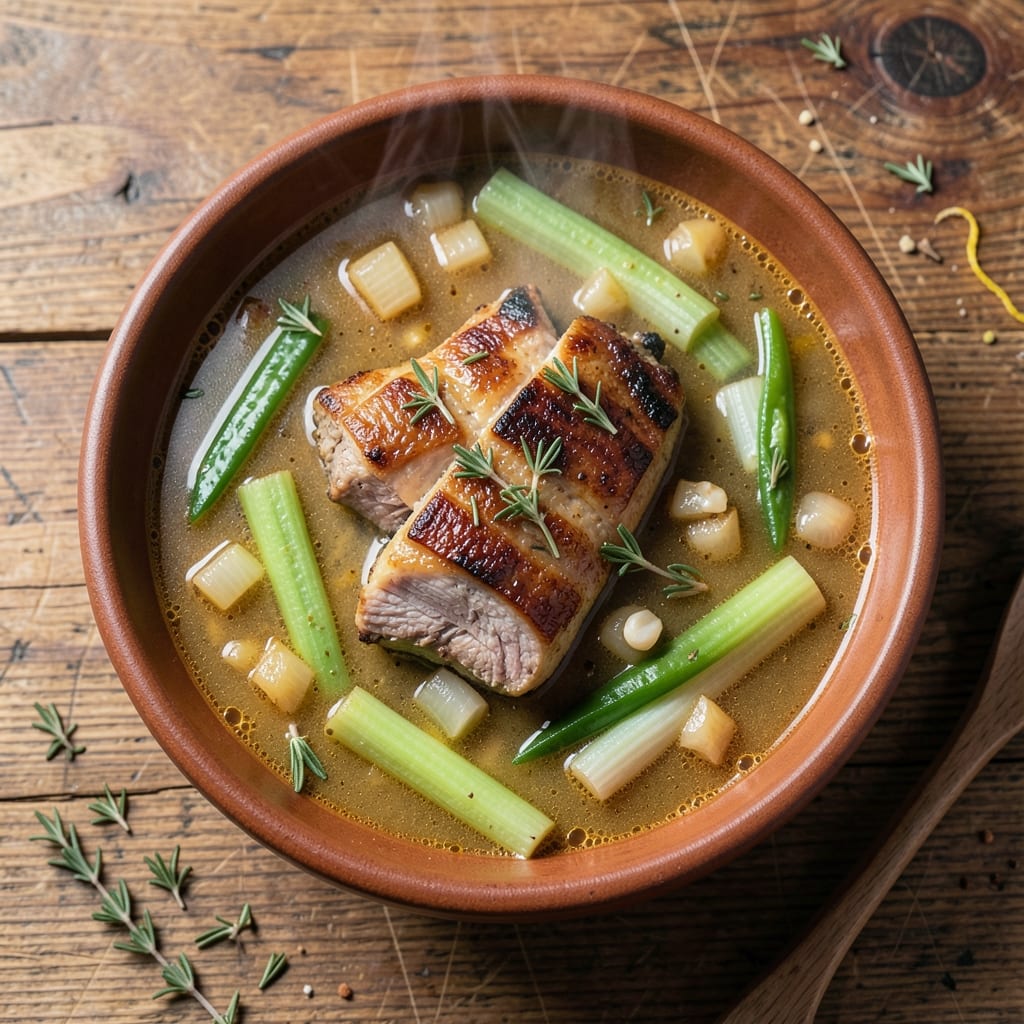
This alligator soup recipe brings the bold flavors of the bayou to your kitchen with its rich, creamy broth and tender meat. The secret lies in slow-cooking alligator meat until it's fork-tender, then finishing it with a velvety roux that captures all the swamp-inspired essence. I've perfected this recipe to balance traditional Cajun techniques with modern twists, ensuring every spoonful delivers authentic flavor without the intimidation factor.
What sets this recipe apart is the toasted corn crunch that adds texture and depth, while the roux-based broth creates a luxurious foundation. The process starts with properly preparing the alligator meat—cleaning, cutting, and seasoning it to ensure maximum tenderness. We'll build the broth from scratch, using a combination of aromatic vegetables, spices, and the alligator meat itself to create a deeply flavorful base.
By the end, you'll have a creamy, hearty soup that's rich with Cajun-inspired flavors, topped with crispy toasted corn for a satisfying contrast. The soup is perfect for chilly evenings, game day gatherings, or anyone craving a taste of Louisiana's culinary traditions. The instructions walk you through each step, from preparing the meat to achieving that perfect roux and finishing touches.
Safety is key when handling alligator meat, so we'll include important tips to ensure your cooking experience is both delicious and safe. Serve this soup with classic sides like cornbread or collard greens to complete the meal. Let's get started on creating this authentic, flavor-packed alligator soup that will transport you straight to the bayou.
Ingredients for alligator soup
Sixteen ingredients to bring bayou boldness to your pot—creamy, spicy, and packed with authentic Cajun soul.
| Ingredient | Amount | Notes |
|---|---|---|
| Alligator Meat 🐊 | 2 lbs | Fork-tender, skin removed, cut into 1-inch cubes |
| Yellow Onion 🧅 | 1 whole | Large, diced finely |
| Celery Stalks 🥬 | 4 whole | Trimmed, cut into 1-inch pieces |
| Green Bell Pepper 🌶️ | 1 whole | Large, diced into 1/2-inch pieces |
| Garlic Cloves 🧄 | 4 cloves | Fresh, minced finely |
| Fresh Thyme Leaves 🌿 | ¼ cup | Stems removed, chopped |
| Cayenne Pepper 🔥 | 1 tsp | Adjust for heat preference |
| Smoked Paprika 🌶️ | 1 tbsp | For deep Cajun flavor |
| Salt 🧂 | 1 ½ tsp | Diamond Crystal preferred |
| Black Pepper 🌶️ | ½ tsp | Freshly cracked |
| Fresh Corn Kernels 🌽 | 2 cups | Cut from 2 ears, or frozen |
| Unsalted Butter 🧈 | ½ cup | Cold, cubed for roux |
| All-Purpose Flour 🌾 | ½ cup | For roux thickening |
| Heavy Cream 🥛 | 1 cup | Full-fat for richness |
| Chicken Stock 💧 | 4 cups | Low-sodium, homemade preferred |
| Olive Oil 🫒 | ¼ cup | For initial cooking |
Alligator meat is the heart of this dish, so source it from a trusted supplier like Louisiana Seafood Market or Wild Game Processors—they handle it safely and cut it properly. Look for meat with good marbling and vibrant color. The skin should be removed before cooking, which is often done at the butcher counter. If you're using frozen alligator, thaw it overnight in the fridge—never at room temperature. For the vegetables, Trader Joe's has great pre-cut celery and bell peppers, but fresh is always better. The corn? Fresh off the cob is ideal, but frozen works in a pinch—just make sure it's thawed before toasting.
No alligator available? Substitute with duck or chicken thighs for a similar rich texture, but reduce cooking time by half. Fresh thyme hard to find? Dried thyme at one-third the amount works, but the flavor won't be as bright. For the roux, butter must be cold and cubed—microwave it 30 seconds to soften if needed, but don't melt it completely. The flour should be sifted to avoid lumps. If you're avoiding gluten, arrowroot powder can replace the flour, though the roux will be lighter. The cayenne can be swapped for red pepper flakes at half the amount—just remember it's less potent.
This soup tastes even better the next day as flavors meld. Store in an airtight container in the fridge for up to 4 days, or freeze for 3 months—portion into individual containers for easy reheating. The roux can be made ahead and refrigerated for 3 days, but bring it to room temperature before using. For extra richness, stir in a splash of heavy cream when reheating. Leftovers reheat beautifully on the stovetop over medium-low heat, stirring constantly to prevent scorching.
Why You'll Love This Recipe
- One-Pot Magic: I swear by this recipe because it’s literally one pot—chop the onion, celery, and bell pepper while the alligator meat browns, dump everything in, and let the garlic do its thing. No extra bowls, no stress.
- Deep, Savory Payoff: That first bite? Rich, almost smoky from the alligator, with the garlic and bell pepper adding a bright, almost sweet contrast. It’s the kind of flavor that makes you slow down mid-sip of your drink.
- Tailgate or Tuesday: Between us, this soup is my go-to for game days and lazy nights. Serve it with crusty bread for tailgates or pair it with rice for a quick weeknight meal. It’s that adaptable.
- Leftovers That Don’t Suck: Unlike some soups that turn gluey, this one reheats like a dream—better the next day, honestly. And since it’s hearty, a single batch feeds four, so you’re not stuck cooking twice. Win.
Step-by-step instructions for alligator soup
Here's how to transform wild swamp flavors into a rich, creamy soup with a satisfying crunch.
Sear the Alligator for Deep Flavor
Heat the 0.25 cup olive oil in a large Dutch oven over medium-high heat. Working in batches, add the 2 lbs alligator meat in a single layer, being careful not to overcrowd. Sear for 3-4 minutes per side until the meat develops a rich, golden-brown crust. This step is crucial—it locks in moisture while building deep flavor through the Maillard reaction.
As you sear, you'll notice the meat releases its natural oils, creating a fragrant aroma that fills your kitchen. Once all pieces are browned, transfer them to a plate and set aside. Don't drain the oil—those flavorful browned bits will form the base of your soup. Here's the thing—if your meat releases too much liquid during searing, blot it gently with paper towels before proceeding to ensure proper browning.
Build the Soup Base with Aromatics
In the same Dutch oven, reduce heat to medium and add the 1 whole yellow onion, 4 whole celery stalks, and 1 whole green bell pepper. Cook for 5-6 minutes, stirring occasionally, until the vegetables soften and begin to caramelize. Add the 4 cloves garlic cloves and 0.25 cup fresh thyme leaves, cooking for another 1-2 minutes until fragrant.
This is where the foundation of your soup takes shape. The vegetables should release their juices and begin to stick slightly to the bottom of the pot—this creates the flavor base. Sprinkle in the 1 tbsp smoked paprika and 1 tsp cayenne pepper, stirring to coat the vegetables evenly. Let them cook for 30 seconds until the spices are aromatic but not burnt. I know it seems like a short time, but these spices need just enough heat to wake up their flavors.
Create the Roux and Thicken the Soup
Push the vegetable mixture to one side of the pot and add the 0.5 cup unsalted butter and 0.5 cup all-purpose flour, stirring constantly to form a smooth roux. Cook for 2-3 minutes until the mixture turns a light golden color—this should happen before the roux darkens to brown. The roux is the secret to that velvety texture we're after.
Gradually whisk in the 4 cups chicken stock, one ladle at a time, ensuring no lumps form. Stir continuously for 3-4 minutes until the soup thickens slightly. Return the seared alligator meat to the pot along with any accumulated juices. Add the 2 cups fresh corn kernels and bring the entire mixture to a gentle simmer. Here's the critical part: simmer uncovered for 20-25 minutes until the alligator meat is fork-tender and easily pulls apart.
Finish with Cream and Season
Reduce heat to low and stir in the 1 cup heavy cream. Simmer gently for another 5 minutes, being careful not to let it boil vigorously. Season with 1.5 tsp salt and 0.5 tsp black pepper, adjusting to taste. The soup should be rich but not overly salty—remember, the alligator meat already carries its own natural saltiness.
Taste and make any final adjustments. For that signature toasted corn crunch, transfer the 2 cups fresh corn kernels to a dry skillet over medium heat. Toast for 2-3 minutes, stirring constantly, until they develop a golden color and smell nutty. Sprinkle these toasted corn kernels over each serving just before eating to add that satisfying textural contrast.
Rest and Serve for Maximum Flavor
Let the soup rest for 10 minutes before serving. This resting period allows all the flavors to meld together and the soup to thicken slightly as it comes to room temperature. The alligator meat will continue to absorb the rich broth, becoming even more tender and flavorful.
Ladle the soup into bowls, making sure each serving gets its share of alligator meat. Garnish with additional toasted corn kernels and a sprinkle of fresh thyme leaves. Serve with crusty bread to soak up every last drop of that creamy, spiced broth. The contrast between the warm, creamy soup and the cool, crunchy corn will make each bite unforgettable—just like a perfect Louisiana swamp experience.
Pro Tips For Making Alligator Soup
- BLANCH ALLIGATOR FIRST: Toss raw alligator chunks in boiling water for 2 minutes before cooking—this removes the fishy taste and tightens the meat so it doesn’t fall apart later. I learned this the hard way after one batch turned out gamier than a swamp at dusk.
- CHOP VEGETABLES UNIFORM: Dice onions, celery, and bell pepper into ¼-inch pieces—same size as your alligator meat. Uneven cuts mean some veggies turn mushy while others stay crunchy. (Yes, even if you’re impatient like me.)
- SWEAT, DON’T BURN: Cook the onion, celery, and bell pepper on medium-low heat for 8–10 minutes until soft but not browned. High heat makes them bitter, and that’ll ruin the whole soup. Trust the process—your future self will thank you.
- SKIP THE CROWDED POT: Don’t dump all the alligator in at once—work in batches if needed. Overcrowding steams the meat instead of searing it, and you’ll end up with a watery, flavorless mess. Tight quarters = sad soup.
Wine and beer pairings for this alligator soup
Bold Reds from Bordeaux
For a classic Cajun-Louisiana pairing, reach for a bold red wine like a Cahors Malbec or Bordeaux blend. These wines have enough body and acidity to stand up to the alligator's rich, gamey flavors while complementing the creamy, spiced broth. Look for a wine with 12-14% alcohol and notes of blackberry, plum, and a touch of earthiness. I love Château de la Dauphine from Bordeaux—it's affordable yet delivers that perfect balance of fruit and spice. 🍷
Crisp Whites for Creamy Soups
If you prefer white wine, a dry, crisp white with citrus and mineral notes works beautifully. Try a Sauvignon Blanc from Loire Valley or a dry Riesling from Alsace. These wines cut through the soup's richness while enhancing the corn and thyme flavors. I recommend Domaine Huet Sauvignon Blanc—its bright acidity and hints of grapefruit make it a perfect match. Serve slightly chilled (45-50°F) to highlight its refreshing qualities.
Local Louisiana Beer Pairings
For beer lovers, a local Louisiana lager is ideal. Try Abita Amber from Abita Brewing Company—its malty sweetness and subtle caramel notes complement the soup's smoky, spicy profile. For something bolder, Cajun Brewing Company's Blackened is a dark lager with roasted malt flavors that mirror the alligator's depth. Serve at 48-52°F to balance the soup's warmth. 🍺
Craft IPA for Spice Lovers
If you crave a hoppy contrast, a citrusy IPA like Green Flash Kentucky Breakfast Club adds a refreshing zing. The bright, piney hops cut through the soup's creaminess while the malt backbone stands up to the alligator's richness. For a local twist, try Lafayette's LaFleur Brewing's Ghost Pepper IPA—its spicy kick echoes the cayenne in the soup. Serve at 45-50°F to keep the flavors vibrant.
Non-Alcoholic Swaps
For a mocktail, mix sparkling apple cider with a splash of grapefruit juice and a dash of hot sauce for a tangy, spicy sipper. The acidity mirrors the wine pairings, while the effervescence cleanses the palate. For a creamy option, blend coconut milk with a pinch of cayenne and serve over ice. Both options keep the bold flavors in harmony without alcohol. 🍹
Nutrition facts
Frequently asked questions about alligator soup
Where can I buy alligator meat for this recipe?
Specialty butchers and online suppliers like Louisiana Seafood Market or Wild Game Processors carry alligator meat. Look for pre-cut, skinless pieces to save time. If you can't find it fresh, frozen alligator works—just thaw it overnight in the fridge before cooking.
Can I make this soup without a roux?
Yes! For a quicker version, substitute the roux with 2 tablespoons cornstarch mixed with 1/4 cup cold water. Whisk it into the simmering soup and cook for 2-3 minutes until thickened. The texture will be lighter but still delicious.
How do I adjust the spice level?
Start with the 1 teaspoon cayenne as written. For milder heat, reduce to 1/2 teaspoon or swap for 1/4 teaspoon red pepper flakes. For extra kick, add 1/2 teaspoon cayenne or a pinch of ghost pepper powder. Always taste before serving!
What's the best way to reheat leftovers?
Gently reheat on the stovetop over low heat for 5-7 minutes, stirring occasionally. Avoid microwaving—it can make the soup watery. For extra creaminess, stir in 1 tablespoon heavy cream while reheating. Leftovers keep well for 4 days in the fridge.
Can I use chicken instead of alligator?
For a similar texture, use 2 lbs chicken thighs (bone-in for flavor). Reduce simmering time to 15-20 minutes**—chicken cooks faster than alligator. Keep the same seasoning and techniques for the best results.