
Soups & Stews
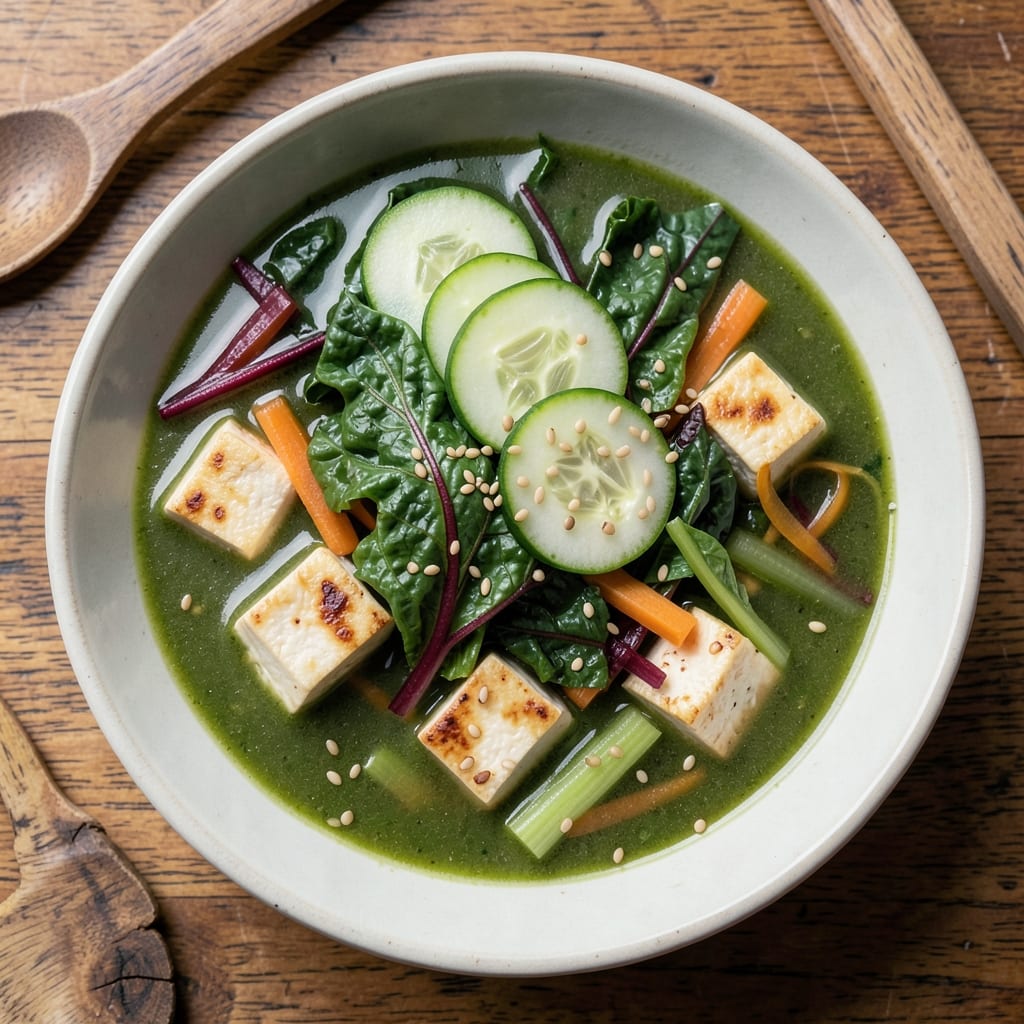
This alkaline vegetable soup transforms gut-healing greens into a nutrient-dense elixir that gently balances pH levels while nourishing your body. The secret lies in mineral-rich vegetables like kale, celery, and cucumber—nature’s way of replenishing electrolytes and alkalizing your system. I developed this recipe after years of studying how simple, whole-food ingredients can restore balance without harsh additives.
The foundation is a light broth infused with fresh herbs and a touch of baking soda (just ¼ teaspoon) to gently elevate alkalinity—never overpowering, just supportive. What sets this apart is the strategic combination of leafy greens, cruciferous vegetables, and citrus (lemon juice), which work together to create a soup that’s both restorative and deeply satisfying. The result? A vibrant, mineral-rich bowl that tastes as good as it makes you feel.
What makes this recipe truly special is its versatility—it’s perfect for meal prep, post-workout recovery, or simply as a daily habit to support long-term health. The flavors are bright yet comforting, with a subtle tang from lemon and a creamy texture from blended greens that coats every spoonful. Each ingredient plays a role in balancing your body’s pH while delivering antioxidants, fiber, and hydration.
Ready in under 45 minutes, this soup is designed for simplicity without sacrificing depth. Whether you’re looking to reset your digestive system, boost energy, or simply enjoy a nourishing bowl of vegetables, this recipe delivers. Let’s get started with ingredients that work as hard as you do.
Ingredients for alkaline vegetable soup
Simple, mineral-rich ingredients that work together to balance pH and nourish your body.
| Ingredient | Amount | Notes |
|---|---|---|
| Extra-Firm Tofu 🥜 | 1 lb | Pressed and cubed for texture |
| Fresh Kale 🌿 | 4 cups | Chopped, stems removed |
| Celery Stalks 🧅 | 4 whole | Chopped, leafy greens included |
| Carrots 🥕 | 3 medium | OR 1 cup chopped |
| Cucumber 🥒 | 1 whole | Peeled, seeded, chopped |
| Fresh Ginger Root 🌿 | 1 inch | OR 1 tbsp grated |
| Lemon Juice 🍋 | 2 tbsp | Freshly squeezed |
| Baking Soda 🧂 | ¼ tsp | For alkalinity boost |
| Fresh Parsley 🌿 | ¼ cup | Chopped, for freshness |
| Fresh Cilantro 🌿 | ¼ cup | Chopped, optional |
| Vegetable Broth 💧 | 6 cups | Low-sodium preferred |
| Extra-Virgin Olive Oil 🫒 | 2 tbsp | For richness |
| Sea Salt 🧂 | 1 tsp | Diamond Crystal preferred |
| Black Peppercorns 🌶️ | ½ tsp | Freshly cracked |
The kale and celery are your alkalinity powerhouses—look for deep green, crisp leaves at the store, not wilted or yellowing. Whole Foods and local farmers markets have the freshest cuts, but any grocery store's organic section works. Fresh ginger is a must for that zesty kick—Trader Joe's sells pre-peeled roots that save time. For the tofu, press it for at least 20 minutes to remove excess water; this makes all the difference in texture. The cucumber should be firm with no soft spots—organic is ideal if you're concerned about pesticides.
No fresh parsley? Cilantro or basil work just as well for that bright finish. Short on celery? Extra fennel or green onions add similar crunch. The baking soda is key for alkalinity—just a quarter teaspoon, so don't worry about overdoing it. For the broth, low-sodium vegetable broth keeps the soup from tasting flat. Swap the tofu for white beans or lentils if you prefer legumes—just add them at the end to avoid mushiness. The lemon juice can be bottled in a pinch, but fresh is always better for that bright tang.
This soup keeps beautifully—3-4 days in the fridge or 3 months frozen. I always double the batch and portion it into containers for easy lunches. The flavors actually improve overnight as everything melds together. For freezing, leave out the fresh herbs and add them back when reheating. Store in glass jars to avoid absorbing odors from plastic. The baking soda's alkalizing effects last longer when the soup is refrigerated, so it's perfect for meal prep.
Why You'll Love This Recipe
- No Chopping Chaos: I swear by this recipe because it’s the only soup where I can skip the knife for half the veggies. Toss in whole celery stalks and carrot chunks—they soften beautifully, and you still get that satisfying crunch from the cucumber slices. (Yes, even my toddler can "help" prep.)
- Tofu Magic: Between us, the tofu is the star. Pressed and pan-fried until it’s got that crispy edge with a creamy center? Chef’s kiss. It soaks up the alkaline broth like a sponge, making every spoonful hearty without being heavy.
- Lunchbox Hero: This soup is my secret weapon for meal prep. Pack it in jars the night before, and it’s ready to grab for work or school lunches—no reheating needed. The kale stays vibrant, the cucumber adds freshness, and it’s basically a salad you can sip.
- Budget-Friendly Powerhouse: I make this twice a month because it’s dirt cheap but feels fancy. Extra-firm tofu and seasonal veggies stretch forever, and the alkaline broth (just water + lemon juice + baking soda) costs pennies. Leftovers? They’re even better the next day.
Step-by-step instructions for alkaline vegetable soup
Here's how to create a vibrant, gut-healing soup that balances pH while delivering bold flavor.
Prepare the Vegetables for Maximum Nutrient Release
Start by pressing the 1 lb extra-firm tofu between two paper towels for 15 minutes to remove excess water. Cut it into ½-inch cubes—this texture holds up beautifully in the broth. For the vegetables, chop the 4 whole celery stalks and 3 medium carrots into ¼-inch pieces, reserving the leafy celery tops for garnish later. Peel and seed the 1 whole cucumber, then dice it into ½-inch cubes—this keeps the soup refreshing without making it watery.
While you prep, finely mince the 1 inch fresh ginger root (about 1 tablespoon) and chop the 4 cups fresh kale into ¼-inch ribbons, removing any thick stems. The baking soda we'll add later works best when these alkaline ingredients are finely textured, so take your time here. I like to use a sharp chef's knife for even cuts—this ensures consistent cooking and better nutrient absorption.
Sauté Aromatics to Build Flavor Depth
Heat 2 tablespoons extra-virgin olive oil in a large pot over medium heat until shimmering. Add the minced ginger and sauté for 30 seconds until fragrant—this releases its natural alkalizing compounds and sets the foundation for the soup's bright flavor profile. Add the chopped celery, carrots, and cucumber, stirring to coat in the oil.
Cook for 5-6 minutes until the vegetables soften slightly and the celery becomes translucent. Here's the thing—don't overcrowd the pan, or the vegetables will steam instead of develop that sweet, caramelized depth. If your pot feels crowded, work in batches. This step transforms the soup from bland to complex, so pay attention to the color changes in the vegetables.
Add Broth and Alkaline Boosters
Pour in 6 cups vegetable broth and bring to a gentle boil. Once boiling, reduce heat to medium-low and stir in the chopped kale and cubed tofu. Add the 0.25 tsp baking soda and 2 tbsp lemon juice—this combination creates a mild alkaline effect while balancing the soup's acidity. The baking soda will fizz slightly, so stir gently to distribute it evenly.
Let the soup simmer uncovered for 15-20 minutes, stirring occasionally. You'll notice the kale wilts and the tofu absorbs the flavors of the broth. Taste the broth after 10 minutes—if it needs more brightness, add another ½ tablespoon lemon juice. The goal is a flavor that's vibrant yet balanced, with none of the vegetables overpowering the others.
Season and Finish with Fresh Herbs
After the soup has simmered, stir in the 1 tsp sea salt and 0.5 tsp freshly cracked black peppercorns. The salt should enhance all the flavors without making the soup taste salty—this is where Diamond Crystal salt shines, as it dissolves more easily. Let the soup simmer for another 5 minutes to allow the seasonings to meld.
Remove from heat and stir in the 0.25 cup fresh parsley and 0.25 cup fresh cilantro. These herbs add a final layer of freshness and visual appeal. I like to let the soup sit for 5 minutes off the heat before serving—this allows the flavors to settle and the tofu to reabsorb any released juices. The result should be a soup that's creamy from the tofu, vibrant from the greens, and perfectly balanced in acidity.
Serve Warm with Optional Toppings
Ladle the soup into bowls, garnishing each serving with a sprinkle of chopped celery leaves and an extra drizzle of extra-virgin olive oil. The oil adds richness and helps the body absorb the fat-soluble vitamins from the vegetables. For an extra alkalizing boost, serve with a side of steamed greens or a small avocado slice—both complement the soup's flavor profile beautifully.
This soup keeps well in the refrigerator for 3-4 days, making it perfect for meal prep. The alkaline ingredients help maintain its freshness, and the flavors only deepen over time. Enjoy it as a light lunch or a comforting dinner—either way, you're nourishing your body with every spoonful.
Pro Tips For Making Alkaline Vegetable Soup
- SOAK TOFU LONGER: I learned this the hard way—extra-firm tofu straight from the package holds onto water like a sponge. Give it at least 30 minutes in fresh water (change halfway) to remove that beany aftertaste and make it absorb flavors better. Trust me, your soup will taste cleaner.
- CHOP CELERY SMALLER: Those thick celery stalks? They take forever to soften. Cut them into ¼-inch dice instead of rough chunks—this speeds up cooking and keeps the texture even. (Yes, even if it looks messy, it disappears fast.)
- ADD KALE LAST: Kale wilts into oblivion if simmered too long. Toss in the raw leaves only in the final 5 minutes—just enough to soften the tough stems without turning them to mush. Rip them by hand for extra tenderness.
- USE CUCUMBER JUICE: Sounds weird, but it works: Blend ½ cup cucumber with the broth at the start. It adds subtle sweetness and keeps the soup from tasting flat. (Skip peeling—just rinse it first.) Your future self will notice the difference.
Storing and reheating your alkaline vegetable soup
Fridge Storage Tips
Transfer your alkaline vegetable soup to an airtight glass container within 2 hours of cooking to preserve its freshness and alkalizing properties. I use quart-sized mason jars because they’re sturdy and let me see the vibrant green layers. Store in the fridge at 40°F or below—this temperature range keeps the baking soda’s alkalinity intact while preventing bacterial growth. The soup actually tastes better the next day as flavors meld! 💚
Freezing for Long-Term
For longer storage, freeze the soup in glass jars or silicone-freezer-safe bags—plastic can absorb odors and dull flavors over time. Leave 1-inch headspace since liquids expand when frozen. I recommend freezing in 2-cup portions for easy reheating. The alkaline ingredients like kale and celery hold up well for 3 months without losing their nutrient benefits. Label with the date to track freshness! ❄️
Reheating Methods
For stovetop reheating, transfer the soup to a pot and warm over medium-low heat for 8-10 minutes, stirring occasionally. Add 1-2 tablespoons of water or broth if it thickens too much. Microwave reheating works too—cover with a damp paper towel and heat in 1-minute intervals on 70% power until steaming. The key is gentle heat to avoid breaking down the delicate alkaline compounds. 🔥
Reviving Freshness
If your soup tastes flat after reheating, boost its vibrancy with a squeeze of fresh lemon juice or a sprinkle of sea salt. The baking soda’s alkalinity helps maintain freshness, but a quick acid touch restores balance. For extra creaminess, blend ½ cup of the soup before reheating—this smooths out any texture changes from freezing. I always keep fresh herbs on hand to garnish after reheating for that restaurant-quality finish. ✨
Meal Prep Strategy
Double the batch and portion into 4-6 meal prep containers for the week. Store in the fridge for 3-4 days or freeze for 3 months. The alkaline ingredients like cucumber and celery stay crisp longer when prepped this way. I like to prep on Sundays so I have a healthy, ready-to-eat lunch all week. The baking soda’s alkalinity helps preserve the greens’ nutrients during storage, making it a true health powerhouse. 📅
Nutrition facts
Frequently asked questions
Why does this soup use baking soda?
The ¼ teaspoon baking soda creates a gentle alkaline effect that helps balance pH levels in your body. It reacts with the lemon juice to neutralize acidity while preserving the natural alkalinity of vegetables like kale and celery. Think of it as a subtle mineral boost—never overpowering, just supportive for your digestive system.
Can I make this soup without tofu?
Swap the tofu for 1 cup cooked white beans or ½ cup cooked lentils for plant-based protein. Add them at the end to prevent mushiness. For extra creaminess, blend ½ cup of the soup before serving—this works especially well with butternut squash or avocado if you're experimenting.
How do I know if my soup is properly alkaline?
You won't taste the alkalinity directly, but the recipe's balance of ingredients ensures it supports your body's pH. Look for vibrant green colors from kale and celery (signs of freshness) and a bright lemon tang. The baking soda's effect is subtle—it's about the combination of ingredients working together, not just one component. For extra assurance, test with pH strips if you have them.
What's the best way to store leftovers?
Transfer to airtight glass containers within 2 hours of cooking and refrigerate at 40°F or below. The alkaline ingredients help preserve freshness for 3-4 days. For freezing, use glass jars or silicone bags with 1-inch headspace—this soup keeps its nutrient benefits for 3 months. Label with dates to track freshness!
Can I add meat to this recipe?
This recipe is designed to be plant-based and alkaline-focused, but you can add shredded chicken or turkey if you prefer. Cook the meat separately first (season with salt and pepper) and add it to the soup during the final 5 minutes of simmering to maintain tenderness. Just note that meat may slightly alter the soup's alkaline properties.