
Soups & Stews
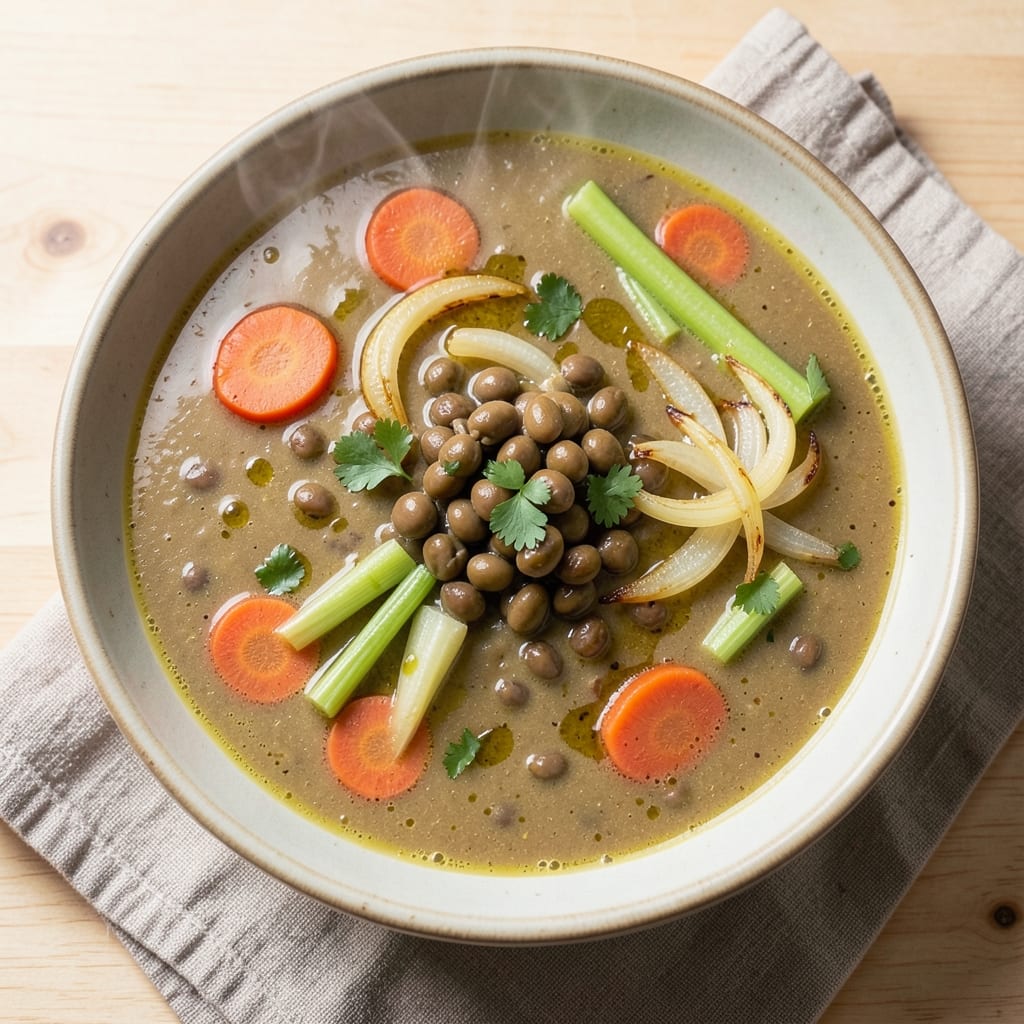
This alkaline lentil soup recipe delivers a gut-friendly, fiber-rich meal that gently balances your body's pH while satisfying hunger with hearty texture and vibrant flavor. 💛 The secret lies in carefully chosen alkaline ingredients—like lemon juice, fresh herbs, and mineral-rich broth—that work together to create a nourishing dish that's both comforting and health-promoting. Unlike ordinary lentil soups, this version incorporates natural alkalizing elements that support digestion without compromising taste.
The beauty of this recipe is its simplicity: just one pot, minimal prep, and a 30-minute cooking time that transforms basic ingredients into a nutrient-dense meal. We start with green or brown lentils for their high fiber content, then balance the earthy flavors with bright citrus and aromatic herbs. The alkaline boost comes from strategic additions like lemon zest and a touch of baking soda (used sparingly) to enhance mineral absorption while maintaining the soup's natural taste profile.
What you'll end up with is a velvety, well-seasoned soup with tender lentils, wilted greens, and a delicate effervescence from the alkaline ingredients—each spoonful supports your digestive system while delivering restaurant-quality flavor. The texture is perfectly balanced: lentils stay firm yet creamy, vegetables retain their bite, and the broth remains rich without being heavy. This is the kind of meal that nourishes both body and soul, proving healthy eating can be deeply satisfying.
Serve with a slice of crusty whole-grain bread or a side of steamed greens for a complete alkaline-friendly meal. The recipe scales effortlessly for meal prep, making it ideal for busy weeks when you want nourishment without compromise. Let's get cooking—your digestive system will thank you.
Ingredients for alkaline lentil soup
These alkaline-boosted ingredients create a gut-friendly, fiber-packed soup that balances pH naturally.
| Ingredient | Amount | Notes |
|---|---|---|
| Green Lentils 🌾 | 1 cup | Rinsed thoroughly before cooking |
| Vegetable Broth 💧 | 4 cups | Low-sodium, homemade preferred |
| Fresh Lemon Juice 🍋 | 2 tbsp | Freshly squeezed for alkalinity |
| Carrots 🥕 | 1 lb | Medium-sized, chopped into chunks |
| Celery Stalks 🥬 | 3 whole | Trimmed, chopped into pieces |
| Yellow Onion 🧅 | 1 whole | Medium-sized, diced finely |
| Garlic Cloves 🧄 | 4 cloves | Minced for aromatic depth |
| Fresh Parsley 🌿 | ¼ cup | Chopped, for freshness |
| Fresh Thyme 🌿 | 1 tbsp | Chopped leaves, or 1 tsp dried |
| Lemon Zest 🍋 | 1 tsp | Fine, for alkaline boost |
| Baking Soda 🧂 | ¼ tsp | Sparingly for mineral balance |
| Extra-Virgin Olive Oil 🫒 | 1 tbsp | For sautéing vegetables |
| Kosher Salt 🧂 | 1 tsp | To taste, enhances flavor |
| Black Peppercorns 🌶️ | ½ tsp | Freshly cracked for warmth |
| Spinach Leaves 🍃 | 2 cups | Fresh, added at the end |
The lentils are the star here—green lentils hold their shape beautifully while delivering that satisfying bite. Trader Joe's and bulk bins at Whole Foods usually carry the best quality, but any grocery store's dried lentils work. Rinse them well before cooking to remove any debris. For the broth, homemade is ideal (just simmer veggie scraps with water), but Pacific Foods or Imagine brands are solid store-bought options. The lemon juice and zest are non-negotiable for that alkaline kick—organic lemons from the store's produce section have the brightest flavor. If you're using dried herbs, Penzeys or the bulk section at Sprouts have the freshest options.
No fresh parsley? Fresh cilantro or basil work in a pinch, though parsley's mild flavor is ideal. Short on thyme? Dried thyme at one-third the amount gets you close. The baking soda is used sparingly—just a quarter teaspoon—to gently boost mineral absorption without overpowering. For the carrots and celery, baby carrots or pre-cut celery sticks save chopping time. The spinach? Baby spinach wilts faster than regular leaves, so add it last. If you're making this ahead, freeze the soup without the spinach—add it fresh when reheating.
This soup keeps beautifully—3 days in the fridge or 3 months frozen. The flavors actually deepen overnight, so it reheats even better the next day. For meal prep, portion into glass containers—they keep the soup tasting fresher longer. The baking soda's alkaline properties mean the soup stays vibrant in storage. If you find the texture too thick after reheating, just add a splash of water or broth. The spinach wilts quickly when reheated, so add it fresh if serving immediately.
Why You'll Love This Recipe
- No-Fuss Pantry Magic: I swear by this when I’ve got nothing but dried lentils and a few veggies. The green lentils hold their shape, carrots and celery soften just enough, and the broth does all the heavy lifting—no fancy techniques, just simmer and let it work.
- Zingy Brightness: That lemon juice at the end? Chef’s kiss. It cuts through the earthiness of the lentils and makes the whole thing feel lighter, like a fresh breeze after a heavy meal. Honestly, I’ve tried skipping it, and I always regret it.
- Meal Prep MVP: Between us, this is my go-to for lunches all week. The flavors actually improve after a day in the fridge (yes, really), and it reheats like a dream. Double the batch, store in jars, and you’ve got zero-stress dinners sorted.
- Budget-Buster Win: Lentils are my secret weapon for stretching meals without sacrificing taste. A pound of them feeds four for under $3, and the veggies? Whatever’s on sale. It’s the kind of soup that makes me feel like I’m treating myself, even when I’m not.
Step-by-step instructions for alkaline lentil soup
This one-pot wonder delivers gut-friendly fiber while keeping prep simple and flavor bold.
🍳 Step 1: Sauté the Vegetable Base
Heat the 1 tablespoon extra-virgin olive oil in a large pot over medium heat until shimmering. Add the 1 whole yellow onion and 1 lb carrots chopped into ½-inch chunks, cooking for 5 minutes until the onion softens and carrots begin to color. Stir in the 3 whole celery stalks chopped into pieces and continue cooking for another 3 minutes until everything releases its natural moisture.
Here's where the alkaline magic starts: Add the 1 teaspoon lemon zest and 0.25 teaspoon baking soda to the pot. The baking soda will react slightly with the lemon acidity, creating a gentle alkaline environment that helps tenderize the lentils. Stir everything together for 30 seconds to distribute the zest and baking soda evenly before adding the 4 cloves minced garlic and 1 tablespoon chopped fresh thyme.
👨🍳 Step 2: Build the Flavor Foundation
Pour in the 4 cups vegetable broth and bring the mixture to a gentle boil. Once boiling, add the 1 cup rinsed green lentils and 1 teaspoon kosher salt. Reduce heat to medium-low and let it simmer uncovered for 20 minutes, stirring occasionally to prevent sticking. You'll notice the carrots softening and the lentils beginning to plump up—this is when the alkaline environment starts working its magic on the fiber.
After 20 minutes, add the 2 tablespoons fresh lemon juice and 0.5 teaspoon freshly cracked black peppercorns. The lemon juice will brighten the flavors while maintaining that subtle alkaline balance. Let the soup continue simmering for another 15 minutes until the lentils are tender but still hold their shape. The carrots should be fork-tender with just a slight bite remaining.
🥘 Step 3: Finish with Fresh Herbs and Greens
Remove the pot from heat and stir in the 0.25 cup chopped fresh parsley. The parsley adds freshness that cuts through the richness of the lentils and carrots. Let the soup sit off the heat for 5 minutes to allow the flavors to meld together—this resting period is crucial for developing depth in the broth.
Just before serving, add the 2 cups fresh spinach leaves and stir gently. The spinach wilts almost instantly, incorporating its vibrant green color and mild flavor. Taste and adjust seasoning if needed—you might need a tiny pinch more salt or a splash more lemon juice to balance the flavors. The soup should be vibrant, aromatic, and perfectly balanced between alkaline and acidic elements.
⏰ Step 4: Serve Warm with Optional Toppings
Ladle the soup into bowls and serve immediately while hot. The alkaline properties of the lemon and baking soda combination create a soup that's not only delicious but also gentle on digestion. For extra flavor, top each serving with a sprinkle of fresh parsley or a drizzle of extra-virgin olive oil. The texture should be hearty yet light, with each spoonful delivering a perfect balance of earthy lentils, sweet carrots, and bright herbs.
This soup keeps well in the refrigerator for up to 4 days, making it perfect for meal prep. The alkaline ingredients help preserve freshness, and the fiber content makes it a satisfying, gut-friendly option for any meal. Real talk: the first few bites might surprise you with how vibrant and balanced the flavors are—it's the baking soda and lemon working together to create something truly special.
Pro Tips For Making Alkaline Lentil Soup
- SAUTE VEGETABLES FIRST: Green lentils take forever to soften, so get your carrots and celery moving early. Chop them into even ¼-inch dice—smaller than you’d think—and cook them in a dry pot for 5 minutes before adding broth. This builds flavor and prevents them from turning to mush later.
- SALT THE BROTH HARD: Don’t be shy with the salt in the vegetable broth—this isn’t a low-sodium experiment. Taste it before adding it to the pot and adjust to at least 1 teaspoon per cup. The lentils will soak up enough liquid to dilute things, and you want that lemon brightness to cut through real flavor, not water.
- CONTROL THE LEMON: Add the lemon juice after the lentils are tender, not at the start. If you toss it in too early, the acid will toughen the lentils and make them hold onto their shape stubbornly. Stir it in at the very end, then let the soup sit off the heat for 5 minutes—this lets the acid mellow and brighten without overpowering.
- USE A PRESSURE COOKER: If you’re short on time, skip the stovetop and pressure cook the lentils for 12 minutes on high pressure. Just make sure to add the lemon juice after releasing the pressure, or you’ll end up with a weirdly metallic taste. I know, I know—it sounds like cheating, but it cuts cooking time from 45 minutes to 15.
Creative variations of this dish
Citrus-Infused Twist
Swap the lemon for orange juice and zest to create a subtly sweet, tangy profile. Use 3 tablespoons orange juice and 1 teaspoon zest—the natural sweetness of oranges complements the earthy lentils beautifully. Add ½ teaspoon ground ginger for warmth, and finish with a sprinkle of toasted sesame seeds for crunch. This variation works especially well with brown lentils, which absorb the citrus flavors more readily.
Herb-Forward Variation
Boost the herb profile by doubling the thyme and adding 1 tablespoon chopped fresh dill or cilantro. The fresh herbs brighten the soup while enhancing its alkaline properties—dill is particularly effective at balancing the earthy flavors. For extra depth, sauté the herbs with the garlic in 1 tablespoon olive oil for 1 minute before adding to the pot. This variation pairs perfectly with a side of crusty sourdough bread for dipping.
Spiced Alkaline Version
Add warmth with ½ teaspoon ground cumin and ¼ teaspoon cayenne pepper for a gently spicy kick. The cumin enhances the alkaline benefits by supporting digestion, while the cayenne adds a subtle heat that balances the lemon. Toast the spices in the olive oil with the onions for 30 seconds before adding the rest of the vegetables. Garnish with chopped cilantro and a squeeze of lime for a vibrant, flavorful twist.
Creamy Coconut Adaptation
For a richer texture, stir in ½ cup full-fat coconut milk at the end of cooking. The coconut milk adds creaminess while maintaining the alkaline balance—just ensure you use unsweetened coconut milk to avoid altering the soup’s natural flavor. This version works beautifully with red lentils, which soften quickly and blend seamlessly into the creamy broth. Top with toasted coconut flakes for extra texture and a tropical touch.
Meal-Prep Friendly Batch
Double the recipe and freeze individual portions for easy lunches. Use brown lentils for a heartier texture that reheats well. Add 1 extra cup of chopped kale to the pot during the final 5 minutes of cooking—it wilts perfectly when reheated. Store in glass containers with a lid to maintain freshness. When reheating, add a splash of water or broth to restore the ideal consistency.
Alkaline Green Boost
Incorporate 1 cup chopped Swiss chard or kale with the spinach for an extra nutrient punch. The leafy greens add iron and calcium while keeping the soup vibrant and alkaline-friendly. Sauté the greens with the onions and carrots for 2 minutes** before adding the broth. This variation is perfect for those seeking a deeper green hue and added mineral benefits.
Nutrition facts
Frequently asked questions
Why does this recipe use baking soda in the soup?
The ¼ teaspoon baking soda creates a gentle alkaline environment that helps tenderize the lentils while enhancing mineral absorption. When combined with lemon juice, it creates a subtle effervescence that brightens flavors without overpowering them. This approach supports digestive health by balancing pH levels naturally.
Can I substitute the green lentils for another type?
Yes, but with adjustments! Brown lentils work well but need 10-15 minutes less cooking time to stay firm. Red lentils will break down completely, creating a creamier texture—perfect for the coconut milk variation. Always rinse lentils thoroughly before cooking to remove any debris.
How do I make this soup more alkaline?
Boost alkalinity by adding ½ cup chopped kale or Swiss chard with the spinach, or stir in 1 tablespoon almond butter at the end for healthy fats. For extra pH support, finish with a sprinkle of hemp seeds—they're packed with magnesium and calcium while adding a nutty flavor.
What if my soup tastes too bitter?
Add 1 extra tablespoon lemon juice or a pinch of salt to balance flavors. If bitterness persists, stir in 1 teaspoon maple syrup or a splash of coconut milk to mellow the taste. The baking soda should never taste soapy—if it does, reduce the amount next time.
Is this soup safe for people with kidney issues?
This recipe is generally kidney-friendly due to its low sodium content (using low-sodium broth) and high fiber. However, always consult your doctor first—people with kidney concerns should monitor potassium levels (lentils contain some) and may need to adjust portion sizes. The alkaline ingredients help balance mineral absorption.