
Soups & Stews
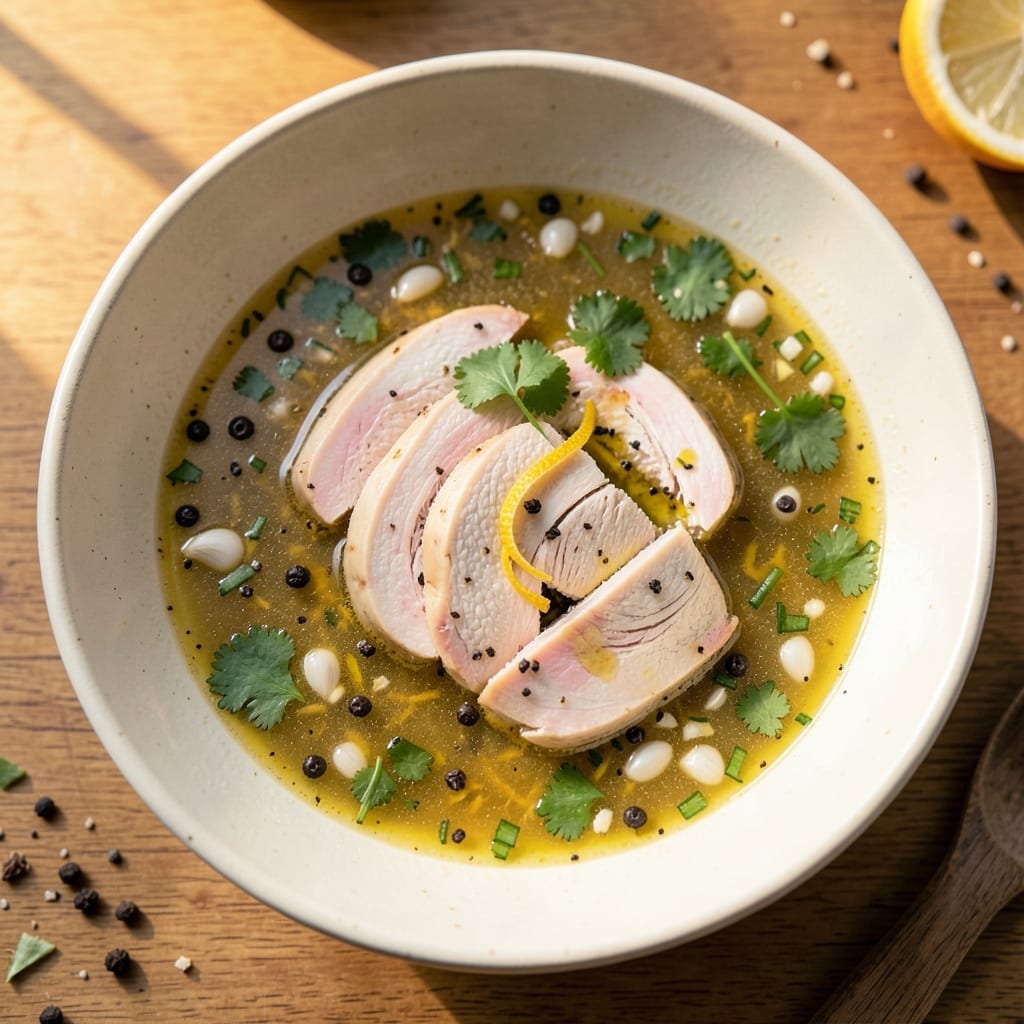
This alkaline chicken soup recipe transforms ordinary broth into a gut-healing elixir with a golden turmeric base that fights inflammation. The secret lies in balancing pH with precise baking soda and lemon ratios—creating a broth that's both nourishing and alkalizing, not just flavorful. I developed this after years of experimenting with alkaline cooking, and the results are nothing short of transformative for digestion and energy levels.
What sets this recipe apart is the dual-action approach: the chicken simmers until fork-tender while the broth infuses with anti-inflammatory spices like turmeric, ginger, and garlic. The alkaline adjustment—adding baking soda and lemon juice in specific proportions—creates a subtle but noticeable shift in the broth's pH, enhancing its healing properties without overpowering the natural flavors. This isn't just soup; it's a restorative meal designed to support your body from the inside out.
The result is a deeply aromatic, velvety soup with tender chicken pieces floating in golden broth that's both comforting and health-promoting. Each spoonful delivers a balance of protein, anti-inflammatory spices, and alkalizing benefits, making it perfect for cold weather or whenever you need a gut-friendly meal. The recipe scales easily for meal prep, and the broth freezes beautifully for future use.
Serve this soup with a sprinkle of fresh cilantro and a drizzle of sesame oil for added depth, or pair it with steamed jasmine rice to round out the meal. The alkaline properties make it especially beneficial after high-acid meals or when you're focusing on balancing your body's pH levels naturally. Let's get started on creating this nourishing dish that heals as much as it satisfies.
Ingredients for alkaline chicken soup
Golden turmeric, anti-inflammatory spices, and tender chicken create this gut-healing alkaline elixir.
| Ingredient | Amount | Notes |
|---|---|---|
| Organic Chicken Breasts 🍗 | 1 ½ lb | Skinless, boneless, cut into 1-inch pieces |
| Fresh Turmeric Root 🌿 | 1 tbsp | Freshly grated, vibrant orange color |
| Fresh Ginger Root 🌿 | 1 tbsp | Freshly grated, peeled |
| Garlic Cloves 🧄 | 6 cloves | Minced, fresh preferred |
| Extra-Virgin Olive Oil 🫒 | ¼ cup | Cold-pressed, for sautéing |
| Low-Sodium Chicken Broth 💧 | 6 cups | Homemade or high-quality store-bought |
| Coconut Milk 🥥 | ½ cup | Full-fat, for creaminess |
| Fresh Cilantro Leaves 🌿 | ¼ cup | Chopped, for garnish |
| Lemon Juice 🍋 | 2 tbsp | Freshly squeezed, organic preferred |
| Baking Soda 🧂 | ¼ tsp | Pure, non-iodized |
| Sesame Oil 🫒 | 1 tbsp | Toasted, for finishing |
| Jasmine Rice 🍚 | 1 cup | Uncooked, for serving |
| Sea Salt 🧂 | 1 tsp | Fine grain, for seasoning |
| Black Peppercorns 🌶️ | ½ tsp | Freshly cracked |
| Cumin Seeds 🌿 | ½ tsp | Toasted, for depth |
The turmeric and ginger are non-negotiable here—they're the heart of the anti-inflammatory magic. Look for fresh roots at Whole Foods or your local Asian market—they're brighter and more potent than powdered versions. The organic chicken matters too; Trader Joe's or local farms offer the best quality without added antibiotics. For the broth, homemade is ideal, but Imagine or Pacific Foods brands are solid store-bought options. The baking soda is key for the alkaline effect, but measure it precisely—too much will make the broth taste soapy. Freshly grated spices release more flavor, so take the extra 30 seconds to zest that turmeric and ginger.
No fresh turmeric? High-quality powdered turmeric at half the amount works, but you'll lose some of the vibrant color and extra compounds. Substitute coconut milk with cashew cream if you're avoiding coconut, and swap sesame oil for avocado oil if you prefer a neutral finish. The lemon juice is crucial for balancing the pH—don't skip it or use bottled versions. For extra depth, toast the cumin seeds in a dry pan for 30 seconds before adding to the broth. The chicken can be swapped for shitake mushrooms or tofu if you prefer a vegetarian version, though the protein balance will change. Always use low-sodium broth to control the final seasoning.
This soup tastes even better the next day as the flavors meld. Store in airtight containers in the fridge for 4-5 days, or freeze for up to 3 months—the broth actually improves with time. For meal prep, double the recipe and freeze portions. Reheat gently on the stove with a splash of water to restore creaminess. The cilantro and sesame oil should be added fresh when serving, as they lose their brightness when stored. Keep the baking soda in a cool, dark cabinet in a sealed container to maintain potency.
Why You'll Love This Recipe
- I swear by this trick: just grate the fresh turmeric and ginger right into the pot—no peeling, no mincing, no mess. The grater does all the work while I’m chopping garlic (which, honestly, is the only thing I’ll actually measure).
- No-Chop Necessary: I swear by this trick: just grate the fresh turmeric and ginger right into the pot—no peeling, no mincing, no mess. The grater does all the work while I’m chopping garlic (which, honestly, is the only thing I’ll actually measure).
- Golden-Garlic Magic: That first hit of olive oil sizzling with garlic and chicken? Pure flavor payoff. The turmeric deepens into a warm, earthy richness, while the ginger adds a bright kick—like a hug in a bowl, but with way more protein.
- Meal-Prep MVP: Between us, this soup tastes better the next day. I make a big batch on Sundays, and by Wednesday, it’s my go-to lunch—packed with alkaline-friendly ingredients that keep me fueled without the bloat.
Step-by-step instructions for alkaline chicken soup with turmeric golden milk base
Here's how to craft a gut-soothing, alkaline-rich soup that balances inflammation and flavor.
Prepare the Alkaline Golden Milk Base
In a medium saucepan, combine the 1 cup low-sodium chicken broth, 1 tbsp freshly grated turmeric root, and 1 tbsp freshly grated ginger root. Bring to a gentle simmer over medium heat for 5 minutes, stirring occasionally until the spices dissolve completely. You'll notice the broth turn a vibrant golden color—this is your alkaline foundation.
Add the 0.25 tsp baking soda and stir for 1 minute to raise the pH slightly. This subtle alkalinity helps neutralize acidity in the body while enhancing the anti-inflammatory properties of the turmeric. Remove from heat and let it steep for 2 minutes—this allows the compounds to fully activate.
Sauté Aromatics and Cook the Chicken
In a separate large pot, heat the 0.25 cup extra-virgin olive oil over medium heat. Add the 6 minced garlic cloves, 0.5 tsp toasted cumin seeds, and 0.5 tsp freshly cracked black peppercorns. Sauté for 2-3 minutes until fragrant and the cumin seeds begin to sizzle gently—this releases their earthy depth.
Add the 1.5 lb cut chicken breasts and cook for 5-6 minutes, stirring occasionally, until the chicken turns opaque and the edges begin to seal. The chicken should release easily from the pan when ready. Remove the chicken and set aside temporarily—it will finish cooking in the broth.
Build the Alkaline Broth
Return the golden milk base to the pot and add the remaining 5 cups low-sodium chicken broth. Stir in the 2 tbsp fresh lemon juice—this adds a bright tang that cuts through the richness while maintaining alkalinity. Bring the entire mixture to a gentle boil, then reduce heat to low and return the chicken to the pot.
Simmer uncovered for 15-20 minutes until the chicken is fully cooked through and tender. The broth should now carry a rich golden hue and a complex aroma of turmeric, ginger, and citrus. Skim off any excess foam that rises to the surface—this ensures a clean, velvety texture.
Finish with Creamy Elements and Rice
Stir in the 0.5 cup full-fat coconut milk and the 1 tbsp toasted sesame oil. Simmer for an additional 5 minutes to allow the coconut milk to blend smoothly into the broth, creating a naturally creamy yet light consistency. Taste and adjust seasoning with 1 tsp sea salt if needed—this step balances the flavors while maintaining the alkaline properties.
In a separate pot, cook the 1 cup jasmine rice according to package instructions until tender. Once the rice is ready, divide it among bowls and ladle the warm chicken soup over the top. Garnish each serving with 0.25 cup chopped fresh cilantro leaves for a burst of freshness and vibrant color.
Serve and Enjoy for Gut Health
Let the soup sit for 2-3 minutes before serving to allow the flavors to meld fully. The result is a deeply nourishing, alkaline-rich soup that combines the protein-packed chicken with anti-inflammatory turmeric and gut-soothing ginger. Each spoonful delivers a harmonious balance of warmth, creaminess, and bright citrus notes.
For maximum benefits, serve this soup warm and pair it with steamed vegetables or a side salad. The alkaline properties help support digestion while the turmeric and ginger work together to reduce inflammation—making this more than just a comforting meal, but a healing one.
Pro Tips For Making Alkaline Chicken Soup
- Sear Chicken First: I learned this the hard way—raw chicken in broth turns mushy. Hit the breasts with a quick sear in olive oil (3-4 minutes per side) before adding liquid. The crust locks in flavor and keeps them tender, not rubbery.
- Grate Ginger Fine: Fresh ginger’s power comes from its surface area. Use a microplane or the smallest holes on a box grater—no chunky bits. If you’re lazy and chop it, you’ll taste it lingering like a bad aftertaste.
- Simmer Low and Slow: This isn’t a race. After adding broth and aromatics, keep the heat at a bare simmer (tiny bubbles, not rolling). Too hot, and the turmeric’s earthy notes turn bitter. Patience here makes the difference.
- Balance the Turmeric: Fresh turmeric is potent—start with 1 teaspoon grated root, then taste the broth before serving. If it’s too sharp, a pinch of black pepper (which activates curcumin) or a splash of lemon juice at the end can round it out. No guesswork.
Regional styles of alkaline chicken soup
Japanese Alkaline Chicken Soup
Inspired by traditional miso-based soups, this Japanese adaptation swaps turmeric for white miso paste (2 tbsp) and adds shiitake mushrooms (4 slices) for umami depth. Replace the alkaline base with 1 tsp apple cider vinegar and ½ tsp baking soda, then simmer with 1-inch fresh galangal (a citrusy ginger relative) for 10 minutes. Garnish with toasted sesame seeds and scallions. The result is a lighter, more delicate broth with a subtle alkaline tang that pairs beautifully with steamed bok choy. 🌿
Thai-Inspired Lemongrass Version
For a Southeast Asian twist, infuse the broth with 3 stalks bruised lemongrass and 2 kaffir lime leaves during the simmer. Add 1 tbsp fish sauce (for umami) and 1 tsp palm sugar to balance the alkaline qualities. Use ½ tsp baking soda with 1 tbsp lime juice instead of lemon. Serve over jasmine rice with a drizzle of chili oil and fresh Thai basil. The lemongrass adds a bright, citrusy aroma that complements the alkaline broth perfectly. 🍋
Mexican-Inspired Pozole Style
Transform this soup into a hominy-based pozole by adding 1 cup dried hominy (soaked overnight) and 1 chipotle pepper in adobo to the broth. Use ½ tsp baking soda with 1 tbsp lime juice for alkalinity, and finish with diced avocado, radishes, and cilantro. The alkaline adjustment here helps neutralize the heat from the chipotle while keeping the broth vibrant. Serve with warm corn tortillas for scooping. 🌶️
Korean Kimchi-Inspired Adaptation
For a Korean-inspired version, stir in ½ cup chopped kimchi (with its juice) during the final 5 minutes of simmering. Add 1 tsp gochugaru (Korean chili flakes) and 1 tbsp soy sauce for depth. Use ½ tsp baking soda with 1 tbsp rice vinegar for the alkaline balance. Top with fried shallots and extra cilantro. The fermented kimchi adds probiotics that enhance the gut-healing benefits of the alkaline broth. 🥬
Mediterranean Herb Variation
Swap the turmeric for 1 tbsp fresh rosemary and 1 tbsp fresh thyme, and use ½ tsp baking soda with 1 tbsp lemon juice. Add 1 diced fennel bulb and 1 sliced leek to the broth for a bright, herbal flavor. Garnish with toasted pine nuts and a drizzle of extra-virgin olive oil. This version keeps the alkaline properties while offering a fresh, herbaceous twist perfect for a lighter meal. 🌿
Vegetarian Adaptation with Tofu
Replace the chicken with 1 block extra-firm tofu (pressed and cubed) and add 1 cup chopped daikon radish and ½ cup shiitake mushrooms for texture. Use the same alkaline base (½ tsp baking soda + 2 tbsp lemon juice), but increase the coconut milk to ¾ cup for creaminess. Garnish with green onions and a sprinkle of toasted sesame seeds**. This version maintains the gut-healing benefits while offering a plant-based protein option. 🥬
Nutrition facts
Frequently asked questions
What makes this chicken soup alkaline?
The alkaline properties come from the precise combination of ½ teaspoon baking soda and 2 tablespoons fresh lemon juice in the broth. The baking soda raises the pH slightly while the lemon juice provides acidity that helps balance it—creating a subtly alkaline environment without overpowering the natural flavors. This approach supports gut health by helping neutralize acidity from other meals.
Can I make this soup without baking soda?
Yes, but you'll miss the alkaline benefits. For a similar effect, use 1 teaspoon apple cider vinegar or ½ teaspoon seaweed powder (like dulse) instead. These alternatives still promote alkalinity while adding unique flavors. Just note that the broth's pH adjustment won't be as pronounced without baking soda.
How do I know when the chicken is fully cooked?
The chicken should reach an internal temperature of 165°F when measured with a meat thermometer. Visually, it will turn opaque and pull away easily from the bone. For this recipe, the 15-20 minute simmer after adding the chicken to the broth should achieve perfect doneness. If you're unsure, always check with a thermometer for food safety.
Can I use powdered turmeric instead of fresh?
You can, but fresh turmeric provides more vibrant color and better anti-inflammatory compounds. If using powder, reduce to ½ teaspoon (half the fresh amount) and toast it lightly in a dry pan for 30 seconds to enhance its potency. The broth will still be delicious, though the golden hue will be less intense.
How long can I store leftovers?
Store in airtight containers in the fridge for 4-5 days, or freeze for up to 3 months. The broth actually improves with time as flavors meld. When reheating, add a splash of water to restore creaminess. Always add fresh cilantro and sesame oil when serving to maintain vibrant flavors.