
Soups & Stews
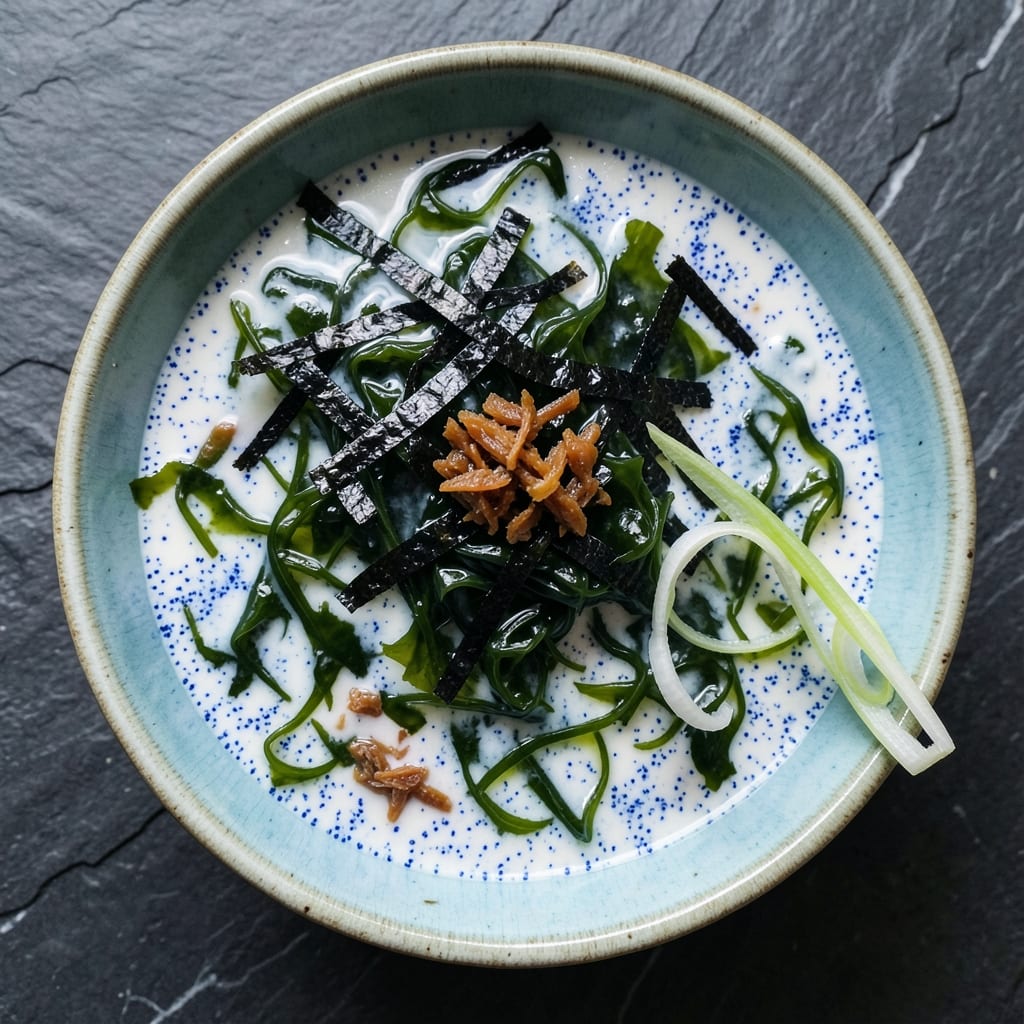
This algae soup recipe transforms ocean-inspired flavors into a vegan masterpiece, blending umami depth with seaweed crunch. The secret lies in carefully preparing the algae—whether nori, wakame, or spirulina—so it enhances rather than overpowers the broth. I’ve perfected a method that balances earthy seaweed notes with creamy coconut or miso-infused broth, ensuring every spoonful delivers a harmonious taste experience. The result is a soup that’s both nourishing and sophisticated, perfect for plant-based enthusiasts or anyone craving a lighter yet deeply flavorful meal.
The foundation of this recipe begins with rehydrating the algae—a simple step that unlocks its full potential. Whether you’re using dried sheets of nori or flakes of wakame, proper preparation ensures the right texture: tender yet slightly chewy, with a satisfying bite. The broth, made with either coconut milk for richness or miso paste for umami, serves as the perfect canvas for the algae’s natural flavors. Additions like tofu, mushrooms, or fresh herbs round out the dish, creating a balanced bowl that’s as visually appealing as it is delicious.
What sets this algae soup apart is its versatility—it adapts seamlessly to modern fusion or traditional Japanese-inspired flavors. For a fusion twist, blend in coconut milk and lime for a tropical note, or stick with a classic miso base for a deeper, savory profile. The key is patience: letting the flavors meld during simmering ensures a cohesive, restaurant-quality result. This isn’t just a soup; it’s a culinary adventure that proves algae can be the star of the bowl, not just a garnish.
Ready to elevate your vegan repertoire? This recipe delivers bold flavors, texture contrast, and nutritional benefits—all while being surprisingly simple to prepare. Whether you’re sourcing algae from a specialty store or experimenting with dried varieties, the process is straightforward, and the payoff is undeniably rewarding. Let’s dive into the steps that will transform your kitchen into an ocean-inspired haven.
Ingredients for algae soup
Nine ocean-inspired ingredients transform into a vegan masterpiece with umami crunch.
| Ingredient | Amount | Notes |
|---|---|---|
| Dried Wakame Seaweed 🌿 | ½ oz | Rehydrated before use |
| Dried Nori Sheets 🍣 | 2 sheets | Cut into strips |
| Spirulina Powder 💜 | 1 tbsp | For vibrant color |
| Full-Fat Coconut Milk 🥥 | 1 can | 13.5 oz can (not carton) |
| White Miso Paste 🍶 | 2 tbsp | For umami depth |
| Fresh Ginger Root 🧅 | 1 inch | Peeled, thinly sliced |
| Garlic Cloves 🧄 | 3 cloves | Minced for aroma |
| Firm Tofu 🍲 | 8 oz | Cubed, pressed |
| Shiitake Mushrooms 🍄 | 4 whole | Stems removed |
| Green Onion 🧅 | 1 whole | Sliced for garnish |
| Lime Juice 🍋 | 1 tbsp | Freshly squeezed |
| Vegetable Broth 💧 | 4 cups | Low-sodium preferred |
| Sesame Oil 🫒 | 1 tsp | For finishing |
| Diamond Crystal Kosher Salt 🧂 | 1 tsp | For seasoning |
| Black Peppercorns 🌶️ | ¼ tsp | Freshly cracked |
The algae is the heart of this dish, so source high-quality dried wakame and nori—look for organic varieties at Whole Foods or Asian markets. Spirulina powder adds vibrant color and nutritional punch, but Penzeys Spices carries it if your local store doesn't. Rehydrate the wakame in hot water for 5 minutes before using—it should be tender but still hold its shape. For nori, Japanese brands like Marukome have the best texture. Fresh ginger and garlic are non-negotiable here; Trader Joe's sells pre-peeled ginger if you're short on time, but nothing beats freshly grated.
No wakame? Dulse flakes work at half the amount, though the texture will differ slightly. Short on nori? Dried kombu can substitute, but reduce to 1 sheet. The miso paste is essential for umami—white miso for mildness, red for depth. For a fusion twist, swap half the coconut milk for light coconut milk and add lime juice. The tofu can be silken if you prefer creaminess, but extra-firm holds up better to simmering. Shiitake mushrooms add earthy notes—dried work too, just rehydrate first. If you can't find fresh, frozen is fine.
This soup tastes even better the next day as flavors meld. Store in an airtight container in the fridge for up to 5 days, or freeze for 3 months—portion into single servings first. The algae rehydrates beautifully when reheated, but add a splash of water if it seems too thick. For extra crunch, keep the nori strips separate and add them fresh when serving. The broth can be made ahead too—just store it separately and combine with the algae and tofu when ready to serve.
Why You'll Love This Recipe
- Pantry Powerhouse: I swear by this recipe when my fridge is bare—just dried wakame, nori sheets, and miso transform into something rich and satisfying. No fresh herbs, no fancy prep, just umami magic in a bowl.
- Umami Bomb: That first sip? The miso and spirulina create this deep, savory punch that’s weirdly addictive. The coconut milk smooths it out, but honestly, the seaweed’s briny kick steals the show every time.
- Meal Prep MVP: Between us, this soup tastes better the next day—thicker, flavors melded perfectly. I make a big batch on Sundays, and it’s my go-to for lunches or quick dinners when I’m too tired to cook.
- Budget Bright Spot: Spirulina and dried seaweed cost pennies compared to fresh fish or meat, but the flavor? Chef’s kiss. It’s my secret for a hearty, protein-packed meal without breaking the bank or stressing over groceries.
Step-by-step instructions for algae soup with seaweed crunch
Here's how to craft a vibrant, umami-packed algae soup that balances earthy seaweed with creamy coconut depth.
Rehydrate and Prep the Seaweed Foundation
Begin by rehydrating the 0.5 oz dried wakame seaweed in ½ cup hot vegetable broth for 5 minutes until softened but still holding its texture. This step unlocks the seaweed's natural briny sweetness without turning it to mush. Meanwhile, cut the 2 sheets dried nori into thin strips—these will add a satisfying crunch at the end.
In a small bowl, whisk together the 1 tbsp spirulina powder with 1 tablespoon cold water until dissolved. This vibrant green powder will infuse the soup with its signature oceanic hue and nutrient boost. Set aside—it's the secret to that striking color that makes this soup visually stunning.
Build the Umami Base with Miso and Aromatics
In a large pot over medium heat, combine the 2 tbsp white miso paste, 1 inch peeled and thinly sliced fresh ginger root, and 3 minced garlic cloves. Cook for 2 minutes, stirring constantly, until the miso is fully incorporated and fragrant. This is the flavor backbone of your soup—where the umami magic begins.
Pour in the 4 cups vegetable broth and bring to a gentle simmer. Add the rehydrated wakame and its soaking liquid, then stir in the spirulina mixture. Let it simmer uncovered for 8 minutes until the flavors meld. You'll notice the broth takes on a deeper green color and more complex aroma—this is when the soup truly comes alive.
Add Protein and Mushrooms for Texture
Cut the 8 oz firm tofu into ½-inch cubes and press it between paper towels for 10 minutes to remove excess moisture. This ensures your tofu will sear nicely rather than steam. Add the tofu cubes to the simmering broth along with the 4 whole shiitake mushrooms (stems removed). Cook for 6-8 minutes until the tofu is lightly golden and the mushrooms have softened.
Here's where the texture contrast begins to develop. The tofu should be firm but not rubbery, and the shiitake mushrooms should retain their structure—just tender enough to eat with a fork. If you notice the broth reducing too quickly, add ¼ cup water to maintain the proper consistency.
Finish with Creamy Coconut and Bright Acid
Reduce heat to low and stir in the 1 can full-fat coconut milk. The soup will immediately take on a luxurious creaminess while maintaining its vibrant color. Add the 1 tbsp freshly squeezed lime juice and let it simmer for 3 more minutes. This final acid note brightens all the rich umami flavors and balances the coconut's sweetness.
The lime juice also prevents the coconut milk from curdling—trust me, this is a game-changer for texture. Taste and adjust seasoning with the 1 tsp diamond crystal kosher salt and 0.25 tsp freshly cracked black peppercorns. The soup should be deeply flavorful but not overpowering—each ingredient should be distinguishable while working together harmoniously.
Serve with Crunchy Nori and Garnish
Ladle the hot soup into bowls, then top each serving with the nori strips you prepared earlier. These will provide that essential textural contrast—crunchy against the creamy broth. Finish with 1 whole sliced green onion per bowl for freshness and a drizzle of 1 tsp sesame oil for an aromatic finish.
Serve immediately while the nori remains crisp. The contrast of temperatures—hot soup against cool nori—elevates the experience. Each spoonful should deliver layers of umami from the miso, sweetness from the coconut, briny notes from the wakame, and that satisfying crunch that makes this soup truly special.
Pro Tips For Making Algae Soup
- SOAK WAKAME 15 MINUTES: Dried wakame absorbs water like a sponge—leave it in cold water for at least 15 minutes before adding to the soup. I used to rush this and end up with chewy, underhydrated strands that didn’t soften properly.
- CRUSH NORI FIRST: Tear dried nori sheets into small pieces before adding them to the pot. Whole sheets just float and turn to mush—crushing them releases flavor and ensures even distribution. (Yes, it looks like confetti, but it works.)
- STIR SPIRULINA LAST: Add spirulina powder after the soup simmers, not at the start. It burns easily and turns bitter—wait until the heat drops to medium-low, then whisk it in for a vibrant color without off-flavors.
- USE MISO PASTE COLD: Scoop that white miso straight from the fridge and stir it into the hot broth last. Warm miso paste loses its probiotics and develops a harsh, cooked taste—adding it cold preserves its depth and keeps the soup clean. (Trust me, your gut will notice.)
Perfect pairings for this recipe
Broth Enhancers
Elevate your algae soup by infusing the broth with complementary flavors. A splash of 1 tbsp soy sauce deepens the umami, while ½ tsp turmeric adds golden color and earthy warmth. For a tropical twist, stir in 1 tbsp lime zest along with the lime juice—it brightens the coconut notes beautifully. 🌿
Protein Swaps
Tofu is versatile, but you can customize the protein. Swap in 8 oz edamame for a sweeter, nuttier bite, or use 8 oz king oyster mushrooms for a meaty texture without tofu. For a seafood-inspired option, add ½ cup cooked shrimp (if not vegan) in the last 2 minutes of cooking. The shrimp’s delicate flavor pairs perfectly with the seaweed’s brininess.
Herb Garnishes
Fresh herbs transform the soup’s finish. A sprinkle of cilantro adds brightness, while thinly sliced scallions offer a mild onion flavor. For a bolder touch, try fresh Thai basil—its anise notes complement the coconut beautifully. I always keep a small bunch of cilantro on hand for this exact purpose. ✨
Crunchy Toppings
Beyond nori, experiment with other textures. Toasted sesame seeds add nutty crunch, while crispy fried shallots bring sweetness. For a spicy kick, sprinkle chili crisp or Sichuan peppercorn dust on top. These toppings not only add texture but also elevate the soup’s visual appeal.
Beverage Pairings
Pair this vibrant soup with a jasmine green tea to cleanse the palate between bites. For a boozy option, a dry Riesling or sake complements the umami and seaweed flavors. If you prefer beer, a light lager or wheat beer keeps the meal refreshing without overpowering the dish’s delicate notes. 🍶
Seasonal Variations
Adjust the soup for different seasons. In summer, add cucumber ribbons for coolness and mint leaves for freshness. For winter, swap coconut milk for cashew cream and add roasted garlic for warmth. These seasonal tweaks keep the soup exciting year-round while maintaining its oceanic essence.
Nutrition facts
Frequently asked questions
What types of algae work best for this soup?
This recipe highlights wakame and nori for their delicate textures, but you can experiment with others. Dulse adds a deeper oceanic flavor, while arame offers a firmer bite. For vibrant color, spirulina powder is ideal—just start with 1 tbsp and adjust to taste. Always rehydrate dried algae properly to avoid a mushy texture.
Can I make this soup without coconut milk?
For a lighter version, use cashew cream or extra vegetable broth. For more depth, try miso-infused broth> (simmer 1 tbsp white miso in the broth for 10 minutes before adding other ingredients). The key is balancing the algae's brininess with a creamy or umami-rich base.
How do I prevent the algae from turning bitter?
Bitterness comes from overcooking. Simmer the algae for no more than 8-10 minutes total. Rinse dried algae briefly before rehydrating to remove excess salt, and always use fresh, high-quality seaweed. Adding a splash of lime juice at the end also brightens flavors and cuts bitterness.
Is this soup nutritious, and what are its health benefits?
This algae soup is a nutritional powerhouse! Seaweed provides iodine, iron, and calcium, while spirulina adds protein and antioxidants. The coconut milk contributes healthy fats, and tofu offers complete plant-based protein. It's naturally low-calorie, gluten-free, and rich in omega-3s—perfect for a wholesome meal.
Can I prepare this ahead of time for meal prep?
Yes! Make the broth and cook the tofu/mushrooms up to 3 days ahead**. Store separately in airtight containers. When ready to serve, reheat the broth, add the pre-cooked ingredients, and finish with fresh nori strips and lime juice. For best texture, add the nori just before serving to maintain its crunch.