
Soups & Stews
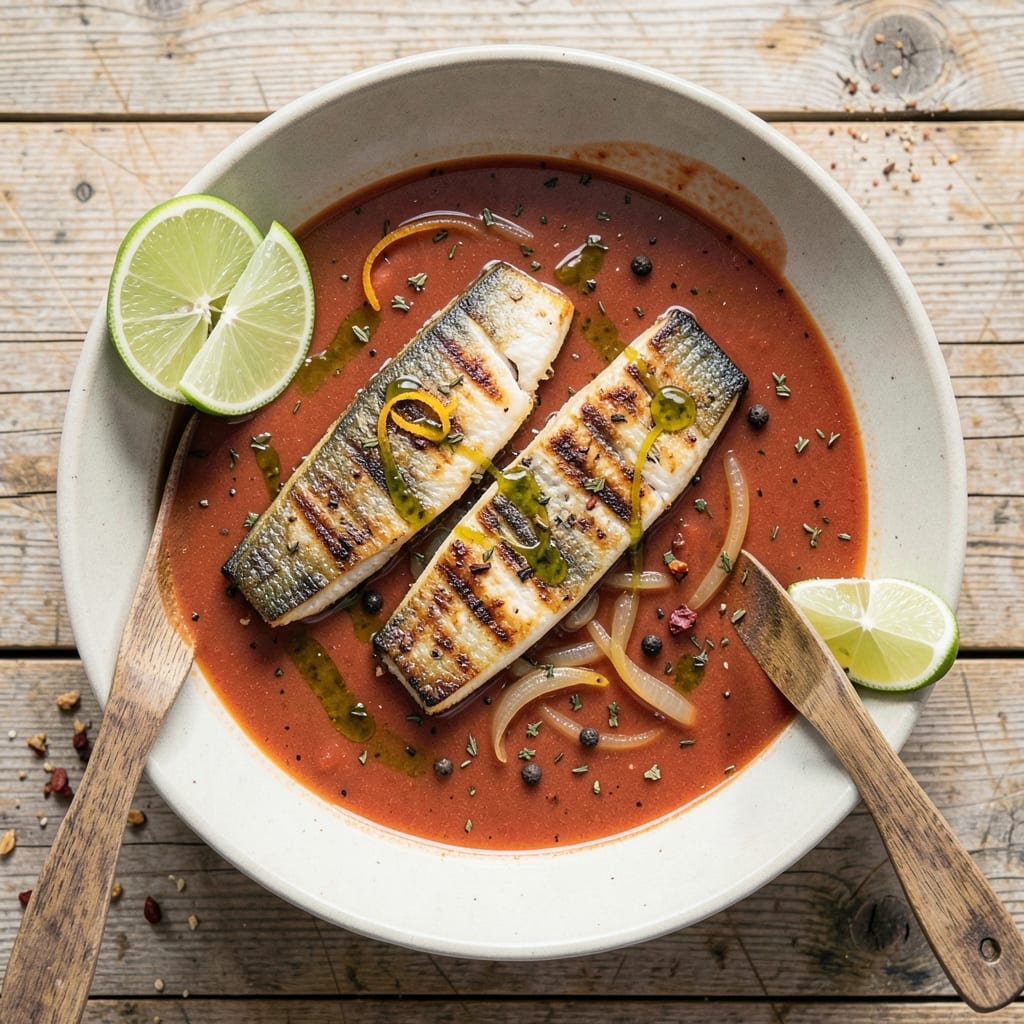
This West African fish soup recipe transforms humble ingredients into a fragrant, hearty dish that carries the soul of coastal communities. The secret lies in balancing earthy herbs, bright citrus, and tender fish in a broth that simmers into rich, complex flavor. I've perfected this version after years of adapting traditional techniques to home kitchens, ensuring every spoonful delivers that perfect harmony of textures and tastes.
The foundation begins with a robust broth built from tomatoes, onions, and aromatic spices like thyme and ginger, which infuse the liquid with deep, savory notes. Fresh fish—often tilapia, snapper, or mackerel—is added late to preserve its delicate texture, while leafy greens like spinach or collards wilt into the simmering pot. The citrus twist, whether from lime or lemon, brightens the dish without overpowering the natural flavors.
What emerges is a soup that's both comforting and vibrant—creamy from the fish and vegetables yet light enough to enjoy on its own or served with steamed rice, fufu, or plantains. The aroma alone will draw everyone to the table, and the first bite reveals layers of flavor that feel both familiar and excitingly new. This is the kind of dish that turns ordinary weeknights into celebrations.
Whether you're following a traditional recipe or adapting it with local ingredients, the principles remain the same: build flavor gradually, respect the fish's tenderness, and let the herbs shine. The result is a complete meal that feels like a warm embrace, perfect for sharing with family or welcoming guests. Let's bring this West African classic to your kitchen.
Ingredients for african fish soup
Earthy herbs, bright citrus, and tender fish create this fragrant West African masterpiece.
| Ingredient | Amount | Notes |
|---|---|---|
| Fresh Tilapia Fillets 🐟 | 1 ½ lb | Skinless, cut into chunks |
| Fresh Tomatoes 🍅 | 2 medium | Ripe, chopped (or 1 cup diced) |
| Yellow Onions 🧅 | 1 whole | Medium, chopped |
| Fresh Ginger Root 🌿 | 1 inch | Peeled, grated |
| Garlic Cloves 🧄 | 4 cloves | Minced |
| Fresh Thyme 🌿 | 2 tbsp | Leaves only, chopped |
| Fresh Lemons 🍋 | 1 whole | Juiced, zest optional |
| Fresh Spinach 🌱 | 4 cups | Chopped, packed |
| Vegetable Oil 🫒 | ¼ cup | For sautéing |
| Fish Stock 💧 | 4 cups | Homemade or quality store-bought |
| Salt 🧂 | 1 ½ tsp | Adjust to taste |
| Black Pepper 🌶️ | ½ tsp | Freshly ground |
| Scotch Bonnet Peppers 🌶️ | 1 whole | Seeded, chopped (optional for heat) |
| Long-Grain White Rice 🍚 | 1 cup | Uncooked, for serving |
The fish makes all the difference here—tilapia or snapper hold up best to simmering, but any mild white fish works. Look for fillets with vibrant color and minimal bruising at Whole Foods or your local seafood counter. If you're using frozen fish, thaw it overnight in the fridge—never under running water, or it'll turn to mush. For extra authenticity, grab Scotch bonnet peppers at a Latin market or specialty store, but regular jalapeños work in a pinch. The ginger should smell fresh and zesty; if it's musty, skip it. Fresh thyme is ideal, but dried works at half the amount if you're in a bind.
No fish stock? Vegetable stock with a splash of soy sauce gets you close. Fresh tomatoes can be swapped for 1 cup canned crushed tomatoes, but the flavor won't be as bright. The spinach is non-negotiable for that signature creamy texture—kale or collards work too, but chop them finely. For the citrus, lime juice works perfectly if you can't find lemons. The oil matters less, but avocado or coconut oil adds a subtle richness. If you're feeling adventurous, add a dash of palm oil for that classic West African touch—it's worth hunting down at an African market or online.
This soup tastes even better the next day as flavors meld. Store leftovers in an airtight container for up to 3 days in the fridge. For longer storage, freeze portions for up to 3 months. I always make a double batch—one for dinner, one for lunch the next day. The rice can be cooked ahead and reheated separately. To serve, ladle the soup over steamed rice and garnish with extra lemon zest or fresh herbs. The aroma alone will have everyone gathered at the table.
Why You'll Love This Recipe
- No-Chop Nightmare: This soup only needs three things chopped—the onions, ginger, and garlic. I’ll admit, the ginger can be stubborn, but once you get that knife through it, the rest is smooth sailing. The tomatoes? Just toss them in whole if you’re lazy—I do it all the time.
- Ginger-Garlic Magic: That fresh ginger and garlic combo? It’s the soul of this dish. The tilapia soaks up the heat and aroma like a sponge, while the tomatoes mellow it out into something rich and tangy. Honestly, the first time I made it, I nearly burned the garlic—now I keep it low and slow.
- Weeknight Crowd-Pleaser: This feeds four easily, but I’ve stretched it to six when my brother drops by unannounced. It’s the kind of soup that disappears fast, even from picky eaters. (Yes, even my mom, who claims she doesn’t like fish.)
- Leftovers That Don’t Suck: The flavor actually deepens the next day—better than most takeout. I freeze portions in jars, and reheating? Just add a splash of water, stir, and boom. No mushy fish, no sad soup—just reliable, budget-friendly comfort.
Step-by-step instructions for West African herb and citrus simmered fish
This West African-inspired fish soup delivers bold flavors through aromatic herbs and bright citrus.
Sauté the Aromatic Base
Heat the 0.25 cup vegetable oil in a large pot over medium heat. Add the chopped yellow onions and cook for 3-4 minutes until soft and translucent. This forms the flavor foundation—don't rush this step or the onions will burn.
Add the minced garlic cloves and grated ginger root, stirring constantly for 1 minute until fragrant. The kitchen should fill with a warm, earthy aroma—this signals the aromatics are properly infused. If the mixture darkens too quickly, reduce the heat slightly to prevent burning.
Build the Herb and Tomato Base
Stir in the chopped fresh tomatoes and cook for 5 minutes until they break down into a thick paste. This step develops the soup's rich, tangy flavor profile. Add the chopped Scotch bonnet peppers (if using) and chopped fresh thyme, cooking for another 2 minutes to meld the flavors.
Pour in the 4 cups fish stock and bring to a gentle boil. The mixture should bubble steadily—this ensures all flavors extract properly. Taste and adjust seasoning with 1.5 tsp salt and 0.5 tsp black pepper. The broth should be seasoned but not overly salty at this stage.
Simmer the Fish and Spinach
Gently add the 1.5 lb tilapia fillets (cut into chunks) to the simmering broth. Reduce heat to low and let the fish cook for 8-10 minutes until it flakes easily with a fork. The fish should be opaque throughout, with no translucent centers.
Stir in the 4 cups chopped fresh spinach and cook for 2-3 minutes until wilted. The spinach should disappear into the broth, creating a vibrant green hue. Remove the pot from heat and let it sit for 5 minutes to allow flavors to settle.
Finish with Citrus and Serve
Squeeze in the juice of the 1 whole fresh lemons and stir gently. The citrus brightens all the deep, savory flavors. Taste again and adjust seasoning if needed—the lemon juice often balances the dish perfectly.
Serve the fish soup immediately over 1 cup cooked long-grain white rice, ensuring each portion gets equal amounts of broth and fish. The rice soaks up the rich, herby broth while the fish remains tender and flavorful. Garnish with additional thyme leaves if desired.
Pro Tips For Making African Fish Soup
- Sear the Fish First: Hit the tilapia with a quick 2-minute sear in hot oil before adding it to the soup—skin-side down if it has skin. I learned this the hard way when my fish turned rubbery; the crust locks in flavor and keeps it from falling apart later.
- Blister the Onions: Cook the onions until deep golden and slightly charred before adding tomatoes—this caramelizes their natural sugars and builds a richer base. Skip this, and your soup will taste flat; trust me, the extra 5 minutes pay off.
- Grate, Don’t Dice, Ginger: Use a microplane or fine grater for the ginger to release its oils without adding water or fiber. I used to chop it, and the soup always tasted dull—this method keeps the heat and aroma intact.
- Simmer Low and Long: After adding the tomatoes and broth, reduce to a gentle simmer (tiny bubbles, 3-4 hours minimum). Rushing it makes the fish opaque and the sauce grainy—patience here is non-negotiable for that silky, restaurant-quality texture.
Wine and beer pairings for this dish
West African Craft Beer
For the perfect pairing, reach for a West African-style craft beer like Guinness Draught or Nigerian Star Lager. The malty sweetness and slight bitterness complement the soup’s herbal notes while balancing the citrus brightness. I always keep a cold one handy—its creamy texture mirrors the soup’s spinach-infused richness. 🍺
Crisp White Wines
A Sauvignon Blanc from South Africa, like Delaire Graff, shines with its zesty citrus and herbal undertones. The wine’s acidity cuts through the soup’s oiliness, while its grapefruit notes echo the lemon finish. For a lighter option, try a Vermentino—its mineral crispness enhances the dish’s earthy depth.
Local Lager Balance
If you prefer beer, a crisp Belgian Witbier (like Hoegaarden) adds a refreshing contrast. The coriander and orange peel notes play beautifully with the ginger and thyme in the soup. Serve it chilled to highlight its effervescence against the warm broth. 💛
Citrus-Forward Options
For a bold twist, try a rosé with a hint of citrus, such as Whispering Angel. The wine’s strawberry and lemon flavors amplify the dish’s brightness, while its dry finish cleanses the palate. Avoid heavy reds—they’ll overpower the delicate fish and herbs.
Non-Alcoholic Pairings
Don’t overlook sparkling water with a splash of lime juice and a pinch of salt for a refreshing match. For something richer, try hibiscus iced tea—its tartness mirrors the lemon in the soup, creating harmony without alcohol. A classic choice in West African households! ✨
Nutrition facts
Frequently asked questions
What type of fish works best for this West African fish soup?
Mild white fish like tilapia, snapper, or mackerel are ideal—they stay tender during simmering. Avoid oily fish like salmon or tuna, as they can overpower the delicate herb-citrus balance. If using frozen fish, thaw it overnight in the fridge to prevent texture issues.
Can I make this soup without fish stock?
Yes! Use vegetable stock with 1 tablespoon soy sauce for depth. For extra umami, add ½ teaspoon smoked paprika. The flavor won't be identical, but it'll still taste rich and satisfying. Just reduce the salt slightly since soy sauce is salty.
Why does my soup taste bland?
Blandness usually means the broth needs more acidity or salt. Add extra lemon juice (1-2 tablespoons) or a pinch of Scotch bonnet powder for heat. If the base lacks depth, simmer uncovered for 10 more minutes to concentrate flavors. Always taste as you go!
What are good sides to serve with this soup?
Classic pairings include steamed jollof rice, garri (semolina), or fufu. For extra freshness, serve with grilled plantains or a simple cucumber salad. The creamy texture of the soup contrasts beautifully with these starchy sides.
How can I make this soup spicier?
Add 1-2 chopped Scotch bonnet peppers (seeds in) during the tomato sauté step. For heat without raw peppers, stir in ½ teaspoon cayenne or habanero powder at the end. Start with less—you can always add more!