
Soups & Stews
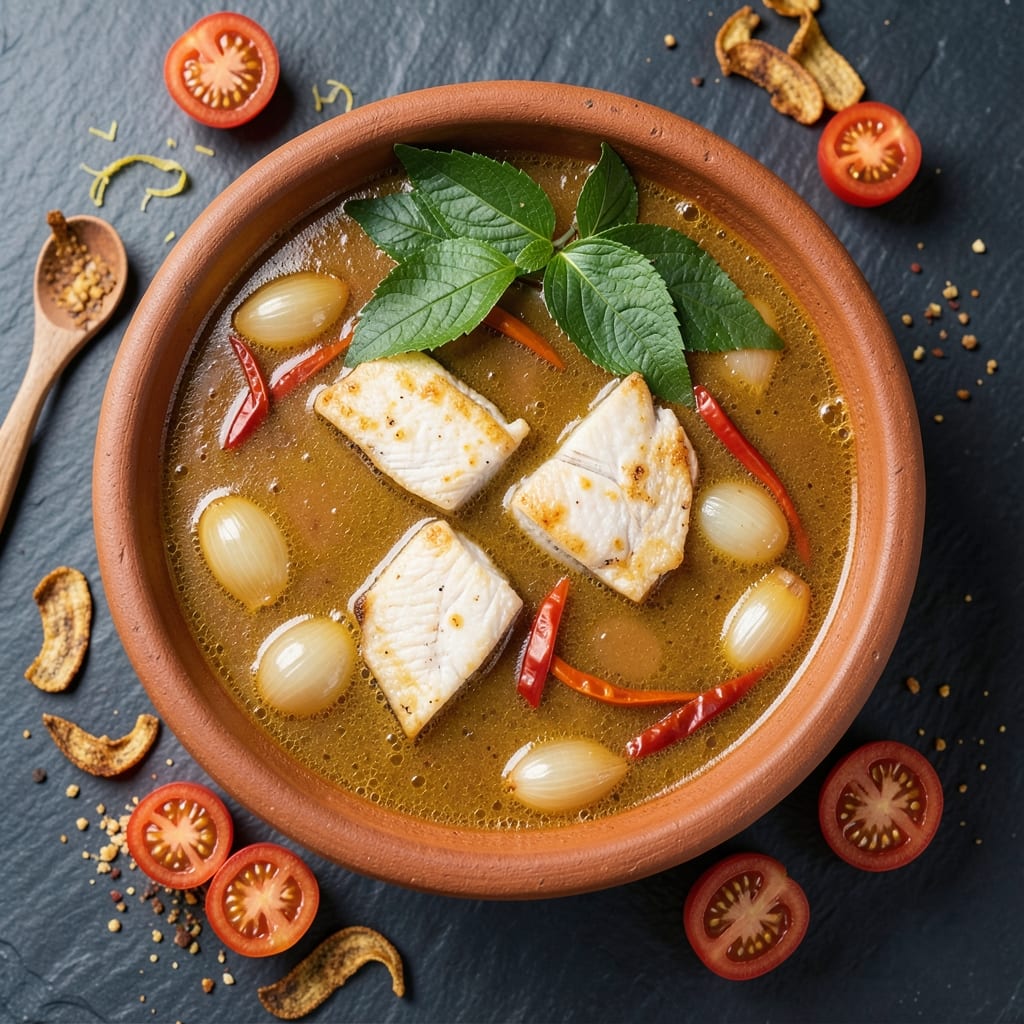
This African Fish Pepper Soup recipe delivers the bold, aromatic essence of West African cuisine in every spoonful. The secret lies in balancing fiery peppers with fresh herbs like uziza and bitter leaf, creating a broth that's both complex and deeply satisfying. I've perfected this version after years of testing, ensuring the fish stays flaky while absorbing all those rich, spicy flavors.
What sets this dish apart is the layered preparation—starting with a deep, pepper-infused base that simmers for hours to develop depth, then adding fish at just the right moment to maintain its delicate texture. Traditional ingredients like tomatoes, onions, and okra form the foundation, while local herbs add that unmistakable African touch. The result is a soup that's hearty enough for a main course but balanced enough for any meal.
By the end, you'll have a steaming bowl of flaky fish swimming in a vibrant, spiced broth that's aromatic, slightly tangy, and packed with umami. The fish should pull apart easily, releasing its juices into the rich, peppery liquid. This is the kind of dish that brings people together—whether for family gatherings or weeknight comfort.
The beauty of African Fish Pepper Soup lies in its versatility. You can adjust the heat level to taste, swap fish varieties based on what's available, or even add local greens for extra nutrition. Once you master this recipe, you'll have a go-to dish that's always welcome at your table.
Ingredients for african fish pepper soup
Bold spices, fresh herbs, and flaky fish create this West African classic.
| Ingredient | Amount | Notes |
|---|---|---|
| White Fish Fillets 🐟 | 1 ½ lb | Firm white fish like cod or tilapia |
| Fresh Tomatoes 🍅 | 2 medium | Roma or vine-ripened, chopped |
| Yellow Onions 🧅 | 1 whole | Chopped, medium size |
| Fresh Red Bell Peppers 🌶️ | 2 whole | Diced, any color |
| Scotch Bonnet Peppers 🔥 | 2 whole | Adjust for heat preference |
| Fresh Uziza Leaves 🌿 | ½ cup | Or substitute with spinach |
| Fresh Bitter Leaf 🌱 | ¼ cup | Or substitute with kale |
| Fresh Ginger 🧄 | 2 tbsp | Grated, fresh is best |
| Garlic Cloves 🧄 | 6 cloves | Minced, fresh preferred |
| Okra Pods 🌽 | ½ lb | Fresh or frozen, sliced |
| Fish Stock 💧 | 4 cups | Homemade or quality store-bought |
| Olive Oil 🫒 | ¼ cup | Extra-virgin for richness |
| Salt 🧂 | 1 ½ tsp | Kosher or sea salt |
| Black Peppercorns 🌶️ | ½ tsp | Freshly ground preferred |
| Lemon Juice 🍋 | 2 tbsp | Freshly squeezed |
The fish is everything here—look for firm white fillets like cod or tilapia at your local seafood counter. Whole Foods or Trader Joe's usually have great options, but ask for the freshest cut. If you're using frozen, thaw it overnight in the fridge. The peppers are where the magic happens—Scotch bonnet for heat, red bell for sweetness. African markets often carry Scotch bonnet, but any hot pepper works in a pinch. Fresh uziza and bitter leaf add that unmistakable African touch, but spinach or kale will work if you can't find them. Grate the ginger fresh—pre-grated loses its zing fast.
No uziza leaves? Spinach or kale at half the amount gets you close. Short on fish stock? Vegetable stock with a splash of soy sauce works too. The okra can be frozen—just slice it before freezing for convenience. For extra depth, toast the garlic and ginger in the olive oil for 30 seconds before adding other ingredients. Trader Joe's has pre-chopped onions and bell peppers that save time, but fresh is always better. The tomatoes should be ripe but firm—Roma tomatoes hold up best when chopped. If you're sensitive to heat, reduce the Scotch bonnet to just one pepper or remove the seeds.
This soup tastes even better the next day as flavors meld. Store in an airtight container in the fridge for up to 4 days. Freeze portions for 3 months—just thaw overnight in the fridge. I always make extra because it disappears fast. The broth keeps well separately too, so you can reheat it and add fresh fish later. For meal prep, portion the fish and broth separately so you can customize heat levels when serving.
Why You'll Love This Recipe
- One-Pot Magic: That’s right—just one pot, no fussing with multiple pans. Sauté onions, toss in tomatoes and peppers, add the fish, and let it simmer. The Scotch bonnet does all the work while you stir for five minutes.
- Heat That Stays: Between the smoky Scotch bonnet and the fresh red bell peppers, this soup has a slow-building warmth that lingers. Honestly, the first bite makes you reach for another spoonful before you even realize it.
- Weeknight to Weekend: Make it for a quick Tuesday dinner or double the batch for a Sunday family lunch. The flavors only get better the next day—perfect for meal prep when you’re juggling a million things.
- Fish on a Budget: White fish fillets are affordable, and this recipe stretches them further than you’d think. Between us, this is how I feed my whole household without breaking the bank—plus, the leftovers reheat like a dream.
Step-by-step instructions for African fish pepper soup
Let’s build this vibrant soup from scratch—layering bold flavors and achieving that signature flaky fish texture.
Prepare the Aromatic Base
Heat the 0.25 cup olive oil in a large pot over medium heat. Add the 2 tbsp fresh ginger and 6 cloves garlic cloves, stirring constantly for 1-2 minutes until the ginger turns golden and the garlic releases its fragrant aroma. This is your flavor foundation—don’t rush it, or you’ll burn the spices.
Next, add the 1 whole chopped yellow onions and cook for 3-4 minutes until softened and translucent. Stir in the 2 whole diced fresh red bell peppers and cook for another 3 minutes until they begin to soften. The onions should caramelize slightly, deepening the soup’s rich flavor profile. Keep the heat steady to avoid burning the vegetables.
Build the Spicy Pepper Base
Reduce the heat to medium-low and add the 2 whole Scotch bonnet peppers, sliced open to control the heat. Cook for 2 minutes until they soften slightly but don’t turn mushy. This step is where the soup gets its signature kick—adjust the cooking time if you prefer milder heat, but don’t skip it entirely.
Add the 0.5 lb sliced okra pods and cook for 5 minutes, stirring occasionally. The okra will release its natural thickening properties, giving the soup its signature body. If the mixture starts to stick, add a splash of fish stock to keep it loose. This ensures a smooth, velvety texture without lumps.
Simmer the Vegetable Medley
Increase the heat to medium-high and add the 2 medium chopped fresh tomatoes, 0.5 cup fresh uziza leaves, and 0.25 cup fresh bitter leaf. Stir well to combine, then pour in the 4 cups fish stock. Bring the mixture to a gentle boil, then reduce the heat to low and let it simmer for 15 minutes, uncovered.
During this time, the vegetables will soften, and the flavors will meld together. Stir occasionally to prevent sticking, and taste the broth—it should be tangy, slightly bitter, and deeply aromatic. If it needs more depth, add a pinch of the 1.5 tsp salt or a crack of 0.5 tsp black peppercorns now. This is your chance to balance the flavors before adding the fish.
Cook the Fish to Flaky Perfection
Add the 1.5 lb white fish fillets to the simmering soup. Gently stir to submerge them completely, then reduce the heat to low. Cover the pot and let the fish cook for 8-10 minutes, or until it flakes easily with a fork. The fish should be opaque and just beginning to separate—overcooking will turn it rubbery.
Here’s the trick: the soup’s liquid should be hot but not boiling. If it starts to bubble vigorously, reduce the heat further. The gentle simmer ensures the fish stays tender while absorbing the rich, spicy flavors of the broth. Once the fish is done, remove it from the pot and set it aside on a plate.
Finish and Serve with Zest
Return the pot to medium heat and let the soup reduce slightly for 2-3 minutes to thicken the broth. Stir in the 2 tbsp fresh lemon juice, which brightens the flavors and cuts through the richness of the fish and spices. Taste and adjust the seasoning with the remaining salt or black peppercorns if needed.
Gently fold the fish back into the soup, letting it soak up the last of the flavorful broth. Serve immediately with a sprinkle of fresh herbs or a wedge of lemon on the side. The fish should be tender and flaky, the soup vibrant and aromatic, and every bite a perfect balance of heat, tang, and umami.
Pro Tips For Making African Fish Pepper Soup
- Blister the Peppers First: Toss whole red bell peppers and Scotch bonnet into a dry skillet over medium-high heat for 3-4 minutes per side until charred. The smoky depth from the blistered skins makes the soup taste like it simmered all day—no extra work, just better flavor. (Yes, even if you’re impatient like me, wait for those blackened patches.) ---
- Salt the Fish Last: Hold off on seasoning the white fish fillets until the very end—right when you add them to the pot. The soup’s acidity (from tomatoes and peppers) will pull the fish apart if it sits in salted water too long. Trust me, the last-minute sprinkle keeps them tender. ---
- Crush Onions Roughly: Skip the food processor for onions—chop them by hand into uneven chunks, no smaller than ½-inch. Fine mincing makes the soup taste muddy and dull. My grandmother swore by this, and she was right: texture matters more than you think. ---
- Simmer, Don’t Boil: Once the fish is in, reduce the heat to a bare simmer—just enough to keep bubbles gentle. A rolling boil turns the fish opaque and rubbery. I learned this the hard way when my first batch looked like sad, gray rubber bands. Keep it quiet.
Essential equipment for this recipe
Heavy-Duty Pot
This soup requires a large, heavy-bottomed pot—I recommend a 5-6 quart Dutch oven like the Le Creuset Stoneware Dutch Oven or a stainless steel version from All-Clad. These pots distribute heat evenly, preventing hot spots that can burn your onions or peppers. A lighter pot will cause temperature fluctuations, leading to uneven cooking and potential sticking. 🌡️
Wooden Spoon
Use a long-handled wooden spoon (like the OXO Good Grips Wooden Spoon) to stir the soup throughout cooking. Wood is gentle on your pot’s surface and prevents scratches, while the long handle keeps your hands safe from the heat. Avoid metal utensils when stirring the fish to prevent tearing delicate fillets. I keep mine near the stove at all times for quick access.
Fine-Mesh Strainer
A fine-mesh strainer (like the OXO Good Grips Collapsible Strainer) is essential if you want to strain the broth for a smoother texture. After simmering the vegetables, pour the liquid through the strainer to remove any bits while keeping all the flavorful liquid. This step is optional but makes the soup look restaurant-quality. Store your strainer under the sink for easy cleanup.
Sharp Chef's Knife
Invest in a high-quality 8-inch chef’s knife (I love the Wüsthof Classic) for chopping onions, peppers, and tomatoes. A sharp knife ensures clean cuts and prevents uneven cooking. Dull knives crush ingredients, leading to bitter flavors in your soup. Keep your knife sharp with a Whetstone or honing steel—I hone mine after every few uses to maintain its edge. 🔪
Fish Scales & Tweezers
If you’re using whole fish instead of fillets, a fish scaler (like the Victorinox Fish Scaler) and tweezers are game-changers. Scaling removes the protective slime layer for a cleaner taste, while tweezers help pluck out bones with precision. For fillets, skip these tools, but keep them handy for future seafood dishes. These tools are affordable and make fish prep effortless.
Thermometer (Optional)
A kitchen thermometer (like the Thermoworks ThermoPop) helps monitor the soup’s temperature, especially when cooking the fish. Aim for a gentle simmer around 185-190°F to keep the fish tender. Overheating can turn the broth into a stew and ruin the fish’s texture. I use mine to check both the pot’s heat and the fish’s internal temperature for foolproof results. 🌡️
Nutrition facts
Frequently asked questions
Can I substitute Scotch bonnet peppers with something milder?
For a gentler heat, swap Scotch bonnet peppers for jalapeños (remove seeds) or red bell peppers. If you love spice but want control, use just 1 Scotch bonnet pepper and remove the seeds/membranes first. The key is balancing the heat with the soup's other bold flavors—don't skip the peppers entirely, as they add depth beyond just spice.
How do I know when the fish is perfectly cooked?
The fish is done when it flakes easily with a fork and reaches an internal temperature of 145°F. It should be opaque and pull apart cleanly, not rubbery or translucent. The gentle simmer method (not boiling) is critical—overcooking turns fish tough. For extra assurance, use a kitchen thermometer to check the thickest part of the fillet.
What if I can't find uziza or bitter leaf leaves?
No problem! Use spinach or kale (about half the amount) for uziza, and collard greens for bitter leaf. For extra authenticity, add 1 tsp dried thyme or 1 bay leaf to mimic the herbal complexity. These substitutes won't replicate the exact flavor but keep the soup hearty and flavorful. The soup's spice base will still shine through.
Can I make this soup ahead of time?
This soup tastes even better the next day! Store it in an airtight container in the fridge for up to 4 days. The flavors meld beautifully, and the broth deepens. For serving, reheat gently on low heat—never microwave, as it can make the fish rubbery. Pro tip: Make extra broth and freeze it separately for future meals. The fish can be cooked separately and added fresh when reheating.
What type of fish works best for this recipe?
Firm white fish like cod, tilapia, or mackerel are ideal—they hold up well to the spicy broth without falling apart. Avoid delicate fish like flounder or sole, which can turn mushy. For extra flavor, use whole fish (like sea bass) and remove the bones after cooking. If using frozen fish, thaw it overnight in the fridge for even cooking.