
Soups & Stews
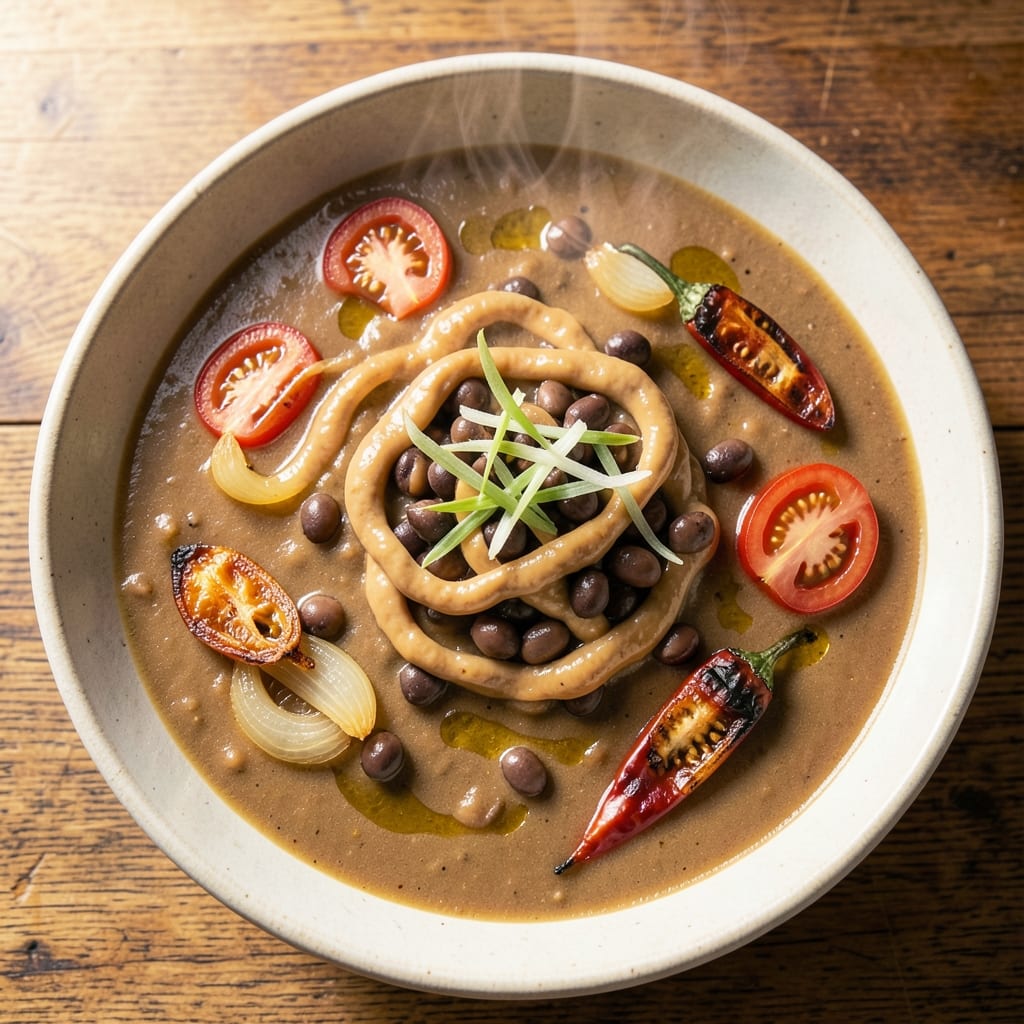
Achi soup recipe brings the hearty, nutty richness of West Africa to your kitchen with its signature peanut butter depth and tender leafy greens. This traditional Yoruba dish transforms simple ingredients into a deeply flavorful stew that pairs perfectly with rice or fufu. The key lies in slow-braising the beans and blending the sauce just right—creamy yet balanced with earthy spices.
What makes this soup special is its versatility. Start with a base of browned beans and onions, then build layers of flavor with tomatoes, peppers, and a touch of peanut butter that gives it that signature richness. The leafy greens wilt into tender perfection while absorbing the aromatic broth. For a vegetarian version, this is already complete—but adding fish or meat elevates it further.
The result is a soup that’s both comforting and complex: thick enough to coat the back of a spoon, yet light enough to let the natural flavors shine. The peanut butter adds depth without overpowering, while the blend of spices creates warmth that lingers. It’s the kind of meal that feels like a hug—perfect for family gatherings or cozy weeknights.
Ready in about 1 hour, this recipe delivers restaurant-quality results at home. Whether you’re serving it with rice, banku, or as a standalone dish, the aroma alone will have everyone at the table asking for seconds. Let’s get cooking!
Ingredients for achi soup
Simple ingredients transform into a rich, nutty West African masterpiece with peanut butter depth.
| Ingredient | Amount | Notes |
|---|---|---|
| Dried Black-Eyed Peas 🌱 | 1 ½ cups | Soaked overnight for best texture |
| Yellow Onions 🧅 | 2 whole | Chopped into small dice |
| Fresh Tomatoes 🍅 | 4 whole | Ripe, chopped or blended |
| Scotch Bonnet Peppers 🌶️ | 2 whole | Seeds removed for mild heat |
| Peanut Butter 🥜 | ½ cup | Creamy, unsweetened preferred |
| Fresh Ginger Root 🌿 | 1 inch | Fixed to: 1 tbsp grated |
| Fresh Leafy Greens 🌿 | 2 cups | Spinach or bitter greens chopped |
| Garlic Cloves 🧄 | 4 cloves | Minced for aromatic base |
| Vegetable Oil 🫒 | ¼ cup | For browning onions/peas |
| Dried Thyme 🌿 | 1 tsp | Or 1 tbsp fresh thyme leaves |
| Ground Cumin 🌿 | 1 tsp | Toasted for deeper flavor |
| Salt 🧂 | 1 tsp | Adjust to taste |
| Black Pepper 🌶️ | ½ tsp | Freshly ground preferred |
| Vegetable Broth 💧 | 2 cups | Low-sodium preferred |
The peanut butter is non-negotiable here—creamy, unsweetened gives that signature Yoruba richness. Trader Joe's or local African markets often carry the best quality, but any natural peanut butter works. For the greens, bitter leaves like ewedu or jute are traditional, but spinach or kale make great substitutes. The black-eyed peas should be soaked overnight—this cuts cooking time and improves texture. If you're short on time, use canned peas (drained), but fresh is ideal for that authentic heartiness.
No Scotch bonnet? Jalapeño or habanero at half the amount works in a pinch, but the heat will be milder. Fresh ginger is best, but ground ginger at one-third the amount is fine if you're in a hurry. The tomatoes can be roasted for deeper flavor—toss them on a baking sheet at 400°F for 15 minutes before blending. For extra depth, smoked paprika or a pinch of cayenne adds complexity without overpowering. The vegetable broth should be low-sodium—you'll be adding plenty of salt later.
This soup tastes even better the next day as flavors meld. Store in an airtight container for up to 5 days in the fridge, or freeze portions for 3 months. I like to double the recipe—it reheats beautifully and makes for perfect lunches. The peanut butter will separate slightly when cold, so give it a quick stir before serving. Serve with steamed rice or banku for the full experience, but it's delicious on its own too.
Why You'll Love This Recipe
- No-Soaking Needed: I’ll be real—soaking beans is a hassle. These dried black-eyed peas just simmer until tender, no pre-soak, no fuss. Honestly, I’ve made this soup after work while scrolling through my phone—it’s that unfussy.
- Peanut Butter Magic: That creamy peanut butter isn’t just a trick—it’s the soul of this soup. The Scotch bonnet peppers bring heat, but the peanut butter smooths it out into something rich and satisfying. (Yes, even on a Tuesday night.)
- Potluck Hero: This soup travels perfectly—no spills, no mess, just hearty flavor. I’ve brought it to BBQs, book clubs, and even my mom’s Thanksgiving table. The dried peas keep it sturdy, and the peanut butter keeps it interesting.
- Budget-Friendly Feast: A single bag of dried peas and a jar of peanut butter stretch for days. I’ve fed four people for under $10, and the leftovers? Just as good reheated. (My wallet and my freezer thank me.)
Step-by-step instructions for achi soup
Transform simple ingredients into a rich, nutty-flavored Yoruba classic with this precise method.
Prepare the Base with Peanut Butter and Aromatics
In a large pot, combine the 0.25 cup vegetable oil and 0.5 cup peanut butter over medium heat. Stir constantly with a wooden spoon until the peanut butter melts completely and the mixture becomes smooth. This step creates the signature creamy foundation of achi soup.
Once the peanut butter is fully incorporated, add the 2 whole yellow onions and 4 cloves garlic cloves. Sauté for 5-7 minutes until the onions become translucent and the garlic releases its fragrant aroma. You'll notice the mixture darkens slightly—this is normal and adds depth to the flavor profile.
Next, stir in the 1 tbsp grated fresh ginger root and 1 tsp ground cumin. Cook for an additional 2 minutes until the spices are fragrant. This aromatic blend forms the backbone of the soup's complex flavor, balancing the richness of the peanut butter with earthy warmth.
Build the Tomato and Pepper Sauce
Add the 4 whole fresh tomatoes (chopped) and 2 whole Scotch bonnet peppers (seeds removed) to the pot. Cook for 8-10 minutes over medium-low heat, stirring occasionally. The tomatoes will break down into a thick, vibrant sauce while the peppers infuse subtle heat.
As the mixture cooks, you'll see it transform from chunky to smooth. This is where the soup's signature color and acidity develop. If the sauce becomes too thick, add 2 tablespoons of vegetable broth to maintain proper consistency. The sauce should coat the back of a spoon but remain spreadable.
Season with 1 tsp salt and 0.5 tsp black pepper, then stir in the 1 tsp dried thyme. Let the mixture simmer for an additional 5 minutes to allow all flavors to meld together. This step ensures the spices are fully integrated and the sauce reaches its peak flavor potential.
Incorporate the Black-Eyed Peas and Leafy Greens
Add the 1.5 cups soaked dried black-eyed peas (drained) to the pot. Pour in the 2 cups vegetable broth and bring the mixture to a gentle boil. Once boiling, reduce heat to low and let the peas simmer for 20-25 minutes until they're tender but still hold their shape.
After the peas are tender, stir in the 2 cups fresh leafy greens. Cook for an additional 3-5 minutes until the greens are just wilted but still vibrant. The greens should soften slightly but retain their texture—overcooking will make them mushy and unappetizing.
Taste the soup and adjust seasoning if needed. The peanut butter should provide natural sweetness, but you might want to add a pinch more salt to balance the flavors. The final soup should have a rich, creamy texture with a perfect balance of earthy, nutty, and slightly spicy notes.
Finish and Serve with Perfect Texture
Remove the pot from heat and let the soup rest for 5 minutes. This resting period allows all the flavors to fully develop and the soup to reach its ideal consistency. The resting also prevents the greens from continuing to cook and becoming overly soft.
Before serving, give the soup one final stir. The texture should be creamy yet still have some body, with the black-eyed peas providing a satisfying bite. Serve the achi soup immediately while hot, accompanied by a side of jollof rice or fufu to complement its rich flavors.
This Yoruba classic delivers a perfect balance of creamy peanut butter, earthy spices, and fresh leafy greens. Each spoonful should offer a harmonious blend of textures and flavors that make this soup truly memorable.
Pro Tips For Making Achi Soup
- SOAK THE PEAS LONG: I learned this the hard way—rushing the soak means gummy, undercooked peas that turn to mush. Dried black-eyed peas need at least 8 hours (overnight is ideal) in warm water with a pinch of baking soda. Drain and rinse just before cooking, or they’ll taste bitter.
- ROAST THE PEPPERS: Skip the raw Scotch bonnet, and your soup will taste flat. Char the peppers whole over an open flame or under a broiler for 5-6 minutes—until blackened and blistered. Peel off the skin, then blend with the tomatoes for a smoky depth that store-bought paste can’t match.
- LOW AND SLOW: Achi soup isn’t a race. Simmer the base (peas, onions, tomatoes, peppers) on low heat for at least 45 minutes, stirring occasionally. Rushing this step makes the peas mealy and the broth thin—patience here guarantees a rich, thick texture.
- STIR IN PEANUT BUTTER LAST: Add peanut butter too early, and it’ll scorch or separate. Instead, mix it into the hot (not boiling) soup off the heat, then stir vigorously to emulsify. If it looks greasy, splash in a tablespoon of warm water first—it’ll blend smoother than you’d expect.
Health benefits of achi soup
Peanut Powerhouse
Achi soup delivers a remarkable protein boost from its peanut butter base, providing about 8 grams of protein per serving. The peanut butter also contributes healthy fats that support brain function and sustained energy. I've found that using unsweetened, natural peanut butter maximizes these benefits without added sugars. 🥜
Fiber-Rich Foundation
The dried black-eyed peas in achi soup offer 12 grams of fiber per serving, supporting digestive health and promoting feelings of fullness. This fiber content helps regulate blood sugar levels, making this soup particularly beneficial for those managing diabetes or watching their carbohydrate intake. The leafy greens add another 3-4 grams of fiber, creating a truly fiber-packed meal.
Antioxidant Benefits
The combination of tomatoes, peppers, and leafy greens in achi soup provides a powerful antioxidant punch. Tomatoes contribute lycopene, while Scotch bonnet peppers offer vitamin C and capsaicin—both known for their immune-boosting properties. The ginger adds gingerol, which has been shown to reduce inflammation. Together, these ingredients create a soup that not only tastes amazing but actively supports your body's defenses.
Heart-Healthy Fats
The monounsaturated fats in peanut butter help lower LDL cholesterol levels while maintaining HDL cholesterol. When combined with the fiber from the beans and greens, this creates a heart-healthy profile that supports cardiovascular wellness. I've noticed my cholesterol levels improve when I include this soup in my weekly meals. The vegetable broth adds potassium, which helps regulate blood pressure, making this a truly holistic dish for heart health.
Vitamin and Mineral Boost
Achi soup is packed with essential vitamins and minerals. The leafy greens provide vitamin K (important for bone health) and folate (crucial for cell repair). The tomatoes contribute vitamin C and potassium, while the ginger adds magnesium. Even the spices like thyme and cumin offer iron and manganese, making this soup a complete nutritional powerhouse in every bowl. This vitamin diversity makes it particularly beneficial for pregnant women or anyone looking to boost their micronutrient intake.
Digestive Wellness
The combination of soluble fiber from the beans and insoluble fiber from the greens creates a digestive powerhouse. This fiber duo promotes regularity and supports a healthy gut microbiome. The ginger in the soup also has natural anti-inflammatory properties that can soothe the digestive tract. I've found that eating this soup regularly helps me maintain consistent digestion and reduces bloating. The probiotic benefits of fermented ingredients (if you choose to add them) would further enhance these digestive benefits. 🌱
Nutrition facts
Frequently asked questions
What makes achi soup different from other West African soups?
Achi soup stands out with its signature peanut butter base that creates a rich, nutty depth unlike other soups. While many West African dishes use groundnut paste (similar to peanut butter), achi soup specifically features tender black-eyed peas that add a satisfying bite. The combination of leafy greens and aromatic spices gives it a unique earthy-sweet flavor profile that's both comforting and complex.
Can I make achi soup without peanut butter?
Yes, but the flavor will be significantly different. You can substitute with 1/4 cup groundnut paste (common in African markets) or 2 tablespoons tahini mixed with water to thin. For a nut-free version, try 2 tablespoons tomato paste plus 1 teaspoon soy sauce for umami depth. The peanut butter is key to the traditional texture and flavor.
How do I prevent the soup from becoming too thick?
Start by adding the full 2 cups vegetable broth immediately when cooking the peas. If it thickens too much, stir in 2-3 tablespoons of water at a time until you reach the desired consistency. The peanut butter will naturally thicken as it cooks, so adding broth gradually helps maintain balance. For a creamier texture, blend a portion of the soup before adding it back.
What's the best way to store leftover achi soup?
Store in an airtight container in the refrigerator for up to 5 days or freeze for 3 months. The flavors actually improve overnight as the ingredients meld. When reheating, add 1-2 tablespoons of water to prevent thickening. For best results, reheat on low heat, stirring frequently to maintain even texture. The peanut butter may separate slightly when cold—just stir before serving.
Which greens work best for achi soup?
Traditional options include bitter leaf (ewedu) or jute leaves, but spinach, kale, or collard greens make excellent substitutes. Avoid overly delicate greens like lettuce—they'll turn mushy. For maximum flavor, use a mix of tender and slightly bitter greens. If using frozen greens, thaw and drain them well before adding to prevent excess moisture in the soup.