
Soups & Stews
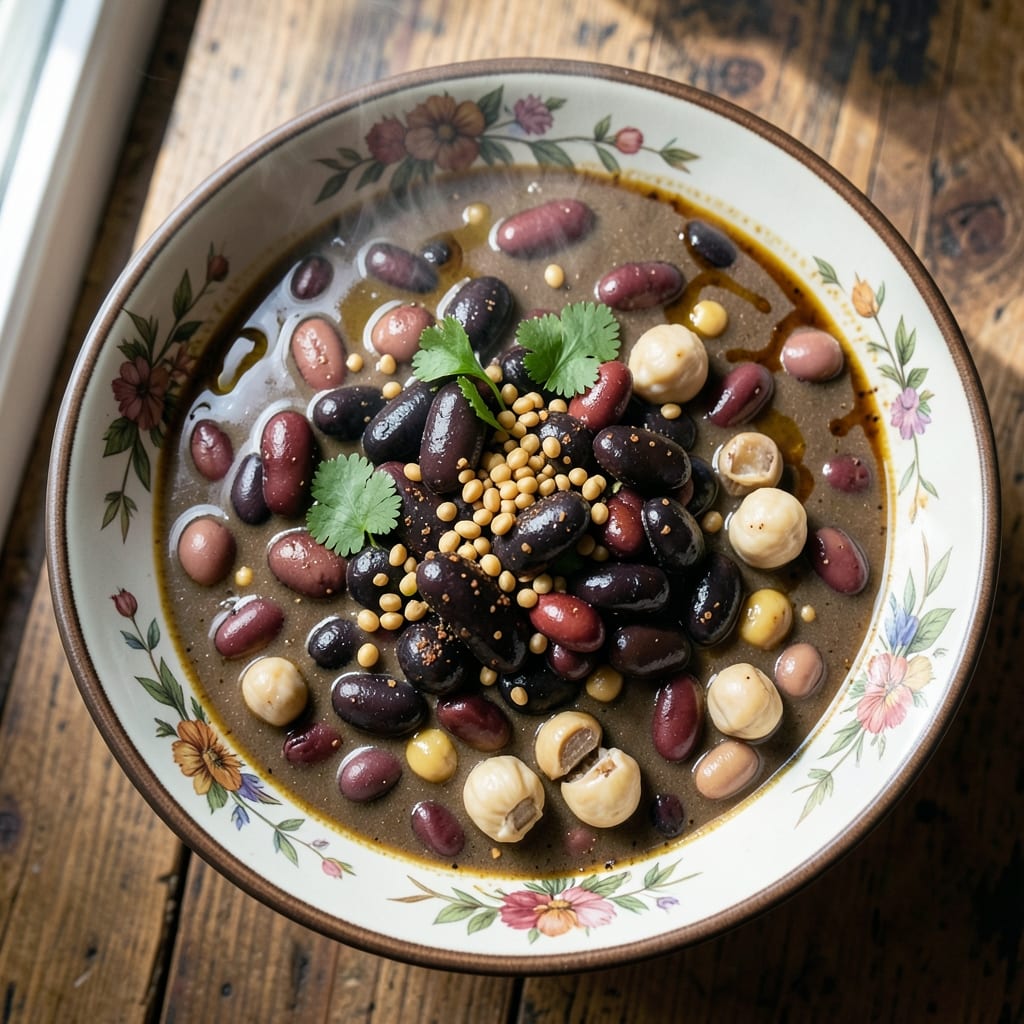
This vegetarian 9 bean soup transforms humble pantry staples into a hearty, protein-rich masterpiece that warms both body and soul. 🌱 The secret lies in combining nine different beans—each contributing unique texture and flavor—to create a soup that's as nutritious as it is satisfying. What makes this recipe special is its adaptability: whether you're using dried beans or canned shortcuts, the result is a deeply flavorful broth packed with plant-based goodness.
The foundation of great 9 bean soup starts with proper bean preparation—soaking overnight for maximum tenderness and flavor extraction. As it simmers, the beans soften while absorbing the aromatic vegetables and herbs, creating a rich, earthy base. This isn't just a soup; it's a complete meal with fiber, protein, and complex flavors that develop beautifully over time.
What you'll end up with is a restaurant-quality vegetarian soup that's perfect for meal prep or serving a crowd. The beans become perfectly tender yet hold their shape, while the broth reduces to a savory depth that coats every spoonful. Garnish with fresh herbs or a drizzle of olive oil to elevate it further—this is comfort food at its finest.
Perfect for chilly evenings, potlucks, or as a base for creative twists like adding smoked paprika or a splash of balsamic vinegar. The beauty of this recipe is its flexibility—make it once and discover why it becomes a staple in your rotation. Let's get cooking!
Ingredients for 9 bean soup recipe vegetarian
Nine beans, one pot, restaurant-quality vegetarian comfort that transforms simple pantry staples into hearty, protein-rich nourishment.
| Ingredient | Amount | Notes |
|---|---|---|
| Dried Navy Beans 🌱 | 1 cup | Rinsed and picked over |
| Dried Kidney Beans 🌱 | ½ cup | Rinsed and picked over |
| Dried Black Beans 🌱 | ½ cup | Rinsed and picked over |
| Dried Chickpeas 🌱 | ½ cup | Rinsed and picked over |
| Dried Lentils 🌱 | ½ cup | Brown or green variety |
| Dried Pinto Beans 🌱 | ½ cup | Rinsed and picked over |
| Dried White Beans 🌱 | ½ cup | Cannellini or great northern |
| Dried Red Beans 🌱 | ½ cup | Rinsed and picked over |
| Dried Split Peas 🌱 | ½ cup | Yellow or green variety |
| Yellow Onion 🧅 | 1 whole | Diced, medium size |
| Carrots 🥕 | 3 whole | Peeled and chopped |
| Celery Stalks 🧅 | 3 whole | Chopped, including leaves |
| Garlic Cloves 🧄 | 4 cloves | Minced, fresh preferred |
| Vegetable Broth 💧 | 6 cups | Low-sodium preferred |
| Tomato Paste 🍅 | ½ cup | Smooth, canned |
| Extra-Virgin Olive Oil 🫒 | 2 tbsp | For sautéing vegetables |
| Bay Leaves 🌿 | 2 whole | Fresh or dried |
| Dried Thyme 🌿 | 1 tsp | Or 1 tbsp fresh |
| Dried Oregano 🌿 | 1 tsp | Crushed between fingers |
| Salt 🧂 | 1 ½ tsp | Diamond Crystal kosher |
| Black Peppercorns 🌶️ | ½ tsp | Freshly cracked |
| Fresh Parsley 🌿 | ¼ cup | Chopped, for garnish |
The beans are the heart of this recipe, and their quality matters. Store-brand dried beans from the grocery store work perfectly—just ensure they're labeled organic or non-GMO for better flavor. Bulk bins at natural food markets like Whole Foods or Sprouts offer the freshest options, but any reputable brand will do. Soaking overnight isn't just about tenderness; it's about flavor extraction. Discard any discolored or oddly shaped beans before soaking. The variety matters too—mix textures with firm beans like navy and black alongside softer ones like lentils and split peas for an ideal mouthfeel. If using canned beans for convenience, opt for no-salt-added varieties and rinse thoroughly to control seasoning.
No dried beans? Canned beans work in a pinch, though they'll require less simmering time. Swap kidney beans for white beans if you prefer a milder flavor, or add a pinch of smoked paprika to deepen the earthiness. The vegetable broth is non-negotiable—low-sodium versions like Pacific Foods or Imagine give you control over seasoning. For extra depth, deglaze the pot with a splash of red wine after sautéing the vegetables. Fresh herbs elevate the dish, but dried thyme and oregano at one-third the amount work beautifully. The tomato paste adds richness without overpowering—San Marzano is ideal, but any quality canned paste will suffice. Don't skip the bay leaves; they infuse subtle aromatic complexity that builds as the soup simmers.
This soup develops better with time, so simmer uncovered for at least 2 hours to let flavors meld. Store in airtight containers for 5-6 days in the fridge or freeze for up to 3 months—the flavors actually improve with reheating. For meal prep, portion into individual containers before freezing. Garnish with fresh parsley and a drizzle of extra-virgin olive oil just before serving to highlight the natural flavors. The beans will continue softening as they cool, so aim for just-tender when serving. This recipe scales beautifully—double the ingredients for a crowd, adjusting simmering time accordingly.
Why You'll Love This Recipe
- Pantry Magic: I swear by this recipe when I forget to grocery shop—just toss those dried beans (navy, kidney, black, chickpeas, lentils) into a pot with broth and let them work their magic. No last-minute ingredient hunts here.
- Deep Umami Bomb: Between the smoky kidney beans, earthy lentils, and creamy chickpeas, every spoonful is a flavor party. That slow simmer? It turns simple dried beans into something hearty and complex—no fancy tricks needed.
- Leftovers That Beg: This soup only gets better the next day. I make a double batch on Sundays, and by Wednesday, it’s my go-to lunch—still rich, still satisfying, and zero effort. Freezer-friendly too, because why not?
- Budget-Friendly Powerhouse: A bag of dried beans feeds my family for days, and the cost? A fraction of canned. It’s my wallet’s favorite recipe—nutritious, filling, and always delivering without breaking the bank. (Yes, even on a teacher’s salary.)
Step-by-step instructions for 9 bean soup
Transform simple pantry staples into a rich, flavorful soup with this method.
👨🍳 Step 1: Prepare and Soak the Beans
Combine all the dried beans—1 cup navy beans, 0.5 cup kidney beans, 0.5 cup black beans, 0.5 cup chickpeas, 0.5 cup lentils, 0.5 cup pinto beans, 0.5 cup white beans, 0.5 cup red beans, and 0.5 cup split peas—in a large bowl. Pick through them to remove any debris or stones, then transfer to a large pot. Cover with plenty of cold water (about 10 cups) and let soak for at least 8 hours or overnight. This step ensures even cooking and prevents the beans from staying hard.
After soaking, drain the beans and rinse them thoroughly under cold water. This removes excess starch that could make the soup gummy. I like to give them a quick shake in a colander to remove any remaining skin or debris. The beans are now ready to cook—no need to peel or further prepare them.
🍳 Step 2: Sauté the Aromatics
In a large Dutch oven or heavy pot, heat the 2 tbsp extra-virgin olive oil over medium heat. Add the diced yellow onion, chopped carrots, and chopped celery stalks, stirring occasionally. Cook for 8-10 minutes until the vegetables soften and the onion becomes translucent. This step builds the foundation of flavor—don’t rush it, or the vegetables will burn.
Add the minced garlic cloves and cook for another 1 minute until fragrant. Stir in the 0.5 cup tomato paste, dried thyme, dried oregano, 1.5 tsp salt, and 0.5 tsp black peppercorns. Cook for 2 minutes, stirring constantly, until the tomato paste darkens slightly and the spices release their aroma. This deepens the flavor profile of the soup.
🥘 Step 3: Simmer the Beans and Vegetables
Add the drained beans, 6 cups vegetable broth, and 2 bay leaves to the pot. Bring the mixture to a boil over high heat, then reduce the heat to low and let it simmer. Partially cover the pot with a lid, leaving a small gap for steam to escape. Simmer for 1.5 to 2 hours, stirring occasionally, until the beans are tender but not mushy. You’ll know they’re done when a bean easily crushes between your fingers with gentle pressure.
Check the soup periodically and add more broth if it becomes too thick. The beans should be fully hydrated and the liquid should coat the back of a spoon. If the soup starts to foam excessively, skim off any excess foam to keep the broth clear. This step is where the magic happens—the flavors meld and the beans absorb the broth’s richness.
⏰ Step 4: Finish and Adjust the Seasoning
Once the beans are tender, remove the bay leaves and adjust the seasoning if needed. Taste the soup and add more salt or pepper as necessary. The soup should be well-seasoned but not overly salty. If the soup is too thick, thin it with a little more broth or water. If it’s too thin, let it simmer uncovered for another 10-15 minutes to reduce and thicken slightly.
Stir in the 0.25 cup chopped fresh parsley just before serving. This adds a bright, fresh finish that cuts through the richness of the beans and broth. The parsley also adds a pop of color, making the soup visually appealing. Let the soup rest for 5 minutes before serving to allow the flavors to settle.
🍽️ Step 5: Serve and Enjoy
Ladle the soup into bowls and serve immediately. The soup should be hearty, with each spoonful delivering a mix of textures—creamy beans, tender vegetables, and a rich, flavorful broth. Pair it with crusty bread or a simple green salad to round out the meal. The leftovers keep well in the refrigerator for up to 5 days and can be reheated gently on the stovetop, adding a splash of broth if needed.
This soup is versatile and can be customized with additional herbs like bay leaves or a splash of lemon juice for brightness. The key to its success lies in the slow simmering and careful balancing of flavors. Trust the process, and you’ll end up with a soup that’s far more complex than its simple ingredients suggest.
Pro Tips For Making 9 Bean Soup Recipe Vegetarian
- SOAK BEANS SEPARATELY: Navy beans and chickpeas need 8+ hours; lentils and kidney beans can handle 4. Dump the first three in a big bowl with cold water, the last two in another—this way, you’re not waiting for one holdout to catch up. (I learned this the hard way after forgetting to check on them overnight.)
- SIMMER LOW AND LONG: After the initial boil, drop the heat to a bare simmer—just enough to see tiny bubbles breaking the surface. Too much heat and your beans turn mushy; too little and they stay tough. Two hours for lentils, three for beans. No shortcuts here.
- SKIP THE SALT UNTIL LATER: Adding salt early toughens beans, especially kidney and black. Wait until they’ve cooked 30 minutes before seasoning—this keeps them tender. (Yes, even if you’re impatient like me.)
- STIR IN THE CHICKPEAS LAST: Chickpeas take longer to soften, so add them 20 minutes before the end. This ensures they’re creamy but not falling apart. Pro move: Mash a few at the end for thickness—no need for extra flour.
Troubleshooting your 9 bean soup recipe vegetarian
Mushy Beans Fix
If your beans turn out mushy, it’s usually from overcooking or using the wrong bean types. First, check your cooking time—beans should be tender but still hold their shape. For dried beans, 1.5 to 2 hours of simmering is ideal. If you’re in a hurry, use a mix of firm beans like navy and black beans alongside softer ones like lentils and split peas. These varieties balance texture perfectly. 🌱
Gummy Broth Solution
A gummy broth often means excess starch from the beans or vegetables. To prevent this, rinse the beans thoroughly after soaking and before cooking. If the soup still thickens too much, add ½ cup warm water or broth and simmer for 10 minutes to adjust the consistency. Skim off any foam that forms during simmering—this removes excess starch before it thickens the broth.
Flat or Bland Flavor
Bland flavor usually means under-seasoning or insufficient aromatics. Boost depth by adding 1 extra bay leaf or ½ tsp smoked paprika during simmering. Deglaze the pot with 2 tbsp red wine or balsamic vinegar after sautéing the vegetables to add acidity and complexity. Taste as you go—adjust salt and pepper gradually, remembering that flavors intensify as the soup cools. 💡
Uneven Cooking
Unevenly cooked beans often happen when some varieties soften faster than others. To fix this, start with a mix of medium-firm beans like pinto and kidney beans alongside quicker-cooking lentils. If you notice some beans are still hard after 1.5 hours, add ½ cup extra broth and simmer for another 30 minutes. Avoid using a pressure cooker for this recipe—it can overcook the beans and turn them mushy.
Too Thick or Too Thin
Adjusting thickness is simple: if the soup is too thick, thin it with warm broth or water, one ladle at a time. For a richer texture, simmer uncovered for 10-15 minutes. If it’s too thin, mash a few beans with a fork and stir them back in to thicken naturally. Avoid adding flour or cornstarch—this soup’s richness comes from its natural ingredients, not thickening agents. ✨
Bean Hardness
Hard beans usually mean insufficient soaking or cooking time. For dried beans, always soak for at least 8 hours. If you’re short on time, use quick-soak method: boil the beans for 2 minutes, then let them soak for 1 hour. After cooking, check doneness by crushing a bean between your fingers—it should be tender but not mushy. If needed, add ½ cup broth*, cover, and simmer for another 20 minutes**.
Nutrition facts
Frequently asked questions
Can I use canned beans instead of dried for this vegetarian bean soup?
Yes! Canned beans work perfectly as a shortcut. Use 2 (15 oz) cans of each bean type (or 9 cans total) and reduce simmering time to 30-45 minutes. Drain and rinse them thoroughly first to remove excess sodium. The texture will be slightly softer, so balance with firmer beans like black beans or navy beans to maintain structure.
How do I prevent the beans from turning mushy in this soup?
Mushy beans happen from overcooking or using soft varieties. Stick to 1.5-2 hours simmering time and include firm beans like navy or black beans alongside quicker-cooking lentils. Always rinse beans after soaking and avoid pressure cooking—it cooks beans too fast. Check doneness by crushing a bean between fingers; it should be tender but still hold shape.
Can I make this soup in a slow cooker or Instant Pot?
For a slow cooker, combine all ingredients (except fresh parsley) and cook on low for 6-8 hours or high for 3-4 hours. For Instant Pot, use the bean/chili setting for 25 minutes after pressure release. The key is adjusting cooking time—don't skip the natural release period. Both methods work, but the stovetop version gives you more control over texture and flavor development.
What's the best way to store and reheat leftovers?
Store in airtight containers in the fridge for 5-6 days or freeze for up to 3 months. To reheat, warm gently on the stovetop with 1-2 tbsp broth or water to restore moisture. Never microwave directly from frozen—thaw first. The flavors actually improve with reheating, making this an ideal meal prep dish. For best texture, reheat just until hot, then let sit for 2-3 minutes before serving.
How can I make this soup more flavorful without adding meat?
Boost depth with umami-rich ingredients like 1 tbsp soy sauce, ½ tsp smoked paprika, or 1 tbsp miso paste during simmering. Add acidity with 1 tbsp balsamic vinegar or juice of ½ lemon at the end. Fresh herbs like cilantro or basil work beautifully too. For extra richness, stir in 2 tbsp nutritional yeast before serving—it adds a cheesy, savory note without dairy.