
Soups & Stews
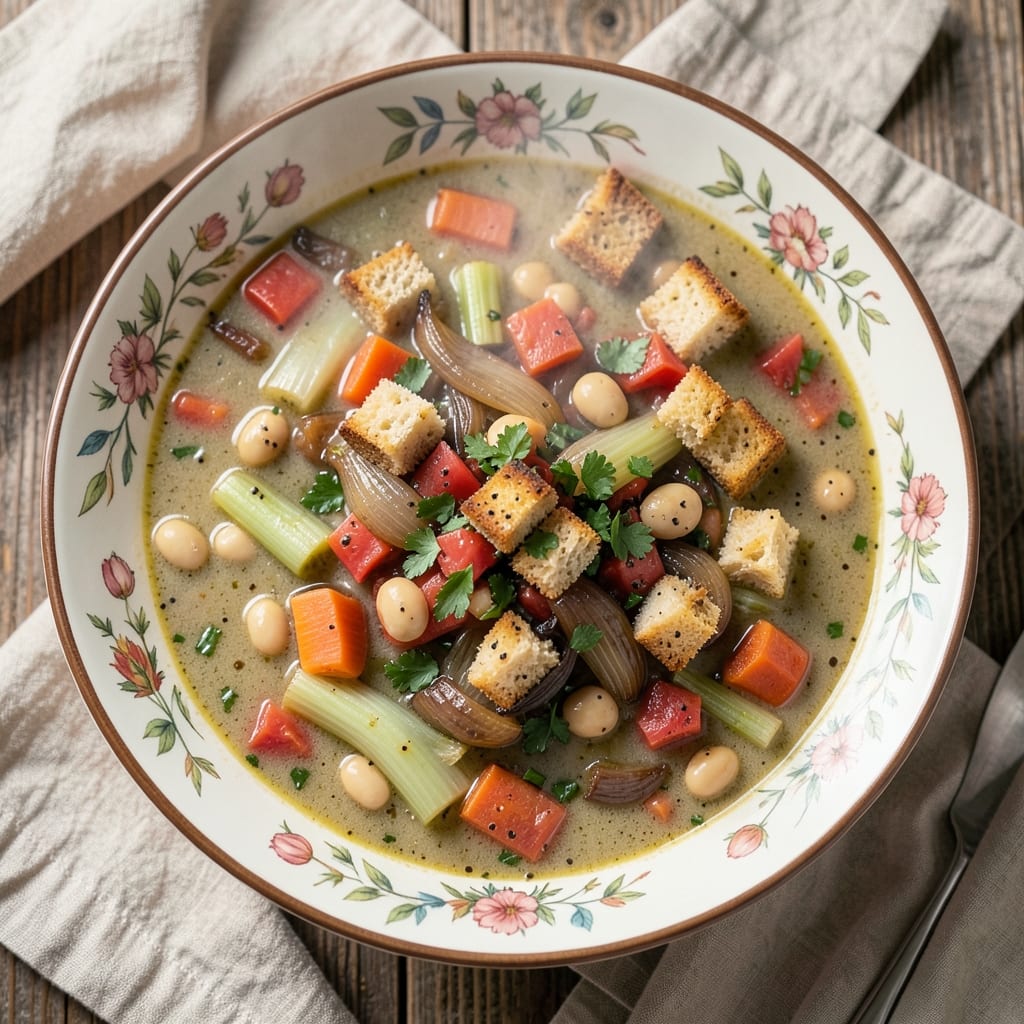
This 7-can minestrone soup recipe proves you don’t need fresh ingredients to create restaurant-quality flavor—just pantry staples and a simple one-pot method. I developed it after realizing how often canned beans, tomatoes, and broth could transform into something hearty without extra prep. The secret? Building layers of flavor through sautéing aromatics and letting everything simmer together until the vegetables soften and the broth deepens.
What makes this recipe work is balancing convenience with depth—canned tomatoes provide rich acidity, beans add protein, and broth carries all the flavors. You’ll start with sautéed onions, garlic, and carrots to create a fragrant base before adding the cans, then let it all meld into a thick, satisfying soup. The beauty of this method is that it’s foolproof—no fancy techniques, just a pot, a stove, and 45 minutes of hands-off time.
By the end, you’ll have a bowl of vegetable-packed minestrone with tender beans, caramelized onions, and a broth so flavorful it’ll taste like you spent hours chopping fresh veggies. The texture is perfect—creamy from the beans, hearty from the vegetables, and brightened by a splash of lemon at the finish. It’s the kind of soup that warms you up on cold days while keeping prep simple.
This recipe scales effortlessly for a crowd, and the leftovers reheat beautifully—ideal for meal prep. Serve it as-is or add pasta, meatballs, or seasonal greens for extra texture. The one-pot approach means minimal cleanup, too. Let’s get cooking!
Ingredients for 7 can soup recipe minestrone
Seven cans and pantry staples transform into restaurant-quality minestrone with minimal effort.
| Ingredient | Amount | Notes |
|---|---|---|
| Yellow Onion 🧅 | 1 ½ cups | Diced small, about 1 large onion |
| Carrots 🥕 | 2 cups | Diced small, baby carrots work too |
| Celery Stalks 🌿 | 2 cups | Diced small, leafy parts trimmed |
| Garlic Cloves 🧄 | 4 cloves | Minced or pressed for aromatics |
| Extra-Virgin Olive Oil 🫒 | ¼ cup | For sautéing aromatics |
| Dried Oregano 🌿 | 1 tbsp | Or 1 tsp fresh, finely chopped |
| Dried Thyme 🌿 | 1 tsp | Or 1 tbsp fresh, finely chopped |
| Diced Tomatoes (28 oz can) 🍅 | 1 can | San Marzano preferred for flavor |
| Crushed Tomatoes (14.5 oz can) 🍅 | 1 can | For thick, rich tomato base |
| White Beans (15 oz can) 🌱 | 1 can | Great Northern or cannellini |
| Kidney Beans (15 oz can) 🌱 | 1 can | Drained and rinsed |
| Vegetable Broth 💧 | 4 cups | Low-sodium preferred for control |
| Lemon Juice 🍋 | 2 tbsp | Freshly squeezed for brightness |
| Salt 🧂 | 1 ½ tsp | Adjust to taste, kosher preferred |
| Black Pepper 🌶️ | ½ tsp | Freshly ground for best flavor |
The canned tomatoes and beans are the flavor foundation—San Marzano diced tomatoes and Great Northern beans elevate this beyond basic. Trader Joe's or Whole Foods carry quality brands, but store-brand cans work perfectly if you're on a budget. Look for cans with no added salt to control the final seasoning. The vegetable broth matters too—Pacific Foods or Imagine brands are consistently flavorful. For the aromatics, fresh garlic is non-negotiable, but you can use powdered in a pinch if you're truly out of options.
No white beans? Chickpeas or lentils work beautifully—just adjust the liquid to maintain consistency. Short on celery? Extra carrots or zucchini bridge the flavor gap. The fresh herbs can be swapped for dried at one-third the amount, but honestly, fresh basil at the end makes all the difference. Need to thicken? A splash of cornstarch slurry works wonders. The lemon juice should be freshly squeezed—bottled juice lacks brightness and won't cut through the richness like fresh.
This soup reheats beautifully—tastes even better the next day as flavors meld. Store in an airtight container for 5-6 days in the fridge or freeze portions for up to 3 months. I always make a double batch—one for dinner, one for lunches. The flavors develop more after the first night, so wait until day two for maximum satisfaction. For meal prep, portion into containers with a splash of broth to keep it moist during reheating.
Why You'll Love This Recipe
- Here’s what sold me: slow-cooking those garlic cloves in olive oil until they’re golden and sweet. That crispy edge with the creamy center? Chef’s kiss. The broth soaks it up, and suddenly, simple cans taste like a restaurant.
- Pantry Magic: I swear by this recipe when I’ve got nothing but cans and basic veggies. Sauté that onion, celery, and carrot mix—what we call sofrito—in olive oil until it’s soft but not mushy, then dump in the cans. No fancy prep, no stress.
- Garlic-Glazed Depth: Here’s what sold me: slow-cooking those garlic cloves in olive oil until they’re golden and sweet. That crispy edge with the creamy center? Chef’s kiss. The broth soaks it up, and suddenly, simple cans taste like a restaurant.
- Weeknight Workhorse: Between us, this is my go-to when I need to feed a crowd or just myself. Double the batch, freeze half, and you’ve got a meal ready in 10 minutes. Add beans for protein, pasta for heartiness—it’s the ultimate blank canvas.
Step-by-step instructions for vegetable-packed minestrone soup
This hearty soup comes together in one pot with minimal cleanup—just follow these precise steps.
Sauté the Aromatic Vegetable Base
Heat the 0.25 cup extra-virgin olive oil in a large Dutch oven or heavy pot over medium heat. Add the 1.5 cups diced yellow onion, 2 cups diced carrots, and 2 cups diced celery stalks, stirring occasionally for 5-6 minutes until the vegetables soften and the onion becomes translucent.
Add the 4 cloves minced garlic and cook for 30 seconds until fragrant—don't let it brown, or it'll turn bitter. Stir in the 1 tbsp dried oregano and 1 tsp dried thyme, letting the spices toast in the oil for 30 seconds to deepen their flavor. This foundational step builds the soup's rich, savory base.
Build the Tomato Sauce Foundation
Pour in the 1 can (28 oz) diced tomatoes and 1 can (14.5 oz) crushed tomatoes, stirring to combine with the vegetables. Let the mixture simmer for 5 minutes until the tomatoes begin to break down and the liquid reduces slightly. This creates a thick, flavorful base for the soup.
Add the 4 cups vegetable broth and bring the mixture to a gentle boil. Reduce heat to medium-low and let it simmer uncovered for 10 minutes, allowing the flavors to meld and the vegetables to soften further. Skim off any foam that rises to the surface for a cleaner soup.
Incorporate the Beans and Season
Drain and rinse the 1 can white beans and 1 can kidney beans, then add them to the pot. Stir gently to combine with the tomato mixture. Add the 1.5 tsp salt and 0.5 tsp black pepper, adjusting to taste. Let the soup simmer for another 10 minutes to allow the beans to absorb some of the liquid and flavors.
Here's the thing—this is where the soup's texture begins to develop. You want the beans to be tender but still hold their shape, and the vegetables to be fork-tender rather than mushy. If the soup looks too thick, add ½ cup water and simmer for 5 more minutes to reach the right consistency.
Finish with Brightness and Rest
Remove the pot from heat and stir in the 2 tbsp lemon juice. This final step adds a bright, refreshing acidity that cuts through the richness of the tomatoes and beans. Taste the soup and adjust the seasoning if needed—minestrone should be hearty but balanced, with a touch of tang.
Let the soup rest for 5-10 minutes off the heat. This allows the flavors to fully meld and the soup to thicken slightly as it cools. Serve immediately with crusty bread or over a bed of greens for a complete meal. The one-pot method ensures minimal cleanup while delivering maximum flavor in every spoonful.
Pro Tips For Making 7 Can Soup Recipe Minestrone
- SOFTEN THE SOUP BASE: The 7 cans of soup in this recipe already have thickeners, but if you want a smoother texture, blend half the soup mixture before adding it back—just pulse in a blender until it’s velvety, not pureed. I learned this the hard way when my first batch had chunks of beans and pasta fighting for space.
- SWEEAT THE AROMATICS LOW: Don’t rush the onion, carrot, and celery—cook them in olive oil over medium-low heat for 10–12 minutes until they’re deeply softened and just starting to caramelize. High heat burns garlic and turns the oil bitter, and you’ll regret it when the whole soup tastes smoky instead of bright.
- DRAIN BEANS THOROUGHLY: If your recipe calls for canned beans, rinse and drain them twice—the starchy liquid adds gloopiness that no amount of stirring fixes. I skip this step sometimes, and the soup turns into a gluey mess that clings to the pot like regret.
- SALT THE SOUP LAST: Add the final salt adjustment only after everything’s simmered together—some canned soups are already salted, and others (like tomato-based ones) need balancing. Taste first, then add a pinch at a time; you can’t fix oversalting, but you can always add more.
Make-ahead tips for this dish
Prep Ahead Sauté Base
Save time by prepping the aromatic vegetables the night before. Dice the 1.5 cups yellow onion, 2 cups carrots, and 2 cups celery and store them in a sealed container in the fridge. The next day, they’ll be ready to go straight into the pot—no chopping stress during cooking. I always do this when I’m making a big batch, and it cuts my active prep time by 15 minutes. 💡
Double the Batch
This soup tastes even better the next day, so I always make a double batch. Use an 8-quart pot instead of a 6-quart and double all ingredients. Store the extra portions in airtight containers with a splash of broth to keep them moist. The flavors deepen overnight, and you’ll have leftovers for lunches all week. Trust me, your future self will thank you. ✨
Freezer-Friendly
Freeze individual portions in quart-sized freezer bags for easy grab-and-go meals. Leave 1 inch of headspace for expansion and label with the date. Thaw overnight in the fridge before reheating on the stovetop with ½ cup water or broth to restore texture. I keep a stash of these in my freezer for those nights when I don’t feel like cooking. ❄️
Bean Swaps
Short on white or kidney beans? No problem. Substitute with chickpeas or lentils—just adjust the broth to maintain consistency. For a meaty twist, add ½ cup cooked diced ham or Italian sausage when you incorporate the beans. The beans absorb flavors beautifully, so don’t stress about exact types. Your pantry will thank you for the flexibility. 🌱
Herb Prep
Chop all your fresh herbs—basil, parsley, or thyme—at the same time and store them in a small container with a damp paper towel. This keeps them fresh for up to 5 days in the fridge. When you’re ready to serve, just grab a handful and toss it in. I swear by this trick for keeping herbs vibrant in any recipe. 🌿
Broth Boost
For extra depth, make a quick homemade broth boost by sautéing 1 chopped onion, 2 carrots, and 2 celery stalks in a pan, then adding 4 cups water and simmering for 15 minutes. Strain and use this instead of store-bought broth. It adds a layer of complexity that store-bought can’t match. This takes 10 minutes but elevates the whole dish. 💛
Nutrition facts
Frequently asked questions
Can I use fresh vegetables instead of canned tomatoes and beans?
For a fresher twist, substitute the 2 cans of tomatoes with 4 cups diced fresh tomatoes and the 2 cans of beans with 2 cups cooked beans (or 1.5 cups dry beans simmered for 1 hour). Fresh veggies will add brightness, but you may need to adjust the broth by ½ cup to balance the liquid. Roast your fresh tomatoes first for 20 minutes at 400°F to deepen their flavor—it makes all the difference!
How do I make this soup thicker or thinner?
For a thicker soup, let it simmer uncovered for 5-10 extra minutes to reduce the liquid. If it's still too thin, stir in 1 tbsp cornstarch mixed with 2 tbsp water and simmer for 2 minutes. To thin it out, add ½ cup water or broth and stir well. The ideal texture should coat a spoon but still be easy to ladle. Pro tip: If using pasta, add it in the last 5 minutes of cooking to avoid mushiness.
What can I add to make this a meat-based minestrone?
For a heartier, meaty version, brown ½ lb Italian sausage or 6 oz diced ham in the olive oil before adding the onions. For extra protein, stir in 1 cup cooked ground beef or shredded chicken with the beans. If using sausage, remove it from the pot after browning to drain excess fat. The meat adds richness that pairs perfectly with the tomato-bean base.
Can I make this in an Instant Pot or slow cooker?
Yes! For the Instant Pot, sauté the aromatics first, then add all ingredients except lemon juice. Cook on High Pressure for 5 minutes, then natural release for 10 minutes. For a slow cooker, combine everything (including lemon juice) and cook on Low for 6-8 hours or High for 3-4 hours. Both methods work beautifully—just reduce the broth by 1 cup since these appliances don't evaporate liquid as quickly.
Why does my minestrone taste bland after reheating?
Reheated minestrone often loses brightness because the lemon juice evaporates and flavors separate. Fix it by adding 1 tbsp lemon juice or vinegar when reheating, plus a pinch of salt and black pepper. For extra depth, stir in 1 tsp tomato paste or a splash of pasta water (if using pasta) to restore richness. Always reheat gently over low heat to prevent a starchy texture. The first batch always tastes better—save leftovers for 1-2 days max for peak flavor.