
Soups & Stews
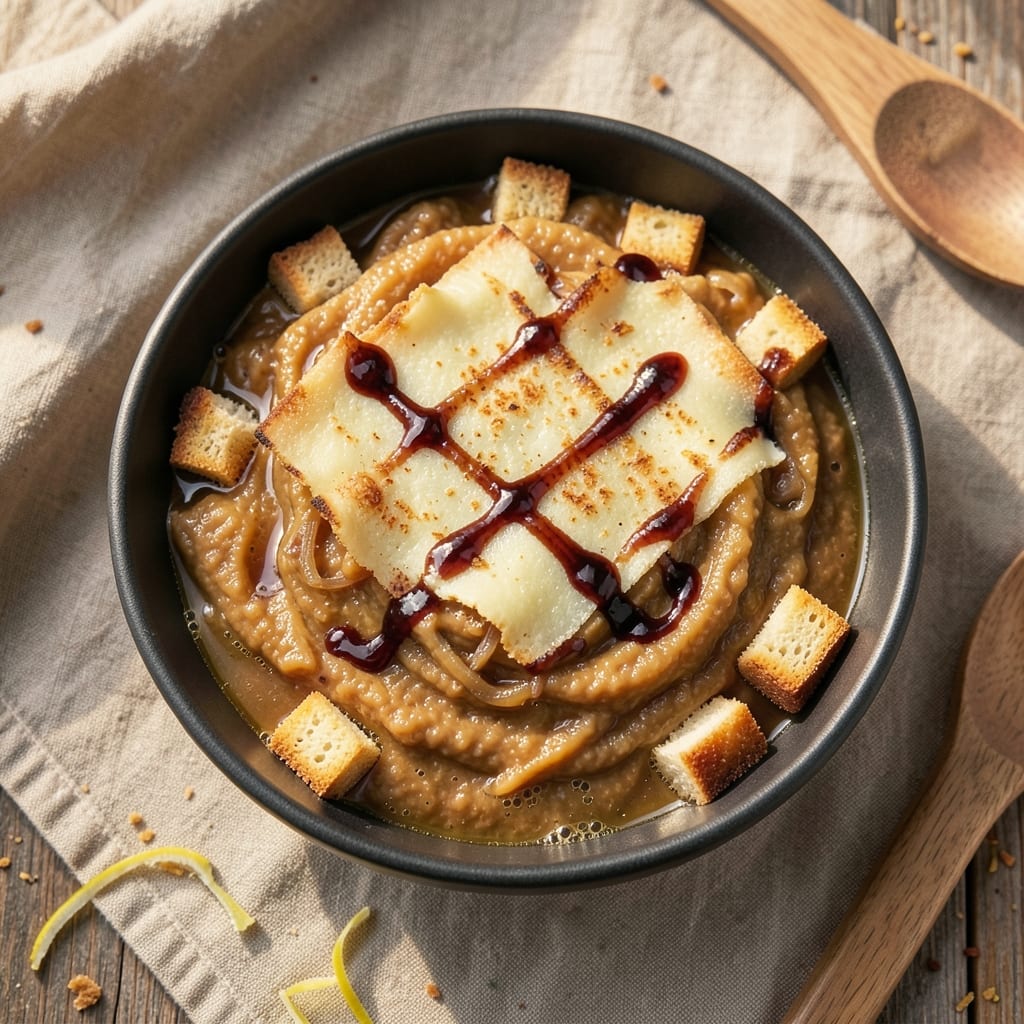
This 5-star onion soup recipe delivers the perfect marriage of caramelized onions and a velvety beef broth topped with a golden, crispy Gruyère crown. The secret lies in slow-cooking onions until they're deep amber and jammy, then building layers of flavor with a rich broth and perfectly melted cheese. Every spoonful is a balance of sweet, savory, and umami—exactly what makes this soup unforgettable.
What sets this recipe apart is the technique: onions are cooked low and slow until they're nearly jam-like, then deglazed with wine to deepen their flavor. A splash of balsamic vinegar at the end adds a touch of complexity that elevates the broth from ordinary to extraordinary. The Gruyère topping isn't just melted—it's crispy on top with a gooey center, creating that signature restaurant-quality texture.
The result is a soup that's rich yet balanced, with each component playing its part: the silky broth, the sweet onions, and the luxurious cheese topping. It's the kind of dish that feels indulgent but still feels like comfort food—perfect for chilly evenings or special occasions. The aroma alone will have everyone gathering around the table, and the first bite will have them asking for seconds.
Pair it with a crisp baguette for dipping, a simple green salad to cut through the richness, or a glass of red wine for the full dining experience. This isn't just onion soup—it's a showstopper that will have you reaching for the recipe again and again. Let's get started on creating your own five-star masterpiece.
Ingredients for 5 star onion soup
Four large onions and a few key ingredients transform into this restaurant-worthy masterpiece.
| Ingredient | Amount | Notes |
|---|---|---|
| Yellow Onions 🧅 | 4 large | Peeled and sliced into even wedges |
| Unsalted Butter 🧈 | ½ cup | Cold, cut into small cubes |
| Dry Red Wine 🍷 | 1 cup | Bold, like Cabernet Sauvignon |
| Beef Broth 💧 | 4 cups | Homemade or high-quality store-bought |
| Balsamic Vinegar 🍶 | 1 tbsp | For finishing touch |
| Gruyère Cheese 🧀 | 1 ½ cups | Freshly grated, block preferred |
| All-Purpose Flour 🌾 | 2 tbsp | For thickening broth |
| Fresh Thyme 🌿 | ¼ cup | Leaves only, finely chopped |
| Garlic Cloves 🧄 | 4 cloves | Minced for depth of flavor |
| Salt 🧂 | 1 ½ tsp | Kosher or sea salt preferred |
| Black Pepper 🌶️ | ½ tsp | Freshly ground for best flavor |
| Baguette 🥖 | 1 whole | For serving, sliced into pieces |
The onions are the star—yellow onions with a sweet, mild flavor work best, but red onions add a subtle tang if you prefer. Whole Foods or Trader Joe's often carry the sweetest varieties. Look for onions with dry skins and firm texture—those are the ones that'll caramelize beautifully. The Gruyère must be high-quality; Murray's Cheese or local artisanal shops carry the best blocks. For the wine, any bold red works—Cabernet Sauvignon, Merlot, or even a good Zinfandel. Avoid sweet wines like Pinot Noir, as they'll throw off the balance of flavors. The beef broth should be rich and flavorful—homemade is ideal, but Pacific Foods or Imagine brands are reliable store-bought options.
No red wine? Dry white wine or extra beef broth works in a pinch, though the flavor will be slightly different. Fresh thyme is ideal, but dried thyme at one-third the amount gets you close. If you can't find Gruyère, Comté or Emmental are good substitutes, though they won't melt as beautifully. The balsamic vinegar adds a sophisticated touch—aged balsamic glaze from Trader Joe's works if you're short on time. For the baguette, freshly baked is best, but even a day-old loaf will crisp up nicely under the broiler. The flour is just for thickening—if you're watching carbs, you can omit it and just simmer the broth longer to reduce it.
This soup tastes even better the next day as the flavors meld together. Store leftovers in an airtight container in the fridge for up to 4 days. For the crispy cheese topping, broil for just 2-3 minutes—watch it like a hawk to avoid burning. The baguette can be toasted ahead of time and kept in a paper bag at room temperature for up to 2 days. Freeze the broth portion (without cheese) for up to 3 months
Why You'll Love This Recipe
- One-Pot Magic: I swear by this recipe because it’s all in one pot—no chopping boards to clean, no extra pans. Just slice those onions, let the butter and wine do their thing, and boom: dinner’s ready while you’re still deciding what to watch.
- Wine-Infused Depth: That splash of dry red wine? It’s not just fancy—it actually carries the flavor. The onions caramelize into something so rich and sweet, the balsamic vinegar ties it all together like a perfect hug. (Yes, even on a Tuesday night.)
- Leftovers That Beg for More: This soup tastes better the next day, honestly. The flavors meld even deeper, and it’s still just as cozy. I make a big batch, freeze half, and pull it out when I need something effortless—like when I’ve had a long week and don’t want to think.
- Budget-Friendly Luxury: You’d think a recipe with wine and beef broth would cost a fortune, but it doesn’t. Yellow onions are cheap, butter is versatile, and a little wine goes a long way. It’s the kind of dish that feels special without breaking the bank—my secret weapon for impressing guests without stress.
Step-by-step instructions for perfect onion soup
This method delivers restaurant-quality onion soup with a golden Gruyère crown and velvety broth every time.
Slow-Cook the Onions Until Caramelized
Melt the 0.5 cup unsalted butter in a large Dutch oven over medium-low heat. Add the 4 large yellow onions (peeled and sliced into even wedges) and the 4 cloves minced garlic. Cook gently for 30-40 minutes, stirring occasionally, until the onions soften and turn a deep golden brown.
Here's the thing—patience is key. You're not just cooking onions; you're developing complex caramelized flavors. The onions should be so tender they nearly dissolve when pressed between your fingers, with a rich amber color. If they brown too quickly, reduce the heat. If they're not caramelizing, increase it slightly. This is where the magic happens.
About 15 minutes into cooking, sprinkle the 1.5 teaspoons salt and 0.5 teaspoon black pepper over the onions. This seasoning penetrates as they cook, ensuring perfect flavor balance. The onions should be moist but not swimming in liquid—if they're too dry, add 1-2 tablespoons beef broth to keep them from sticking.
Build the Rich Broth Foundation
Once the onions are caramelized, stir in the 2 tablespoons all-purpose flour and cook for 1-2 minutes until it lightly coats the onions. This creates a roux that will thicken your broth beautifully. Pour in the 1 cup dry red wine and let it simmer for 3-4 minutes until mostly evaporated.
Add the 4 cups beef broth and the 0.25 cup finely chopped fresh thyme. Bring to a gentle simmer and let it cook uncovered for 20-25 minutes. The broth should reduce slightly, intensifying the onion flavor. Taste and adjust seasoning—you might need a touch more salt or pepper to balance the wine's acidity.
I like to skim off any foam that rises to the surface during this time. This keeps the broth clear and prevents bitterness from developing. The soup should now have a velvety texture with deep, layered flavors from the caramelized onions and wine.
Finish with Balsamic and Prepare for Cheese Topping
Remove the Dutch oven from heat and stir in the 1 tablespoon balsamic vinegar. This adds a touch of sweetness and complexity that elevates the entire dish. Let the soup cool slightly for 5 minutes—this prevents the cheese from cooking too quickly when you add it later.
While the soup cools, slice the 1 whole baguette into ½-inch thick pieces. You'll serve these as the base for your cheese crown. Keep them at room temperature until ready to use. The bread should be fresh from the oven or at least slightly stale for the best texture—this ensures it holds up under the melted cheese.
This is also the perfect time to prepare your cheese. Grate the 1.5 cups Gruyère cheese using a box grater or food processor. For the crispiest topping, use freshly grated cheese from a block rather than pre-shredded. The pre-shredded variety contains anti-caking agents that prevent proper melting and browning.
Assemble and Bake the Gruyère Crown
Preheat your broiler to high. Working quickly, ladle the warm onion soup into 4 oven-safe bowls (or a single large bowl if serving family-style). Arrange 2-3 baguette slices in a circular pattern on top of each portion, slightly overlapping them to create a sturdy base.
Sprinkle ¼ cup freshly grated Gruyère cheese over each bread arrangement. The cheese should cover the bread completely but not be piled too high—you want it to melt into a golden, crispy crown. Place the bowls on a baking sheet to catch any spills during broiling.
Broil for 3-5 minutes until the cheese is deep golden brown and bubbly. Watch it closely—the cheese can go from perfect to burnt in seconds. You'll see the edges start to crisp and turn a beautiful mahogany color. For even browning, you might need to rotate the bowls halfway through.
Serve Immediately with Perfect Texture
Remove the bowls from the broiler and let them rest for 1-2 minutes before serving. This brief resting period allows the cheese to set slightly, making it easier to handle without losing that crispy exterior. The soup should be piping hot with a velvety texture, and the cheese crown should be golden and slightly crispy on top.
Serve each portion straight from the bowl, using the bread as a spoon to dip into the rich broth. The contrast between the crispy cheese, warm bread, and silky soup creates the perfect balance of textures and temperatures. This is where all your efforts come together—each bite should deliver caramelized onion depth, wine-infused richness, and that satisfying crunch from the Gruyère crown.
Pro Tips For Making 5 Star Onion Soup
- Sweat, Don’t Burn: I learned this the hard way—when you add the red wine, the onions should be soft and translucent, not browned. If they’re golden, you’ve gone too far. Keep the heat medium-low and stir often; patience here means rich flavor, not bitter char.
- Slice Evenly, Cook Fast: Cut your yellow onions into thin, even slices—about 1/8-inch thick. Thick pieces take forever to soften, and thin ones risk burning. Spread them out in the pan at first, then stir as they release moisture. This isn’t the prettiest method, but it’s the tastiest.
- Deglaze Aggressively: After the onions caramelize (just slightly, not fully browned), pour in that red wine and scrape the bottom of the pan with a wooden spoon. Every bit of stuck-on fond packs flavor—don’t just dump the wine and walk away. Let it simmer until it reduces by half before adding broth.
- Finish with Vinegar Last: Balsamic vinegar is acidic, and adding it too early can stop the onions from softening properly. Stir it in right at the end, just before serving, to brighten the soup without dulling the caramelized depth. A splash—about 1 tablespoon—is enough to make the difference between good and wow.
Common mistakes when making perfect results
Rushing the Caramelization
I can't stress this enough—rushing the onion caramelization is the #1 mistake that ruins this soup. High heat causes onions to burn instead of develop sweet, jammy depth. Cook them over medium-low heat for 30-40 minutes until they're deep amber and nearly dissolving. If your onions are still pale or dry after 20 minutes, reduce the heat further. The goal is slow, even cooking—not speed. 🔥
Skipping the Wine Deglaze
Many recipes omit the wine deglaze, but this step is crucial for depth. The red wine (like Cabernet Sauvignon) not only adds complexity but also helps dissolve those delicious browned bits stuck to your Dutch oven. If you're avoiding alcohol, substitute with extra beef broth, but the flavor won't be as rich. Let the wine simmer until it's mostly evaporated—this concentrates its flavor into the broth.
Using Pre-Shredded Cheese
Pre-shredded cheese contains anti-caking agents that prevent proper melting and browning. Always use freshly grated Gruyère from a block for that perfect golden, crispy crown. If you must use pre-shredded, at least drain and rinse it to remove excess starches. For extra crispiness, I recommend grating the cheese yourself—it makes all the difference in texture. The cheese should melt into a gooey, bubbly blanket on top of the bread.
Overcrowding the Broiler
Placing too many bowls under the broiler at once leads to uneven cooking and potential cheese fires. Broil one tray at a time and watch closely—cheese can go from perfect to burnt in seconds. For even browning, rotate the bowls halfway through. If your cheese isn't browning enough, move the tray closer to the broiler element (but not touching). The ideal crown is deep golden brown with a crispy exterior and creamy center.
Ignoring the Resting Time
After broiling, letting the soup rest for 1-2 minutes before serving is non-negotiable. This brief pause allows the cheese to set slightly, making it easier to handle without losing that crispy texture. Skipping this step often results in a soggy cheese crown that sticks to the bread. Trust me, those extra 60 seconds make a world of difference in presentation and texture.
Using Stale or Soft Bread
The baguette slices must be fresh but not too soft—they need to hold up under the melted cheese. If your bread is too fresh, it'll turn mushy when broiled. If it's too stale, it might not crisp properly. The perfect baguette is slightly firm but still crisp—think "just out of the oven" or 1-2 days old. Toasting the bread lightly before adding cheese also helps it hold its shape better under the broiler. 🥖
Nutrition facts
Frequently asked questions
Can I make this onion soup vegetarian?
Replace the beef broth with 4 cups vegetable broth and add 1 cup mushrooms (sliced) along with the onions. For extra richness, stir in 2 tablespoons nutritional yeast when finishing the soup. The caramelization process and wine deglaze will still create that same depth of flavor—just with a plant-based twist.
How do I store leftovers without soggy cheese?
Store the soup (without cheese) in an airtight container in the fridge for up to 4 days. When reheating, warm it gently on the stove until hot. Add fresh cheese to individual bowls and broil for 2-3 minutes just before serving to restore that crispy texture. Never reheat the cheese with the soup—it'll turn rubbery.
What's the best wine substitute if I don't drink alcohol?
Use 1 cup dry white grape juice or extra beef broth> (½ cup more than called for) for the deglaze. For depth, add 1 teaspoon balsamic vinegar> to the wine substitute. The flavor won't be identical, but it'll still create a rich, balanced soup. The key is simmering the liquid until it reduces by half to concentrate the flavors.
Can I make this soup ahead of time?
Yes, but with a trick! Prepare the soup through Step 3 (with balsamic), then cool and refrigerate. When ready to serve, reheat the soup and assemble the cheese topping fresh. For make-ahead convenience, you can even prepare the caramelized onions and broth separately up to 3 days ahead>, then combine when ready to cook. The flavors actually improve overnight as they meld together.
Why does my cheese topping get oily?
This happens when cheese melts too slowly or isn't hot enough. Always use freshly grated cheese and ensure your soup is piping hot before adding the bread. Broil on high heat for 3-4 minutes> and watch closely—the cheese should bubble vigorously before browning. If it looks oily, it's not hot enough. For perfect results, try adding a pinch of cornstarch to the cheese before topping.