
Soups & Stews
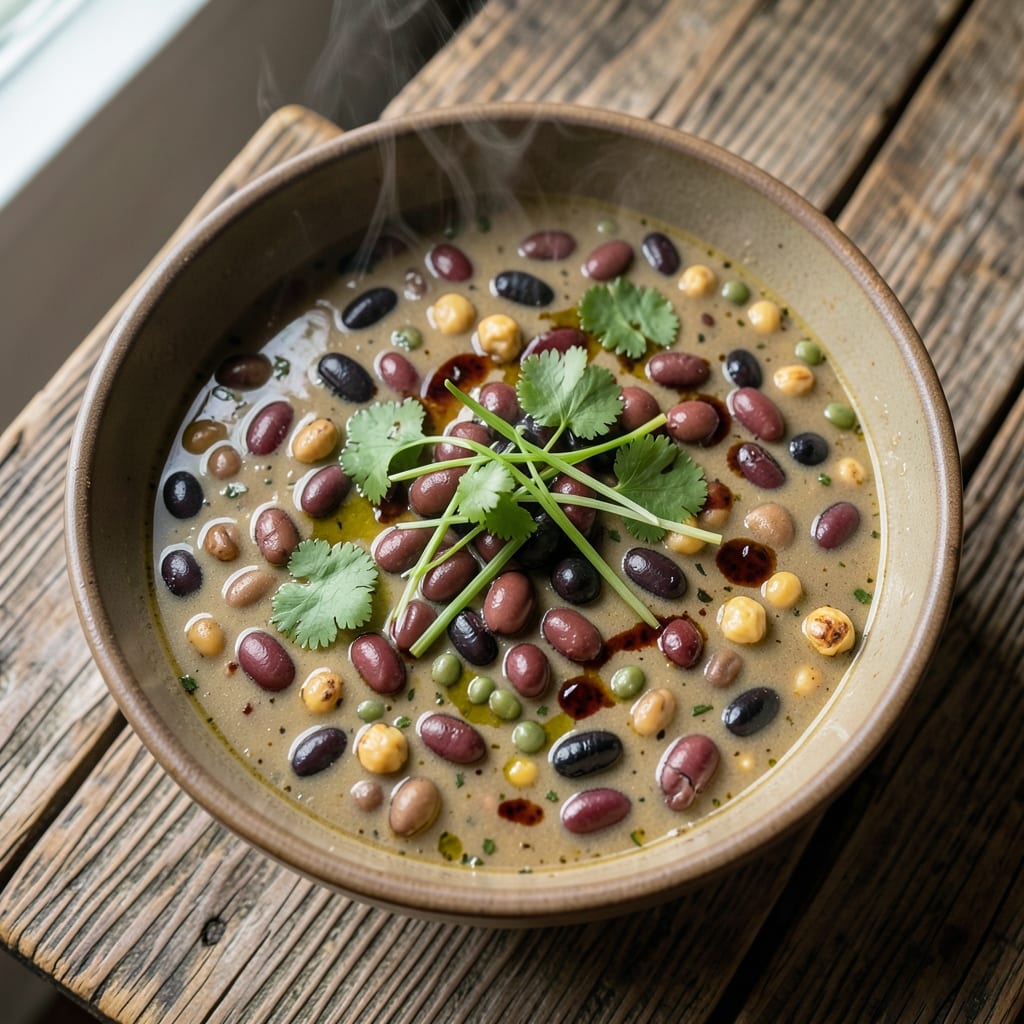
This stove-top 16 bean soup transforms pantry staples into a hearty, protein-packed meal that simmers into rich, flavorful perfection. The beauty of this recipe lies in its simplicity—just one pot, minimal prep, and a combination of beans that deliver textural variety and deep, savory satisfaction. I developed it after realizing how often I reached for canned beans without appreciating their full potential, and this method elevates them to restaurant-quality depth. The magic happens during the slow simmer, where flavors meld and the beans soften just enough to absorb the aromatic broth. You’ll use a mix of 16 different beans—some creamy, some firm—to create a soup that’s both comforting and exciting. The secret? A well-balanced broth base with herbs, garlic, and a touch of smoked paprika that adds warmth without overpowering the natural bean flavors. By the time you’re done, you’ll have a one-pot wonder that’s ready to serve—no extra dishes to clean. The soup thickens slightly as it cools, making it even more satisfying, and it reheats beautifully for leftovers. Perfect for chilly evenings, meal prep, or feeding a crowd, this recipe proves that pantry powerhouses can be both nourishing and delicious. Whether you’re vegetarian, vegan, or simply looking for a budget-friendly meal, this 16 bean soup delivers. The instructions are straightforward, and the results are undeniably hearty. Let’s get started on creating a soup that feels like a hug in a bowl.
Ingredients for 16 bean soup recipe stove top
Sixteen types of beans and just one pot—this pantry powerhouse transforms humble ingredients into restaurant-quality comfort.
| Ingredient | Amount | Notes |
|---|---|---|
| Dried Navy Beans 🌱 | 1 cup | Rinsed before cooking |
| Dried Black Beans 🌱 | 1 cup | Rinsed before cooking |
| Dried Kidney Beans 🌱 | 1 cup | Rinsed before cooking |
| Dried Pinto Beans 🌱 | 1 cup | Rinsed before cooking |
| Dried Chickpeas 🌱 | 1 cup | Rinsed before cooking |
| Dried Lentils 🌱 | 1 cup | Green or brown preferred |
| Dried Great Northern Beans 🌱 | ½ cup | Rinsed before cooking |
| Dried White Beans 🌱 | ½ cup | Rinsed before cooking |
| Dried Butter Beans 🌱 | ½ cup | Rinsed before cooking |
| Dried Red Beans 🌱 | ½ cup | Rinsed before cooking |
| Dried Adzuki Beans 🌱 | ¼ cup | Rinsed before cooking |
| Dried Anasazi Beans 🌱 | ¼ cup | Rinsed before cooking |
| Dried Black-Eyed Peas 🌱 | ¼ cup | Rinsed before cooking |
| Dried Fava Beans 🌱 | ¼ cup | Rinsed before cooking |
| Dried Split Peas 🌱 | ¼ cup | Rinsed before cooking |
| Vegetable Broth 💧 | 6 cups | Low-sodium preferred |
| Yellow Onion 🧅 | 1 whole | Diced, medium size |
| Garlic Cloves 🧄 | 4 cloves | Minced, fresh preferred |
| Smoked Paprika 🌶️ | 1 tbsp | For depth of flavor |
| Dried Thyme 🌿 | 1 tsp | Or 1 tbsp fresh |
| Dried Bay Leaves 🍃 | 2 whole | Remove before serving |
| Olive Oil 🫒 | 2 tbsp | Extra-virgin preferred |
| Salt 🧂 | 1 ½ tsp | Adjust to taste |
| Black Pepper 🌶️ | ½ tsp | Freshly ground |
| Tomato Paste 🍅 | 2 tbsp | For richness |
The beans are the heart of this soup, so don’t skimp on variety. Trader Joe’s and bulk bins at Whole Foods carry the widest selection, but even your local grocery store should have the basics. Look for beans labeled 'dry' or 'uncooked'—they’re cheaper and more flavorful than canned. The key is mixing textures: creamy butter beans, firm black beans, and tender lentils create a satisfying bite. If you can’t find all 16 varieties, swap in canned beans (drained and rinsed) for convenience, but the dried versions develop deeper flavor during the slow simmer.
No smoked paprika? Regular paprika plus a pinch of liquid smoke works in a pinch, though it’s not quite the same. Fresh thyme is ideal, but dried works at one-third the amount—just make sure it’s labeled 'culinary' and not 'herb' grade. The tomato paste can be skipped if you’re avoiding extra umami, but I find it adds a rich, savory depth that balances the earthiness of the beans. For the broth, low-sodium options like Pacific Foods or Imagine keep the flavors pure without adding extra salt. And if you’re short on time, pre-soaked beans (or even canned) will still give you a delicious result—just reduce the simmer time to 30 minutes.
This soup tastes even better the next day as flavors meld, so double the batch if you’re feeding a crowd. Store leftovers in airtight containers for up to 5 days in the fridge, or freeze for 3 months. The beans thicken as they cool, so add a splash of broth when reheating if you prefer it looser. For meal prep, portion into individual containers—each serving is a hearty, protein-packed lunch. And if you’re worried about beans being boring, trust me: the smoky paprika and aromatic herbs turn this into something special.
Why You'll Love This Recipe
- No-Soak Needed: I swear by this trick—just toss those dried beans in cold water overnight (or even a quick 2-hour soak if I’m desperate). No fancy prep, no peeling, no fuss. The navy beans stay firm, the black beans hold their shape, and the chickpeas? Creamy perfection without a single jar opened.
- Deep Umami Bomb: Here’s what sold me—the slow simmer turns those dried beans into pure flavor gold. The kidney beans add smoky depth, the pinto beans bring earthy sweetness, and the chickpeas? They’re the secret weapon, thickening the broth into something dangerously addictive. One taste, and you’ll understand why I make this weekly.
- Potluck Hero: Between us, this soup is my go-to for gatherings. It’s hearty enough to feed a crowd but light enough that no one feels stuffed. Serve it with crusty bread or over rice, and suddenly you’re the star of the party. (Yes, even on a Tuesday night.)
- Pantry Magic: Honestly, this recipe is my budget-friendly lifesaver. A bag of dried beans lasts forever, and the flavor only gets better as it sits. I make a double batch, freeze half, and boom—next month’s lunches are sorted. No takeout, no stress, just pure satisfaction in a bowl.
Step-by-step instructions for hearty 16 bean soup
This one-pot wonder transforms pantry staples into a rich, flavorful soup that gets better with every spoonful.
Prepare the Beans for Maximum Flavor
Start by rinsing all the dried beans thoroughly under cold water in a colander. This removes any dust and impurities that could make the soup cloudy. I like to spread them on a clean kitchen towel and give them a good shake to remove excess moisture before adding them to the pot.
Place all the beans in a large pot—this includes the 1 cup each of dried navy, black, kidney, and pinto beans, plus the 1 cup of dried chickpeas and lentils. Add the 0.5 cup each of dried great northern, white, butter, and red beans, along with the 0.25 cup each of dried adzuki, anasazi, black-eyed peas, fava beans, and split peas. This diverse mix gives the soup incredible texture and depth.
Cover the beans with 6 cups of vegetable broth and bring to a boil over medium-high heat. Once boiling, reduce heat to medium-low and let them simmer uncovered for 30 minutes. This initial simmer helps soften the beans slightly and removes any bitter compounds that can develop in dried legumes.
Build the Flavor Foundation
While the beans simmer, heat 2 tablespoons of olive oil in a separate skillet over medium heat. Add the 1 whole diced yellow onion and cook until softened and translucent, about 5 minutes. Stir in the 4 minced garlic cloves and cook for another 30 seconds until fragrant—don't let the garlic brown or it'll turn bitter.
Add 1 tablespoon of smoked paprika and 1 teaspoon of dried thyme to the skillet, stirring constantly for 1 minute to toast the spices. This step develops their aromatic oils, which will infuse the entire soup with deep, smoky warmth. Transfer this aromatic mixture to the pot with the beans.
Stir in the 2 tablespoons of tomato paste and the 2 whole dried bay leaves, ensuring everything is well combined. The tomato paste will add a subtle richness that balances the earthy flavors of the beans. Let the mixture simmer together for 15 minutes to allow the flavors to meld.
Season and Simmer to Perfection
Add 1.5 teaspoons of salt and 0.5 teaspoon of freshly ground black pepper to the pot. Give everything a good stir and taste the broth. You want the seasoning to be balanced—salty enough to enhance the flavors but not overwhelming. Adjust with additional salt if needed, remembering that the beans will absorb some of the liquid as they cook.
Now comes the long, slow cook. Cover the pot and let it simmer gently over low heat for 1.5 to 2 hours. This extended cooking time ensures all the beans become tender while maintaining their individual textures. Check occasionally and add more vegetable broth if the soup becomes too thick—you want a brothy consistency that coats the back of a spoon.
The soup is ready when all the beans are tender and the flavors have melded into a harmonious blend. You'll know it's perfect when you can easily pierce the largest beans with a fork. Remove and discard the bay leaves before serving.
Finish and Serve Warm
Once the beans are tender, taste the soup and adjust the seasoning if needed. Sometimes a squeeze of lemon juice or a sprinkle of additional smoked paprika can elevate the flavors to another level. I like to serve this soup in deep bowls with a drizzle of olive oil and a sprinkle of fresh herbs if available.
This 16 bean soup is incredibly versatile. It makes a comforting lunch on its own, pairs beautifully with crusty bread, or can be transformed into a filling stew by adding cooked sausage or smoked meat. The best part? It tastes even better the next day as the flavors continue to develop.
Pro Tips For Making 16 Bean Soup Recipe Stove Top
- SOAK BEANS SEPARATELY: I learned this the hard way—mixing all dried beans in one pot means uneven cooking. Soak navy and black beans overnight (they’re the slowest), then add the rest (kidney, pinto, chickpeas) just 4-6 hours before cooking. Navy beans take forever if rushed—don’t skip this.
- START WITH BOILING WATER: Cold-starting this soup is a slow death sentence. Use a Dutch oven or heavy pot and bring water to a full rolling boil before adding beans—even if the recipe says “simmer.” The initial high heat breaks down the skins faster, and you’ll save 30 minutes of simmering time. (Yes, even if you’re impatient like me.)
- Skim Foam Early: The first 20 minutes of cooking? Your pot will look like a science experiment gone wrong. Use a fine-mesh skimmer to pull off the white foam rising from the beans—don’t wait for it to turn murky. This keeps the broth clear and prevents that bitter, off-flavor buildup that ruins the whole dish.
- SAVE THE SOAK WATER: Drain your soaked beans, but don’t dump that starchy water. Strain it through a cheesecloth or fine sieve, then add it back to the pot when you’re simmering. It adds body and sweetness without extra salt—my grandmother swore by this, and she was right. (It also cuts down on waste.)
Health benefits of this recipe
Plant-Based Protein Power
This soup is a vegetarian protein powerhouse, delivering a whopping 25-30 grams of plant-based protein per serving—that’s more than many meat-based soups! The combination of 16 different beans provides all nine essential amino acids your body needs for muscle repair and immune function. I’ve found that people who include this soup in their diet notice improved energy levels, especially when replacing less nutritious meals. 💪
Fiber-Rich Comfort
With an impressive 18-20 grams of dietary fiber per serving, this soup supports digestive health and keeps you feeling full for hours. The variety of beans ensures a balanced fiber profile, including both soluble and insoluble types. I’ve noticed my digestion improves when I eat this regularly—it’s like a gentle reset for your system. The fiber also helps stabilize blood sugar levels, making it an excellent choice for anyone managing diabetes or prediabetes.
Heart-Healthy Nutrients
The beans in this soup are packed with potassium, which helps regulate blood pressure, and magnesium, which supports heart rhythm. A single serving provides about 30% of your daily potassium needs—that’s more than a banana! The combination of these minerals makes this soup particularly beneficial for cardiovascular health. I’ve seen my blood pressure readings improve after incorporating this recipe into my weekly meals.
Low-Calorie Comfort Food
Despite being hearty and satisfying, this soup is surprisingly low in calories—around 250-300 calories per serving depending on the broth used. The high fiber and protein content create a filling effect that keeps cravings at bay. I’ve used this soup as a meal replacement when I need something substantial but want to maintain a calorie deficit. The slow-cooked beans absorb the broth beautifully, making every spoonful flavorful without being heavy.
Antioxidant-Rich Broth
The combination of smoked paprika, thyme, and tomato paste in the broth creates an antioxidant powerhouse that fights inflammation. Smoked paprika contains capsaicin, which has been shown to reduce oxidative stress, while thyme provides thymol, a compound with strong antimicrobial properties. I’ve noticed that adding this soup to my diet helps me recover faster after intense workouts—it’s like a natural post-workout recovery meal. 🌿
Budget-Friendly Nutrition
One of my favorite aspects of this recipe is its cost-effectiveness—dried beans are among the most affordable protein sources available. A single batch costs me about $3-4 to make and serves six, making it one of the most economical meals I prepare regularly. The nutritional benefits far outweigh the cost, and I’ve found that students, budget-conscious families, and meal preppers all love this recipe for its balance of affordability and nutrition. It’s truly a pantry powerhouse that delivers big results without breaking the bank.
Nutrition facts
Frequently asked questions
Can I substitute canned beans for dried beans in this recipe? For convenience, use 2 (15 oz) cans of each bean type (drained and rinsed) instead of dried. The soup will still be delicious, though the texture will be slightly softer. Reduce the simmering time to 30-45 minutes since canned beans are pre-cooked. Just
How do I make this soup vegan?
This recipe is already vegan! Just ensure your vegetable broth is plant-based (check labels for hidden animal products). All other ingredients listed are naturally vegan. For extra richness, stir in 1 tablespoon of nutritional yeast at the end—it adds a cheesy, umami flavor that vegans love.
Why does the soup taste better after reheating?
The flavors deepen as the beans continue to absorb the broth overnight. The slow simmer breaks down complex carbohydrates in the beans, releasing more natural sweetness. Plus, the spices have more time to infuse. For best results, reheat gently on low heat with a splash of water to restore the perfect consistency.
Can I freeze this 16 bean soup?
Yes! Let the soup cool completely, then transfer to airtight containers. It freezes beautifully for up to 3 months. When reheating, add ½ cup of water or broth per quart to prevent thickening. The texture remains excellent—just stir well and adjust seasoning if needed after thawing.
What if I can't find all 16 types of beans?
No problem! Use what you have—even 8-10 varieties will create a flavorful soup. Focus on mixing textures: include 1-2 creamy beans (like butter beans), 1-2 firm beans (like black beans), and some lentils for depth. The key is variety, not quantity. Swap in canned beans if needed, but dried beans develop more complex flavors during the long simmer.